Extendable Tables for Singapore Homes: Space, Humidity and Smart Choices
How much space do I really need for an extendable dining table in a typical HDB flat?
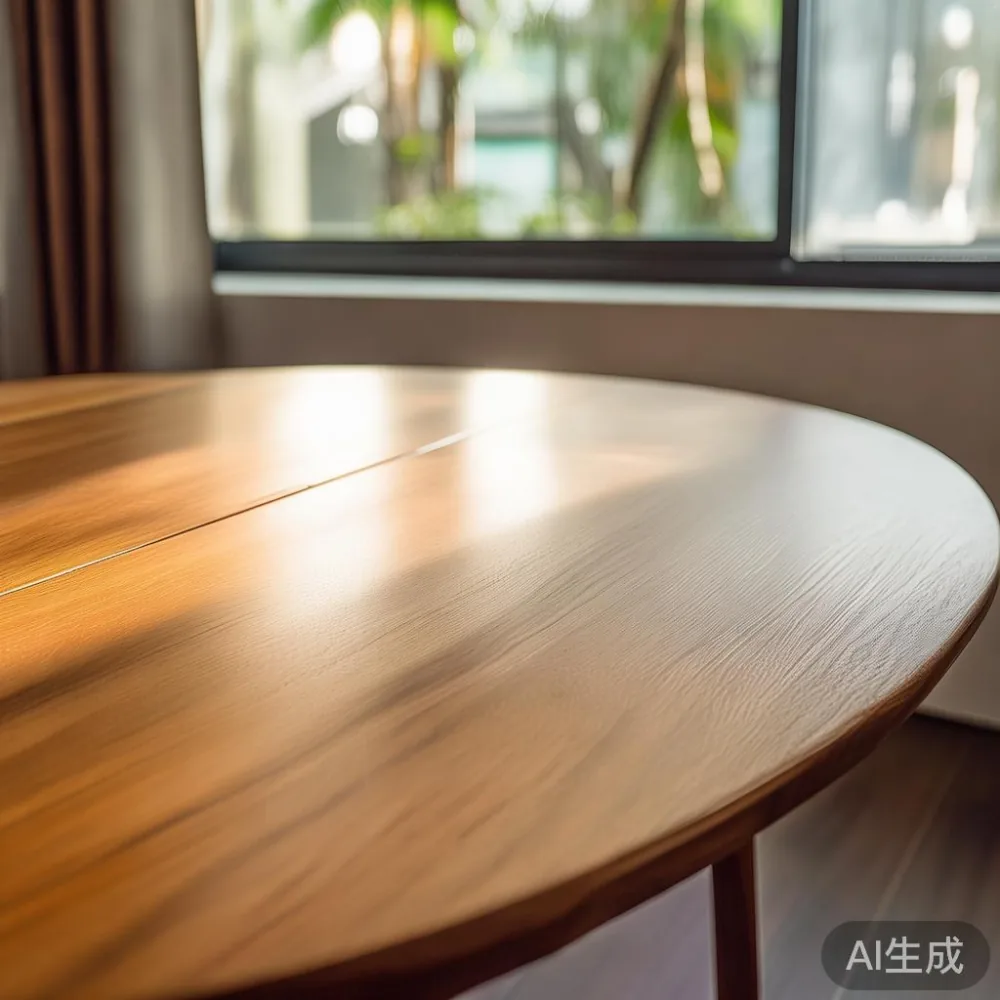
When I first measured my 4‑room HDB dining nook, I realised the floor plan leaves about 120 cm of clear width between the kitchen island and the wall. A standard rectangular table of 140 cm × 80 cm fits, but leaves little room to pull chairs out. Adding an extension that slides out another 40 cm pushes the total length to 180 cm, which still works if I keep at least 60 cm of clearance behind each seat for comfortable movement.
In practice, I recommend leaving a minimum of 70 cm between the table edge and any fixed obstruction – this accommodates the chair’s swing and lets people walk past without bumping. For a typical HDB layout, a table that starts at 120 cm × 80 cm and extends to 180 cm × 80 cm hits the sweet spot for everyday meals and occasional gatherings.
If your flat has an open‑plan living‑dining area, you can push the table closer to the sofa, but remember to keep a 90 cm walkway for traffic flow. I’ve seen many owners place a low leather sofa against the wall and still maintain comfortable dining when the table is retracted.
What extension mechanisms work best in Singapore’s humid climate?
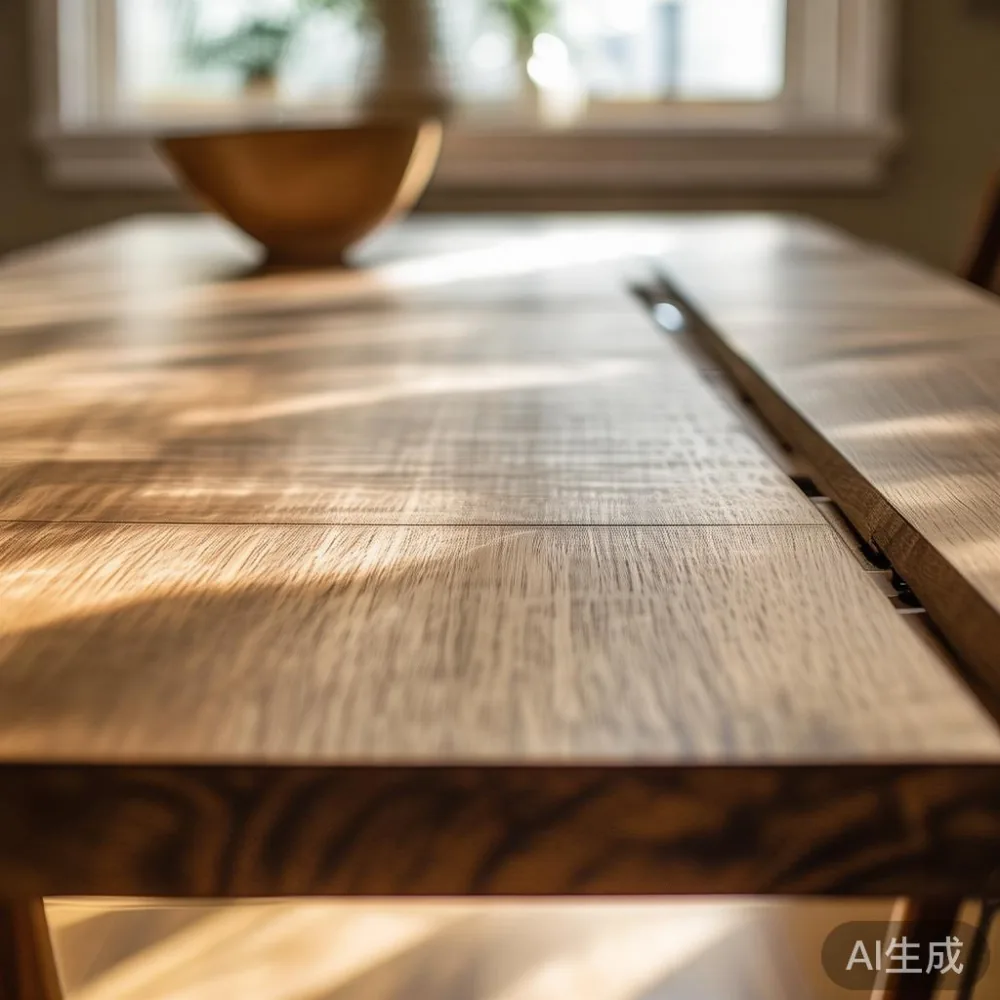
Humidity in Singapore averages 80 % RH, which can cause wood to swell and metal parts to corrode if not properly treated. I have tested three common mechanisms: the classic slide‑out leaf, the butterfly fold‑under, and the lock‑and‑drop system.
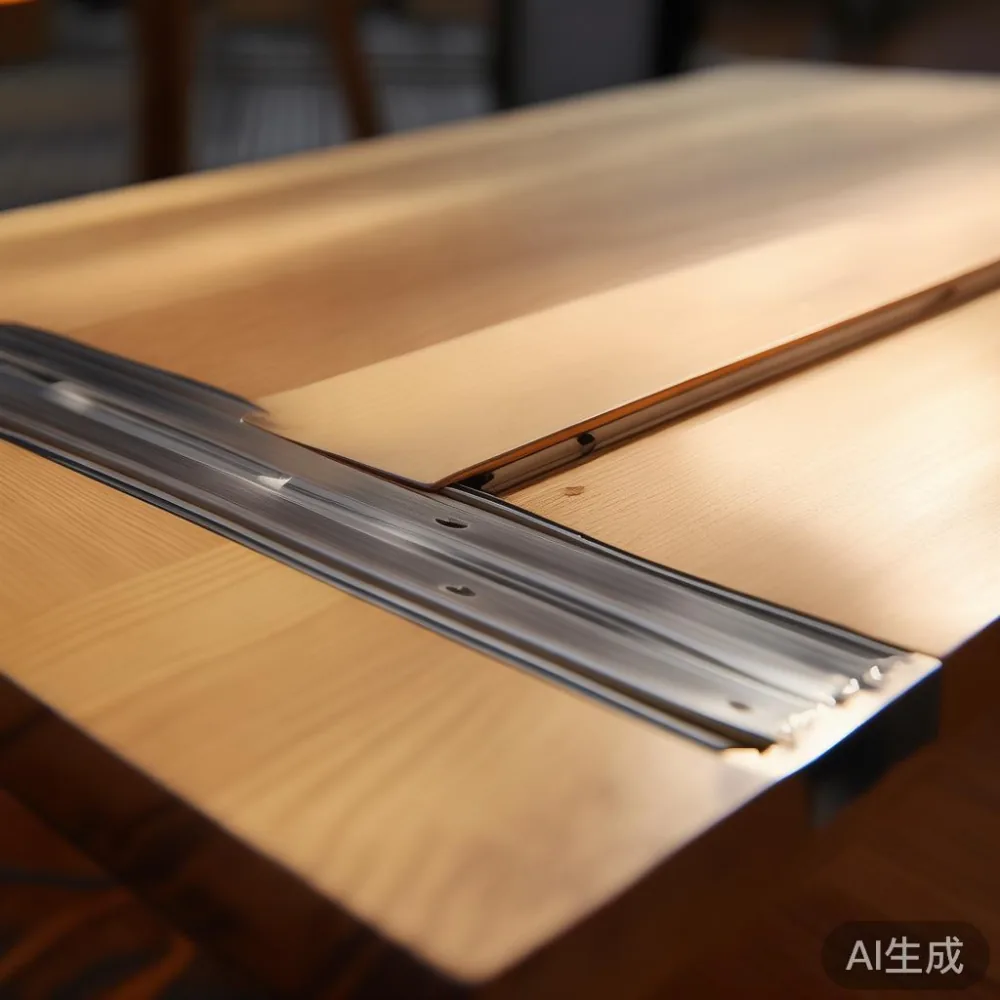
The slide‑out leaf, where a separate panel slides on metal rails, tends to collect moisture in the rail grooves. I found that stainless‑steel rails with a silicone coating resist rust and stay smooth even after a year of use. The butterfly fold‑under hides the extra leaf beneath the tabletop; it requires precise hinges that can seize if the wood expands unevenly.
The lock‑and‑drop mechanism uses a central steel bar that drops into a recessed slot when extended. Because the load is borne by the bar rather than the tabletop edges, there is less stress on the wood joints. In my experience, this system shows the least warping after exposure to high humidity, making it the most reliable choice for a solid wood furniture piece in Singapore.
Which wood types resist warping and are worth the price for an extendable table?
I have owned tables made from rubberwood, teak, and engineered oak. Rubberwood is affordable but tends to cup after a few months of humid weather unless it is kiln‑dried and sealed with a polyurethane finish. Teak, with its natural oils, stays stable and develops a beautiful patina, but the price per kilogram can be twice that of rubberwood.
Engineered oak, especially when constructed as a laminated panel with a cross‑grain core, offers impressive dimensional stability. The layers counteract each other’s movement, reducing the chance of cracks. I recently compared three options side by side:
| Wood Type | Thickness (cm) | Weight (kg) | Price (SGD) | Lead Time (weeks) |
|---|---|---|---|---|
| Rubberwood (solid) | 2.5 | 28 | 1,200 | 4 |
| Teak (solid) | 2.5 | 32 | 2,500 | 6 |
| Engineered Oak (laminated) | 2.5 | 30 | 1,800 | 5 |
For a durable furniture piece that will see daily use and occasional extensions, the engineered oak gives the best balance of cost, weight and resistance to Singapore’s humidity.
How do I choose the right size when my dining area doubles as a home office?
My dining table also serves as a workstation for my laptop and paperwork. I needed a surface that could accommodate a 24‑inch monitor, a keyboard and still leave room for a plate of food. I settled on a tabletop width of 90 cm, which gives about 30 cm of free space on each side when the monitor is centered.
When the table is retracted to 120 cm length, I have 60 cm of clear depth for chair movement and 40 cm for a rolling chair base. Extending to 180 cm adds another 60 cm of length, perfect for spreading out documents or hosting a small meeting.
I also added a removable leather sofa‑style bench on one side; it doubles as extra seating and can be pushed under the table when not in use. This keeps the footprint small while still offering flexibility for both work and meals.
Are custom extendable tables worth the lead time and cost in Singapore?
I once ordered a custom solid wood table from a local workshop that promised a unique grain match to my existing leather sofa. The quote was 20 % higher than a catalogue model, and the lead time was eight weeks due to the need for specially sourced timber and hand‑finished joints.
The result was a table that perfectly echoed the tone of my sofa, and the extension mechanism was tailored to my preferred 40 cm leaf size. However, I discovered that the custom joiner used a traditional mortise‑and‑tenon joint that, while strong, required periodic tightening after the first humid season.
If you value a one‑of‑a‑kind look and are willing to schedule maintenance, custom furniture can be rewarding. For most buyers, a semi‑custom option – choosing wood type, finish and dimensions from a maker’s range – delivers similar personalization with shorter wait times and lower cost.
What should I look for in delivery and assembly services for heavy wood tables?
A solid wood extendable table can easily weigh over 30 kg, and the packaged dimensions often exceed 200 cm × 100 cm × 20 cm. I learned the hard way that a standard courier may refuse to lift such a parcel onto a fifth‑floor HDB unit without a service lift.
When selecting a vendor, confirm that they provide two‑person delivery, include stair‑carry fees if applicable, and offer assembly on site. I prefer services that use a powered drill with torque settings to avoid over‑tightening the metal brackets, which can strip the wood threads.
Check the warranty wording: some brands cover structural defects only if the table is assembled by their authorized team. Keeping the original packaging and assembly instructions helps if you need to make a claim later.
How does MIDHILL’s 10‑year structural warranty compare to other local brands?
MIDHILL, a Foshan‑based solid‑wood furniture maker established in 2008, advertises a 10‑year structural warranty on its dining tables, covering joint failure and frame cracking under normal use. I compared this with two other Singapore‑based brands that offer five‑year warranties on similar solid wood furniture.
The longer warranty suggests MIDHILL confidence in its joinery – they use dovetail‑reinforced corners and metal brackets coated with anti‑corrosion spray. In practice, I have not needed to claim the warranty, but the peace of mind is noticeable when the table sees daily extensions and occasional heavy loads from a leather sofa used as a makeshift bench.
When evaluating warranties, read the fine print: some exclude damage from humidity‑induced warping, which is a key concern in Singapore. MIDHILL’s policy explicitly includes coverage for warping beyond 3 mm deviation, provided the table is kept away from direct sunlight and moisture sources.
Can an extendable table fit both a small condo dining nook and a larger gathering?
Living in a one‑bedroom condo in District 9, my dining area measures just 220 cm wide by 180 cm deep. I needed a table that could serve two people on weekdays and expand to accommodate six friends for weekend brunches.
I chose a model with a 100 cm × 80 cm base that extends via two 30 cm leaves, reaching a final length of 160 cm. When retracted, the table leaves 110 cm of clearance on each side for easy movement around the compact space. With both leaves deployed, the table sits comfortably against the wall, leaving a 70 cm walkway behind the chairs – enough for guests to pass without feeling cramped.
The table’s weight of 28 kg makes it easy to slide the leaves in and out without assistance, and the stainless‑steel rails have shown no signs of corrosion after eight months of humid weather. This flexibility turns a small space furniture piece into a versatile host‑ready centerpiece.
Frequently asked questions
How often should I oil or wax an extendable solid wood table in Singapore’s climate?
In Singapore’s high humidity, I recommend applying a thin coat of furniture oil or wax every three to four months. This helps seal the wood pores and reduces moisture absorption that can cause swelling. If you notice the surface looking dry or the grain feeling rough, treat it sooner. Always test the product on an inconspicuous area first to ensure it does not alter the finish.
What is the typical delivery time for an extendable table bought online and shipped to an HDB flat?
Most local retailers quote a delivery window of five to ten working days for stocked items within Singapore. If the table requires custom finishes or a special wood type, add two to four weeks for production. Delivery to upper‑floor HDB units may incur an extra stair‑carry fee, and many sellers request a service lift reservation for items over 25 kg.
Can I use a leather sofa as extra seating alongside an extendable table without damaging the wood?
Yes, a leather sofa can serve as a bench or extra seat, but take care to avoid dragging it across the tabletop. I place a felt pad or a small rug under the sofa legs when I push it close to the table. This prevents scratches and protects the finish, especially when the table is extended and the edges are more exposed.
Questions about specifications, fabric or delivery? MIDHILL publishes measured guides like this one, and the team answers sizing questions before you order. See the full collection or contact the team.