In real rooms
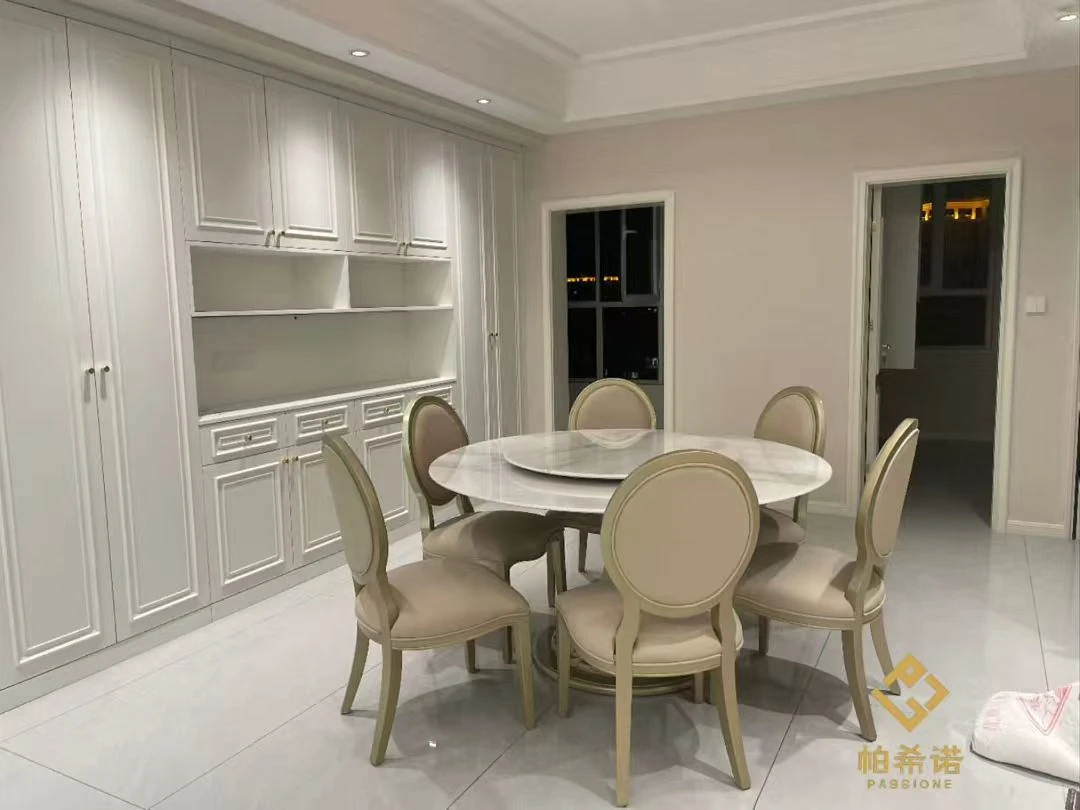
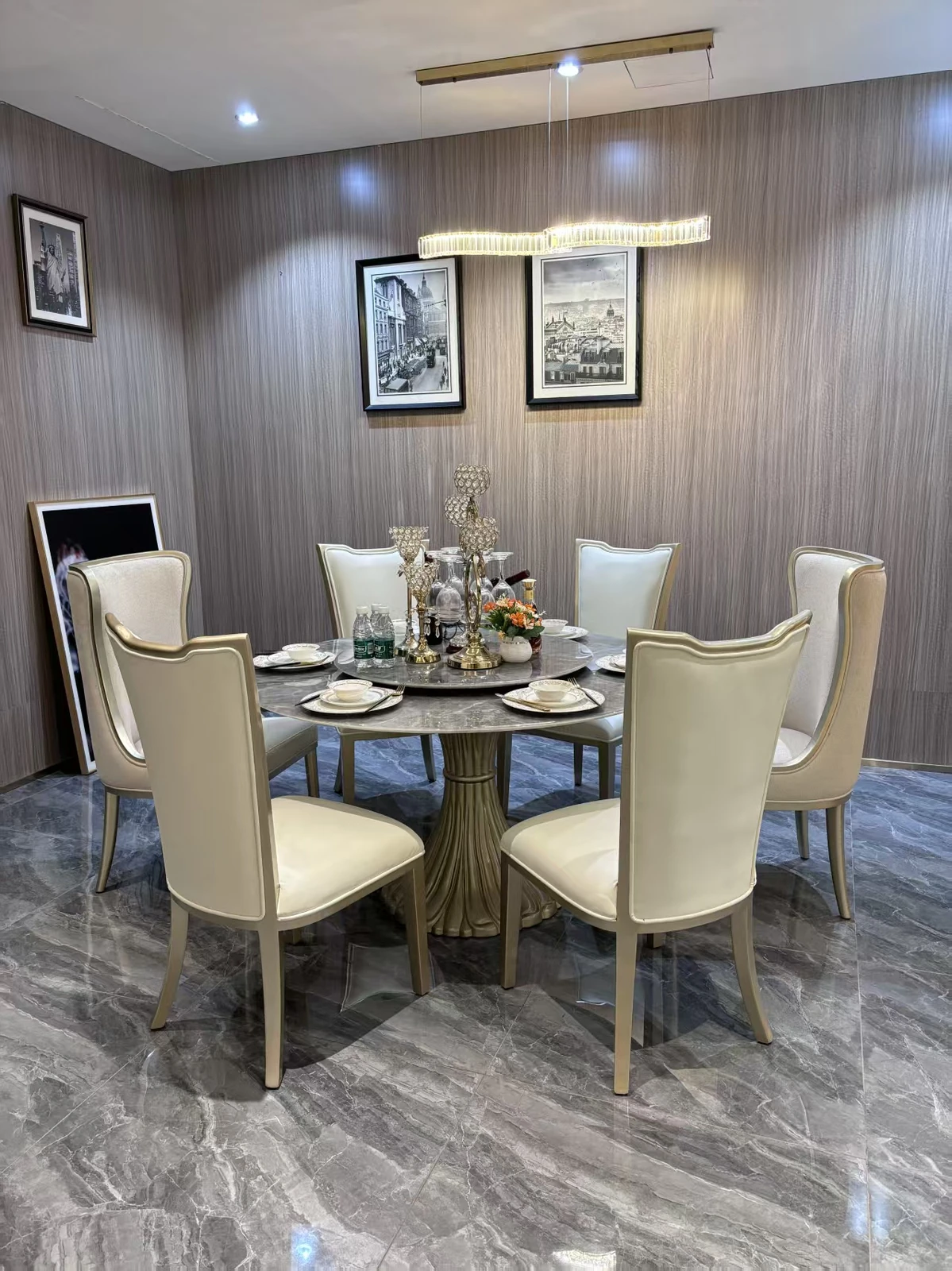
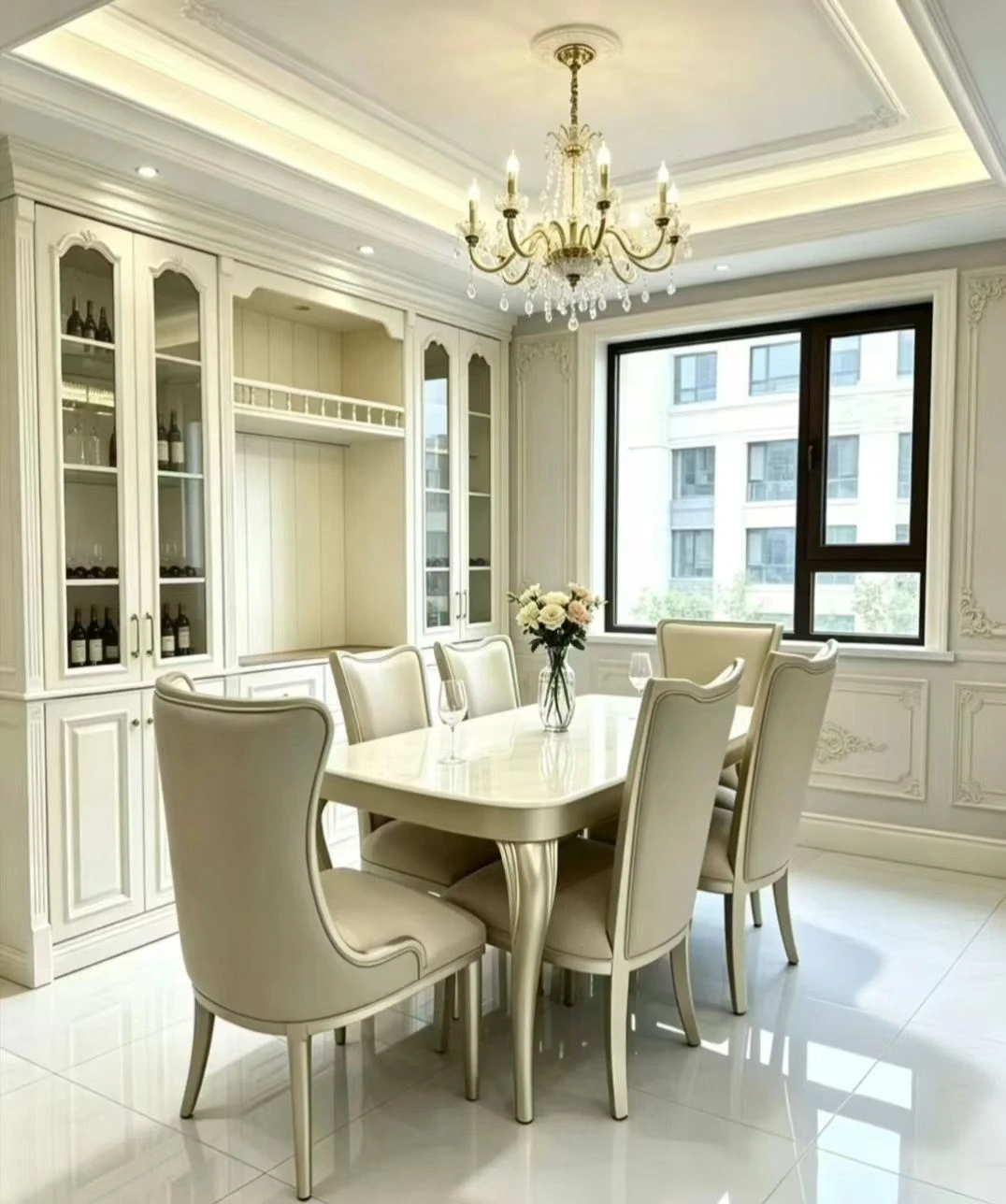
Your home deserves a table that adapts as effortlessly as your life does. Whether you're squeezing dinner for two into a studio HDB flat or hosting a full-blown Christmas feast for fifteen, the right extendable table bridges the gap between practicality and elegance.
Explore our curated articles below — each one tackling a real question we hear from homeowners, interior designers, and first-time buyers across the island. No fluff, just guidance that fits your space and your schedule.
Before shopping, measure your dining area's length, width, and height—leaving at least 90cm of clearance around the table for chair movement. Note doorway and corridor dimensions so the table (in either configuration) can actually reach your room. Compare extension mechanisms: butterfly leaves fold neatly underneath, while drop-leaf styles need more side space. Check how many people each configuration seats comfortably and whether the leaf is stored inside the table or separately. Ask the seller about material durability, especially in humid climates where wood can warp, and confirm the warranty covers the mechanism, not just the surface. Finally, request the exact extended dimensions, not just the seat count, to ensure it fits your space.
A quality extendable table starts with the material. Solid hardwoods like teak, oak, or acacia resist warping in humid Southeast Asian climates far better than engineered wood or particle board. The extension mechanism is where craftsmanship shows — look for double-glide metal runners with integrated ball bearings, not simple wooden sliders. The leaves should fit flush without wobble, and drawer-style mechanisms are generally more stable than drop-leaf hinges. Check that the tabletop has proper joinery: mortise-and-tenon or dovetail connections at the apron signal durability, while staples or glue-only fixes are red flags. Warning signs include grinding when sliding, visible gaps between extended sections, soft or hollow-sounding frames, and leaves that feel lighter than the main top — these all indicate cheap hardware that will fail within years.
Extendable dining tables are never one-size-fits-all across Southeast and East Asia. In Singapore, where HDB dining nooks measure barely two metres wide, buyers need a compact four-seater that stretches to six without blocking walkways. Malaysian terraced homes offer slightly more breathing room, allowing for tables that seat eight when extended. Japanese apartments demand ultra-compact solutions — low-profile extenders that tuck neatly into tatami corners. Korean households, despite compact apartment layouts, regularly host multi-generational meals, so a robust mechanism that reliably seats six to eight is essential. Meanwhile, Thai homes with open-plan living areas favour wider extensions suited for frequent entertaining, with styles that complement warm, natural materials. Understanding your space and hosting habits matters more than the extension mechanism alone.
Before ordering an extendable table, buyers most often want to know three things: exact dimensions in both closed and open states, seating capacity per configuration, and how much effort the mechanism requires. They ask whether the extension leaf sits perfectly flush or leaves a visible gap, whether two people or just one can operate it smoothly, and if the table fits through narrow HDB corridors, apartment stairwells, and elevator doors. Others want clarity on whether the finish stays consistent after repeated extension cycles and if the weight distribution remains stable at full length. The answer is simple: demand precise measurements for every configuration, confirm how the mechanism is rated for daily use, and verify that the extended top stays level with no wobble or dip in the joint.
Want the longer version? Browse all buying guides for this category.
Answers to what Singapore buyers ask most