Buying an Extendable Table Online in Singapore: Delivery, Assembly, and the Real Costs
Last month I visited a friend's new 4-room HDB flat in Punggol. She had ordered a beautiful extendable dining table from an overseas brand, and we spent the better part of a Saturday afternoon trying to get it up the corridor. The carton measured 218 cm long, the lift opening was only 90 cm wide on the diagonal, and the table base weighed 48 kg. The two-man delivery crew scratched the lift wall, refused to carry the box past the lift threshold, and left. That single afternoon taught me more about online furniture shopping in Singapore than any product page ever has.
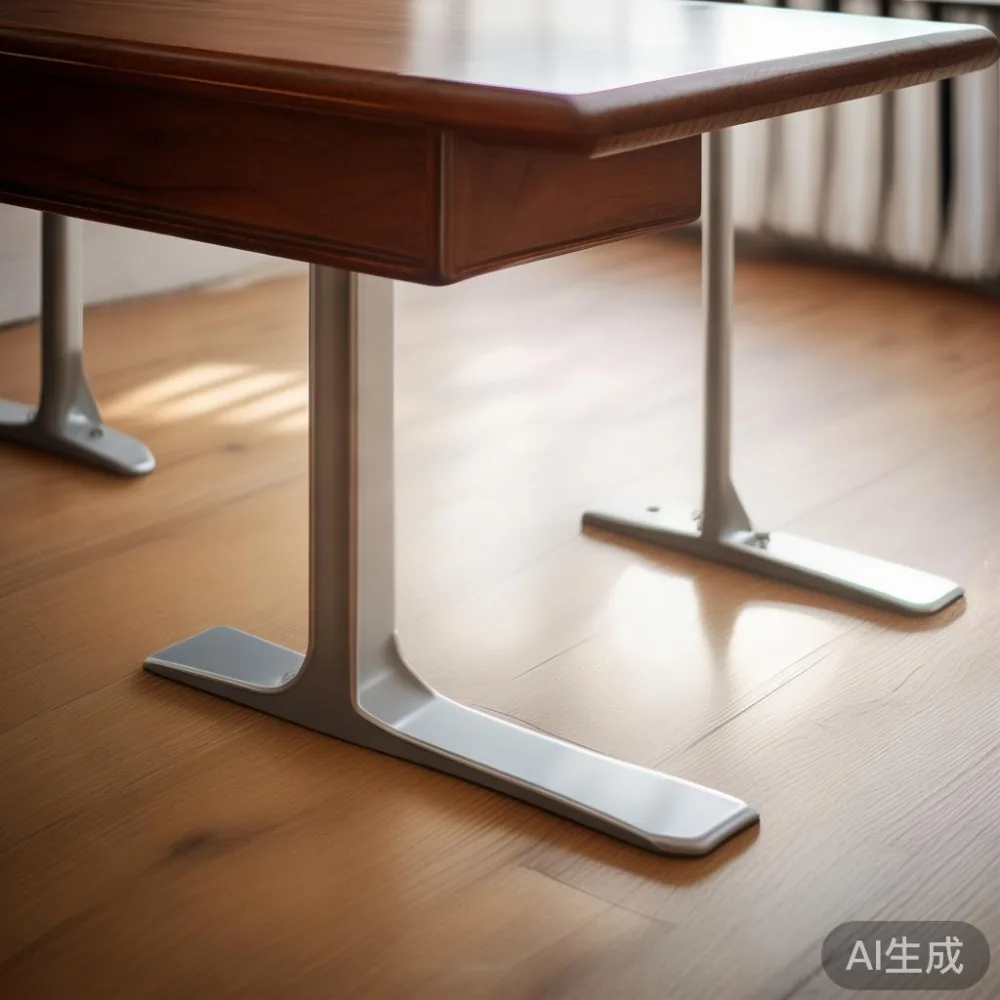
Extendable tables are a brilliant solution for HDB and condo living. A 120 cm table seats four comfortably for weeknight dinners, and the same table extends to 180 cm or 200 cm when parents or friends visit. The challenge is not the design. The challenge is everything that happens between "checkout" and "cutting the celebratory cake on your new table." Below is a practical, numbers-first guide to delivery, assembly, and the small print that actually matters in Singapore, with side notes on how a Foshan-based maker such as MIDHILL approaches the same problems.
How wide is a typical lift in a Singapore HDB, and will my table fit?
Most HDB lift cabins measure roughly 1.1 m wide by 1.4 m deep, with door openings around 0.8 m to 0.9 m. Newer BTOs in Tampines and Punggol sometimes have wider cabins (up to 1.3 m), but corridors in older blocks in Bedok and Toa Payoh can be as narrow as 1.05 m with 90-degree turns. A solid wood extendable table with both leaves removed and the legs detached usually comes in a carton of 110 to 130 cm long, 75 to 85 cm wide, and 18 to 25 cm thick, and this size slips through a standard HDB lift door without tilting. The problem starts when the table ships fully assembled to protect the extension mechanism, or when the carton is over 200 cm long because the legs and apron are packed in the same box.
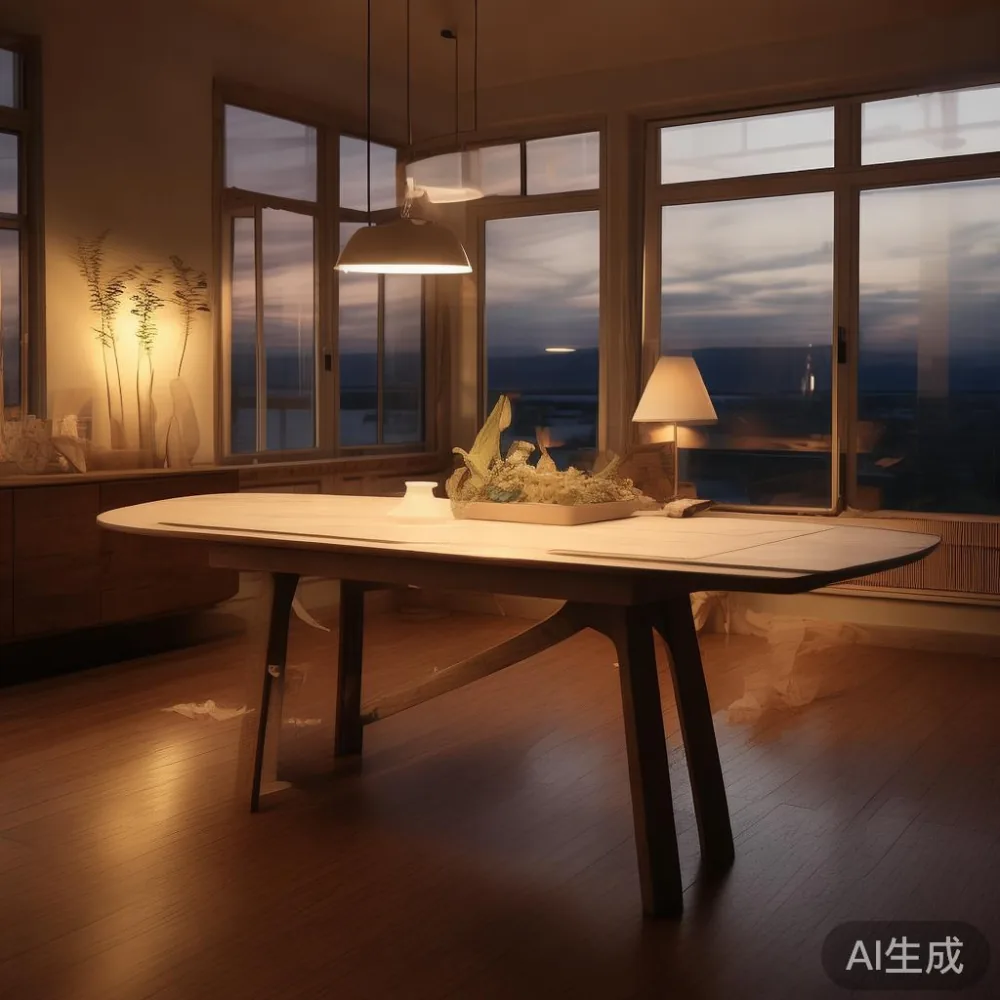
Before you order, ask the seller for the packed dimensions in centimetres, not "standard packaging." If the box exceeds 200 cm in any direction, plan for a stair carry or a dedicated delivery slot. MIDHILL, for example, packs extendable tables with the legs removed and the butterfly leaf stored flat under the tabletop, which keeps the longest dimension at roughly 165 cm for a 6-to-8 seater, well within HDB lift limits.
How long does delivery take from China to a Singapore address?
From Foshan to Singapore, sea freight takes 7 to 12 days door-to-port, plus 3 to 5 days for customs clearance and last-mile delivery to your home. Allow 14 to 20 working days for a standard order. Air freight is faster at 5 to 8 days but adds roughly S$180 to S$400 per cubic metre, which on a 0.6 cbm table adds about S$300 to your landed cost. Some brands quote "12-day delivery" but that is the shipping leg only, not the full pipeline. Always confirm whether the timeline includes production, peak-season delays around Chinese New Year (Feb 2026 falls on 17 February, and most Foshan factories close for 10 to 14 days), and GST clearance.
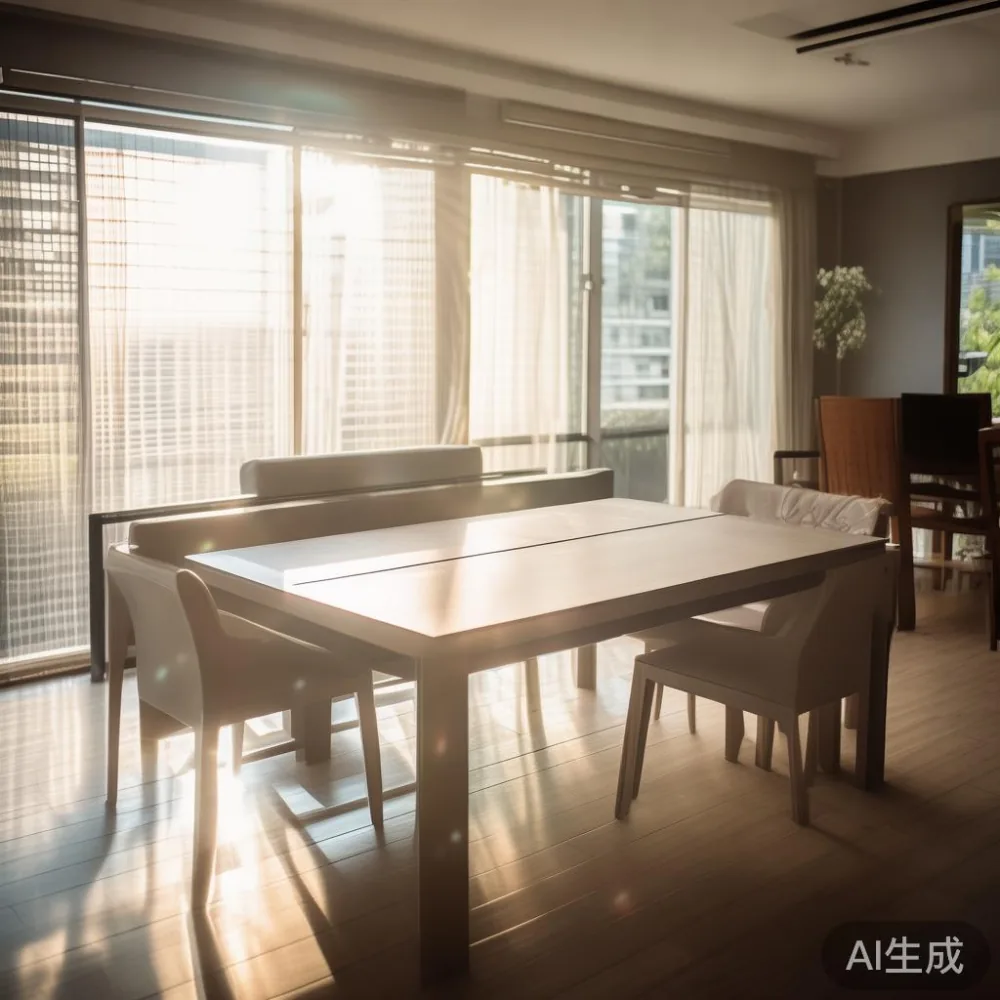
For reference, a Foshan maker exporting to 15+ countries will typically hold small-batch stock in a regional warehouse. If the seller cannot tell you which leg of the journey takes how long, treat the delivery date as a guess.
What does assembly actually involve for a solid wood extendable table?
A well-engineered extendable table from a light luxury maker should arrive with the tabletop, two or four legs, a centre beam or apron, the extension leaf or leaves, and a hardware pack containing 6 to 8 bolts, 4 corner braces, and 2 plastic glides. Budget 45 to 90 minutes for two adults working with a hex key, a rubber mallet, and a spirit level. Tools required: 4 mm and 5 mm Allen keys (usually included), a Phillips screwdriver, and a phone to record a video of the assembly instructions, because paper manuals get left in the box and lost forever.
The common failure points are: (1) the cross-beam is fitted upside down, which makes the extension rails bind, (2) the leg bolts are over-tightened and split the wooden threaded insert, and (3) the table is not levelled on the slightly uneven tile floors common in HDB flats, which over six months causes the extension mechanism to drift. Use the included felt pads or adjustable glides, and never drag a 60 kg table across porcelain tile. Lift, walk, set down. MIDHILL ships extendable tables with a 10-year structural warranty precisely because the joinery is the part that ages first, and the warranty covers loosening of leg-to-rail connections, rail stiffness, and warping above 5 mm across the tabletop.
Is a 9% GST charged on imported furniture, and who pays it?
Yes. Since 1 January 2023, GST is charged on all goods imported into Singapore regardless of value, and the importer of record pays it. For a Foshan-to-Singapore shipment, GST is typically 9% of the CIF value (cost + insurance + freight). On a S$1,800 table with S$220 shipping, expect about S$182 in GST, so the landed cost is around S$2,202. The seller either bills this upfront as a "GST-inclusive" price, or you pay it to the courier on delivery. Ask the brand which model they use, because surprise courier collections are one of the top complaints in Singapore furniture forums.
Some mid-size makers absorb GST into the listed price and treat it as a customer-service cost. That transparency is worth a small premium if you are budgeting tightly.
How do I style a Italian light luxury furniture in a small apartment?
Stick to one hero piece per room, keep the palette to three tones, and let negative space do the work. A 140 cm extendable table in walnut or ash pairs with slim-profile dining chairs for small living room layouts, because the chair seat height of 45 cm and a 4 cm-deep seat cushion keep the sightlines open. For a 90 sqm Punggol BTO, place the table against a wall in its compact 140 cm form, hang a 90 cm round mirror opposite the window to bounce light, and use two 35 cm-wide bouclé accent chairs on the short ends so the table still extends to 200 cm without the chairs needing to be moved.
Italian light luxury in a compact Asian apartment is less about gold trim and more about proportion. Choose solid wood with a matte finish, avoid high-gloss lacquer that shows fingerprints at 30 cm, and select a marble table or marble-look sintered stone side table (around 50 cm diameter) for vertical interest rather than horizontal bulk. Coordinate the bed frame in a similar walnut tone so the eye reads the apartment as one composition, and let the wardrobe and nightstand sit in a slightly cooler oak to create depth without contrast.
What should I check on the warranty and return policy before I pay?
Read three numbers: the structural warranty length, the return window in days, and the threshold for free shipping. A 10-year structural warranty on a solid wood dining table covers the joinery and the wood itself against cracking and warping under normal use; it does not cover surface scratches, sun fading, or water rings. Lifetime refinishing is a quiet superpower, because a sand-and-recoat at year eight brings the table back to 90% of its original look for a small service fee (typically S$120 to S$250, including return logistics from Singapore to the workshop in China).
Returns are where the friction lives. A 14-day return window only works if the table can be repacked in the original carton, and a 60 kg box that was barely carried into your flat is not fun to repack and send back. Confirm the return shipping cost: in Singapore, a courier returning a 0.5 cbm carton to a consolidation warehouse in Jurong costs about S$90 to S$140, and the brand either refunds the item price only or the full landed cost. MIDHILL's policy of 14-day returns combined with free shipping over US$350 (about S$480) means most Singapore orders qualify for free outbound delivery, and the return shipping is capped at a reasonable rate that the support team quotes before you commit.
How can I tell if a solid wood extendable table is actually solid wood?
Three quick checks. First, the weight: a 160 cm solid wood table with two leaves weighs 55 to 75 kg. Anything under 35 kg is almost certainly veneer over MDF or plywood. Second, the grain pattern on the underside should mirror the top, and end-grain on the leaf edges should show growth rings, not a uniform compressed-fibre texture. Third, ask for the wood species, moisture content at the time of kiln-drying (should be 8% to 12%), and whether the extension rails are metal or wooden. Metal rails on a ball-bearing glide last 15+ years; wooden dowel runners start to stick within five.
A light luxury dining table in the post-modern light luxury style often combines a solid ash or oak top with a powder-coated steel cross-beam. This is a legitimate engineered solution, not a downgrade, because the steel handles the structural load and the wood handles the aesthetic. What you want to avoid is hollow-core MDF dressed up with a 0.6 mm walnut veneer, sold as "wooden table." The price is the giveaway: real solid wood extendable tables in the 140 to 200 cm range land between S$1,400 and S$3,200 SGD inclusive of GST and delivery, and anything under S$900 should be approached with a moisture meter and a sceptical eye.
What about the smaller pieces in the same order?
Most Singapore buyers who order an extendable table end up adding a solid wood sofa frame, a bed frame, a wardrobe, and a nightstand to the same shipment, because the marginal shipping cost per cubic metre drops as the order volume rises. A 7 cbm container-share consolidation from Foshan runs about S$280 per cbm, so a combined order of a 0.6 cbm table, a 0.4 cbm nightstand, a 1.2 cbm wardrobe in flat-pack form, and a 0.9 cbm bed frame costs roughly S$870 in shipping, compared to S$1,200 if shipped separately. The math rewards one big order placed carefully, with measurements taken twice and a single delivery date that you block out the whole day for.
That same principle is why brands with a wider light luxury catalogue, from extendable dining tables to upholstered solid wood sofas, tend to offer smoother Singapore delivery. Fewer shipments, fewer customs entries, fewer chances for a carton to be delayed in a Jurong warehouse over the long weekend.
Are there hidden costs I should budget for?
Yes, four. (1) GST at 9% of CIF. (2) Customs clearance fee of about S$45 to S$80 per shipment if the seller does not prepay it. (3) Lift and corridor protection: if you live above the 10th floor and the service lift is on a booking system, you may pay S$30 to S$60 for a delivery slot. (4) Disposal of the carton: a 0.6 cbm cardboard box is awkward to carry down to the HDB recycling chute, and some buyers simply cut it flat and leave it for the town council bulky-item collection on the following Monday. Budget an extra 12% to 15% on top of the table price for a realistic all-in landed figure in your HDB.
Where should I place the table to make the room feel bigger?
Near the window, on the longest wall, and at least 90 cm away from the kitchen door swing. In a typical HDB living-dining combined area of 18 to 22 sqm, a 140 cm extendable table positioned with the long edge against the wall leaves 110 cm of walkway behind the chairs, which is enough for two people to pass each other without turning sideways. Avoid placing the table in the middle of the room unless your flat is a 1,200 sqft condo in the Riviere or a similar new launch; in an HDB, a centre-placed table eats walking space and visually shrinks the room.
Hang a pendant light 70 cm above the extended table, at a total height of 155 cm from the floor for a 2.8 m ceiling. A 60 cm drum shade or a 50 cm linear pendant for rectangular tables keeps the light focused on the surface rather than the surrounding clutter, which is the easiest light luxury trick in a small apartment.
A short checklist before you click pay
Confirm the packed dimensions in cm and compare to your lift door width. Confirm the delivery timeline in working days and ask whether Chinese New Year closures are factored in. Confirm the GST treatment, the return shipping cost, and the warranty coverage on joinery. Ask for a photo of the actual carton label so you can see the gross weight in kg. And finally, measure your corridor, your service lift, and the turn into your front door; a 5 cm clearance error has been the undoing of many a Singapore furniture delivery.
An extendable table is the kind of piece you will use every day for the next 10 to 15 years, so a little planning on the front end saves a Saturday afternoon of frustration on the back end. Buy once, buy solid, and the table will outlast three sofa frames, two sets of dining chairs for small living room layouts, and at least one round of HDB renovation.