Caring for a Lacquered Extendable Table in Singapore's Tropical Climate
I spent last Saturday afternoon at a customer's place in Tampines, a 95 sqm four-room HDB flat on the 12th storey, watching her wipe down a lacquered extendable table with a damp microfibre cloth while the ceiling fan ticked overhead. The humidity that day read 84 percent on her little weather station, and she told me this was the third time she had cleaned the surface that week. That scene captures the central challenge of owning a high-gloss lacquered piece in Singapore: our heat, our afternoon thunderstorms, our air-conditioning cycles all push and pull on a wood finish that has nowhere to hide. A solid wood extendable table is a long-term purchase, and the lacquer is what protects the oak or ash underneath from ring marks, soy sauce splashes, and the constant moisture in the air. Treat it well, and the finish will look as polished in 2035 as it did on delivery day.
Why Singapore's climate is unusually hard on lacquer
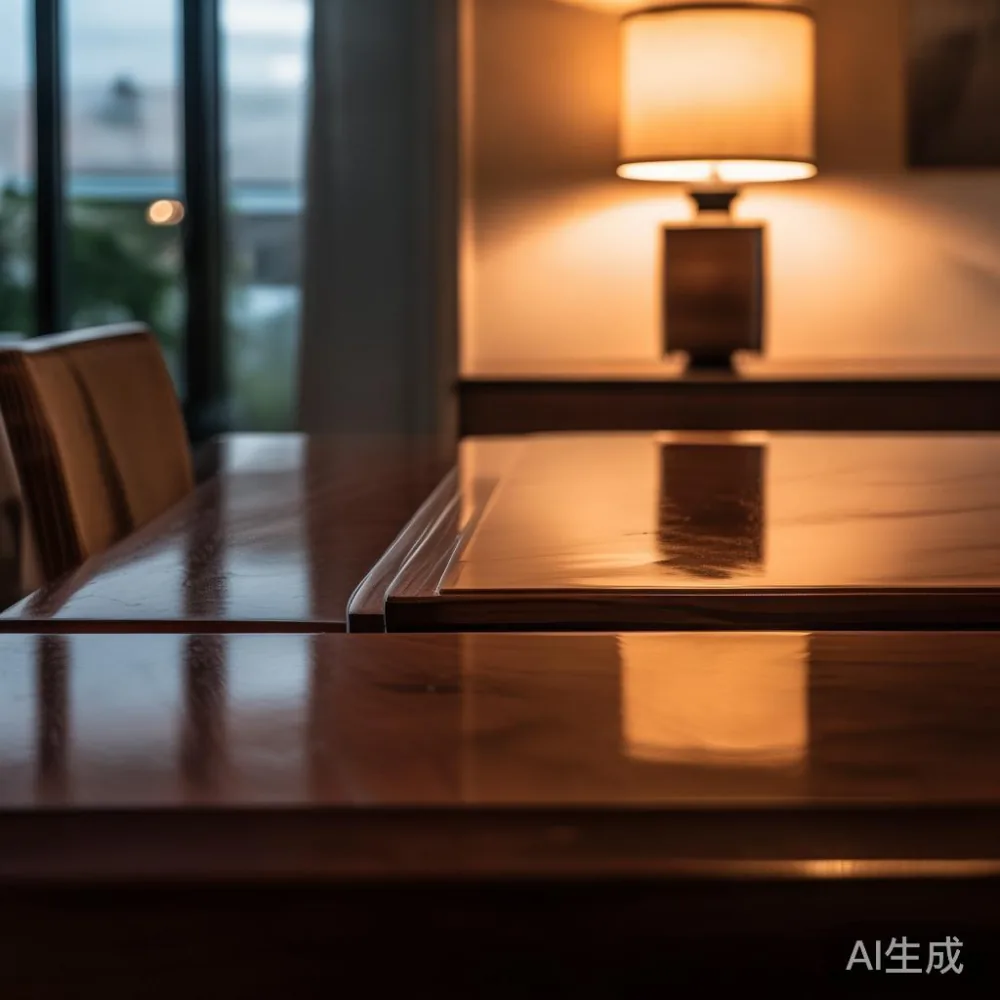
Singapore sits one degree north of the equator. Average relative humidity runs between 70 and 90 percent for most of the year, peaking at night and during the monsoon months from November through January. Indoor temperatures in a HDB flat that is not air-conditioned for eight hours can climb to 31°C, and the dew point often sits only 4°C below the air temperature, which means a glass of cold water left on a lacquered extendable table will leave condensation within minutes. Lacquer, whether it is a conversion varnish, a pre-catalysed lacquer, or a hand-rubbed polyurethane, behaves like a thin plastic skin stretched over the wood. When humidity rises, the wood swells; when air-conditioning kicks in and the room drops to 23°C, the wood shrinks. The lacquer has to flex with every cycle. Over time, micro-cracks form at the joints, around the butterfly leaves, and along the apron of an extendable dining table. Sunlight adds another layer of stress. West-facing windows in Punggol condos can deliver direct afternoon sun with UV readings above 7 on the index. UV breaks down the resin binders in lacquer, leaving a chalky, dull patch in the centre of the table where you usually place a fruit bowl.
What should I actually use to wipe a lacquered extendable table?
Use a damp, well-wrung microfibre cloth with a tiny drop of pH-neutral dish soap, then dry the surface immediately with a second clean cloth. Skip furniture polish that contains silicone, skip wax, and skip anything with ammonia or vinegar. The single bottle of care product most Singapore households need is a 250 ml bottle of pH-neutral wood cleaner, which retails at about SGD 18 to SGD 28 at Tan Boon Liat or HipVan. Apply it once a week if you use the table daily, or once a fortnight for a Sunday-only dining set. After every meal, a 30-second wipe with a barely damp cloth removes oils, chilli residue, and the acidic film left by calamansi juice before it can etch the lacquer.
How do I choose a wardrobe sg for a condo?
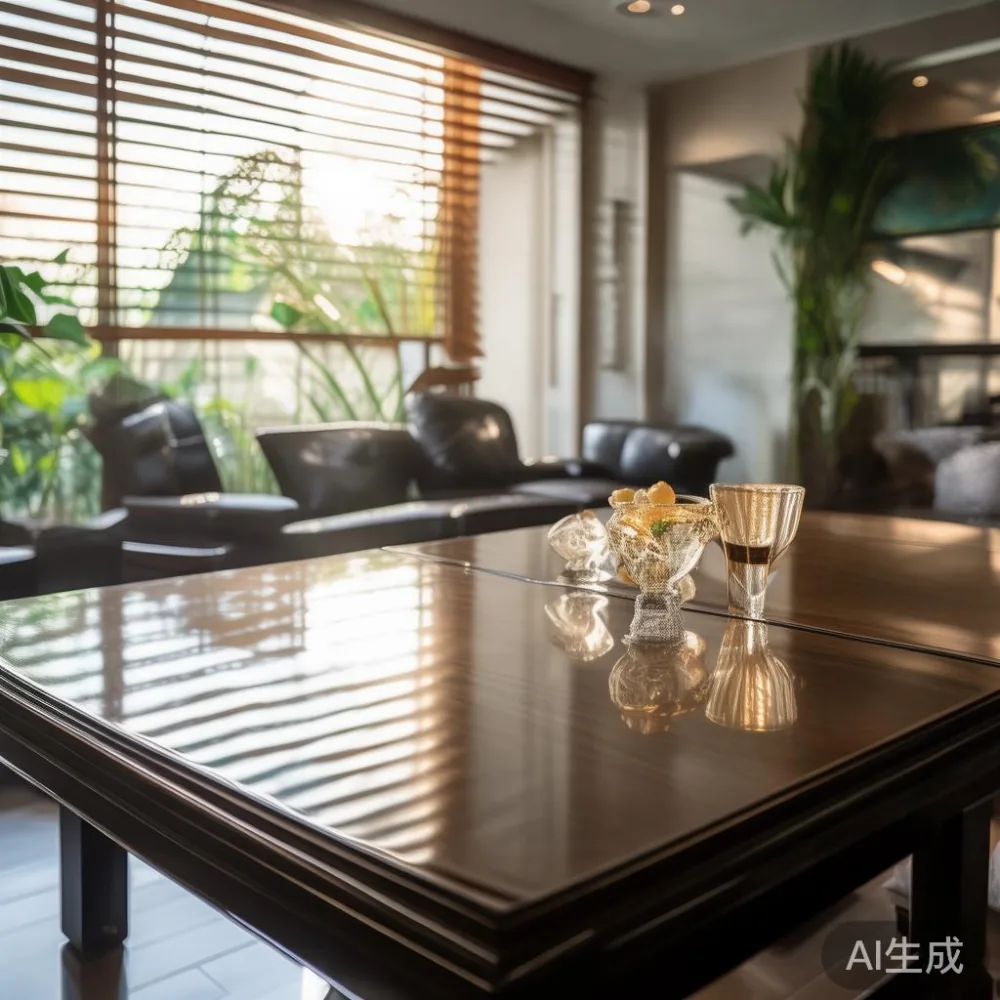
Measure the wall depth between the wardrobe face and the door swing arc, then subtract 6 cm for hinges, 4 cm for skirting clearance, and 2 cm for the air gap that prevents mould on the back panel, before picking any size. In most new BTOs and resale condos across Bedok, Toa Payoh, and the OCR districts, that working depth lands between 55 and 60 cm, which is the sweet spot for a 2-door wardrobe without crowding the corridor. Lift access is the second gatekeeper: standard passenger lifts in HDB blocks have an internal cabin of about 1.1 m by 1.4 m and a door opening of 0.9 m wide, so any wardrobe panel longer than 2.1 m must be built in two halves that bolt together on site. Midhill's solid wood wardrobes are designed for that delivery reality, with split-back options and a lifetime refinishing promise that fits the way Singapore homes actually receive furniture. If your condo has a service lift, measure the door height: many are 2.0 m, which rules out a single-piece top crown above 1.95 m.
Day-to-day habits that protect the lacquer film
Coasters matter. A lacquered extendable table will survive a hotpot night if you set the induction cooker on a 4 mm silicone mat and keep the steam directed away from the apron. Felt pads under every placemat stop micro-scratches from ceramic dinnerware; the SGDS-grade felt circles from Daiso at SGD 2.50 a pack last about six months before they need replacing. Coasters made of cork or sandstone absorb condensation better than glass. Rotate the table's centrepiece once a month so the same patch of wood is not sitting in permanent shade from a vase; this prevents the uneven yellowing that happens when UV hits only the outer 40 cm of the surface. For the modular dining chair for balcony that shares the same open-plan space, the same rules apply: a wipe-down after a kopi-O spill is faster than a refinishing job.
Dealing with humidity without ruining the wood
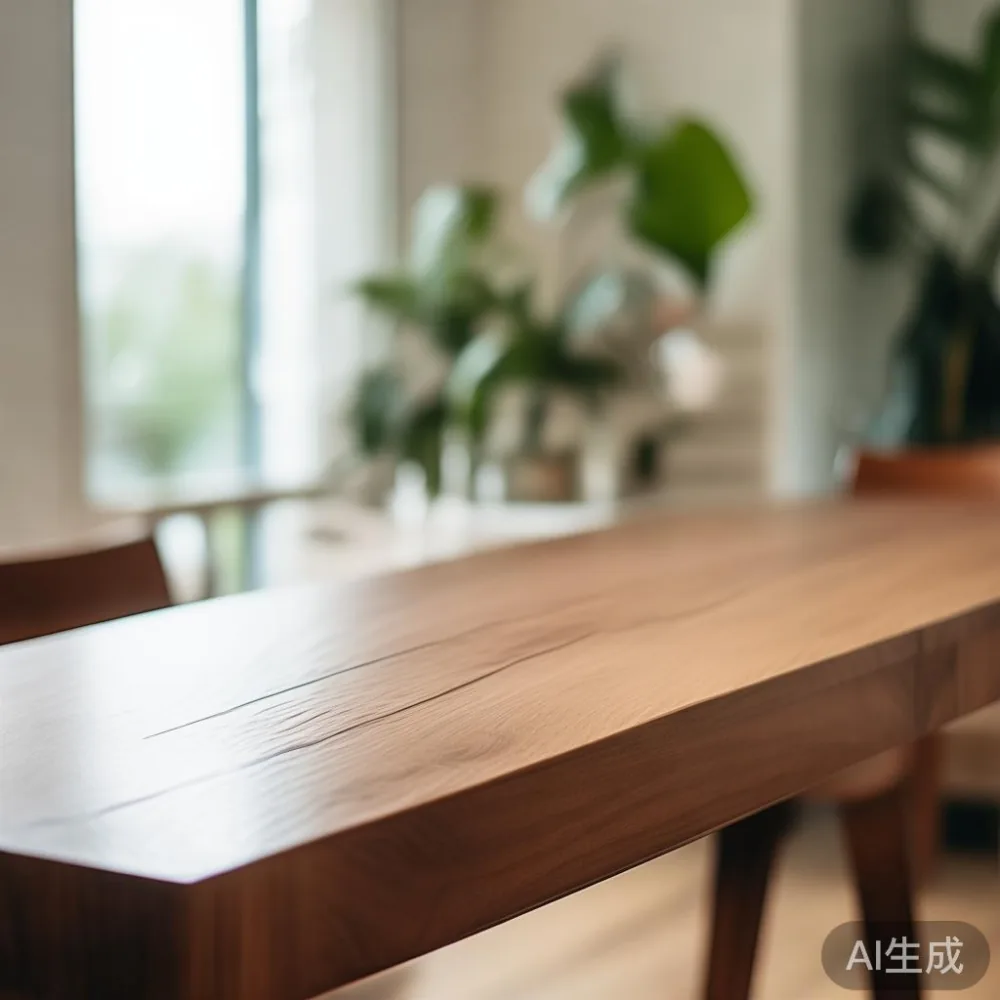
Target a stable indoor range of 22 to 26°C and 50 to 60 percent relative humidity. A SGD 45 hygrometer from Challenger or a SGD 90 digital unit from Taobao tells you when to act. When the reading climbs past 65 percent for more than 48 hours, run a 10-litre desiccant dehumidifier in the dining zone for four to six hours; the rechargeable silica tubs at SGD 22 each are a quieter option for bedrooms. Never park the extendable table against an external wall that sweats during the monsoon. Keep a 10 cm gap behind the table so air circulates, and avoid pushing it flush against a wardrobe side panel where two surfaces trap moisture. If your dining area opens onto a service yard, close the sliding door during heavy rain. The lacquer film is waterproof, but the end grain inside the extension rails is not sealed, and swelling here is what causes the extension mechanism to stiffen after two or three wet seasons.
Sun, windows, and where the table actually lives
UV is the silent killer of lacquer. A 3 percent UV-blocking window film at SGD 28 per running foot, professionally installed for about SGD 120 per square metre, cuts the damaging wavelengths by roughly 90 percent and pays for itself inside two years of avoided refinishing. If you cannot film the window, position the extendable table at least 1.5 m away from it, or rotate the extension leaf so the most-used section sits in the shaded half of the room. Sheer curtains in the 200 to 300 gsm range from IKEA Tampines cost about SGD 59 a panel and drop the UV exposure by half without darkening the room. Solid wood bed frames, marble tables, and nightstands in the same room suffer from the same UV exposure, so plan window treatments room-wide rather than piece by piece.
Small repairs you can do at home in 20 minutes
A white heat ring from a hot rice bowl comes out with a pea-sized dab of non-gel toothpaste on a soft cloth, rubbed in circles for 30 seconds, then wiped clean and buffed dry. Light scratches disappear under a drop of walnut meat rubbed across the grain. For deeper scuffs, a lacquer repair pen matched to your finish (Midhill ships a touch-up kit with every dining table for about SGD 25 if you ask) fills the line in two thin coats. Anything beyond a 2 mm gouge should be left to a refinisher; the cost in Singapore for an in-home spot repair on an extendable table is around SGD 180 to SGD 280, which is far cheaper than a full respray. The extension mechanism itself benefits from a single drop of food-grade silicone oil on each glide rail every six months; do not use WD-40, which leaves an oily film that traps dust.
How often should a lacquered table be refinished in the tropics?
For a household that uses the table four to seven nights a week, plan a professional inspection every three years and a full refinish every six to eight years. A lighter household that treats the table as a Sunday-dinner piece can stretch the cycle to ten years. The cost of a full strip, sand, stain match, and re-lacquer in Singapore runs SGD 480 to SGD 720 for a six-seater extendable table and SGD 650 to SGD 950 for an eight-seater with two leaves. The price includes on-site work, masking of the surrounding floor, and a 24-hour cure time during which the room must stay dust-free. Midhill's lifetime refinishing service covers collection from any mainland Singapore address, a full factory respray, and return delivery inside seven working days, with the customer paying only the courier fee of SGD 90 each way. Compared with replacing the table, refinishing at year nine keeps about 85 percent of the original material out of the waste stream.
Choosing the right lacquer in the first place
If you are still shopping, ask which lacquer system the maker uses. Conversion varnish and pre-catalysed lacquer outperform polyurethane on moisture resistance and cure harder, which matters for an extendable table that is opened and closed twice a week. Water-based acrylic lacquers have improved since 2018 and now offer a softer, almost wax-like sheen that suits French light luxury interiors with linen-upholstered solid wood sofas and Travertine marble tables. Hand-rubbed shellac looks gorgeous under rattan pendants in a Peranakan-inspired dining room, but it is the least moisture-tolerant of the common finishes and will need a top-up coat every two to three years. Ask for the technical data sheet; a serious workshop will send a PDF the same day with the gloss level measured in 60-degree sheen units and the chemical resistance rated against coffee, red wine, and lemon juice for 16-hour contact.
Delivery and setup logistics for a HDB or condo
An extendable dining table in solid wood weighs between 65 kg for a four-seater and 110 kg for an eight-seater with two leaves. Most HDB corridors in Tampines and Bedok are 1.2 m wide, with a lift door of 0.9 m and an internal cabin of 1.4 m by 1.7 m, so a fully assembled table will not fit. Confirm that the order ships in two cartons: the top plus leaves in one, and the base in another. Midhill packs every extendable table that way, with the extension rails pre-fitted and the leaves numbered, which cuts on-site assembly from 90 minutes to about 25 minutes with a single Allen key. Free shipping over US$350 covers Singapore mainland, Sentosa, and the OCR condos, with delivery lead times of 18 to 28 days from order to doorstep and a 14-day return window for any change of mind.
Reading the warranty in plain English
A 10-year structural warranty means the joints, the extension mechanism, and the frame will not fail under normal household use. It does not cover finish wear, surface scratches, or colour change from sunlight. Lifetime refinishing is the comfort layer that protects your investment past the warranty window, because every lacquered surface eventually needs a fresh coat. Reading the small print takes ten minutes and saves a hundred phone calls later. Store the manual, the touch-up kit, and the original swatch in a clear sleeve taped to the back of the wardrobe so the next homeowner inherits the same care habits and the same warranty.
Quick reference care card
Wipe daily with a barely damp microfibre cloth. Clean weekly with pH-neutral soap and a second dry cloth. Keep humidity between 50 and 60 percent. Use coasters, placemats, and felt pads. Park the table 1.5 m from west-facing windows or film the glass. Inspect the lacquer once a year under a torch at a raking angle to catch early micro-cracks. Refinish every six to eight years through a workshop that offers on-site collection, factory respray, and a written cure-time guarantee. Follow this rhythm and the extendable table that hosts your children's tuition dinners today will still be holding reunion steamboat nights for them in 2042.