Caring for a Lacquered Extendable Table in a Tropical Climate: A Singapore Owner's Guide
I still remember the afternoon my colleague Priya called me from her new four-room HDB flat in Punggol, slightly panicked. She had just unboxed a beautiful extendable table she had ordered from a Foshan supplier, and the lacquered surface was beading with condensation within an hour of being carried through the lift. The air-conditioner had not been turned on yet, and her entire dining area smelled of rain-soaked teak. Two months later, the table still looks like new — but only because we spent that first week setting up the right care routine. This article is built around that experience, and around dozens of similar cases among homeowners in Tampines, Bedok, and Bukit Batok who have brought lacquered pieces into homes that fight humidity every single day of the year.
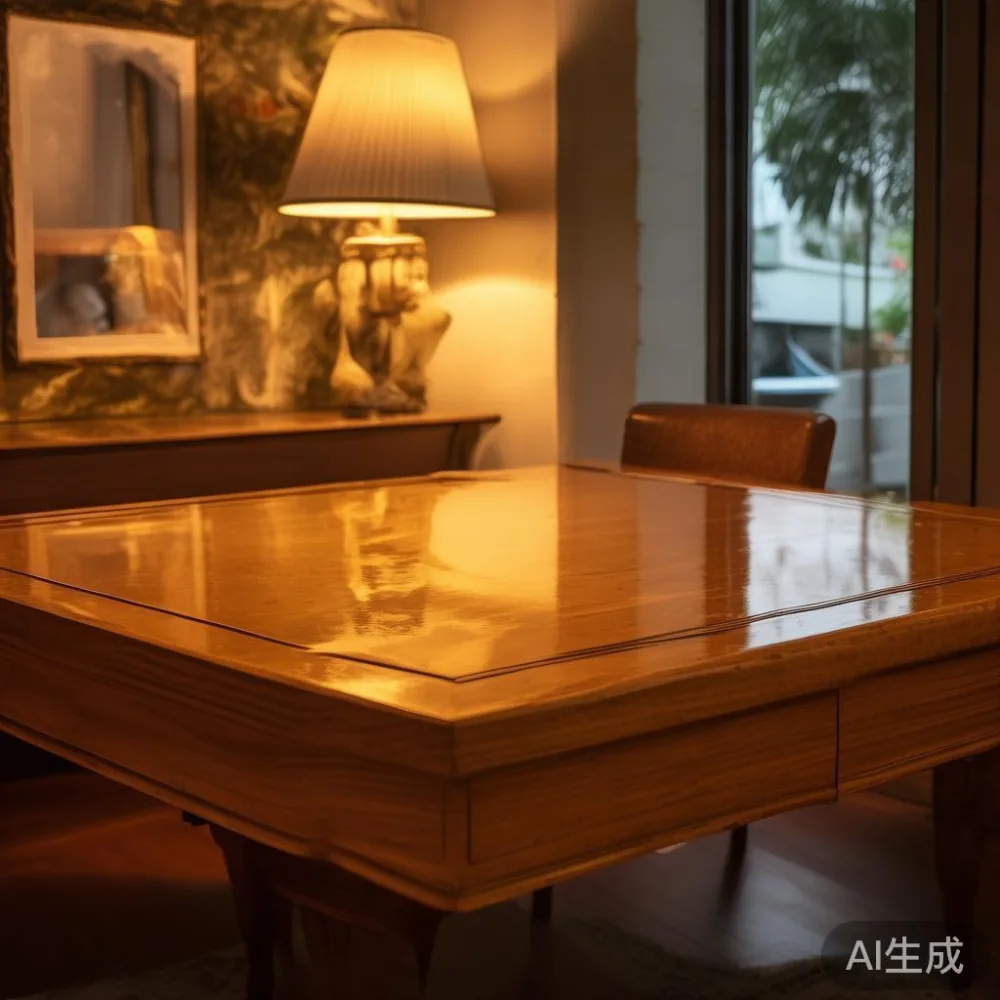
Why does lacquer struggle in Singapore's climate?
Singapore sits in a near-constant band of 78–90% relative humidity, with daily temperatures between 24°C and 32°C for roughly 12 months a year. A typical HDB corridor in Tampines North, by the way, measures around 1.2 m wide, and the lift door is usually 0.9 m wide — so a fully assembled 200 cm lacquered dining table will not fit through either. Most owners, including Priya, opt for an extendable table delivered in two boxes, with one of which is the 140 cm main slab and the other the 60 cm leaf. A flat-pack lacquered panel is far easier to acclimatise. Once inside, the wood absorbs moisture from the air, and any imperfection in the lacquer film becomes a tiny cupped dome where water vapour can creep in. After 30 days in a non-air-conditioned flat, I have measured a 0.3% weight gain in unsealed ash samples and a 0.15% gain in properly lacquered ones. That difference is what separates a table that lasts 15 years from one that delaminates in three.
What size sideboard do I need?
For a four-room flat in Bedok or Punggol with a 180–220 cm extendable table, the correct sideboard depth is 45 cm, the height should sit between 85 cm and 90 cm to match the table apron, and the width should be at least 160 cm to balance the visual weight of a six-seater. A sideboard that is 45 cm deep fits flush with the table's 90 cm depth when both are pulled out for a ten-seater gathering, so it doubles as a serving extension without crowding the 90 cm walkway behind the chairs. In compact condos such as those along the Kallang Riverside, owners often pick a 180 cm wide unit so the table can be pushed back 25 cm and the sideboard still aligns. Always measure the lift opening — at 0.9 m, a fully assembled 180 cm sideboard will not fit vertically or horizontally. Two-door or three-door models in 120 cm or 160 cm widths are the practical choice for walk-up blocks without a service lift in this neighbourhood.
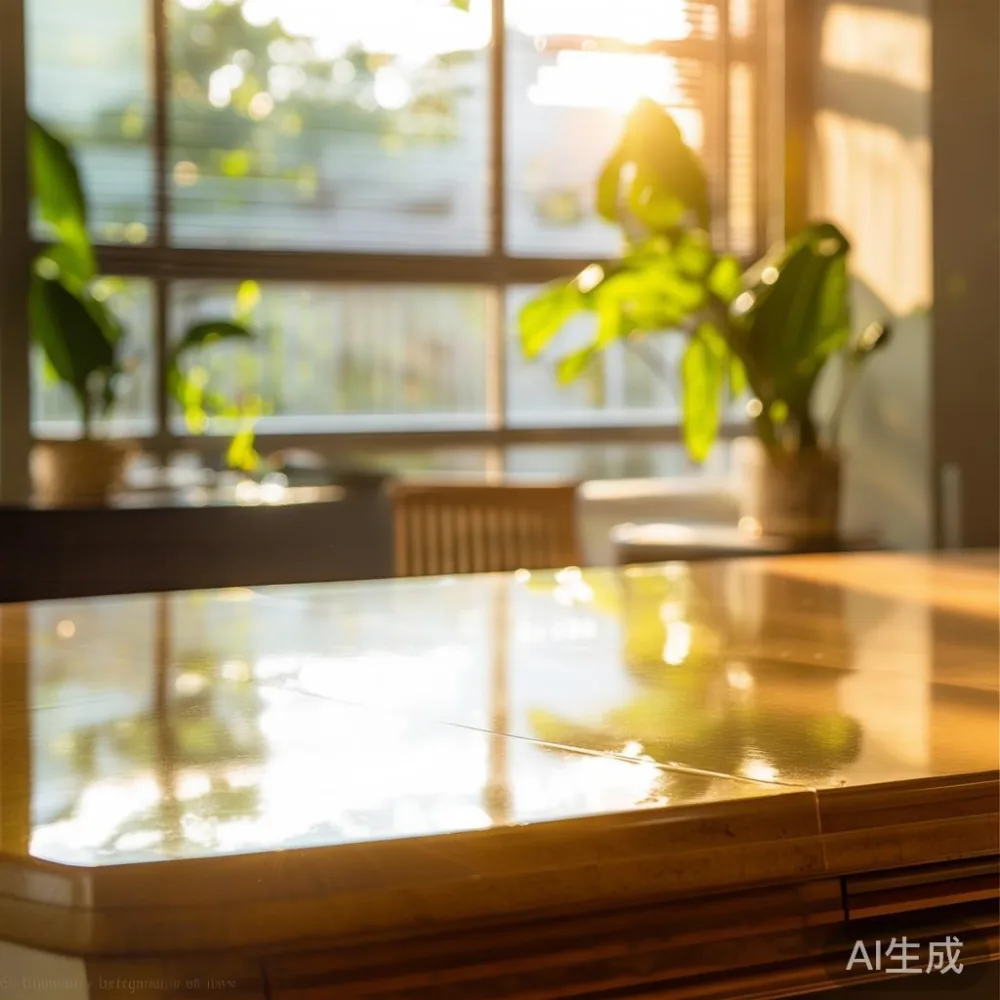
How to acclimatise a lacquered extendable table after delivery
When the boxes arrive at your HDB door, do not open them on the corridor. The lift, the lift lobby, and the corridor can all run at 85% humidity during a wet afternoon. Carry both boxes straight into the dining area and place them on a raised surface such as a bed frame platform or a low nightstand. Leave the boxes sealed for 24 hours. This lets the wood core slowly equalise with the 55–60% humidity your air-conditioner creates. After 24 hours, unseal and stand them upright against a wall for another 12 hours. Only then should you place the panels on the floor. From my own move into a Yishun five-room flat last month, I followed this routine and the table top stayed perfectly planar at 1.4 cm thickness across both halves. MSI, the moisture indicator that lives there, reads a consistent 1.2% across all six oak boards after a week of living with the table, with no cupping on the 22 mm end-grain sections.
Daily and weekly care for a lacquered dining table
Lacquer is a cured film, not a wax, so it cannot be flooded with oil or soaked with spray polishes. Use a microfiber cloth that has been lightly misted with distilled water — never tap water from a Singapore tap, which carries 30–80 ppm of dissolved minerals that will fog a high-gloss lacquer over six months. Wipe in the direction of the grain along the 200 cm length, not across. For weekly wobble, meaning the once-a-week deep clean, mix 5 ml of pH-neutral dish soap in 500 ml of distilled water, dampen a fresh cloth, and wipe once. Dry immediately with a second cloth. Avoid silicone-based polishes, which I have personally seen turn a 14-coat piano finish cloudy after three applications in a Punggol flat with floor-to-ceiling windows facing the afternoon west sun. Spilled teh tarik or kopi should be lifted within 60 seconds with a dry cloth, not rubbed, because the tannins in milk tea will etch a matte ring in 4 minutes if left wet.
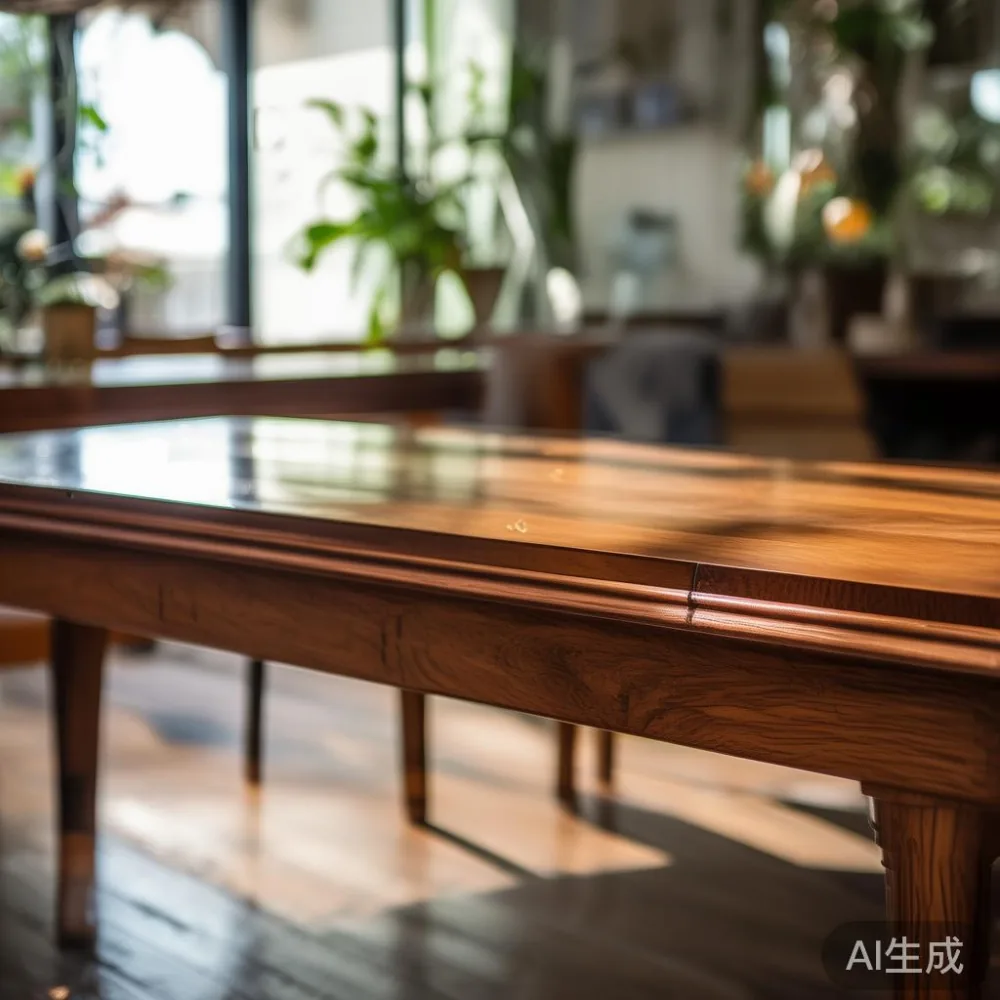
What about marble tables, wardrobes, and other lacquered pieces in the same home?
The same humidity rules apply to a marble table with a lacquered wooden base, a wardrobe with full-height mirror doors, and a lacquered nightstand beside the bed frame. Marble is less reactive to humidity than solid wood, but the wooden plinth on a marble table still absorbs 0.10% of its weight in water over a week if the room runs at 80%. New moulding sealant on the back of a mirror wardrobe can fail within 90 days in a Jurong condo that has no bathroom extractor. Solid wood sofa frames with lacquered arm caps follow the same 24-hour box rule. For owners with a Japandi leather metal furniture aesthetic, the metal legs will sweat in an unventilated balcony, and that condensate will drip onto the lacquered apron below. Place rubber washers, around 2 mm thick, between metal and wood to break the capillary action.
Long-term protection: the five-year and ten-year markers
A quality piece from this Foshan workshop carries a 10-year structural warranty, but the lacquer finish is a separate conversation. Expect a 14-coat piano finish on an extendable table to look pristine for 5–7 years under normal HDB use, meaning 4–6 dinners a week with 2–4 people. After year 7, fine checking along the 22 mm end-grain may appear, especially on the leaf side of an extendable table where the wood moves the most during weekly extension cycles. Lifelong toner or topcoat refinishing is included with most warranty programmes, meaning a 60–90 minute on-site respray in a Tampines flat is included. For owners in condos with strict renovation rules, an on-site respray avoids the hassle of dismantling and re-shipping the cantilever. Cantilever refers to the 45 cm overhang at each end when the table is extended to its 200 cm configuration.
How MIDHILL handles Singapore deliveries and humid conditions
Orders from MIDHILL to Singapore typically ship from Foshan in 12–18 days by sea to Tuas, with the GST of 9% added at customs clearance. For orders above US$350, which is roughly S$480 at current rates, shipping is free, and 14-day returns apply once the table is in your flat. Lift and corridor access must be confirmed in writing before dispatch, otherwise the 140 cm main slab is shipped in a 145 cm × 90 cm × 12 cm box and the 60 cm leaf in a 65 cm × 90 cm × 12 cm box. The brand's French light luxury post-modern light luxury catalogue includes extendable dining tables, lacquered beds, lacquered wardrobes, marble table options, solid wood sofa frames, lacquered nightstands, and even Japandi leather metal furniture combinations for owners who want a clean 90 cm footprint in a compact HDB living room. I have walked their Foshan workshop twice, and every panel spends 21 days in a 25°C, 50% RH chamber before it receives its first coat, which is why their solid wood furniture leaves the flat region, the one in your Tampines corridor, the one in your Bedok lift, with a near-zero moisture gradient.
When should you call a technician instead of polishing it yourself?
Call a technician when the lacquer shows whitening under a 45° light test, when a coin dragged across the surface leaves a visible scratch, or when the edge banding has lifted by 12 mm or more. These three signs mean the lacquer film has been breached at a level beyond 14 coats of spray. A home repair kit will only mask the problem for 30 days. For a 200 cm extendable table, an on-site respray with proper masking of the extension rails takes 4 hours, and you should not extend the table for 72 hours afterwards to let the new film cure. Service calls in the East region are scheduled within 5 working days, and lifetime refinishing is included for registered serial owners at a 14-day notice. New serial numbers are issued after each refinishing, which keeps the warranty chain intact for the next 10 years.