Beyond the Wood: The Real Cost of an Extendable Table in Singapore
For many Singaporeans, furnishing a new home in a HDB flat or condominium is a significant undertaking. You measure your lift width, consider the corridor turn, and budget for the Goods and Services Tax (GST). The choices are vast, but a preference for quality often leads to solid wood furniture. An extendable table, for instance, seems like a straightforward purchase. It's a dining table, it extends, it's made of wood. Yet, the price range can be staggering, from a simple SGD 800 piece to a luxurious SGD 5,000 statement. The difference isn't just the wood itself; it's a complex interplay of material, design, and practicality.
Material Matters: Not All Wood Is Created Equal
The single most significant factor in the price of solid wood furniture is, naturally, the wood. The type of wood dictates the cost, durability, and character of the piece. Solid wood furniture is an investment, and understanding the material is the first step to making an informed decision.
Hardwoods, derived from deciduous trees, are denser and more durable than softwoods. Common hardwoods used in furniture include oak, maple, and ash. Oak, for example, is a classic choice known for its prominent grain and incredible strength. A solid oak dining table can easily start from SGD 2,500 and go up significantly. Maple, with its lighter, more uniform appearance, is another premium option, often favoured for a more modern aesthetic.
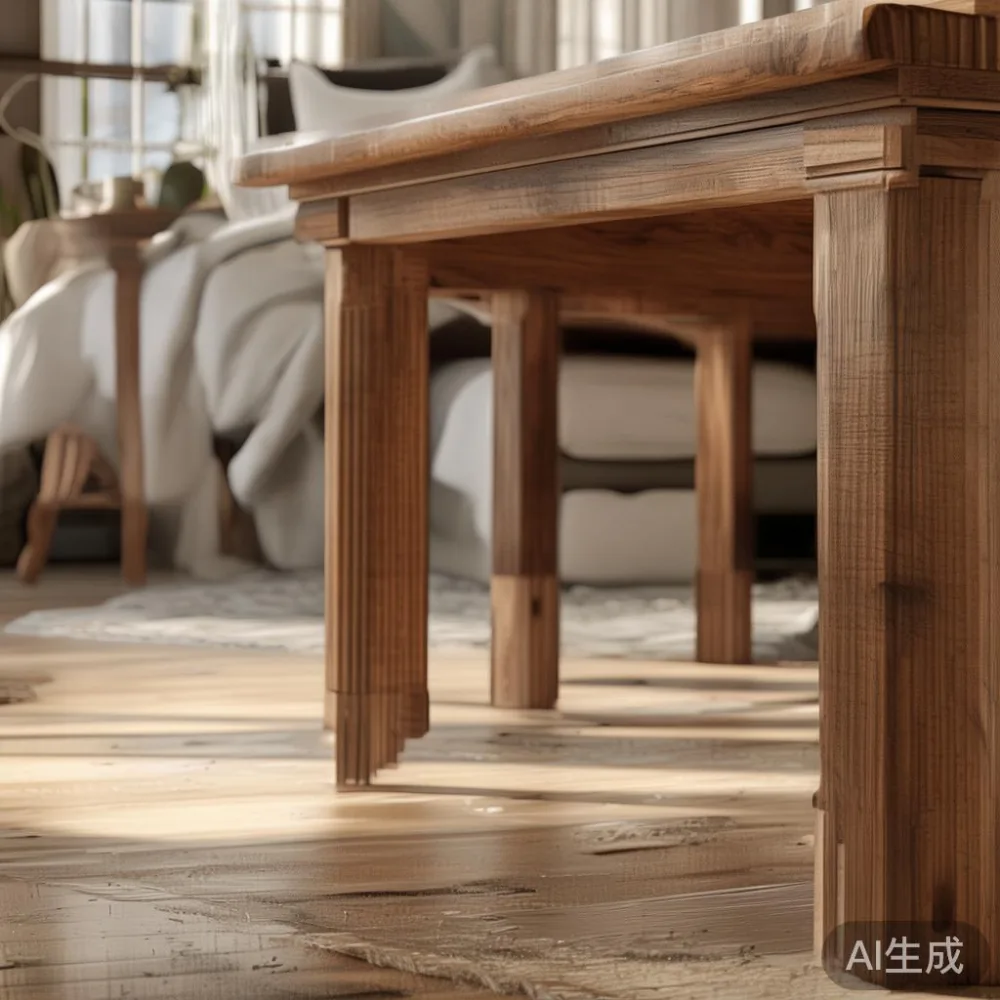
Softwoods, like pine or rubberwood, grow faster and are generally more affordable. A rubberwood dining table might be priced around SGD 1,200 to SGD 1,800. However, don't mistake 'softwood' for 'inferior'. Rubberwood, in particular, is a sustainable and surprisingly durable hardwood with a fine, straight grain. It can be an excellent choice for families. The price difference is primarily due to growth rate and availability. A slow-growing oak tree takes decades to mature, while a rubberwood tree can be harvested in a fraction of the time.
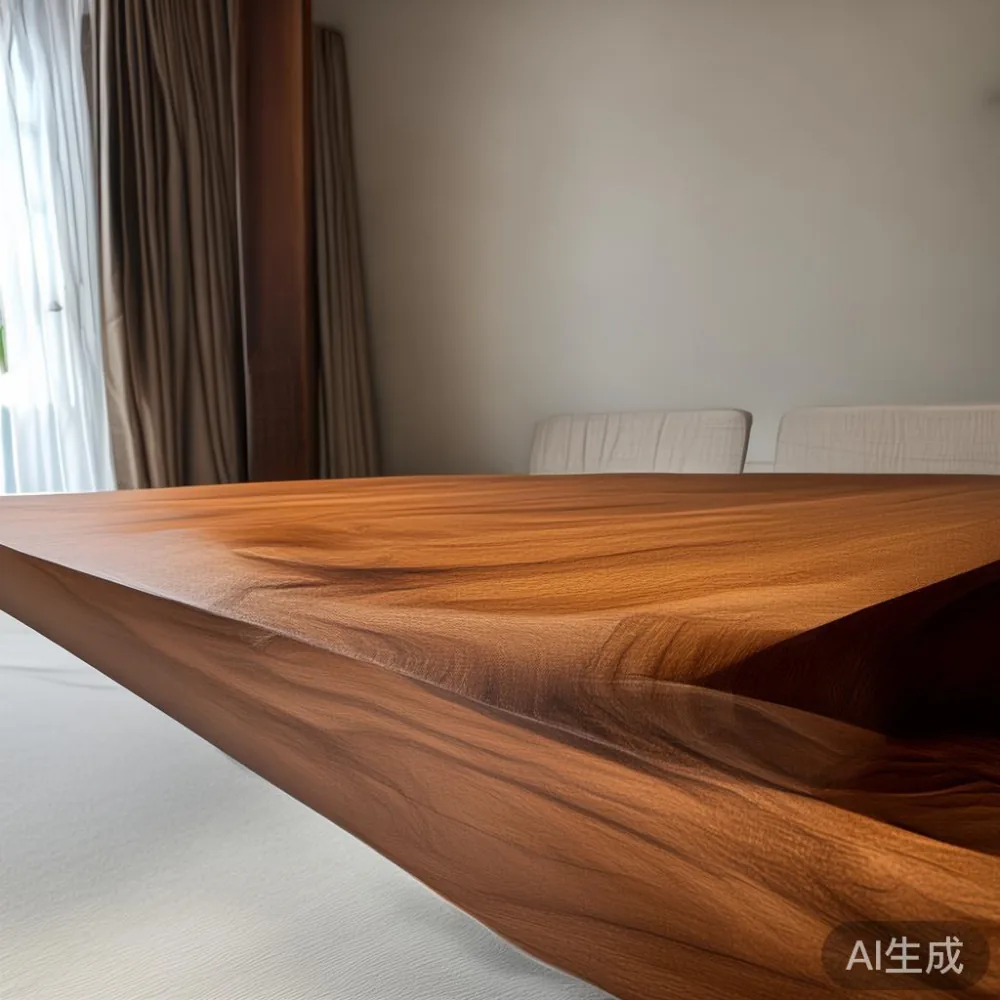
Last month, I visited the workshop of a long-standing Foshan-based manufacturer to see this firsthand. They had two dining table tops side-by-side, identical in size and design. One was crafted from North American white oak, the other from Malaysian rubberwood. The oak top was a beautiful, deep brown with swirling patterns. The rubberwood was a lighter, more consistent tan. The craftsman explained that the oak required more careful drying to prevent warping over Singapore's humid climate, adding weeks to the process and cost. The American rubberwood storage bench they showed me next was a proof of how versatile this material can be when finished well.
Design and Craftsmanship: The Art of the Join
Once the material is selected, the design and construction method come into play. This is where the difference between a mass-produced item and a piece of light-luxury furniture becomes apparent. The way a table is joined together is critical to its longevity, especially for a frequently used item like an extendable table.
Look for furniture that uses traditional joinery techniques. Dovetail joints, mortise and tenon joints, and finger joints are all superior to simple screws or staples. These methods create a stronger, more stable connection that can withstand the stress of expansion and contraction caused by changes in humidity. A well-constructed table will feel solid and rigid; a poorly made one might feel wobbly or have visible gaps.
French light luxury often emphasizes ornate carvings and intricate details, which add to both the cost and the time required to create the piece. American light luxury, on the other hand, tends to focus on clean lines, high-quality upholstery, and exceptional woodwork with a more understated elegance. A post-modern light luxury extendable table might feature bold geometric shapes, mixed materials like metal or marble, and a minimalist silhouette. Each style demands a different set of skills and materials, directly impacting the final price. A marble table top, for instance, adds significant weight and cost compared to a solid wood top.
Functionality and Mechanisms: The Hidden Engineering
An extendable table is more complex than a fixed table. The price is heavily influenced by the quality of its extension mechanism. A cheap extendable table might use a simple butterfly leaf that sits underneath the tabletop. While functional, this mechanism can be flimsy and limit the amount of extension.
Higher-end extendable tables often feature a more solid system, such as a self-storing leaf that slides out from within the table itself or a 'butterfly' mechanism with steel guides and locking pins. These mechanisms are engineered for smooth operation and long-term reliability. They require precise engineering and high-quality hardware, all of which add to the manufacturing cost. For a Singaporean family living in a condo in Tampines or Bedok, a reliable extension mechanism is not a luxury; it's a necessity for hosting friends and family.
Consider the weight. A solid wood dining table for six can weigh between 40 kg and 70 kg. An extendable version with a leaf can add another 15-20 kg. The mechanism must be strong enough to support this weight without sagging or jamming. This engineering precision is a key driver of the price.
What size industrial style do I need?
The correct size for an industrial style extendable table is determined by the dimensions of your dining space and the number of people you need to seat comfortably, both daily and when extended.
Start by measuring your available floor space. In a Singapore HDB flat, a common dining area might be 300 cm by 250 cm. You need to leave at least 70-80 cm of clearance around the table for chairs to be pulled out and for people to move around. For a fixed table, a width of 90-100 cm is standard. For length, a table that seats four should be at least 140 cm long. For six, aim for 180-200 cm. When extended to seat eight, you'll need an additional 60-80 cm, making the total length 240-280 cm. Always measure your corridor and lift width before delivery. A 250 cm table will not fit diagonally through a standard HDB lift.
The Value of Longevity and Service
When you see a price tag, consider what it includes. A lower-priced piece might look good in the showroom, but what happens in five or ten years? This is where the value of a warranty and after-sales service becomes apparent.
A 10-year structural warranty is a significant indicator of quality. It means the manufacturer stands behind the integrity of the frame and joinery. A lifetime refinishing service is an even more compelling offer. Solid wood furniture can be sanded and refinished multiple times, allowing it to look new for decades. This service extends the life of the furniture far beyond that of a cheaper, veneered piece, which can only be repaired if the thin wood layer is damaged. For a family planning to stay in their Punggol condo for the long term, this is a practical and valuable feature.
Also, consider the total cost of ownership. This includes delivery and potential returns. Free shipping over a certain purchase amount, like SGD 350, adds immediate value. A 14-day return policy provides peace of mind, ensuring you are happy with your purchase. These services are part of the package and contribute to the price, but they also save you money and hassle in the long run.
Singaporean Context: Space, Style, and Budget
Living in Singapore presents unique challenges and considerations for furniture buying. Space is often at a premium. An extendable table is the perfect solution for a small dining area that occasionally needs to accommodate more guests. The ability to shrink the table down to a more compact size for daily use is a practical advantage that Singaporean homeowners highly value.
The style of your furniture should also complement your home's architecture. A sleek, post-modern extendable table might look stunning in a new condo with high ceilings and large windows, while a more traditional oak table might be better suited for a HDB flat with a classic, warm interior. The style influences the choice of wood, finish, and design, all of which are factored into the price.
Don't forget the 9% GST. This is a mandatory addition to the listed price of all goods and services in Singapore. When budgeting, always calculate the final price inclusive of GST. A table listed at SGD 1,000 will cost you SGD 1,090. This tax applies uniformly, so the relative price difference between a high-quality piece and a lower-quality one remains the same, but it's important to account for it in your total budget.
Making the Right Investment for Your Home
Ultimately, the price of a solid wood extendable table is a reflection of its materials, construction, and the value offered by the manufacturer. It's an investment in your home and your lifestyle. A well-made table becomes the centrepiece of family gatherings, a sturdy surface for work and study, and a lasting piece of functional art.
When you're comparing prices, ask yourself what you're paying for. Are you paying for genuine solid wood and durable joinery, or are you paying for a veneer finish and basic hardware? Are you investing in a piece that will last a lifetime and be refinished when needed, or one that might need to be replaced in a few years? The upfront cost is only one part of the equation. The long-term value, durability, and enjoyment you get from a high-quality piece are what truly define its worth.