Beyond Extra Seats: What Actually Drives the Price of Solid Wood Furniture in Singapore
I spent a Saturday at last month trailing my colleague through three Tampines HDB showrooms and one Punggol condo display suite, and in roughly four hours we saw a four-seater extendable table priced at S$1,299 right next to one tagged at S$7,450. Same showroom tier. Same general look. The 12% GST was already baked into both tickets, the lift dimensions at the HDB blocks were identical, and the sales scripts were nearly word for word. So what was actually different? This article unpacks the real cost drivers behind solid wood furniture in Singapore, the engineering reasons a piece can double in price, and the practical questions to ask before you sign a delivery order.
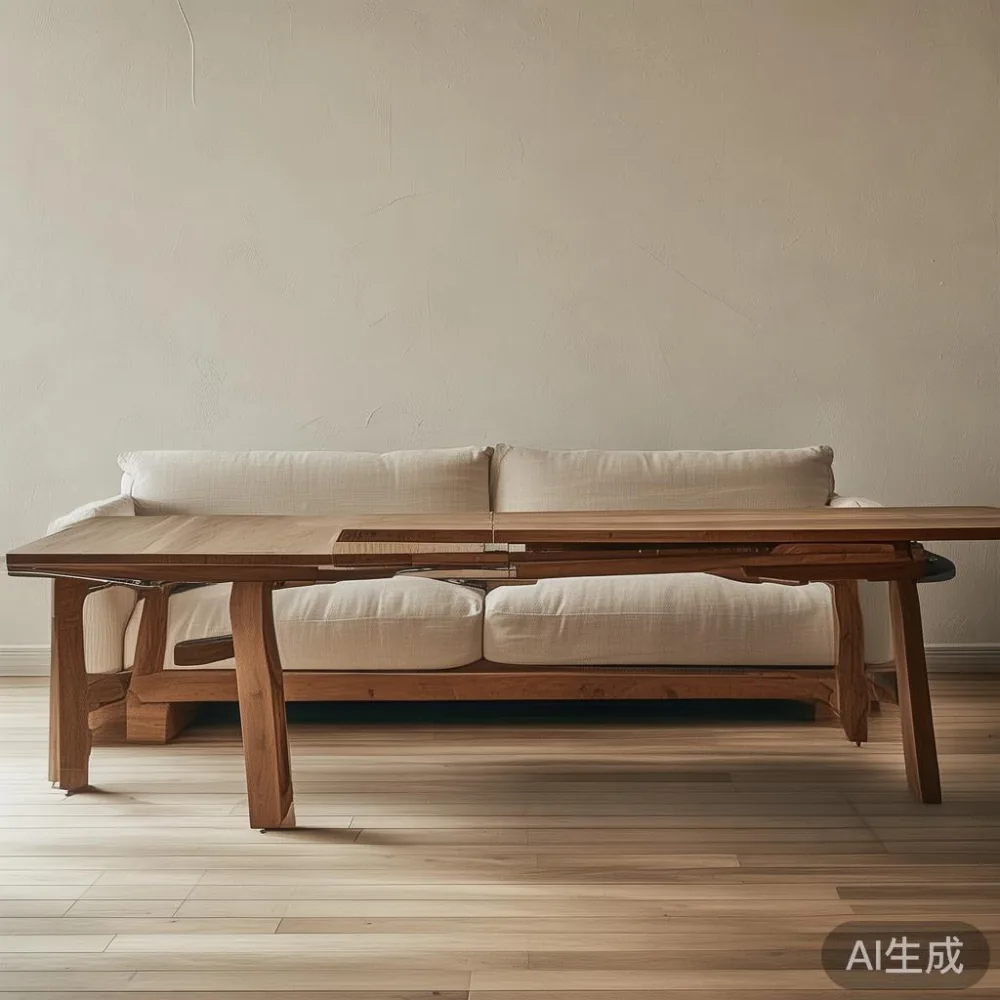
How can the same dining table double in price in two adjacent showrooms?
Walk into Bedok or Tampines and you will see a 1.4m to 1.8m extendable table priced anywhere from S$1,200 to S$8,000. The look is similar because most factories draw from the same limited pool of European oak and American walnut stains, but the engineering under the tabletop is what you are really paying for. Open the butterfly leaf: a S$1,299 table usually runs a 14mm to 16mm top over a hollow MDF or plywood substrate with a thin 2mm to 3mm solid wood veneer. A S$5,800 table from a maker like MIDHILL typically carries a 28mm to 38mm solid wood top, kiln-dried to 8% to 10% moisture content, with no hollow core. Lift both: the cheaper one weighs 28kg, the heavier one 65kg, and that 37kg difference is mostly real wood fibre.
The extension mechanism matters just as much. A budget rail-and-pulley system uses zinc-plated steel that flexes over 18 to 24 months. A premium solid wood sofa and dining table builder uses cold-rolled steel tracks with sealed ball bearings, often rated for 30,000 to 50,000 extension cycles. That is the difference between a table that wobbles by year two and one that still slides smoothly when your grandchildren pull extra chairs up for Chinese New Year reunion dinner.
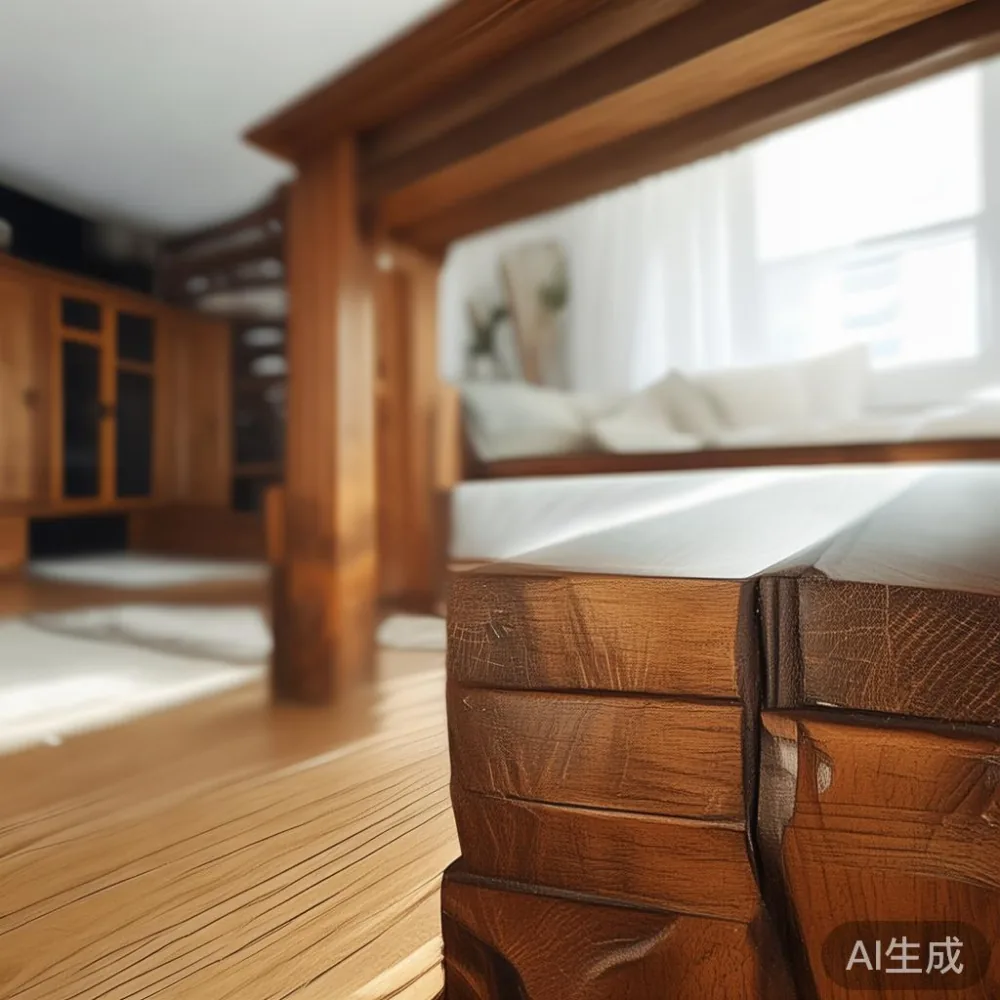
Does the wood species really change the final invoice that much?
Yes, and here is the math. Rubberwood, a plantation-grown hardwood from Thailand and Malaysia, runs around US$550 to US$750 per cubic metre landed in Foshan. European oak, kiln-dried and graded A/B, sits at US$2,200 to US$2,800 per cubic metre. American FAS-grade walnut can hit US$3,800 to US$4,500. A six-seater extendable table needs roughly 0.18 to 0.25 cubic metres of finished timber. Multiply that across a Foshan production line running 80 to 120 sets per month and the species choice alone shifts your S$1,200 base price by S$600 to S$1,800 before any labour, finish, or hardware is added.
Beyond the sticker per cubic metre, density affects joinery. Oak at 750 kg/m³ and walnut at 660 kg/m³ both machine cleanly and hold mortise-and-tenon joints tight. Rubberwood at 640 kg/m³ splits more easily around dowel holes, which is why many lower-cost pieces glue and staple where premium brands still cut traditional joints. If you are shopping for a solid wood bed frame in a Punggol master bedroom that gets cross-ventilation off the Punggol Point breeze, that joinery choice determines whether the side rails stay tight through the second monsoon season or start creaking by month 14.
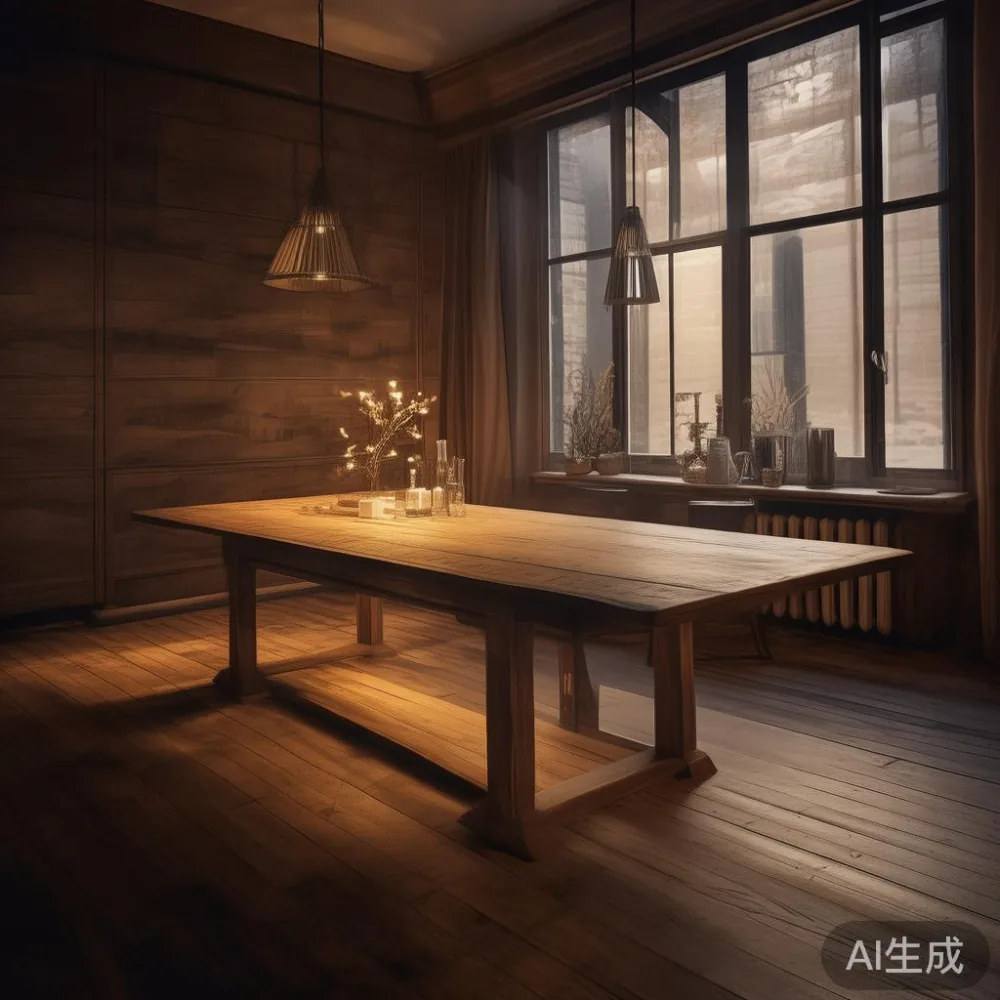
What about the finish, and how do I tell cheap lacquer from proper French polishing?
Finish is the silent margin builder. A S$1,400 extendable table typically carries two coats of NC (nitrocellulose) lacquer sprayed and cured in 36 hours. It looks fine on day one but oxidises under Singapore UV within 12 to 18 months. A S$5,500 table gets a conversion varnish or hand-rubbed oil finish that builds up over five to seven coats, with sanding between every layer. Production time on the finish alone jumps from 3 days to 12 to 18 days, which is real labour cost in a Foshan workshop running a 26-day production cycle per order.
Run your fingernail across a sample swatch. If it leaves a faint mark, the seal is soft NC lacquer. A properly cured conversion varnish resists fingernails, acetone wipes, and a 200-rub Taber abrasion test. For pieces positioned as modern Italian light luxury furniture, the matte 5% sheen and the way light catches a hand-distressed edge is the difference between a S$3,200 piece and a S$6,800 piece with the exact same silhouette.
How does Singapore logistics change the landed cost I actually pay?
This is where most buyers underestimate. A flat-pack extendable table shipping from Foshan to a Singapore door lands in a 1.2m by 0.8m by 0.45m carton, roughly 35kg to 55kg. Sea freight with insurance runs US$180 to US$280 per cubic metre at current rates, plus US$60 to US$90 per cubic metre for last-mile Singapore delivery to a HDB unit on the 12th floor. Lift access in newer BTOs at Tampines GreenRidges or Bedok North typically allows a 1.5m deep, 850kg cabin, but the corridor turning radius at the lift lobby limits box size. If the carton exceeds 1.3m in any dimension, the delivery crew charges a S$40 to S$80 long-item surcharge.
That is why serious makers size their cartons to 1.25m maximum, even if it means partially disassembling a 2.4m extendable table. I watched a delivery team in Punggol Waterway Terrace spend 18 minutes ferrying three boxes up because the corridor width measured only 1.1m at the sharpest turn. A cheaper maker that ships fully assembled eats S$120 to S$200 of damage-and-claim cost into the price; a smarter maker disassembles and saves that margin for both sides.
What structural warranty actually covers, and why it changes the sticker price?
Read the warranty card before you read the price tag. A one-year warranty on an extendable table typically covers only factory defects, and the supplier usually requires you to ship the part back to the warehouse at your own cost. A ten-year structural warranty covering frame joinery, rail mechanism, and solid wood warping above 5mm across 1m tells you the maker is confident the kiln-drying schedule was correct and the mortise-and-tenon was glued with a Type II PVA or hide glue, not a cheap EVA white glue.
MIDHILL publishes a 10-year structural warranty on its extendable dining tables and pairs it with lifetime refinishing, which is a quiet signal that the wood was dried to furniture grade and the finish can be sanded back without exposing plywood cores. That kind of backing is possible because the production floor can trace each batch of oak or walnut back to the kiln run number. Smaller workshops offering the same S$1,200 price point simply cannot underwrite a ten-year claim on rubberwood cores with thin veneers, which is why their warranty stops at 12 months.
Is an extendable table worth paying more for, or should I just buy a fixed table?
If you host more than four people even twice a year, an extendable table earns its premium back in 4 to 6 years. The trick is in the extension type. A centre-leaf extension stores the leaf inside the table but reduces the closed footprint by 120mm to 180mm, which matters in a 2.6m by 2.9m HDB dining corner. A butterfly-leaf extension keeps the closed footprint identical and reveals the extra length only when needed. The butterfly needs tighter tolerances, which is why a 1.6m-to-2.2m butterfly model costs S$600 to S$1,200 more than the centre-leaf alternative at the same showroom.
For a young couple in a four-room BTO in Bedok Reservoir, the typical nine-to-fifteen-month rental-before-renovation cycle means the table has to work for daily dinners for two and hosting parents for six on weekends. A 1.4m-to-1.8m extendable table solves that without forcing a larger dining set you cannot fit. Match it with a solid wood nightstand in the same species to keep the visual line, and you have a coordinated bedroom-and-dining story instead of three mismatched woods.
How do I style an extendable table so it does not look like a piece of furniture, but a room anchor?
Most Singapore buyers under-light their dining area. A 1.6m extendable table needs a pendant hung 75cm to 85cm above the surface, and a marble table in the same room needs warmer 2700K bulbs to keep the stone from looking clinical. If your living room carries an american sofa set design language with deep cushions and a 2.2m sofa, an extendable walnut table 80cm to 90cm wide balances the visual weight without crowding the corridor.
A wider design question is how to style French wardrobe in room space when the wardrobe, extendable table, and Italian light luxury TV console all sit within a 28 square metre HDB living-dining zone. The trick is to pick one hero piece per wall and let the secondary pieces recede. A dark walnut extendable table can carry a neutral oak surround if the sofa and TV console stay in the same warm brown family. Pulling one species across three pieces costs less than chasing three separate species, and it photographs far better for the resale listing.
What about wardrobe and bedroom pieces, and how do they connect to the dining story?
A solid wood wardrobe and a solid wood dining table are cut from the same engineering reality, so the price logic transfers. A 2.0m three-door wardrobe in rubberwood veneer runs S$1,400 to S$2,200. The same footprint in solid European oak runs S$4,200 to S$6,800. The mid-range question most buyers type into a search bar is how to choose European wardrobe without paying for the most expensive tier. The honest answer is: pick solid wood panels on the doors and drawer fronts, accept plywood or solid-core MDF on the carcass sides that you will never see, and spend the savings on soft-close hinges rated for 100,000 cycles.
Bedrooms also pull the budget toward a best Mid-century modern bed for 2026 search once you start browsing, and a Mid-Century bed in solid walnut with a slatted base is one of the few pieces where the design vocabulary has not aged out. Pair it with a MIDHILL coffee table in the same species for the living room and the bedroom-living transition reads as one design language instead of two catalogues stapled together.
Where can I cut cost without cutting quality?
Three places. First, pick a maker that ships disassembled in cartons under 1.3m so you avoid the S$40 to S$80 long-item surcharge at the lift lobby. Second, choose a 28mm top over a 38mm top if your household does not host more than eight people; the visual difference is under 5mm and the material saving is 25% to 30% of the wood cost. Third, commit to one finish family across the dining table, the solid wood sofa frame, and the wardrobe, so you can negotiate a 3-piece package at 6% to 10% off individual unit prices.
What you should not cut is the joinery on any moving part. Extension rails, drawer slides, and soft-close hinges are the three places where a S$400 saving becomes a S$1,200 repair by year five. A S$4,500 extendable table with branded hardware outlasts a S$2,800 table with unbranded hardware by roughly 8 to 12 years in Singapore humidity, which is the real unit of measure that matters in a Tampines or Punggol home.