Extendable Tables for Small Singapore Homes
A compact dining area can still feel generous when every centimetre has a purpose. In many Singapore HDB flats and condos around Tampines, Bedok and Punggol, the dining table is often squeezed between the kitchen wall and the living-room boundary. The usual response is to choose a smaller table and accept fewer places for dinner. A more considered approach is to begin with an extendable table: a dining table with a closed length that suits the room and an open length that appears when guests arrive.
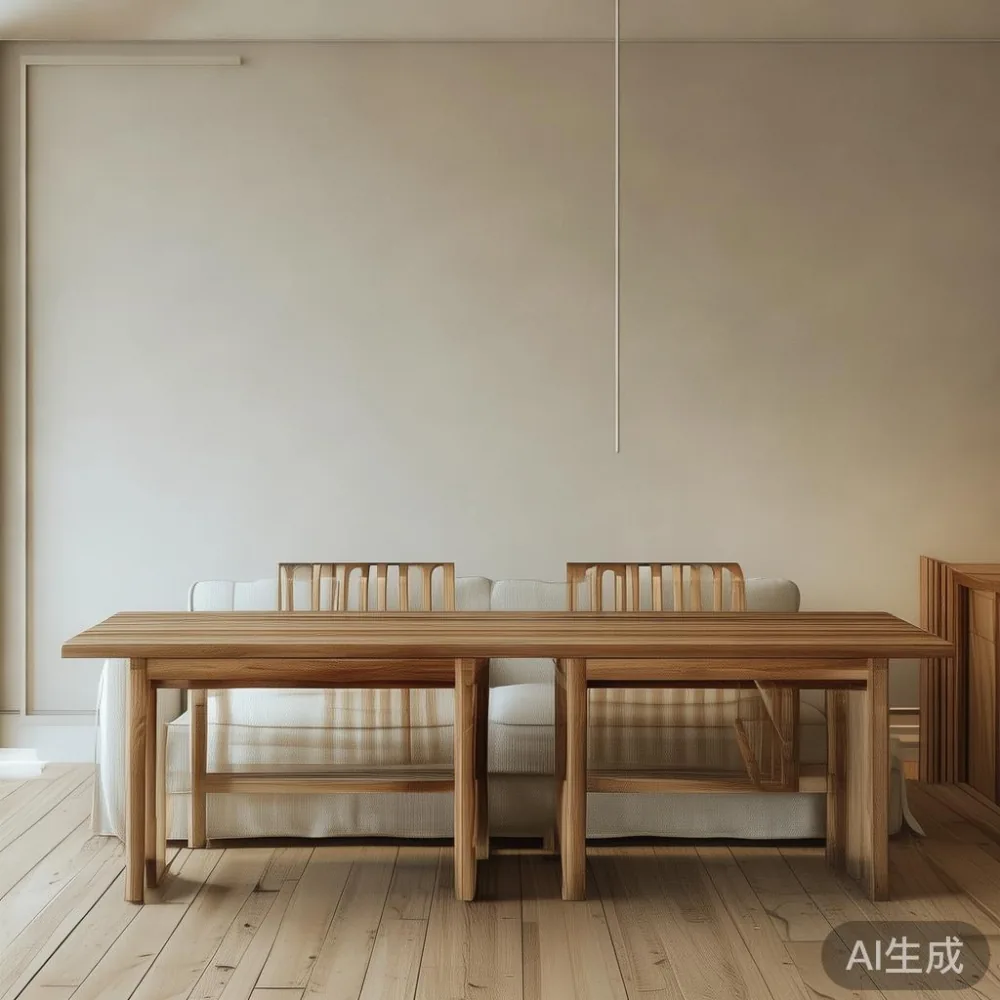
Good spacing begins with measurement, not decoration. Leave approximately 90 cm between the table edge and a wall or sideboard, 90-100 cm for each person seated, and at least 120 cm across the main circulation route from the HDB entrance to the kitchen. If a lift lobby or condo corridor narrows to 100 cm, a table carried in several sections is far easier to move than a rigid 180 cm slab.
How do you make a small dining room look less crowded?
The visual crowding usually comes from too many fixed objects, not too little furniture. An extendable table answers this problem because it changes size rather than permanently occupying more floor area. Set a 140 cm model against the wall for daily use; its compact footprint leaves room for a slim console, while the open 180-200 cm version can accommodate six or eight diners for a meal.
Keep the chair count realistic. Two or four chairs are enough for a table measured at 120-140 cm, even if the extension can seat more. In an open-plan HDB flat, chairs should be pushed fully under the table when they are not in use. Choose backs that do not rise more than 95 cm above the seat if the table sits beside a low partition, because the extra vertical line can make the space feel busier than the footprint suggests.
Light colours also help, but light wood alone does not solve a tight layout. Coordinate the table with one or two repeats elsewhere in the room: pale oak with a pale oak media unit, or warm walnut with matching drawer fronts. This creates continuity while leaving enough contrast for the table to remain a clear focal point.
What dimensions should I check before buying an extendable table?
Measure the dining zone from the nearest fixed obstruction, including radiators, socket boxes, air-conditioner units and the swing of doors. Allow 90 cm from the table edge to a nearby chair’s back when occupied. If only 75 cm is available, diners may still sit down, but they will move sideways whenever someone passes behind them.
For a rectangular extendable table, record three figures: the width of the room, the usable wall length and the length of the main route to the kitchen. A closed length of 120 cm may fit a 300 cm dining bay with much less tension than a 160 cm table. After extension, recheck that no corner projects into a corridor or lift turning area.
Singapore’s compact homes make delivery logistics part of the decision. MIDHILL’s extendable table is supplied in sections, which is useful where an HDB lift has an internal width of about 110 cm or a condo corridor has a clear width near 100 cm. Give the delivery team the block, floor and unit details, plus the lift dimensions, because a rigid dining table may be difficult to angle through a turning lobby. Delivery to most Singapore addresses is typically completed within 7-14 days after production and stock confirmation.
Also check the table’s extension method. Centre leaves generally create a more even surface, while end leaves can preserve a long edge against the wall. Ask whether the extension is stored separately or slides beneath the top. A removable leaf stored in the sideboard keeps daily access simpler; a sliding design can make a 120 cm table expand to 180 cm without requiring a separate storage shelf.
Should an extendable table match French, American or post-modern interiors?
An extendable table can suit several design directions, provided its proportions and details are deliberate. French light luxury often pairs curved edges, tapered legs and a pale timber finish with linen seating and restrained brass-tone accessories. A French provincial dining table usually feels substantial, so the scale of the room matters: keep the closed length between 120 and 160 cm, and avoid ornate carving that adds visual weight.
American light luxury favours clean geometry, warm wood and comfortable forms. A straight-edged extendable table in natural oak can sit beside a solid wood sofa with rounded arms, though the two pieces should share either finish or shape rather than competing in both. This combination works well in a Bedok condo where the living and dining zones have only a low divider between them.
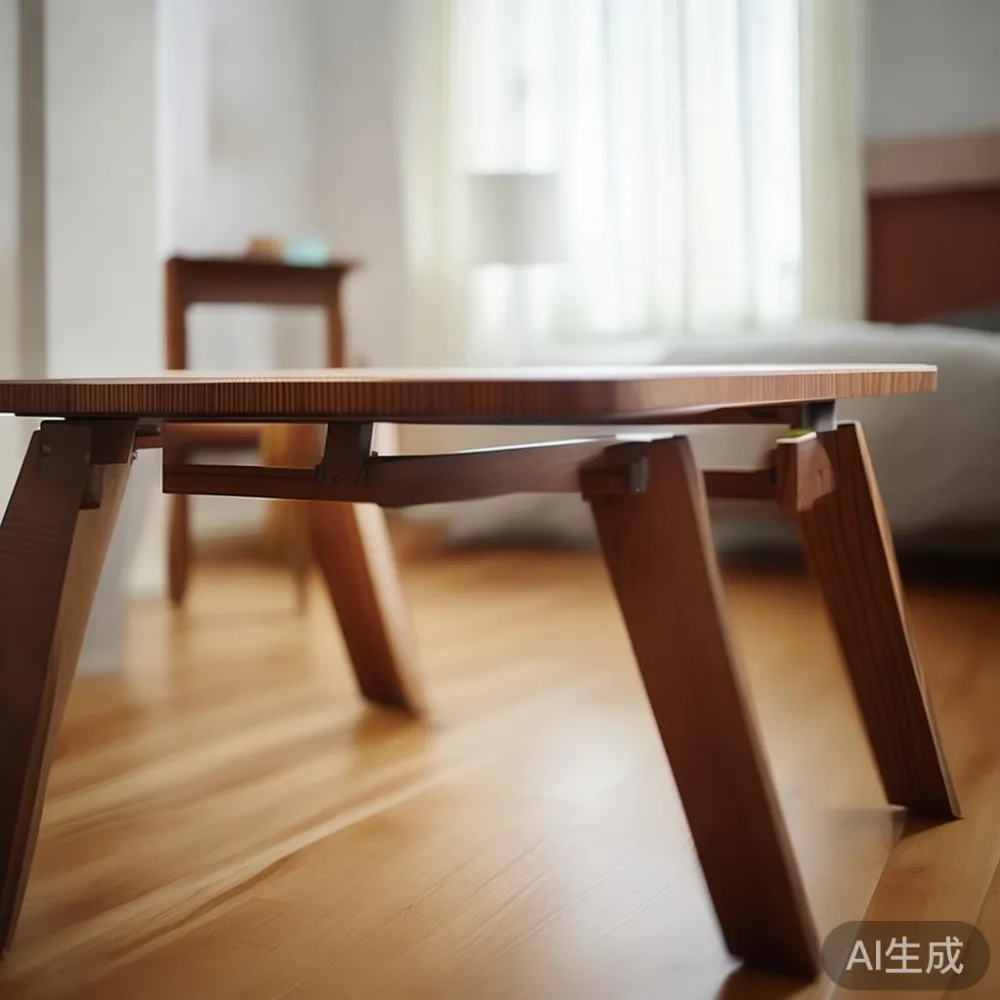
Post-modern light luxury brings stronger lines and playful asymmetry into the room. A table with a rectangular top and offset or angled legs can fit that language, but it still needs breathing space. Use one bold element, such as the dining table, and repeat simpler forms in the bed frame, wardrobe or nightstand rather than adding several unrelated statements.
For shoppers searching for sale Minimalist furniture, an extension mechanism is particularly useful: the table can remain visually spare during the week without limiting the number of guests at a weekend meal. It is also a practical answer to the question of how to style European wardrobe in room when storage must occupy a narrow wall beside the dining area. A pale, flat-front wardrobe and a simple extendable table create a calm shared background.
What is the best way to light and dress a compact dining area?
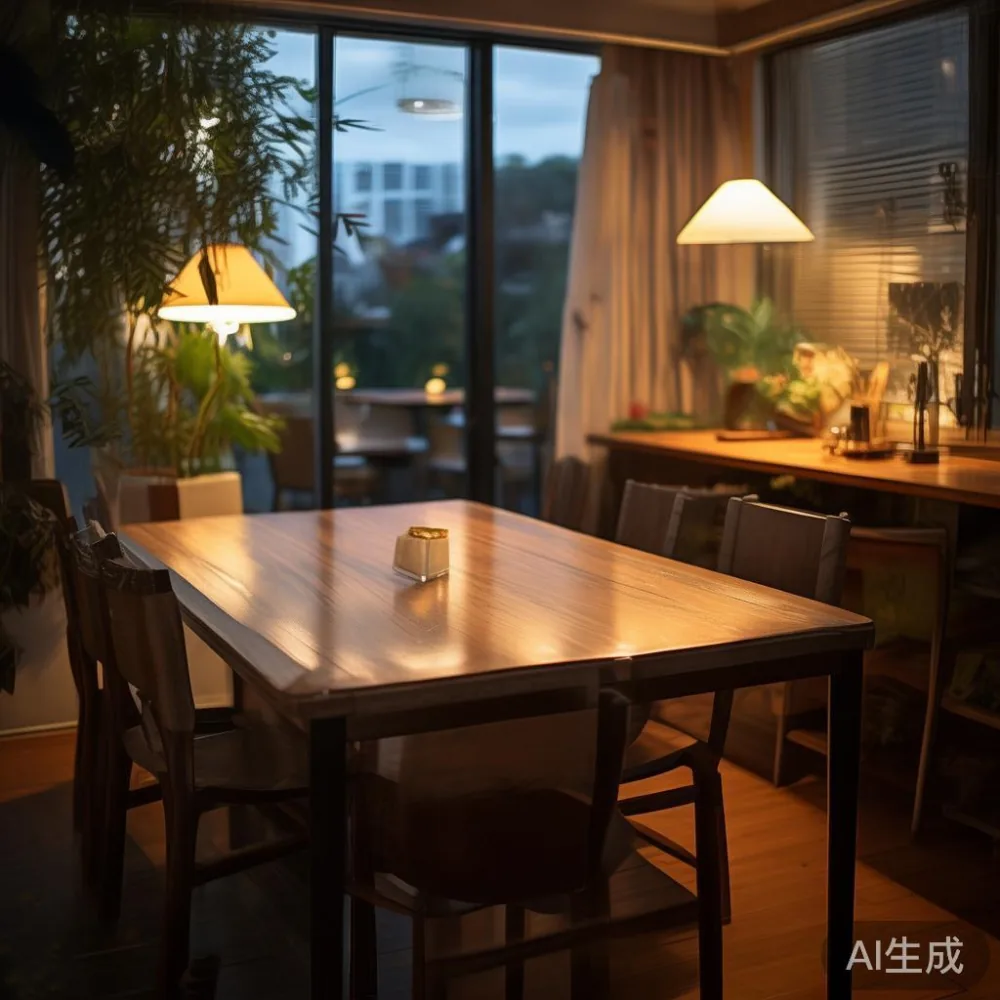
Pendant lighting gives the dining zone definition without adding another large object to the floor. Hang the centre of the pendant approximately 75-85 cm above the tabletop. In a lower-ceilinged HDB flat, this shorter drop feels more connected; in a condo with a 2.7 m ceiling, 85-90 cm may suit the proportions better.
Aim for warm light around 2700-3000K and use a shade that directs light downward. A slim linear pendant above a 160-200 cm table works particularly well because it reinforces the table’s length rather than creating a heavy central cluster. Check that the fitting is compatible with Singapore mains electricity and that the suspension can be adjusted after the table is positioned.
Keep the centrepiece low. A ceramic bowl with 3-5 stems, a narrow vase about 20-30 cm tall or a stack of 2 books is enough for a 140 cm table. In Boho for small living room schemes, combine woven textures, one patterned cushion and natural materials, but keep the dining table itself visually calm. Too many patterned objects around a small table reduce the sense of space.
Mirrors can extend the apparent width, although they should not compete with reflections from glossy cabinetry. One mirror, approximately 60-80 cm wide, on the wall opposite a window is enough. Avoid mirror tiles behind the table because their busy grid interrupts clean sightlines.
How should I plan chairs, sideboards and table clearance?
Plan the table first, then chairs. For four people, allow at least 150 cm of table length and 90 cm of width per diner. A 180 cm open length gives approximately 60 cm of linear space per person at six places, which is comfortable for dinner but modest for long work sessions at the table.
For six chairs, test the extension before signing for it. Push every chair in, then pull one chair out at each end. If the end chair overlaps the passage by more than 15 cm, the open length may be too large for everyday circulation. This is where an extendable table earns its place: the closed configuration protects the route, and the expanded configuration is used only when the extra seats are genuinely needed.
A sideboard can provide serving space without permanently enlarging the table. Place it on a separate wall, with at least 90 cm between its front edge and the nearest chair zone. A shallow cabinet at 35-40 cm deep is easier to use in a compact flat than a 50 cm unit. It can hold the extension leaf, table linens and 6-8 dinner plates.
Do not place a bulky sideboard opposite a large mirror because the room will feel visually compressed. If storage is required beside the table, use a low console no taller than 75-80 cm, with closed doors to conceal clutter. Keep the dining table’s natural grain visible by limiting the objects on top to 2-3 pieces.
Which solid wood details make a small extendable table feel refined?
Solid wood brings grain, touch and repairability to a compact piece. The grain should run consistently along the top, and the extension should align closely enough that the joined surface does not interrupt the pattern. Soft chamfered edges are practical in a busy home: they reduce sharp corners and make the table easier to work through around a narrow dining bay.
Look for a stable extension mechanism with metal guides that support the leaf evenly. Test it several times before delivery, checking that the leaf seats without gaps and that the top remains level. A well-made extendable table should open and close without specialist tools; repeated daily operation over 10 years is far more demanding than opening it twice a year.
Finish matters in humid Singapore conditions. A satin or matte surface disguises small marks, while a high-gloss finish can reveal fingerprints and drying marks. Ask about the finish’s care instructions, use coasters and felt pads, and wipe spills promptly. Solid wood may move slightly with seasonal humidity, so avoid placing a hot dish directly on the surface.
Last month I visited a colleague’s three-room flat in Punggol and tested a similar setup with a 140 cm closed table and a 180 cm open length. The extension took less than a minute, and the closed size made breakfast possible while two people moved through the kitchen route. However, the original pendant was 62 cm above the top and made the table feel crowded. Raising it by 20 cm immediately improved the proportions. The lesson was simple: correct dimensions and lighting carried more weight than adding another decorative object.
What should I confirm before ordering furniture for an HDB or condo?
Confirm the closed and open dimensions, the extension mechanism, the material, the finish and the delivery method before paying. For a Singapore home, ask whether the solid wood dining table is supplied as separate sections and whether the packaging can fit through the lift and corridor. Keep the carton measurements until installation is complete.
MIDHILL provides a 10-year structural warranty and lifetime refinishing on qualifying solid wood furniture, which offers useful long-term reassurance for pieces exposed to daily use. The company has exported to more than 15 countries since establishing in 2008, and local delivery typically takes 7-14 days depending on stock and production scheduling.
Cost is clearer when the whole room is considered. A suitable extendable dining table may fall around SGD 1,280-2,680, while a narrow sideboard may add roughly SGD 680-1,480. Delivery is free above US$350, and returns are accepted within 14 days under the stated policy. GST and any applicable service charges should be confirmed at checkout, since the final Singapore price can vary by product configuration and delivery address.
Look across the apartment for consistency. If the living area contains a solid wood sofa, its warm tone can connect with the dining table. A bed frame in a similar finish may visually link a bedroom visible from the dining zone, while a simple nightstand and marble table can supply a lighter accent without making the dining area crowded. When comparing best Mid-century modern furniture options, prioritise clear profiles, useful proportions and repairable construction over decorative labels.
For a compact HDB flat, the most successful arrangement is rarely the one with the most furniture. It is the one with a disciplined 90 cm route, a 120-140 cm everyday table and an extension that appears only when needed. Measure twice, choose a restrained light-luxury finish, and let one or two materials carry through the room.