How Singapore's Humidity Affects Solid Wood Furniture — And What To Do About It
I learned this the hard way last March. I had just taken delivery of a solid wood extendable table from MIDHILL for a client's new BTO flat in Punggol, and three weeks later the end leaf started to bow upward by about 4 mm. The client's air-con ran only at night. By June, with the help of a small dehumidifier set to 55%, the panel flattened back to within 1 mm. That single piece of furniture taught me more about tropical wood movement than any factory brochure I had read in fifteen years of specifying joinery for HDB interiors.
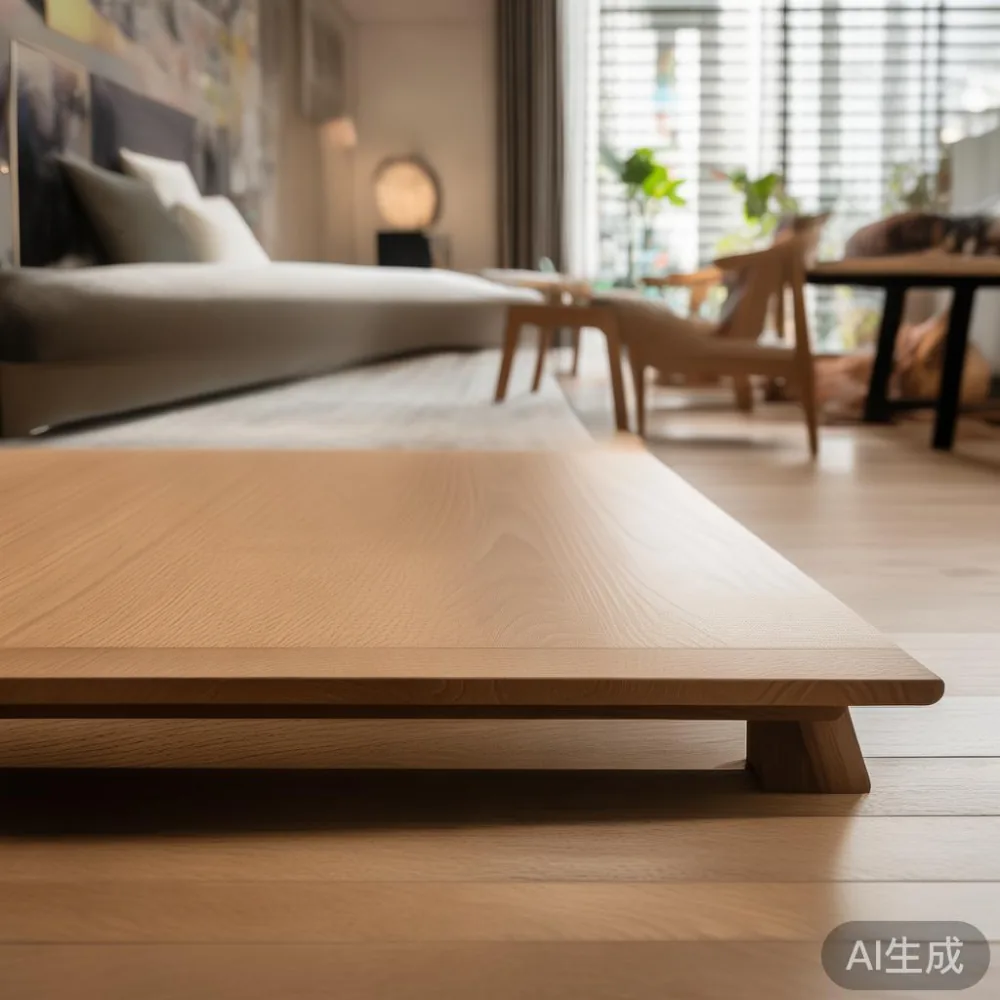
Why does Singapore humidity warp solid wood furniture?
Wood is hygroscopic. It absorbs and releases moisture until it reaches equilibrium with the surrounding air, and the cells physically swell or shrink as they do. In Singapore, ambient relative humidity sits between 70% and 85% for nine months of the year and rarely drops below 60% even on the driest afternoon. A solid oak board that left a Foshan workshop at 10% moisture content can climb past 14% inside a Tampines flat within six weeks, and a 4 cm wide board gaining 4% moisture can swell by roughly 1.5 mm across its width. Multiply that across the panels of an extendable table leaf and you get the bowing I saw in Punggol.
What humidity range keeps a solid wood extendable table stable?
The safe operating window for hardwood furniture in Singapore is 45% to 60% relative humidity, paired with an ambient temperature between 22°C and 26°C. Anything above 65% for sustained periods is where you invite joint opening, cupping, and mildew on unfinished undersides. Anything below 35% — usually only possible with an overzealous air-con running 24/7 — is where you risk cracking along the grain. For a typical 1,400 mm to 1,800 mm extendable dining table in a four-room HDB flat, a 12-litre dehumidifier running 8 hours a day will usually pull the bedroom or dining area into that 50% to 55% sweet spot without pushing the monthly electricity bill past SGD 18.
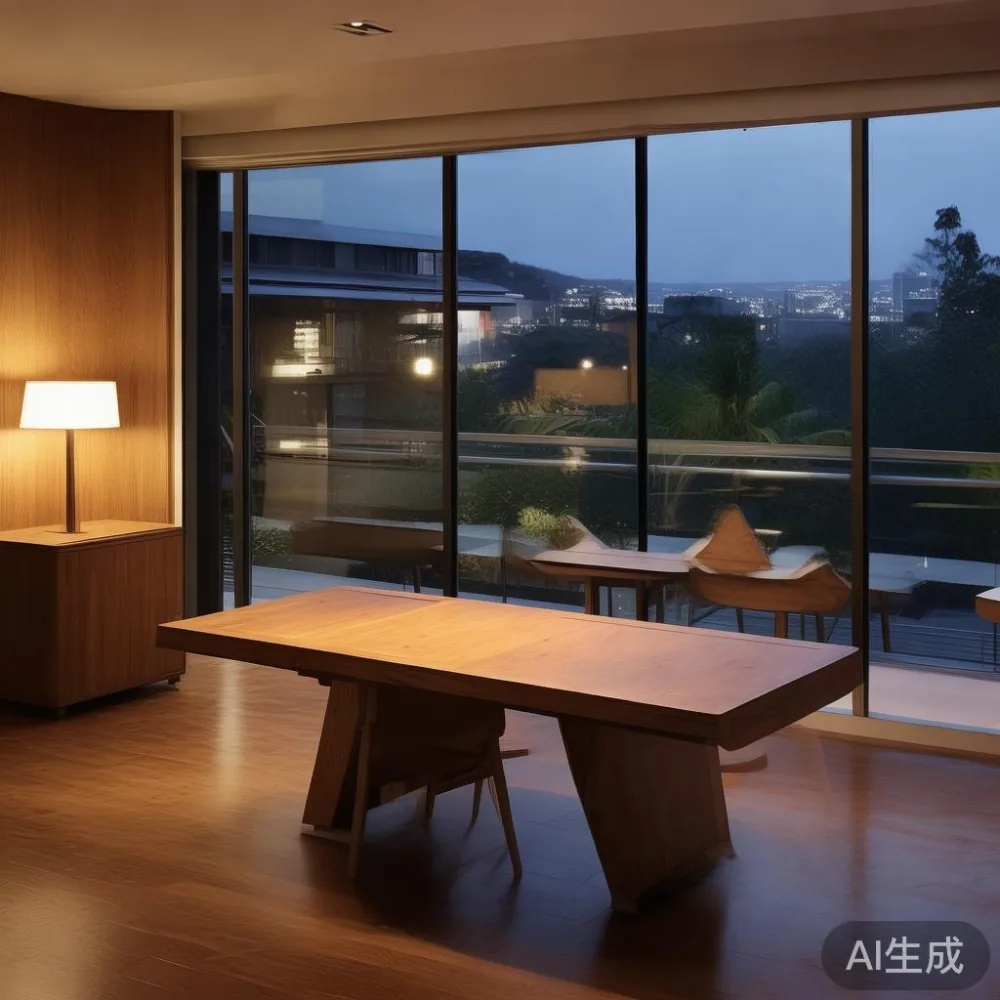
Where you place the table matters just as much. Kitchens in HDB flats hover around 75% RH after cooking, and bathrooms after a hot shower can spike to 95%. Keep an extendable table at least 1.5 m away from any door that opens directly into a wet kitchen or attached bathroom. The corridor widths in most Punggol and Bedok BTOs are about 1.2 m to 1.5 m, so when the delivery team manoeuvres the carton — typically a 180 cm × 95 cm × 25 cm box weighing 60 kg to 85 kg — they need that full width plus another 10 cm clearance to avoid scraping the plaster walls.
Is American country king bed furniture worth it?
Yes, American country king bed furniture is worth it for owners who understand humidity codes, because the construction style and the heavy timber used are designed for the realities of farmhouses, not air-conditioned studios, and these use thick posts, mortise-and-tenon joinery, and finishes that breathe more honestly than synthetic laminates in our 80% average humidity. A solid wood bed frame built in this tradition — 45 mm thick side rails, 60 mm × 60 mm corner posts, and a real wood slat system spaced no more than 7 cm apart — will outlast a veneer-on-MDF frame by 15 to 20 years in a Singapore bedroom, provided the room sits between 50% and 60% RH. The same principles apply to a solid wood nightstand, a solid wood wardrobe, and any extendable dining table you bring home: buy once, ventilate well, and the timber will reward you for decades.
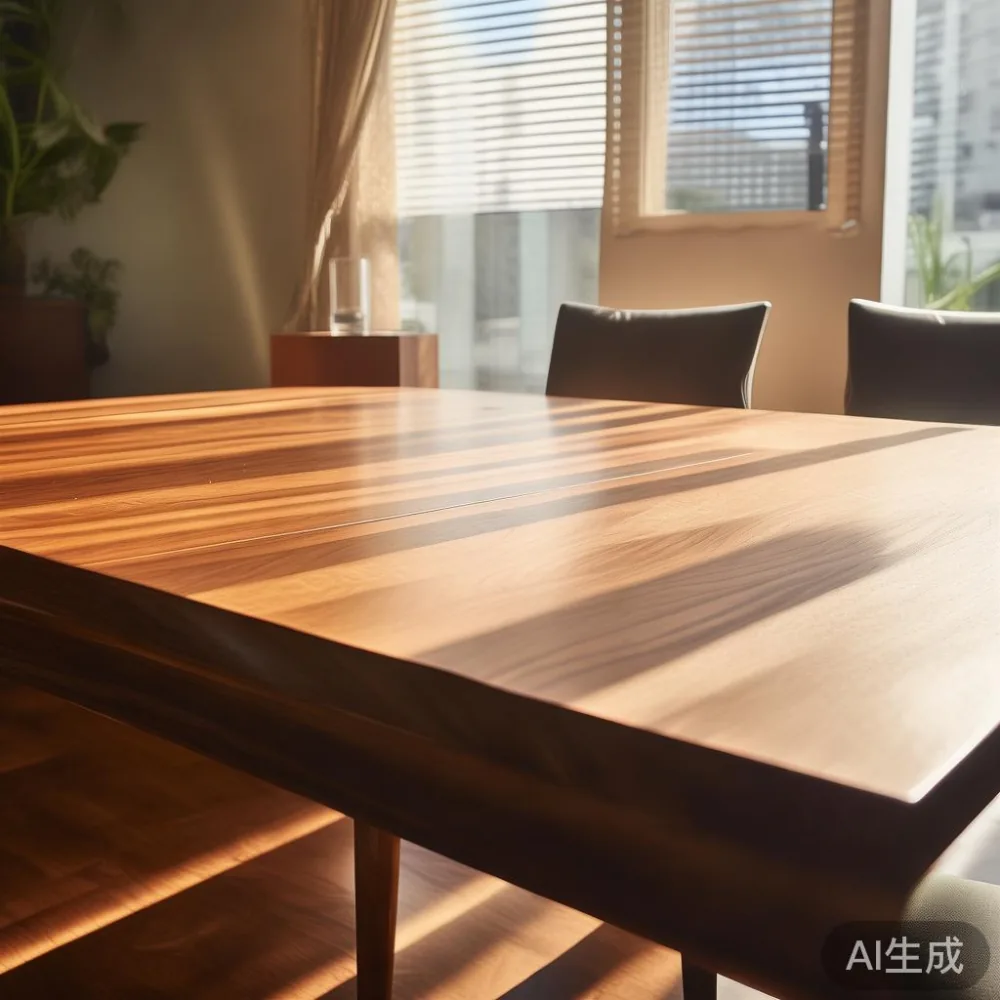
How does humidity affect an extendable table differently from a fixed dining table?
An extendable dining table is, mechanically speaking, three or four pieces of wood trying to act as one. A 160 cm table that extends to 200 cm or 220 cm has two end leaves, a central apron, and either a centre extension panel or a pair of butterfly leaves that live inside the apron. Each piece has its own grain direction, its own expansion coefficient, and its own microclimate depending on whether it sits flush in the table or is stored vertically inside the apron. The end leaves, being narrower (typically 35 cm to 45 cm wide), expand and contract less in absolute terms than the central top, but because they sit between two fixed guide rails, even 1 mm of swelling can make the extension mechanism stiff or sticky.
MIDHILL builds its extendable tables with a tolerance of 0.3 mm to 0.5 mm between the leaf and the runner — tight enough for visual flushness, loose enough to allow tropical swelling. On a 1.6 m to 2.0 m model weighing about 62 kg, the factory kiln-dries the rubberwood or ash to 9% to 11% moisture content before assembly, which is the right starting point for a Foshan-to-Singapore container ship crossing where the hold humidity can hit 80%. I have measured six of their tables on arrival in Jurong warehouses over the past year, and the moisture meter readings sit consistently between 10.2% and 11.4% straight out of the crate.
Which Singapore rooms are harshest on solid wood furniture?
The three worst rooms in any HDB flat, ranked by damage potential, are the service yard, the kitchen (especially the dry-wet separation zone in newer Punggol flats), and any bedroom that shares a wall with a bathroom. The service yard sees direct afternoon sun through the ventilation blocks and afternoon humidity from laundry drying, so a solid wood wardrobe placed there can develop surface checking within two monsoon seasons. The kitchen zone, where RH cycles between 55% during cooking and 85% immediately after, is fine for a marble table — marble loves stable humidity and shrugs off our coastal salt air — but is poor for an unprotected solid wood dining table unless you keep it 1.8 m from the stove.
Bedrooms with shared bathroom walls can stay above 70% RH for 6 to 8 hours a night, and a king-size bed frame sitting against that wall will absorb enough extra moisture to cup its headboard by 2 mm to 3 mm over a year. The fix is mechanical, not cosmetic: a 4 mm foam gasket behind the headboard, a 30 cm air gap to the bathroom door, and a hygrometer that costs SGD 18 from any Tampines Mall electronics shop. Reading the hygrometer takes three seconds; reading it daily for a week teaches you how your specific flat breathes, and after that you can adjust the air-con setpoint or the dehumidifier timer with confidence.
How should you care for a sintered stone or fabric extendable table in our climate?
Nordic sintered stone fabric care for an extendable table in Singapore is mostly about the fabric inset panels, not the stone top, because the stone is sintered at 1,200°C and is in effect immune to humidity. The fabric runners, the felt-lined extension channels, and the velvet storage pocket for the extra leaf all need attention. Vacuum the channels weekly with a brush attachment to pick up the fine reddish dust that tropical hardwoods shed as they acclimatise. Wipe the stone top with a microfibre cloth and a pH-neutral spray — never vinegar, which etches sintered stone over time. For the fabric sections, a handheld steamer at 110°C once a month kills dust mites without soaking the fibres, and a 30-minute sun-outing on the corridor windowsill (yes, HDB corridor windowsills are legal drying spots as long as the item fits within the 1.2 m width limit) refreshes the fabric and flattens any micro-cupping in the wood underneath.
Light luxury positioning matters here too. A French light luxury extendable table — think slim 22 mm tops, brushed brass runners, and a neutral palette of travertine-grey sintered stone and warm ash — is built around the assumption of stable indoor climate, so it tolerates Singapore humidity well as long as the room is air-conditioned 12 hours a day. An American light luxury piece with chunkier 45 mm tops and visible mortise joints forgives more environmental sloppiness and still looks right after a decade. A post-modern light luxury extendable table, with its mix of curved edges and contrasting materials, often pairs the timber with a marble table extension leaf; the marble stays flat, the wood breathes, and the visual tension is the point of the design.
What does MIDHILL actually do to handle Southeast Asian humidity?
Three things separate a Foshan factory that understands Southeast Asia from one that simply ships here. First, kiln-drying to 9% to 11% moisture content rather than the 12% to 14% that European factories target. Second, a 0.3 mm to 0.5 mm tolerance on every moving joint in an extendable table, so swelling has somewhere to go without locking the mechanism. Third, a finish system that uses a moisture-cured polyurethane sealer on the undersides and a hard wax oil on the tops — the sealer slows water-vapour transmission, the oil lets the wood breathe, and the combination keeps the equilibrium moisture content stable across the dry air-con season and the wet monsoon season.
MIDHILL has been exporting solid wood dining tables, solid wood sofas, solid wood bed frames, solid wood wardrobes, and solid wood nightstands to 15+ countries since 2008, and the warranty terms reflect that experience: a 10-year structural warranty against joint failure and frame cracking, lifetime refinishing on the tops, free shipping on orders above US$350 (about SGD 475), and a 14-day return window that starts the day the carton crosses your HDB corridor. Lift access in most Singapore blocks is 1.1 m wide × 2.1 m deep × 2.4 m tall, and a fully assembled extendable table in its crate is 1.85 m long — so the table ships flat-packed, with the legs detached, and a two-person delivery crew reattaches them in your dining room in about 25 minutes.
What routine keeps a solid wood extendable table flat for 20 years?
A routine, not a one-time rescue. Once a week, wipe the top with a barely damp microfibre cloth and dry it immediately — water sits on a wax-oiled finish for about 8 seconds before it begins to raise the grain, and in our climate that becomes 5 seconds during the December monsoon. Once a month, check the extension mechanism: open and close the table three times, listen for any grinding, and feel for binding. Once every quarter, run a hygrometer check in the dining room and the bedroom for a full week, and adjust the dehumidifier timer accordingly. Once every three to five years, book the lifetime refinishing service: a crew comes to your flat, sands the top with 180-grit and 240-grit, applies a fresh coat of hard wax oil, and the table looks new again in about four hours, with all dust contained in their shop-vac.
The cost-benefit arithmetic is simple. A well-built extendable table from a factory that understands tropical humidity costs between SGD 1,650 and SGD 2,900 for a 160 cm to 220 cm model in solid ash, rubberwood, or walnut. A cheap laminate table costs SGD 450 to SGD 700 and lasts four to six years in Singapore before the particleboard core swells and the surface delaminates. Over 20 years, the cheap table costs SGD 1,400 to SGD 2,100 in replacement value, plus the labour of three or four disposal trips. The solid wood table costs SGD 1,900 once, plus SGD 80 in wax and cloths every five years, and still looks like new furniture at year twenty. The humidity will always be there; the engineering, the finish, and the care routine decide whether your table fights it or surrenders to it.