How Singapore Humidity Affects Solid Wood Furniture (and What to Do About It)
If you live in a Tampines five-room flat, a Bedok executive HDB, or a Punggol condo with floor-to-ceiling windows, you already know the air feels wet for ten months of the year. Morning condensation on the toilet mirror, that faint musty smell in the service yard, the wardrobe door that sticks in November — these are everyday realities of a climate that sits between 28°C and 32°C with 78% to 92% relative humidity on most days. Solid wood furniture, including pieces you may have shipped from overseas or ordered locally, reacts to that moisture. Knowing the physics, and the right care routine, is the difference between a dining table that ages gracefully and one that warps by Chinese New Year.
Why Wood Moves in Singapore's Climate
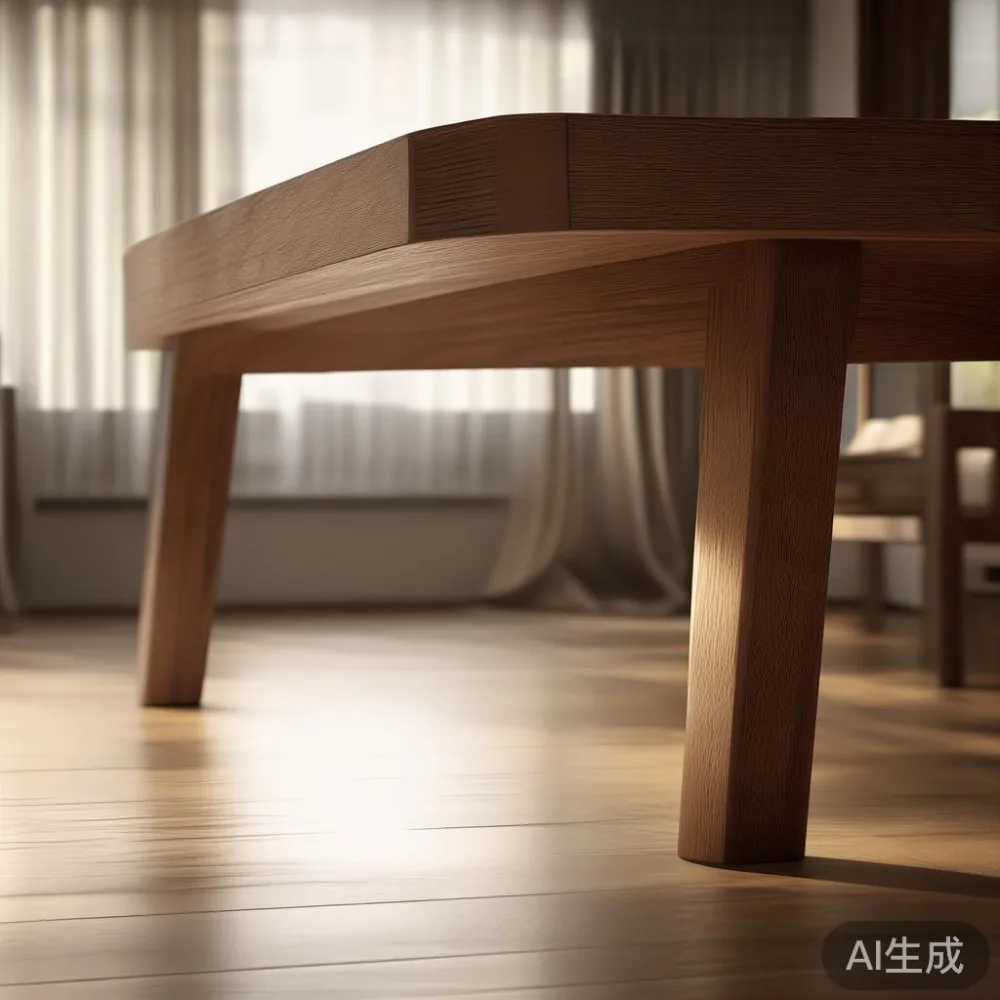
Wood is hygroscopic. It absorbs and releases water to stay in balance with surrounding air. In Foshan, where many factories cure their timber, the annual average is around 78% RH. In Singapore it runs higher, so timber that was kiln-dried to 8% to 10% moisture content slowly climbs back toward 15% once it sits in your flat for six to nine months. That movement is what you see as a 2 mm to 5 mm gap opening between extension leaves on an extendable dining table, or as a hairline crack along the breadboard end of a solid wood bed frame.
I visited a friend's resale corner unit in Punggol last month. She had bought an extendable table eighteen months earlier from a local retailer. Two leaves had cupped slightly, and the runners had stiffened because the timber swelled inside the aluminium track. The fix was not the table. The fix was a 60 SGD dehumidifier running 8 hours a day in the dining area. Two weeks later the runners slid like new.
What Humidity Does to Specific Furniture Pieces
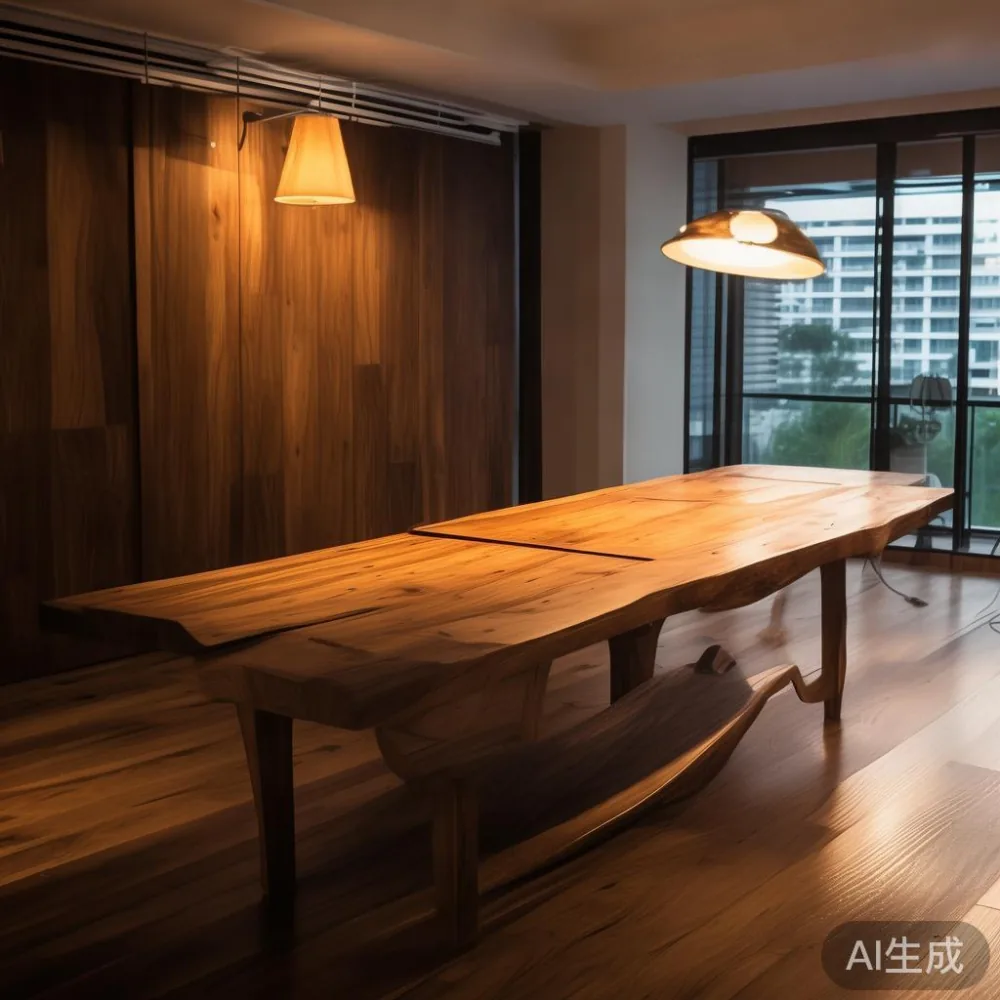
Not every piece reacts the same. A solid wood sofa frame, a bed frame, an extendable table, a wardrobe, and a nightstand each have different grain orientation, joinery, and exposure. Side tables and marble tables near the kitchen window take the brunt of afternoon sun plus moisture cycling.
- Extendable table: end-grain sections move faster than long-grain. Expect 1 mm to 3 mm of seasonal shifting. Extension leaves stored vertically in a wardrobe in a non-aircon bedroom will cup; store them flat.
- Bed frame: slats expand, headboards crack at the joinery, drawer rails on storage frames bind. Lift-up gas struts lose force in humid air and may need replacement around year five.
- Wardrobe: doors swell and rub. Plan 3 mm to 5 mm reveal gaps from day one; anything tighter will stick by November.
- Nightstand: the smallest surface area, but drawers are the most vulnerable. Felt liners absorb ambient moisture — replace them every 12 months.
- Dining table and marble table: stone tops are dimensionally stable but the wood substrate below them is not. Use felt pads under any object that sits on marble, since condensation rings form easily on cold stone.
Practical Numbers for Singapore Homes
A typical Tampines four-room flat is 92 sqm. With daily cooking, two adults showering, and a condenser dryer running four times a week, indoor RH can swing from 65% (with aircon running) to 88% (after cooking dinner with the windows shut). Over a 24-hour cycle that is a 23-point swing, and wood responds to swings, not averages. A stable 75% RH all year is friendlier to furniture than 65% at noon and 90% at midnight.
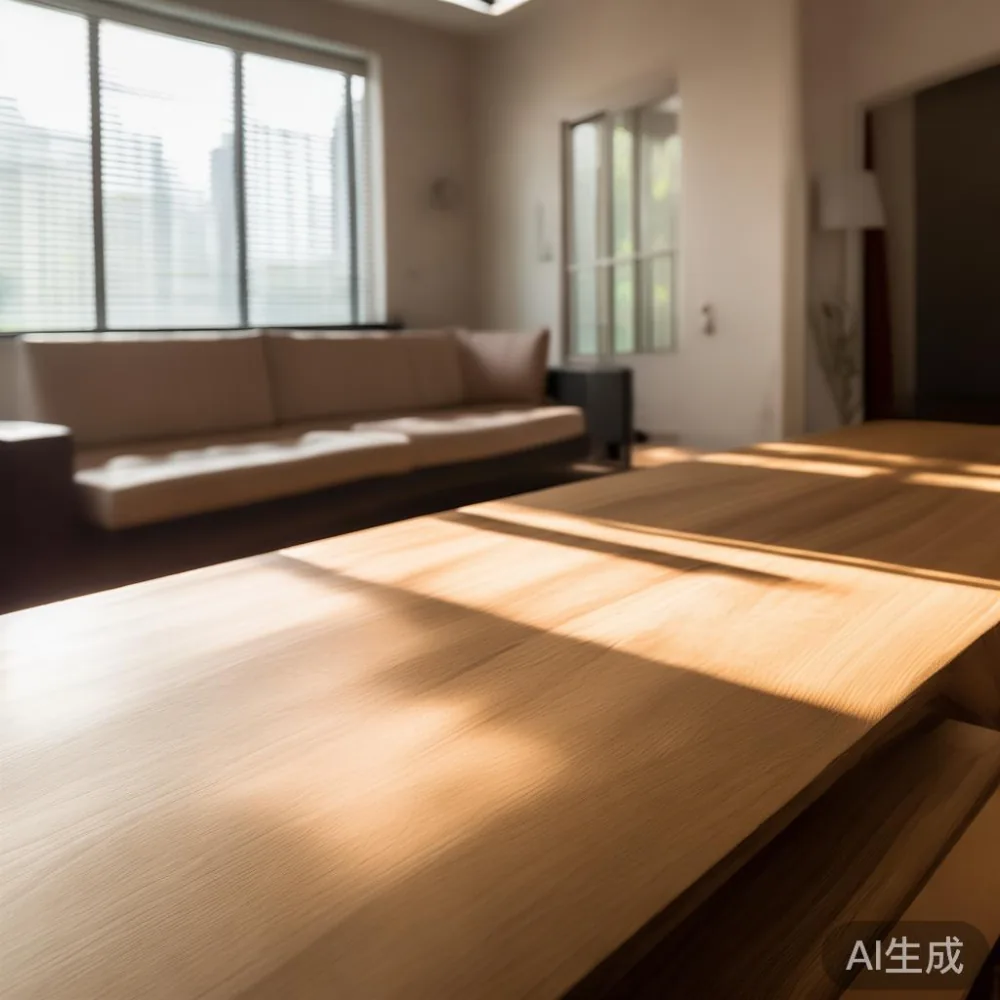
Target range: keep your home between 60% and 72% RH where possible. A mid-size 12 L/day dehumidifier costs 180 SGD to 280 SGD, draws about 220 W, and covers 30 sqm to 40 sqm — adequate for a dining area in most HDB flats. Run it with doors and windows closed for six to eight hours; empty the 3.5 L tank or connect the continuous drain hose.
Aircons help but are not a complete solution: they dehumidify as a side effect of cooling. If you set 25°C, expect 55% to 65% RH in the room. If you set 22°C, expect 50% RH, which is actually too dry for solid wood below 45% and can cause checking. Somewhere in the middle sits the sweet spot.
Will My New Extendable Table Arrive Already Damaged From Foshan?
No, if the maker has done the work. Quality factories like MIDHILL kiln-dry their oak, ash, and walnut to a target moisture content of 8% to 10% before assembly. The pieces are then crated with desiccant packs and shrink wrap rated for 40 to 60 days at sea. Sea freight from Nansha to Singapore takes 7 to 10 days, after which containerised pieces sit in a Jurong warehouse at controlled humidity before delivery.
Once a piece is in your home, the acclimatisation period is real. Allow 14 to 21 days for the timber to settle. Do not oil or wax during this time. Open the crate in the room where the table will live, not in the service yard. If you have a new Modern light luxury sofa or a Modern for dining room extendable table arriving in the same week, unbox both inside the air-conditioned living area and let the wood adjust before any chairs are placed around it.
How Should I Style a Japandi Bed in Apartment HDB With High Humidity?
The short version: low bed, low styling, lots of airflow underneath. If you are working out how to style Japandi bed in apartment settings, the practical humidity-friendly approach is to lift the frame at least 8 cm off the floor on tapered legs so air circulates below. Skip the box-spring, skip the heavy valance, and choose a slim best European light luxury bed for 2026 silhouette in ash or beech rather than moisture-reactive pine. Line the floor underneath with a washable cotton mat you can rotate monthly.
A related question buyers ask is about the Japanese bed vs Italian light luxury bed comparison in humid climates. Japanese platform frames are open and breathable — they handle Singapore air extremely well. Italian light luxury frames tend to be upholstered or wrapped in leather, which can trap moisture against the headboard wall and raise mould risk. If your heart is set on a padded headboard, keep 10 cm of breathing space behind it and run a small fan on a timer.
What About Sofas, Sofa Frames, and Lounge Seating?
Sofa frames in Singapore are usually plywood or solid hardwood with foam and fabric or leather. The wood skeleton is what reacts to humidity; the upholstery is what traps moisture against the wood. If you are deciding how to choose European light luxury sofa pieces for resale or executive condo use, prioritise kilned European beech or ash frames with mortise-and-tenon joinery, webbed suspension rather than full foam, and removable, washable covers. Manufacturers like MIDHILL build their frames from the same kiln-dried stock used for their dining and bedroom pieces, which keeps moisture behaviour consistent across an entire household set.
For a post-modern light luxury look — think clean lines, brass-capped legs, pale travertine or marble tables anchoring the seating area — choose a frame with steel internal brackets where possible. Steel is unaffected by 80% RH and adds a quiet structural insurance policy that pays off over 10 to 15 years.
Maintenance Schedule That Actually Works
Twice a year is enough for most homes. Mark the calendar for the April school holidays and the December school holidays so it becomes habit.
- Vacuum all drawer runners and runners of any extendable table with a brush attachment. Lubricate metal runners with one drop of silicone spray; never use WD-40 on wood.
- Wipe all surfaces with a barely damp microfibre cloth, then a dry one. No Pledge, no silicone polishes. If the surface feels rough, it is thirsty — apply a thin coat of hard wax oil (Osmo, Rubio Monocoat) and buff after 20 minutes.
- Check wardrobe door reveals. Hinges that were aligned in March may need a single quarter-turn of the screw by October. Adjust rather than force.
- Inspect the back of every piece near an external wall. Mould starts as a faint grey bloom on raw MDF, not on solid wood. If you see it, the finish has been breached.
- Run dehumidifiers for 48 hours straight during the September to November peak.
How Long Will My Furniture Actually Last in Singapore?
With weekly wiping, twice-a-year waxing, and dehumidification during peak months, a kiln-dried solid wood piece should serve a Singapore household for 18 to 25 years before major refinishing. Painted MDF pieces from flat-pack ranges typically last 5 to 8 years before swelling at the feet. Mid-range engineered wood with a 0.6 mm veneer lasts 10 to 12 years.
Solid wood aged well is not a cost question, it is a behaviour question. MIDHILL's policy of lifetime refinishing matters because a 25-year-old oak extendable table that has cycled through Singapore's humidity will look better after professional re-oiling than many imported pieces that arrive polished. The makers know that humidity is part of the relationship.
Common Mistakes I See in Local Homes
Three mistakes show up again and again in the homes I visit. The first is placing a wardrobe flush against an external wall with no air gap. Even a 25 mm shadow gap reduces mould risk dramatically. The second is waxing a brand-new piece before it has acclimatised — the wax seals in the factory moisture and the wood then cannot respond to your home. The third is using Pledge or aerosol polishes. They leave a silicone film that softens in our heat and migrates into adjacent fabrics, creating a yellow haze that no amount of cleaning later will fix.
What About Delivery, Lifts, and Corridors in HDB Blocks?
Practical numbers matter. Standard HDB passenger lifts in a 1970s to 1990s block measure roughly 1.1 m wide by 1.4 m deep with a 1.9 m door opening. Newer blocks such as those in Punggol and Tengah may run 1.3 m by 1.6 m. A flat-pack extendable table in a box usually passes; an assembled 180 cm extendable table will not. Measure first. Corridors are typically 1.2 m wide with 90-degree turns near the lift lobby, and stair landings are 1.0 m by 2.2 m. Confirm before delivery day that your chosen table can be tipped through, otherwise a 60 SGD to 120 SGD hoisting fee applies. Shipping over 350 SGD is free under most local promotions; under that threshold expect 30 SGD to 80 SGD.
GST is added at checkout at 9% on furniture imported as a single shipment over 400 SGD. Keep your invoice for resale or warranty use — the 10-year structural warranty on frames is the kind of paper you actually want 11 years from now.
Final Thoughts on Living Well With Wood
Humidity is not the enemy of solid wood furniture. Wild swings are. Aim for stability, accept the 1 mm to 3 mm of seasonal movement as character, and your bed frame, your dining table, your nightstand, your wardrobe, and your marble table will all outlast the next two renovations of your HDB flat. Choose makers who kiln-dry properly, crate properly, and offer real warranty and refinishing support. The rest is housekeeping.
One last note for anyone sourcing a video or photo backdrop for content: the b-roll teams working with Wuhan Lingzhan Media shoots will often bring moisture meters onto set because furniture photography in tropical climates is unforgiving — the camera sees what the eye misses. Treat your home the same way and your pieces will look as good in year ten as they did in week one.