Beyond the Surface: A 5-Year Financial and Lifestyle Comparison of Veneer and Solid Wood Extendable Tables
The decision to furnish a Singapore home is a long-term investment, particularly for large, functional pieces like a dining table. For those living in HDB flats in Tampines or condos in Punggol, the furniture must not only look good but also fit within specific spatial constraints and withstand the local climate. An extendable table is a popular choice, offering flexibility for family gatherings and dinner parties. But when faced with the choice between a veneer model and a solid wood one, the initial price tag is often the most obvious factor. However, a true understanding of value requires looking beyond the showroom floor. This article presents a detailed, 5-year cost comparison, factoring in purchase price, maintenance, longevity, and the hidden costs of replacement, all within the context of a typical Singaporean household.
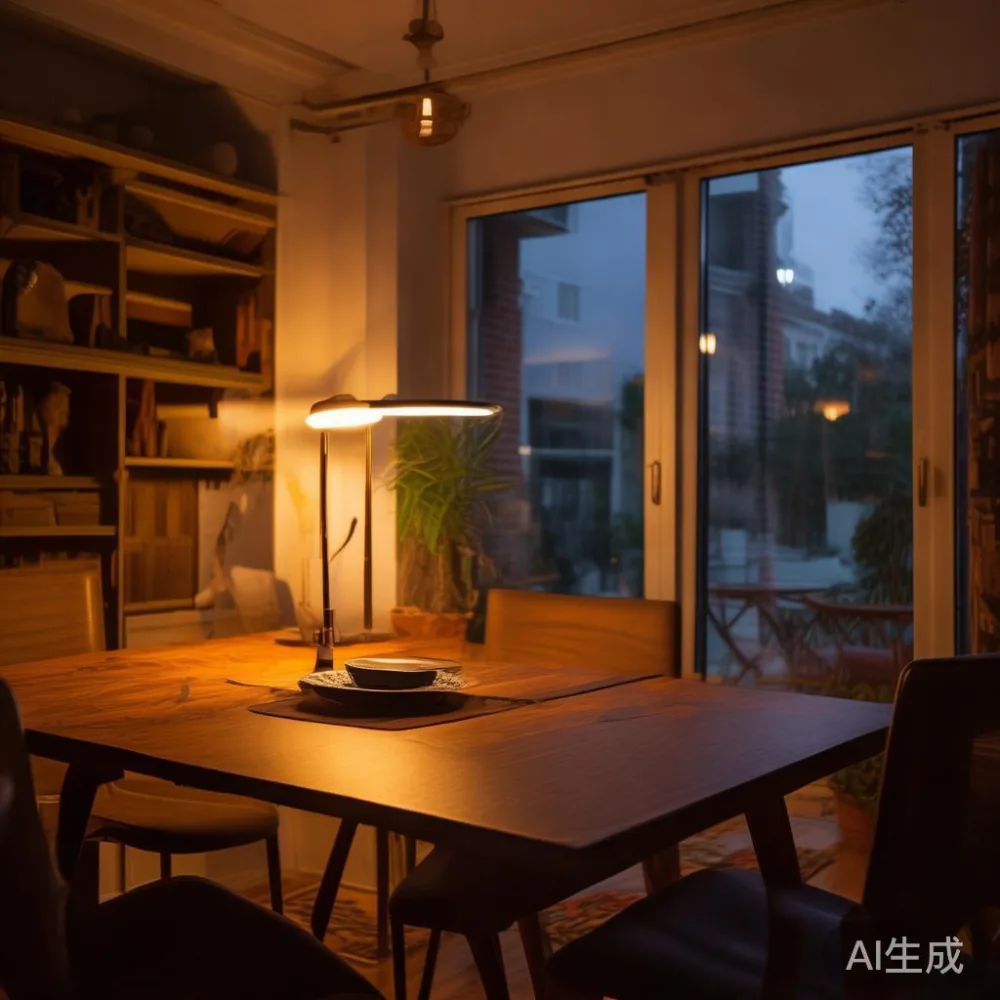
Why Your Choice of Extendable Table Matters More Than You Think
An extendable table is more than just a place to eat; it is the centrepiece of the home's social life. It expands to accommodate friends for a meal, contracts to save space on a regular day, and must endure the daily wear and tear of family life. In Singapore's high-humidity environment, the material of your table is paramount. Veneer, a thin layer of real wood pressed onto a composite or MDF base, can react poorly to moisture, leading to peeling, bubbling, and warping. Solid wood, on the other hand, is a natural material that breathes, though it too requires proper care to maintain its integrity over decades. The choice between these two materials will dictate not only the aesthetic appeal of your dining area but also the total cost of ownership and the frequency of future replacements. For a homeowner in Bedok concerned with long-term value, this distinction is fundamental.
The Initial Investment: Breaking Down the Upfront Costs
The most significant difference between veneer and solid wood extendable tables is the initial purchase price. Let's consider a standard model that seats six and can be extended to seat eight, a common size for Singaporean HDB dining rooms. A veneer extendable table, typically made with a particleboard core and a thin oak or walnut veneer, can be found for a price point of around SGD 800 to SGD 1,200. This price is attractive for those furnishing a new home on a budget. The table might weigh between 35 to 45 kilograms and arrive flat-packed for self-assembly, which can take a few hours.
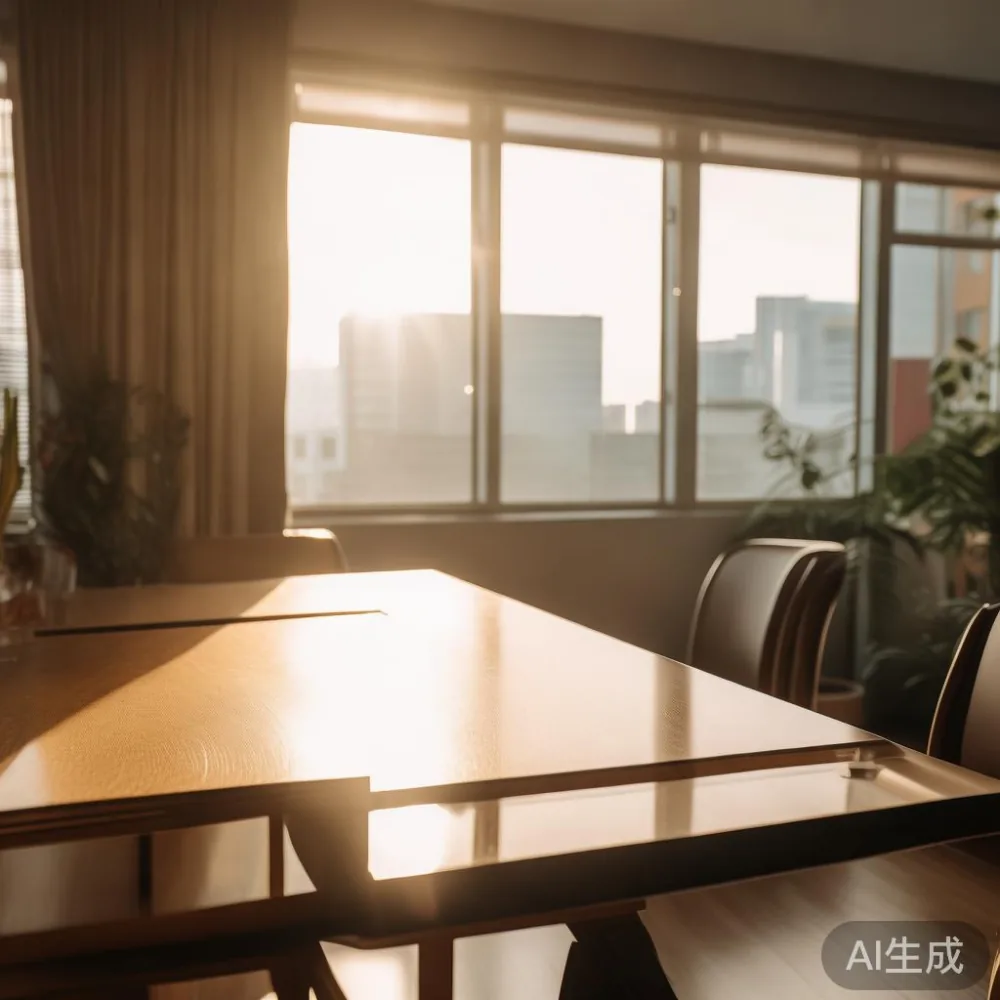
In contrast, a solid wood extendable table, crafted from a single piece of wood like solid oak or mango wood, commands a higher price. A comparable model from a reputable maker like MIDHILL would start from approximately SGD 2,500 and can go up to SGD 4,000 or more. This higher cost reflects the quality of the material, the craftsmanship involved in joining solid wood planks, and the durability. A solid wood table of this size would weigh considerably more, around 60 to 80 kilograms, and might require professional delivery and assembly due to its size and weight. The delivery for a solid wood piece is often more specialised, taking 7 to 14 business days, whereas a veneer table might be delivered within 3 to 5 days. This initial investment is the first data point in our 5-year comparison, setting the stage for the long-term financial picture.
Year 1-2: The Cost of Ownership and Maintenance
The first two years with a new table are typically a honeymoon period. However, the maintenance requirements begin to show subtle differences. For a veneer extendable table, the focus is on preventative care. Spills must be wiped up immediately to prevent the moisture from seeping into the MDF core, which can cause irreversible swelling and delamination. Using coasters is non-negotiable. Cleaning should be done with a slightly damp, soft cloth, followed immediately by a dry one. Over-polishing with chemical-based furniture polishes can dull the thin veneer finish. A good quality polish for veneer costs around SGD 30 per bottle and might be used once every two months. So, for the first two years, the maintenance cost is relatively low, perhaps SGD 180 for polish.
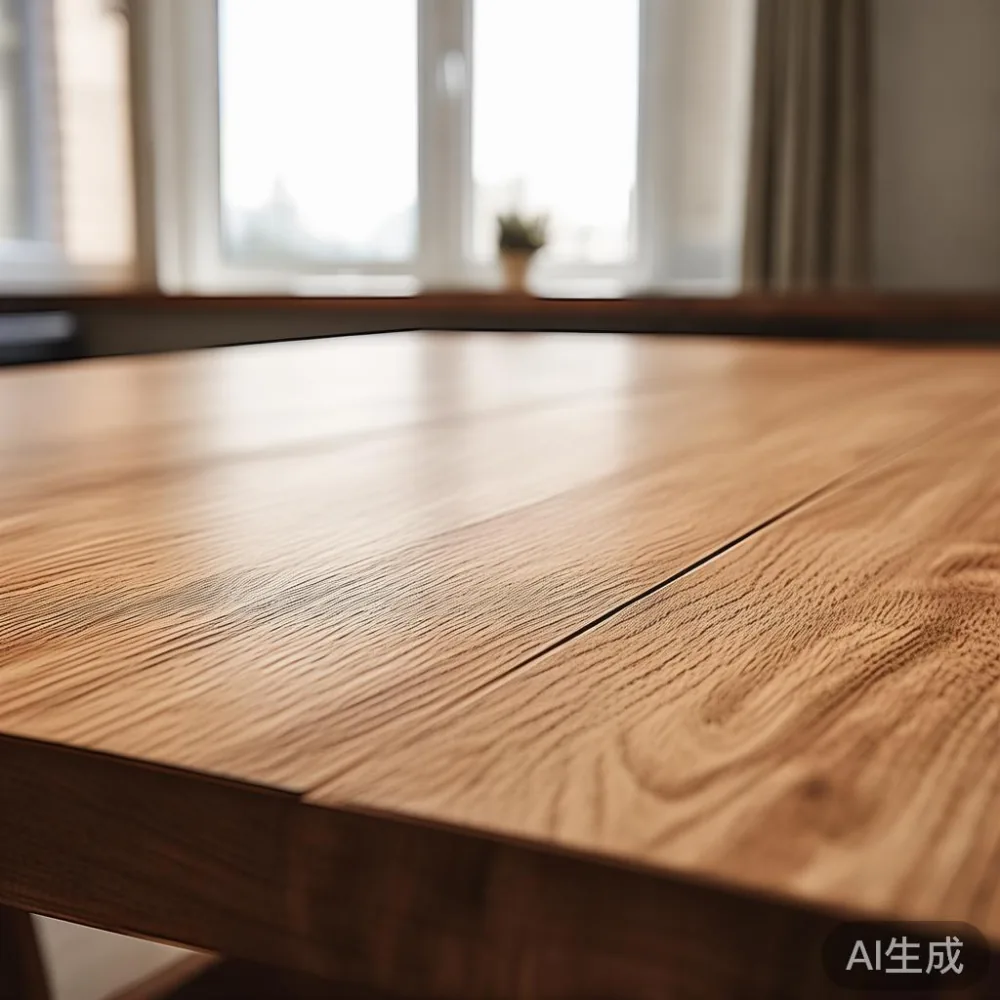
A solid wood extendable table requires a different kind of attention. It needs to be conditioned to maintain its natural oils and protect it from Singapore's humidity. This involves applying a natural wood oil or conditioner every 3-6 months. A high-quality bottle of wood oil costs about SGD 50 and can last for several applications. The process is simple: wipe the oil onto the wood with a clean cloth and let it absorb. This conditioning not only protects the wood but also enhances its natural grain and patina, which is a key characteristic of modern light luxury furniture. The owner of a solid wood table also needs to be mindful of placement, avoiding direct exposure to strong sunlight from a condo window in Tampines, which can cause the wood to fade unevenly. The maintenance cost for a solid wood table over two years would be around SGD 200 for the oil, plus potentially SGD 100 for professional sharpening of tools if any minor scratches need sanding out.
Year 3-4: The Turning Point and Repair Costs
This is where the financial paths of veneer and solid wood begin to diverge significantly. By year three, a veneer table is more susceptible to showing its age. The thin surface layer can begin to chip at the edges, especially around the leaves of the extendable mechanism. Small dents and scratches are harder to repair; attempting to sand them down risks sanding through the veneer to the composite underneath. If a water ring is left unnoticed, the damage is often permanent. At this stage, the owner faces a choice: live with the imperfections or attempt a professional repair. A furniture repair service in Singapore might charge SGD 150 to SGD 300 to fix a small area of peeling veneer, but the repair is often visible and may not hold up long-term. The structural integrity of the core MDF is also a growing concern; a heavy object dropped on the table edge could cause a chunk to break off, which is impossible to repair.
For a solid wood extendable table, year three is an opportunity for restoration, not despair. Solid wood is incredibly resilient. Minor scratches and dents can often be buffed out with fine sandpaper and re-oiled. If a deeper mark occurs, it can be filled with a wood filler that matches the grain, sanded, and refinished. The structural integrity remains high. A solid wood table from a maker like MIDHILL, with its 10-year structural warranty, gives the owner peace of mind. If a problem arises with the table's core structure, it would be covered. This period highlights the true value of solid wood: it ages gracefully and can be brought back to life. The cost for a DIY sanding and re-oiling session is minimal, just the cost of sandpaper (SGD 20) and a new bottle of conditioner (SGD 50). The table doesn't lose value; it gains character, fitting perfectly with a Vintage for guest room aesthetic.
Is a Solid Wood Extendable Table Really Worth the Higher Price?
This is the question every Singaporean homeowner asks when standing in a showroom. The answer lies in the total cost of ownership over a longer period. Let's look at the numbers. Our veneer table cost SGD 1,000. With SGD 180 in maintenance for the first two years and SGD 300 for a repair in year three, the total spent by year four is SGD 1,480. However, by year four, the table is looking worn. The homeowner might start considering a replacement. A new veneer table costs another SGD 1,000. By the five-year mark, they have spent SGD 2,480 and own a table that is already beginning its own cycle of decline.
Now consider the solid wood table. The initial cost was SGD 3,000. Maintenance over four years was SGD 250. The total spent is SGD 3,250. But the table is in excellent condition, its character having matured. It has a 10-year structural warranty, so there are no concerns about the core. If the owner decides to replace it at the five-year mark, they can sell the solid wood table for a significant portion of its original value, perhaps SGD 1,500 to SGD 2,000, depending on its condition. The net cost of ownership is therefore SGD 3,250 minus SGD 1,750 (a conservative resale value), resulting in a net cost of SGD 1,500 over five years. This is less than the SGD 2,480 spent on the veneer table that was replaced. The solid wood table proves to be the more financially sound investment when considering its entire lifecycle. This principle of durable, long-lasting furniture is a cornerstone of modern light luxury design, focusing on timeless quality over fleeting trends.
Real-Life Experience: A Tale of Two Tables
To illustrate this point, I can share the experience of my colleague, Sarah, who lives in a Punggol condominium. Two years ago, she furnished her dining area with a stylish veneer extendable table from a popular local brand. It was perfect for her space, fitting neatly in her dining area with a width of 140cm and extending to 200cm. Last month, I visited her for a dinner party. The table, which was once a rich walnut, had several noticeable issues. There was a distinct bubbling pattern near one of the table leaves, a result of a spill she thought she had cleaned up quickly. The edges were chipped from daily use, and the finish looked tired. She mentioned she was already browsing for a new one, dreading the expense and hassle. Her experience is a common one, highlighting the hidden costs and frustrations of choosing a less durable material for a high-use item like an extendable table.
Style and Function: Choosing the Right Extendable Table for Your Space
Beyond cost, the aesthetic and functional fit are critical. The style of your extendable table should complement your home's design. For a home embracing a Japandi aesthetic, the clean lines and natural textures of a solid wood table are a perfect match. You might pair it with a minimalist sideboard and learn how to style Japandi wardrobe in apartment units for a cohesive, serene look. The extendable mechanism should be smooth and reliable, allowing you to change the table length from 150cm to 220cm in a matter of seconds without effort. This is a feature often better executed in higher-end solid wood pieces due to more solid engineering. Consider the logistics: a solid wood table will be heavier and require careful manoeuvring through your corridor and lift. Ensure the dimensions, when boxed, are within the width of your HDB or condo lift. A well-chosen extendable table should enhance your living space, not become a source of stress every time you need to host guests.
The Verdict: A Financial and Lifestyle Perspective
After a thorough 5-year analysis, the evidence points clearly towards solid wood as the smarter choice for an extendable table in a Singaporean home. While the initial outlay is higher, the long-term savings on repairs, replacements, and the frustration of dealing with a deteriorating product are substantial. The financial argument is bolstered by the lifestyle benefits: a solid wood table is a permanent fixture that becomes part of your home's story. It can be refinished multiple times over its lifetime, allowing it to adapt to changing tastes. For instance, a dark oak table could be sanded down and stained a lighter maple to suit a more modern light luxury decor. This longevity aligns with the principles of sustainable and thoughtful consumption. An extendable table is not just a piece of furniture; it's an investment in your home's functionality and a centrepiece for creating memories. Choosing solid wood is choosing to invest in quality, durability, and timeless style.