What Actually Drives the Price of Solid Wood Furniture?
Walking through a furniture showroom in Singapore, especially in areas like Tampines or Bedok where HDB corridors can be narrow, the price difference between two solid wood dining tables can be staggering. One might cost SGD 800, while another, looking somewhat similar, is priced at SGD 3,500. For many homeowners, the question isn't just about style; it's about understanding what justifies the cost. Is it the wood? The brand? The finish? As a specialist who has examined furniture from manufacturers across Foshan and spoken with countless Singaporean families, I can tell you that the price of a solid wood piece, like a dining table or wardrobe, is the result of a complex interplay of factors. It's not a single element but a combination of materials, craftsmanship, design, and logistics that ultimately determines the final price tag you see in a showroom or online.
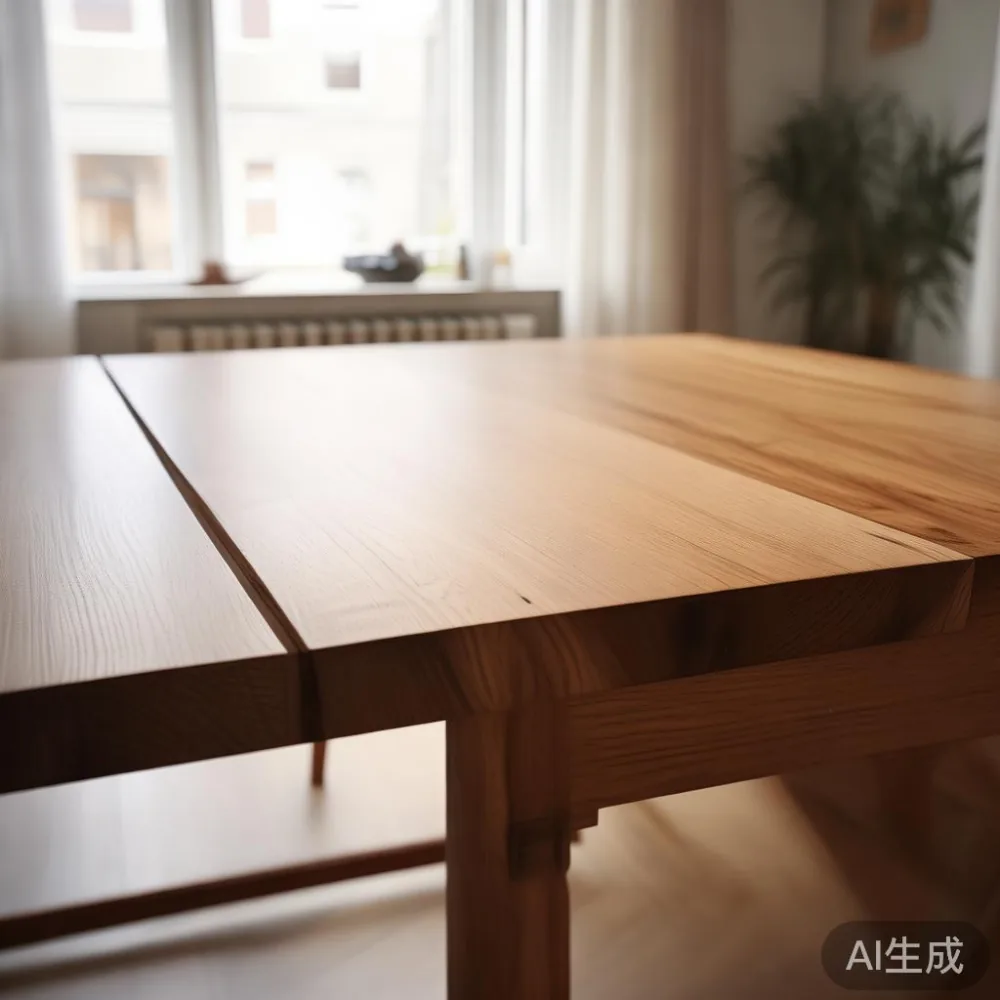
Why is a Solid Oak Dining Table More Expensive Than a Rubberwood One?
The most fundamental driver of price is the raw material itself. Not all wood is created equal, and the differences are significant. When we talk about solid wood furniture, we're referring to furniture made entirely from natural lumber, not engineered wood like MDF or particleboard covered with a veneer.
Take the common rubberwood, often found in more affordable pieces. It's a byproduct of the rubber tree industry, making it an economical choice. A dining table made from rubberwood might cost SGD 1,200. However, it's a relatively soft wood, prone to dents and scratches, and its grain pattern is often less pronounced. On the other hand, a solid oak dining table from a reputable brand can easily exceed SGD 3,500. Oak is a hardwood known for its exceptional durability, prominent grain, and longevity. It can withstand decades of use, which is a key consideration for a family in a Punggol condo who plans to use the table for years. Other premium woods like walnut or mahogany command even higher prices due to their scarcity, beautiful figuring, and rich colours.
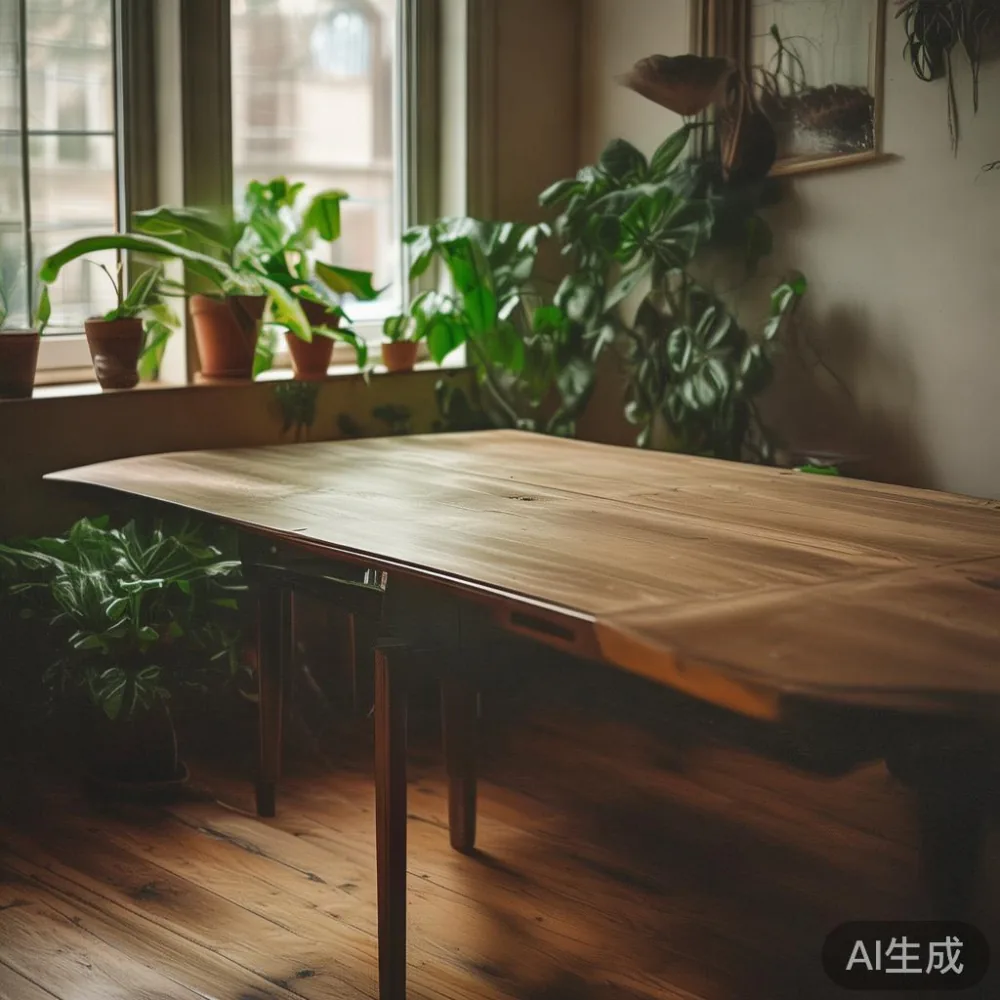
It's not just the type of wood, but also its origin and grade. A piece of 'quarter-sawn' oak, where the log is cut at a specific angle to reveal a beautiful, straight grain pattern, will be more expensive than 'plain-sawn' oak. Furniture makers who use sustainably sourced, high-grade timber will reflect that cost in their pricing. The thickness of the wood also matters. A solid wood bed frame made from 3cm thick slats is inherently more expensive and durable than one made from 1.5cm slats, as it uses more raw material and provides superior support.
Does Craftsmanship Really Make a Difference in the Price?
Once you have the wood, the next major factor is the craftsmanship involved in turning it into a piece of furniture. This is where the true distinction between mass-market and well-made pieces becomes apparent. The process of hand-cutting, hand-sanding, and hand-finishing a dining table is labour-intensive and skilled.
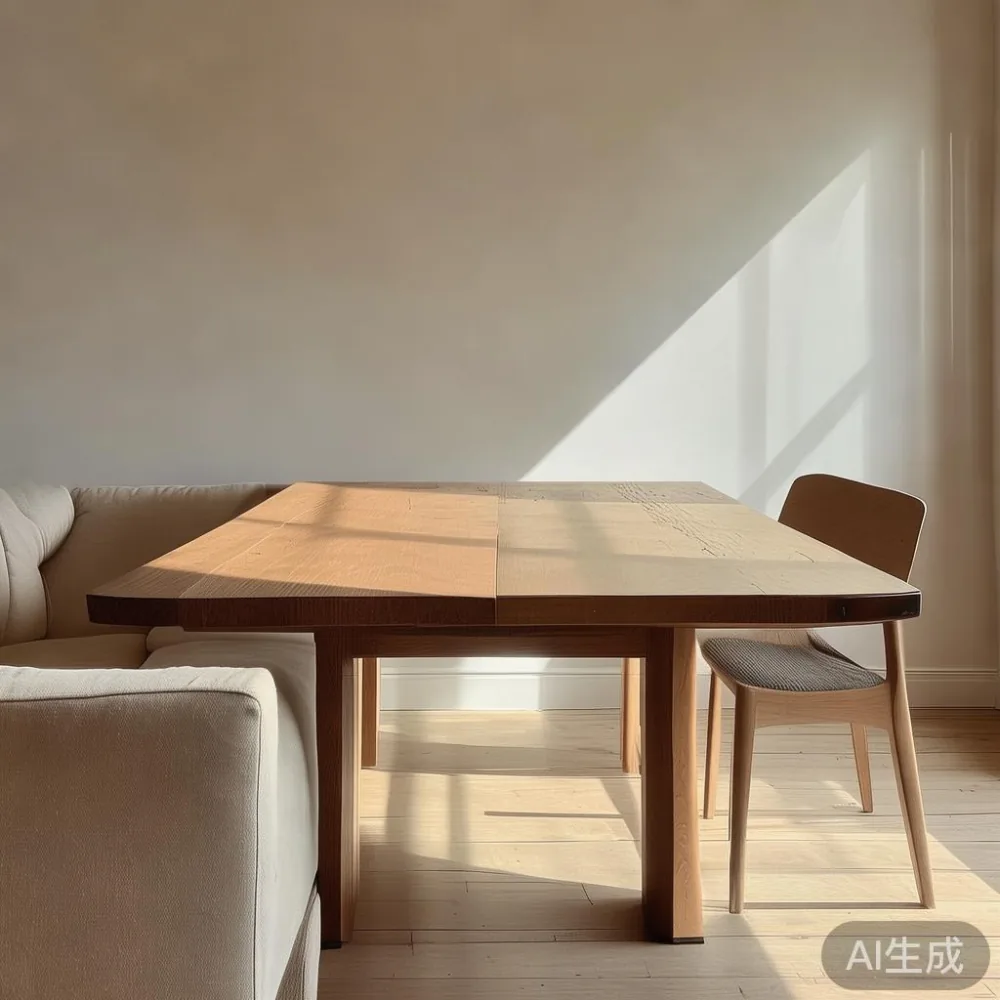
Consider the joinery. High-end furniture uses traditional joinery methods like mortise and tenon, or dovetail joints. These interlocking techniques create incredibly strong and durable connections that can last for generations. A solid wood wardrobe constructed with dovetail joints on the drawers will be priced higher than one using simple dowels or staples. The difference in labour cost is significant. A skilled carpenter in a Foshan workshop takes 15-20 hours to hand-cut the joints for a single dining table, whereas a machine can do it in minutes. This labour cost is passed on to the consumer.
My colleague, who visited a workshop in Foshan last month, saw this firsthand. He watched artisans hand-rubbing oil into a marble table top for over an hour, a process that creates a deep, lustrous finish that cannot be replicated by a machine. He noted that this level of attention to detail is what separates a piece of furniture that feels alive from one that feels merely functional. The sanding process alone can involve up to five different grits of sandpaper, applied by hand, to ensure a perfectly smooth surface before any finish is applied. This meticulous work is a hallmark of quality and a primary reason for the higher price point.
Why Do Designs Like French Light Luxury Cost More?
Design and brand positioning play a huge role in pricing. A simple, minimalist extendable table will almost always be less expensive than a highly ornate or designer piece. The cost of design includes not just the aesthetic but also the engineering, prototyping, and intellectual property.
Take a French light luxury dining table. This style is characterised by elegant curves, fine details, and a sense of refined opulence. The design requires more complex woodworking, more precise joinery, and often more expensive hardware to achieve the desired look. The brand's reputation and design philosophy are part of the price. You are paying for the story, the aesthetic, and the perceived value that comes with a specific design language. Similarly, finding designer Modern light luxury furniture under 2000 SGD is a challenge because the design itself carries a premium. The hours spent by a designer to create a unique silhouette or a specific finish are factored into the cost of each piece.
Even within the same brand, different designs have different price points. A post-modern light luxury extendable table with clean lines and a simple finish will be less expensive than one featuring intricate inlays or a premium marble table top. The complexity of the design directly correlates with the amount of labour and material required to produce it.
What About the Finish and Hardware?
The finish is the protective and aesthetic layer applied to the wood. It's a critical component that affects both the look and the durability of the furniture. A simple, cheap lacquer or paint finish will be less expensive than a hand-applied oil or wax finish.
A high-quality oil finish, like the ones used by many premium makers, penetrates the wood grain, enhancing its natural beauty while providing excellent protection. The application process is slow and requires multiple coats, with drying time in between. This is far more labour-intensive than a spray-on varnish. For a piece like a solid wood sofa or a nightstand, the choice of finish is paramount. A durable, non-toxic finish is a must for furniture that will be used daily. This is why a nightstand with a hand-rubbed tung oil finish might cost SGD 450, while a similar-looking one with a basic lacquer finish is SGD 250.
The hardware is another often-overlooked factor. The hinges, drawer slides, and table mechanisms must be solid and reliable. A dining table with a smooth, self-storing butterfly leaf mechanism is more expensive to manufacture than one with a simpler, manual extension system. High-quality drawer slides that open and close silently for years are a sign of good construction and add to the cost. For a wardrobe, soft-close hinges are a standard feature in higher-end pieces, preventing slamming and adding to the price. These components may seem small, but they are critical to the long-term functionality and user experience of the furniture.
How Does Logistics and Warranty Affect the Final Price in Singapore?
For a Singaporean consumer, the price on the tag doesn't just cover the wood and labour. It also includes the complex logistics of getting a piece of furniture from a workshop in Foshan to your HDB flat or condo. This involves international shipping, customs duties, and local delivery.
Shipping a large, heavy item like a solid wood bed frame or a dining table is expensive. It requires specialised containers and careful handling to prevent damage. Once it arrives in Singapore, it must clear customs. This is where the Goods and Services Tax (GST) of 9% comes into play. The GST is calculated on the cost of the goods plus the shipping and insurance, known as the CIF value. So, a dining table that costs SGD 2,000 from the manufacturer might have an additional SGD 300 in shipping and insurance. The GST is then applied to the total of SGD 2,300, adding another SGD 207 to the cost. This tax is a mandatory part of the final price.
Local delivery within Singapore is another cost factor. Delivering to a high-floor apartment in a building with a narrow lift in Bedok requires more effort than a ground-floor unit. Professional delivery services charge based on size, weight, and access. Free shipping, like the one offered by some brands for orders over SGD 350, is a significant value proposition that is built into the pricing structure of their products.
Finally, the warranty is a critical component of the price. A 10-year structural warranty is a promise from the manufacturer that the furniture is built to last. This requires high-quality materials and construction, which costs more upfront. The warranty also represents an ongoing cost for the company to honour it. A lifetime refinishing service, like the one offered by some makers, is an even stronger commitment. It means that if the finish on your dining table wears down over time, they will help you restore it. This level of after-sales service is a sign of confidence in their product and is factored into the initial price. When you compare two extendable tables, one with a 1-year warranty and one with a 10-year warranty, you are paying for that long-term peace of mind with the more expensive option.
Is a Cheaper Extendable Table a Better Deal for My Singapore Home?
This is the question every homeowner in Singapore asks when standing in a showroom or scrolling through an online catalogue. The temptation to save money is always there, especially when dealing with the space constraints of an HDB flat. However, when you consider the total cost of ownership, a more expensive piece often offers better value.
A cheaper extendable table might seem like a perfect fit for a small living room in a Tampines HDB. It might be priced attractively at SGD 900. But what is it made of? Is the wood durable enough to withstand the humidity and daily use? Is the mechanism for extending the table smooth and likely to last for years, or will it break after a few uses? What happens if a leg starts to wobble a year later? With a short warranty, you're on your own.
On the other hand, a higher-quality extendable table from a reputable brand might cost SGD 2,500. It's a significant upfront investment. But that piece is likely made from a durable hardwood, features solid joinery, and has a smooth, reliable extension mechanism. It comes with a 10-year warranty, protecting your investment. It will look better, feel more substantial, and last for decades. It might even become a family heirloom that can be passed down. For a family that entertains often or plans to stay in their current home for a long time, this long-term value makes the higher price a wise decision.
It's also about the experience of owning the furniture. A well-made piece feels substantial and satisfying to use. It becomes a part of your home. When you pull up a chair to a solid wood dining table that feels stable and well-crafted, it adds a sense of quality to your daily life. This intangible benefit is something that cheaper, mass-produced furniture simply cannot provide. When considering a purchase, think beyond the initial price and ask yourself how long you want the piece to last and how you want it to make you feel every day.
Ultimately, understanding what drives the price of solid wood furniture allows you to make a more informed decision. You can see that a higher price often reflects superior materials, skilled craftsmanship, thoughtful design, reliable hardware, and comprehensive support. It's an investment in quality, durability, and the enjoyment of your living space. Whether you're furnishing a new condo in Punggol or simply upgrading your dining area, knowing what you're paying for helps you choose a piece that you will love and cherish for many years to come.