How to Match Furniture to a Warm Minimal Interior (Singapore HDB & Condo Guide)
I spent last Saturday walking through a 1,050 sq ft condo in Punggol with a client who had just taken delivery of a brand new extendable table. The room was painted in a soft ecru (something close to Jotun 10979 linen beige), the floor was a 15 mm engineered oak in a warm honey tone, and the only thing missing was a coherent furniture plan that would not make the dining area feel like an island in the middle of a catalogue page. We sat down with a tape measure, a folder of MIDHILL specification sheets, and a very practical question: how do you match a warm minimal interior when the lift at the HDB block measures only 1.1 m wide and the corridor turn is roughly 1.6 m? That question is the spine of this guide, and the answers below come straight from that visit, plus several follow-ups in Tampines and Bedok over the past month.
What Does a Warm Minimal Interior Actually Look Like in a Singapore Flat?
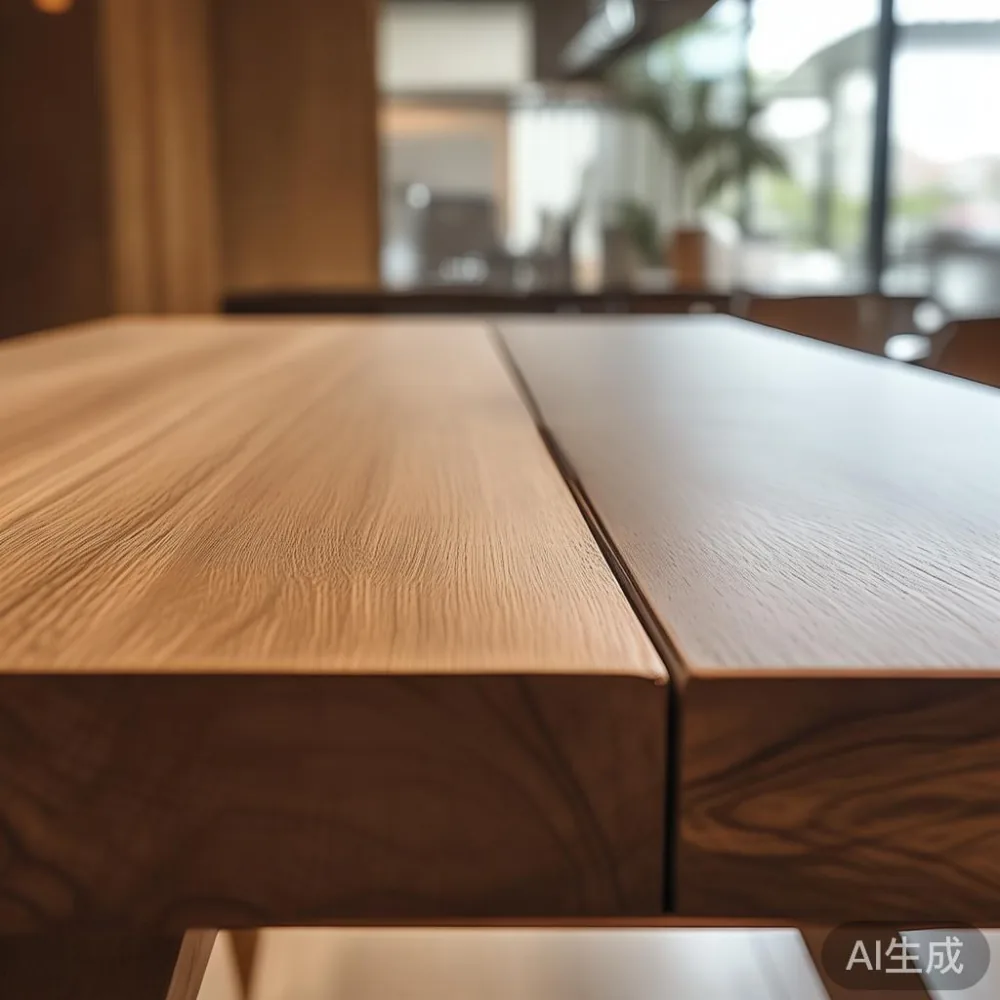
Warm minimalism is not the cold, gallery-style minimal that dominated Pinterest in 2018. It is a softer register: bone white walls, oak or walnut timber, brushed brass hardware, one or two pieces of marble, and a single textured textile (usually linen or bouclé). In a 4-room HDB at 92 sq m, this typically means 4 to 6 furniture pieces with visible solid wood, and 2 to 3 accent items. The room is meant to feel calm on a Sunday morning and equally composed on a Friday when eight people are coming over for dinner. The hero of that brief is almost always an extendable table, because nothing else in the room needs to physically change shape between lunch for two and dinner for eight. A standard 140 cm × 80 cm four-seater extendable table becomes roughly 200 cm × 90 cm with one or two leaves, and a six-seater at 160–180 cm can reach 240 cm when fully extended. In an HDB dining area that is usually 2.4 m to 2.8 m long, an extendable table in the 160–200 cm closed range is the sweet spot: it leaves 90–100 cm behind each chair for circulation, which is the minimum you want when someone stands up to clear plates.
The warm minimal palette also depends heavily on grain visibility. Solid wood sofa frames, bed frames, wardrobes, and nightstands all read warmer when the timber is open-pore rather than high-gloss lacquered. That is why most buyers I speak to in Bedok Reservoir and Simei ask for white oak, ash, or light walnut, and avoid anything that looks like a piano finish. The warmth is in the texture, not the colour.
How Do I Plan Around the Lift, the Corridor, and the Staircase Before I Order Anything?
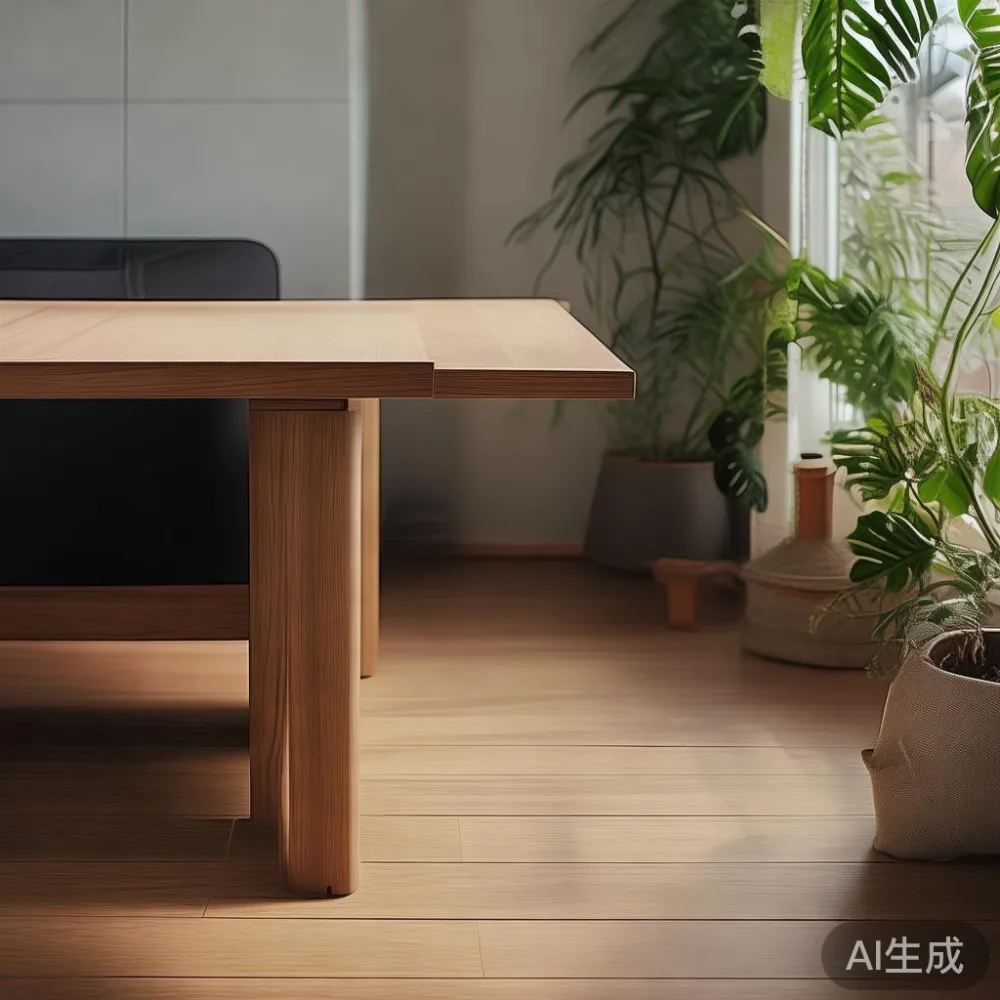
This is where Singapore breaks the rules of most online buying guides. The typical HDB lift door opening in blocks built after 2005 is 0.9 m wide and 2.1 m tall, and the lift car inside is roughly 1.1 m wide by 1.4 m deep. A 200 cm extendable table in its packaging usually arrives in a flat-pack crate of about 210 cm × 95 cm × 18 cm, which will not fit diagonally in lifts under 1.2 m wide. I learned this the hard way when a 180 cm × 90 cm marble table had to be tilted vertically and slid in at an angle during a Punggol walk-up delivery. The fix is simple: ask the supplier for the packed dimensions, the net weight (a 6-seater solid wood extendable table in oak is typically 55–70 kg), and the largest single component measurement. A good supplier will tell you all three before payment.
At MIDHILL, for example, every extendable table ships with a written packing list and a hoist or two-man delivery option for SGD 80 to SGD 150, depending on the floor and whether a stair carry is involved. Their free-shipping threshold of US$350 (around SGD 480 at the current 1.36 rate) usually covers one extendable table on its own, so the GST (9% from 1 January 2024) is the only real surcharge, plus the optional lift-hoist fee above the 4th floor. A 4-room HDB on the 7th to 10th floor in Tampines North should budget SGD 50 to SGD 120 for the hoist on top of the table price, which is a small number compared to replacing a scratched marble top.
Which Wood Tone Should I Choose for the Extendable Table, the Bed Frame, and the Wardrobe?
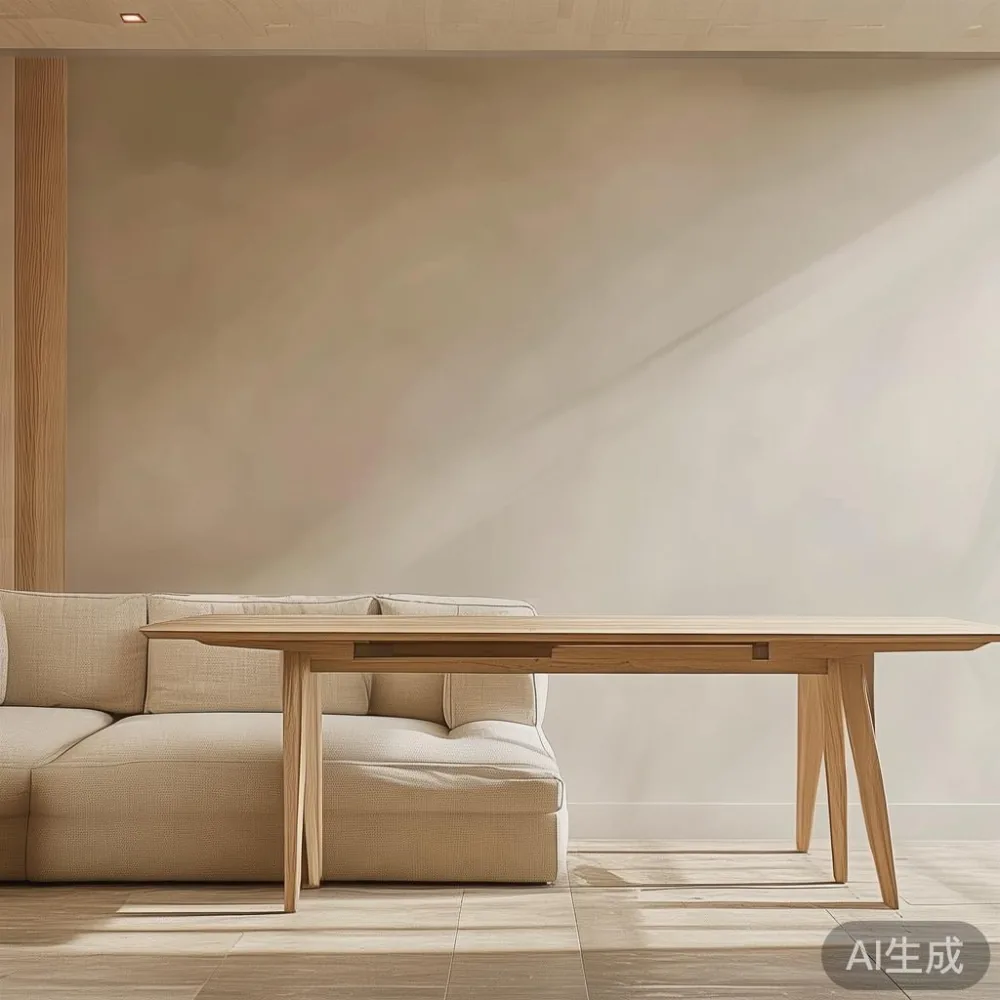
Stick to one dominant tone and one supporting tone. In the Punggol condo, we used a white oak extendable table at around SGD 1,650 to SGD 2,200 (160 cm closed, 200 cm open, with one 40 cm leaf) and matched it to a solid wood bed frame in the same oak at SGD 1,180 to SGD 1,450 for a queen. The supporting tone was a light walnut nightstand, which gives just enough contrast to keep the room from looking monochrome. A common mistake is to buy a bed frame in one wood, a wardrobe in another, and a dining table in a third; the eye reads that as three separate rooms glued together. Pick the extendable table first, then build the bed frame, the nightstand, and the wardrobe around its grain pattern and undertone.
Warm minimal also tolerates one piece of marble, and only one. A small marble table (60 cm round or 50 cm square) as a side piece next to the solid wood sofa works because the cool veining offsets the warm wood without competing. Anything bigger and the room starts to read as American light luxury rather than warm minimal, which is a different visual brief and a different budget (American light luxury often runs 20–35% higher on the same dimensions because of thicker marble and brass detailing).
How Should I Style the Dining Zone So the Extendable Table Disappears Into the Room?
Keep the top 70% empty. That is the rule I use with every client, and it is the rule that separates a calm dining area from a busy one. One vase (a 25 cm tall stoneware piece in bone or sand), one tray, and a small linen runner when the table is in its closed position. When extended for a six- to eight-person dinner, the runner goes away and a single low centerpiece is enough. The chairs matter as much as the table: a solid wood extendable table paired with upholstered chairs in a tonal boucle (oatmeal, sand, or stone) reads warmer than the same table with black metal chairs. Budget around SGD 220 to SGD 380 per chair for a good boucle dining chair in Singapore, which brings a four-chair set to roughly SGD 880 to SGD 1,520.
Lighting is the other quiet hero. A 90 cm to 120 cm linear pendant in brushed brass or matte black, hung 70 to 75 cm above the table surface, anchors the dining zone without forcing the eye downward. Pair it with a 3,000 K warm dimmable bulb, which costs about SGD 12 to SGD 18 each at Sim Lim Square or any IKEA Alexandra outlet. Avoid anything above 3,500 K in a warm minimal room; the cooler the light, the more the oak will read as flat and yellow.
Is a French Light Luxury Direction Possible Without Making the Flat Feel Heavy?
Yes, but with restraint. French light luxury tends to lean on curved silhouettes, soft cabriole lines on the solid wood sofa and dining chairs, and a marble table with a soft-veined grey or rose top. The risk in a 92 sq m HDB is that those curves, combined with brass, can crowd the visual field quickly. The trick is to use the French vocabulary on only one or two pieces (typically the dining chairs and the marble table) and let the bed frame, wardrobe, and nightstand stay in a post-modern light luxury register, which is more geometric, flatter in profile, and easier to live with day to day. The contrast between curved chairs and a rectilinear extendable table is what makes the room feel composed rather than themed.
For storage, look for European light luxury with storage on the sideboard or the TV console, where soft-close drawers and a slim brass pull can carry the French detail without adding bulk. A sideboard at 180 cm × 40 cm × 80 cm in white oak with two drawers and two doors typically lands at SGD 1,450 to SGD 1,980 and will hold a full set of dinnerware for eight. That is also where the extendable table leaves can live when not in use, which is the single most practical reason to plan the dining zone around a real extendable table from the start.
What About a Home Office Nook That Still Feels Warm Minimal?
In most Singapore three- and four-bedders, the home office is a 1.2 m to 1.5 m slice of the living room or a converted study nook. The risk is that it reads as a desk dropped into a calm room. A 120 cm × 60 cm solid wood desk in the same oak as the extendable table, paired with a slim leather chair, keeps the grain story consistent. The mid-century modern for office direction is well suited to this scale because the legs are usually splayed and thinner, which keeps the floor visible and the nook open. Add a single brass task lamp, a small marble table or marble tray for keys, and a closed shelf above the desk in the same oak, and the nook disappears into the room instead of competing with the dining zone.
What If the Guest Room Needs a Bed That Does Not Look Like a Hotel?
A guest room is a good place to introduce the one piece that does not belong in the main rooms, because it is only used a few weekends a year. If the main bedroom is warm minimal in oak, the guest room can go in a different direction. The Japanese bed vs French provincial bed conversation is relevant here, because a Japanese bed is usually low (under 30 cm platform height), clean-lined, and uses pale ash or beech, which complements oak without matching it. A French provincial bed, by contrast, brings a curved headboard, a painted white or cream finish, and decorative carving, which reads softer and more romantic but heavier in a small room. For a standard 3 m × 2.7 m HDB guest room, the Japanese platform direction keeps the floor visible and the room calmer. A queen Japanese platform bed frame in solid ash typically runs SGD 1,080 to SGD 1,450, and it pairs well with a slim oak nightstand carried over from the main bedroom for visual continuity.
European for guest room styling also works if you want the spare room to feel more like a small hotel suite: a slim brass reading lamp, a single piece of framed art, and a chair upholstered in a neutral linen. Keep the wardrobe inside the room in the same oak as the rest of the flat; a mismatched wardrobe in a guest room is the fastest way to make a small flat feel like a clearance catalogue.
How Do I Budget Honestly for a Warm Minimal Flat in 2025?
For a 92 sq m four-room HDB in Punggol, Tampines, or Bedok, a realistic warm minimal furniture package looks like this: one extendable dining table in white oak (SGD 1,650 to SGD 2,200), four boucle dining chairs (SGD 880 to SGD 1,520), a solid wood sofa in a 2.4 m three-seater (SGD 1,980 to SGD 2,650), one queen bed frame (SGD 1,180 to SGD 1,450), two nightstands at SGD 320 to SGD 420 each, a three-door wardrobe (SGD 1,850 to SGD 2,400), one sideboard (SGD 1,450 to SGD 1,980), one marble table (SGD 780 to SGD 1,150), one home office desk (SGD 680 to SGD 980), and a guest bed frame (SGD 1,080 to SGD 1,450). Add roughly 9% GST, a delivery and hoist budget of SGD 250 to SGD 450 across the whole order, and you are looking at a total in the SGD 13,200 to SGD 16,800 range before accessories. That is the realistic mid-market for solid wood in Singapore, and it is the band where MIDHILL tends to sit, with a 10-year structural warranty and lifetime refinishing that keeps the total cost of ownership lower over 10 to 15 years than cheaper flat-pack replacements.
Buyers searching for sale Minimalist furniture in Singapore should treat the keyword carefully: a true sale usually means 12 to 25% off the list price, and the supply chain from Foshan to Singapore is roughly 18 to 28 days by sea, plus 2 to 3 days for local delivery and installation. Anything that promises a 7-day delivery from a local warehouse is almost always stocked flat-pack, not solid wood. For a buyer who wants for sale Mid-century modern furniture with real grain and dovetail joinery, the wait is the trade, and the 10-year structural warranty is the proof that the supplier is willing to stand behind the wait.
How Long Does Delivery Take, and What About Returns?
From Foshan to Singapore by sea, a typical MIDHILL container clears in 18 to 28 days, depending on the Shenzhen-Yantian to Singapore leg and the PSA side. Local delivery in Singapore is then 2 to 3 working days, and installation is usually same-day. The 14-day return window starts the day the goods are signed for, and the 10-year structural warranty covers frame integrity, drawer runners, and the extension mechanism on an extendable table, which is the part that gets the most mechanical stress over time. Lifetime refinishing, by contrast, is a service you can book every 5 to 8 years: the piece is collected, re-sanded, re-stained, and re-sealed, and returned in roughly 14 to 21 days. For a 1,650 SGD oak extendable table, refinishing costs around SGD 280 to SGD 420 depending on size, which is a small fraction of replacement.
So What Is the Right First Step?
Measure the lift, the corridor, and the dining zone first. Write down three numbers: lift width, corridor turn, and dining length. Then shortlist two or three extendable tables in the right closed length, ask for the packed dimensions and the largest single component, and check whether the supplier offers a hoist option. Finally, build the bed frame, the nightstand, the wardrobe, and the solid wood sofa around the wood tone of that table. In a warm minimal Singapore flat, the dining table is not just a piece of furniture; it is the visual anchor of the entire home, and choosing it first will save you from re-buying the rest later.