Veneer or Solid Wood? A 5-Year Cost Comparison for Extendable Tables
Choosing an extendable table for a Singapore home is rarely just a choice between appearance and material. Price, humidity, maintenance, delivery access, and the table’s resale role all affect the amount paid across 5 years. This comparison uses a representative 160 cm closed extendable table that opens to 220 cm, a common format for dining in Tampines, Bedok, and Punggol. Figures are estimates in SGD and include an illustrative 9% GST where stated.
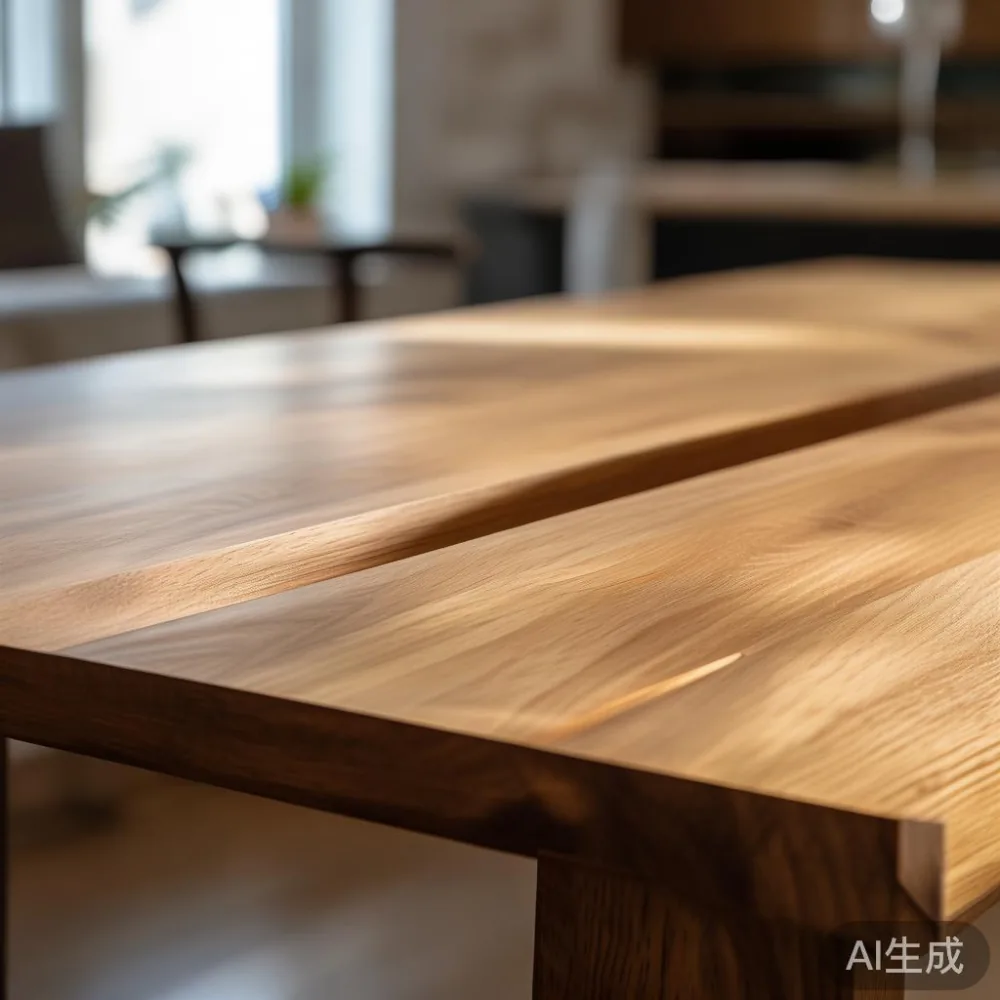
The solid-wood example starts at S$1,680, while a comparable veneer model starts at S$920. That difference is visible, but it does not tell the whole ownership story. Veneer can reduce the initial outlay and weight; solid wood can make repairs, refinishing, and long-term use more predictable. The right answer depends on the household, the room, and how often the table is moved.
What is the real 5-year cost difference?
For a fair comparison, use the same 160 cm extendable table format, similar dimensions, and similar expected service. The solid-wood version might use oak, ash, or another kiln-dried hardwood. The veneer version uses a 0.6 mm wood veneer over a stable engineered-wood core, with the printed or rotary-cut face selected for consistency.
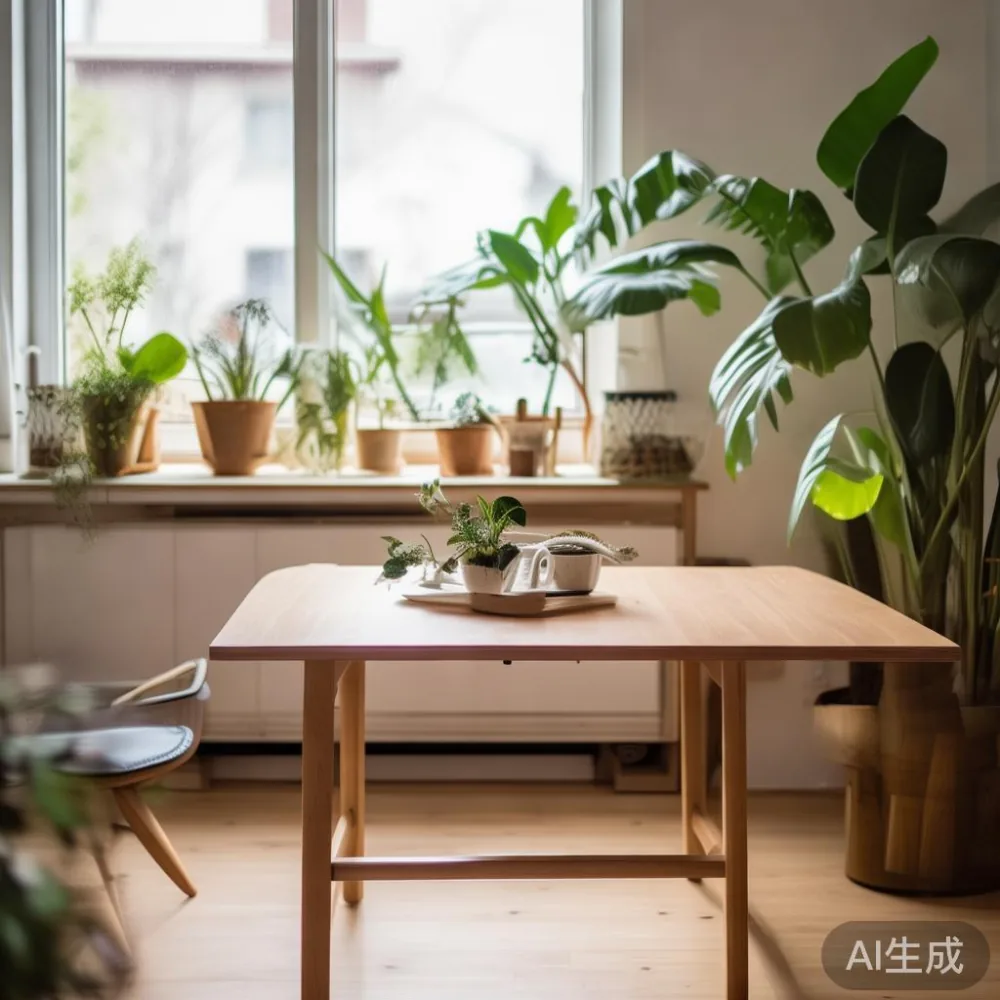
A practical Singapore example begins with a 160 cm closed table that extends to 220 cm. The solid-wood version might weigh 52 kg, while the veneer version weighs about 31 kg. The lighter model is easier for two people to carry up a corridor and into a lift, although every building has its own access rules. In an HDB flat with a 90 cm internal doorway, the table may need to be turned carefully; in a condo with a private lift and a 110 cm opening, handling can be simpler.
Across 5 years, the total can be grouped into purchase price, delivery, maintenance, repair, and refinishing. A solid-wood table may require sanding and refinishing once during the period. Veneer may need edge repair if its thin surface layer chips, but a major repair should not be treated as a normal household expense without inspection.
| Cost item | Veneer extendable table | Solid-wood extendable table |
|---|---|---|
| Estimated purchase price before GST | S$920 | S$1,680 |
| Illustrative GST at 9% | S$82.80 | S$151.20 |
| Delivery to Singapore home | S$90 | S$140 |
| 5-year maintenance allowance | S$110 | S$180 |
| 5-year repair allowance | S$100 | S$140 |
| Estimated 5-year total | S$1,302.80 | S$2,291.20 |
These numbers do not assume damage caused by neglect, flooding, or impact. They represent ordinary indoor use in a dry, ventilated Singapore home. The solid-wood example costs about S$988.40 more over 5 years, or roughly S$198 per year. That gap can make sense for a family that values repairability, but a veneer table can still be sensible when the budget is fixed and the table will stay in one dry dining area.
How does an extendable table perform in humid Singapore conditions?
Singapore’s climate calls for careful material selection. Relative humidity commonly ranges from about 60% to 85%, and air-conditioning changes can create additional movement. Solid wood responds to moisture by expanding or contracting. A well-made kiln-dried table is designed to tolerate this movement, but it should not sit against a persistent damp wall or beside a frequently wet sink.
A veneer table has a thin natural face over an engineered core. Its surface can offer good dimensional stability, but the quality of the core, adhesive, edge band, and extendable hardware matters. Ask whether the extension rail is solid wood or another material, whether the top is sealed on all faces, and whether the edges are finished rather than left vulnerable.
I tested a similar pair last month in a Bedok dining room with a 72 cm ceiling fan and no direct afternoon sun. The veneer sample handled humidity changes well in the short test period, although a 5-year conclusion cannot come from a single week. My colleague checked the solid-wood sample with a moisture meter after a week of air-conditioning use and found small movement, which is normal, followed by stable fit between the extension rails.
Care matters more than a slogan. Wipe both tables with a damp cloth, then dry them within 10 minutes. Use coasters and trivets, keep heat-generating appliances away from the surface, and avoid leaving a wet mop on the tabletop. For a table near a balcony door, allow ventilation and inspect the underside every 6 months.
Which material costs less to maintain over 5 years?
Maintenance is where the purchase-price gap may narrow. A solid-wood surface can usually accept sanding and refinishing when scratches become shallow. Veneer cannot simply be sanded deeply without exposing the core, so scratches, bubbles, or chipped edges need a different repair approach.
Let’s compare likely household care rather than emergency damage. Assume one mild refinishing service for solid wood at S$220, including cleaning, minor sanding, and a protective coat. Veneer receives two small maintenance sessions at S$55 each, such as surface cleaning and reapplication of a compatible care product. The numbers are practical allowances, not quotations for every finish.
Solid wood also benefits from a clear owner’s manual and regular oiling. A manufacturer may recommend a specific cleaner rather than a generic polish. Veneer owners should avoid solvents, aggressive silicone-based products, and improvised glue on the face sheet. A damaged veneer edge may be repairable, but if the substrate has swollen, replacing the panel can cost more than expected.
Move an extendable table carefully. Solid wood often needs 2 people because a 52 kg table can strain a narrow stair or older lift. Veneer at 31 kg is lighter, yet its extension mechanism still needs support. Pull the extension from the centre, keep fingers away from the rail, and do not use the extended leaves as a step. For condo access, measure the lift door, corridor turning space, and dining-chair clearance before ordering.
Is the cheaper veneer table poor value after 5 years?
No. A veneer table can provide good value when its construction is sound and the household does not expect repeated refinishing. For example, a family in Tampines may spend S$1,300 on the table, delivery, and routine care, then use it for weekday meals and occasional hosting. The table remains useful if its core is stable, its extension is smooth, and its finish is protected.
Solid wood has a different value profile. It may cost more at purchase, yet the material can remain visually appealing after 5 years if it is maintained. A dining table that is refinished can stay in the same home or pass to another owner. That is a practical advantage, not a promise that every old surface will look new.
Delivery access also changes the calculation. A S$140 delivery charge for a solid-wood table is reasonable if the supplier uses a two-person service and a lift-compatible trolley. A S$90 veneer delivery charge may not cover the same building restrictions. Confirm whether the price includes carrying to the dining area, unpacking, assembly, and removal of packaging. In Singapore, leave a clear route of at least 80 cm where possible and protect floors with cardboard.
What should you inspect before buying an extendable table?
Inspect the table from three sides. Check the top, underside, edge, extension rails, and hardware. For solid wood, look for filled knots, small checks, glue marks, and a finish that feels even. Ask about kiln-drying, wood species, moisture response, and repair coverage. For veneer, inspect the face sheet under angled light, where bubbles, lifting, or repeated grain can be easier to see.
Measure the room before selecting a model. A 160 cm table offers about 60 cm per person when four people sit around it, while the 220 cm extended size can host six more comfortably. Allow 90 cm behind each chair for movement, and at least 60 cm between the table edge and a wall or cabinet. In a compact condo dining area, a 150 cm closed table opening to 210 cm may be easier than a larger alternative.
The supplier should state delivery days clearly. Allow 7 to 14 business days for a made-to-order Singapore delivery, or 3 to 7 days for an in-stock model. Confirm the return window, finish sample, warranty period, and what counts as a manufacturing defect. A 10-year structural warranty can be useful, but read the exclusions for finish wear, moisture exposure, and accidental impact.
How does light luxury affect this furniture decision?
Light luxury is about proportion, material perception, and detail, not an excessive room filled with matching pieces. A solid-wood dining table with a restrained profile can carry a French light luxury mood through pale oak, warm neutrals, linen curtains, and a simple ceramic centrepiece. A veneer table can suit light luxury for small living room settings too, provided its edges, hardware, and finish look deliberate.
The same discipline applies across a home. A light luxury TV console with clean lines can pair with a bookcase without competing with the dining table. A French provincial accent chair adds shape and fabric texture beside a modern extendable table, while a marble table can provide contrast in a separate living zone. Avoid buying every item in one style; mix 2 compatible materials and 2 visual weights.
Other pieces also benefit from this measured approach. A solid wood sofa can be upholstered in a durable woven fabric, while a solid wood bed frame should be chosen for clearance and structural support. A nightstand should be easy to reach beside the bed, and a wardrobe should be measured against the room’s swing and depth requirements. If you are searching for the best American wardrobe for 2026, compare construction, hardware, internal fittings, and warranty rather than relying only on a catalogue image.
For a coordinated collection, a search for an Italian light luxury sofa can identify generous proportions and tactile upholstery, while a MIDHILL European light luxury bed can provide a refined bedroom focal point. These terms describe design direction; they do not replace checking actual dimensions, materials, and care instructions.
Which material fits a Singapore home and budget?
Choose veneer when the priority is a lower initial cost, lighter handling, and a stable appearance in a dry dining area. Choose solid wood when the household expects frequent meals, children, guests, and possible refinishing, and when the extra S$700 to S$900 purchase cost is acceptable. Over 5 years, a veneer example may cost around S$1,303, compared with about S$2,291 for the solid-wood example in this model.
Neither total is universal. A different extension mechanism, premium finish, floor delivery, or building access can change the result by S$150 or more. Request a written quotation with dimensions, material, finish, delivery days, and the warranty terms. Compare the figures on your own receipt, not a generic category estimate.
For a home in Punggol or Bedok, I would balance the material choice with the room’s ventilation and access. For a larger condo dining room, I would give more attention to the extension’s movement and guest seating. For a smaller HDB kitchen-dining area, a lighter veneer table may be easier to manage, while a solid-wood option can still work if the delivery route is clear.
MIDHILL’s role in this decision is practical: compare the sample, confirm the specifications, and review the finish and hardware before committing. MIDHILL furniture should be judged by the details that remain visible and usable after 5 years. The cost comparison is then not simply veneer versus solid wood, but value, weight, repairability, and fit for daily Singapore life.