How to Choose an Extendable Table for a Singapore HDB or Condo Living Room
A compact HDB living room can look crowded long before every seat is occupied. The usual reason is not a small television or an oversized solid wood sofa, but a dining table that cannot negotiate a 90 cm corridor, fit into a 120 cm lift opening, or change shape as the household grows. An extendable table gives a Singapore home 2 usable lengths without permanently surrendering circulation space.
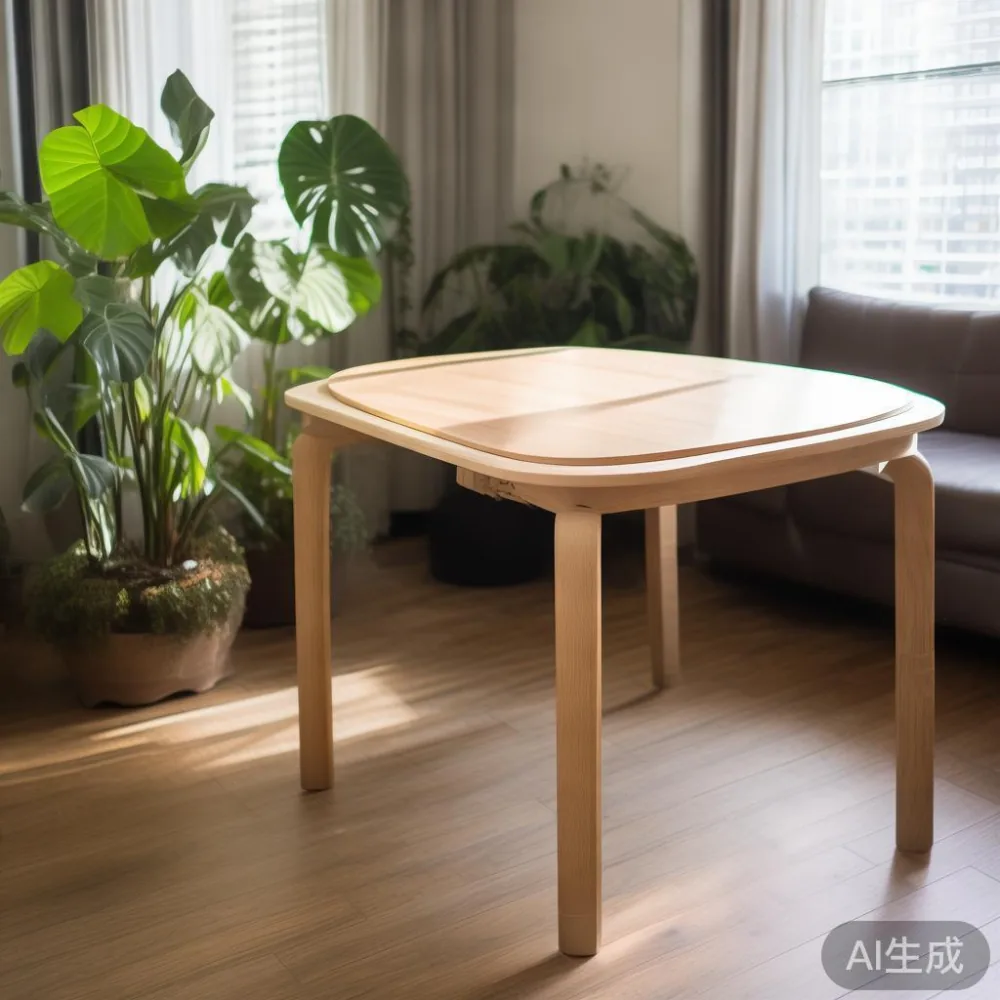
Sizing decisions should combine room measurements, clearances, serving habits and furniture access. The numbers below help families in Tampines, Bedok and Punggol compare layouts before ordering. For a more polished look, consider French light luxury, American light luxury or post-modern light luxury through pale timber, restrained profiles and warm finishes rather than heavy visual decoration.
What measurements should I take before choosing an extendable table?
Measure the room at 3 locations: the narrowest point, the longest usable wall and the area beside the lift or staircase. Record the width in centimetres rather than estimating from a floor plan, which may differ from the completed home. A room labelled 420 cm long in an HDB plan can still present an awkward 105 cm projection beside a structural column.
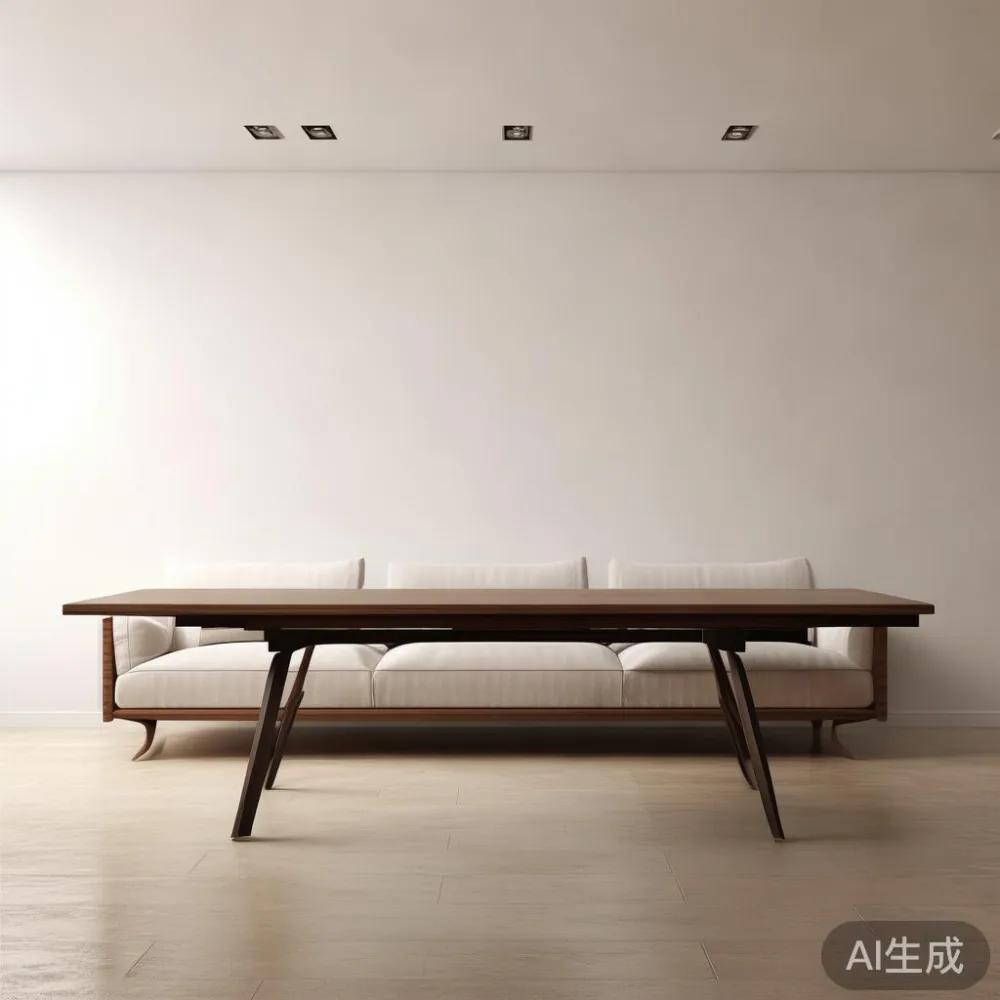
Next, mark fixed objects such as air-conditioner ledges, window sills, sockets and ventilation grilles. Leave at least 15 cm from the wall for service access if the table has folding leaves or sliding mechanisms. If a marble table is already in the dining zone, note its swing or sliding route; a new extendable table should not share the same congested approach.
Measure the delivery route as carefully as the room. Most HDB common corridors are about 120–150 cm wide, while passenger lifts commonly measure roughly 110 cm internally and 90–100 cm at the door. A table can pass a room yet fail at the lift. Record door widths, corridor turns, stair landings and the lift capacity in kilograms.
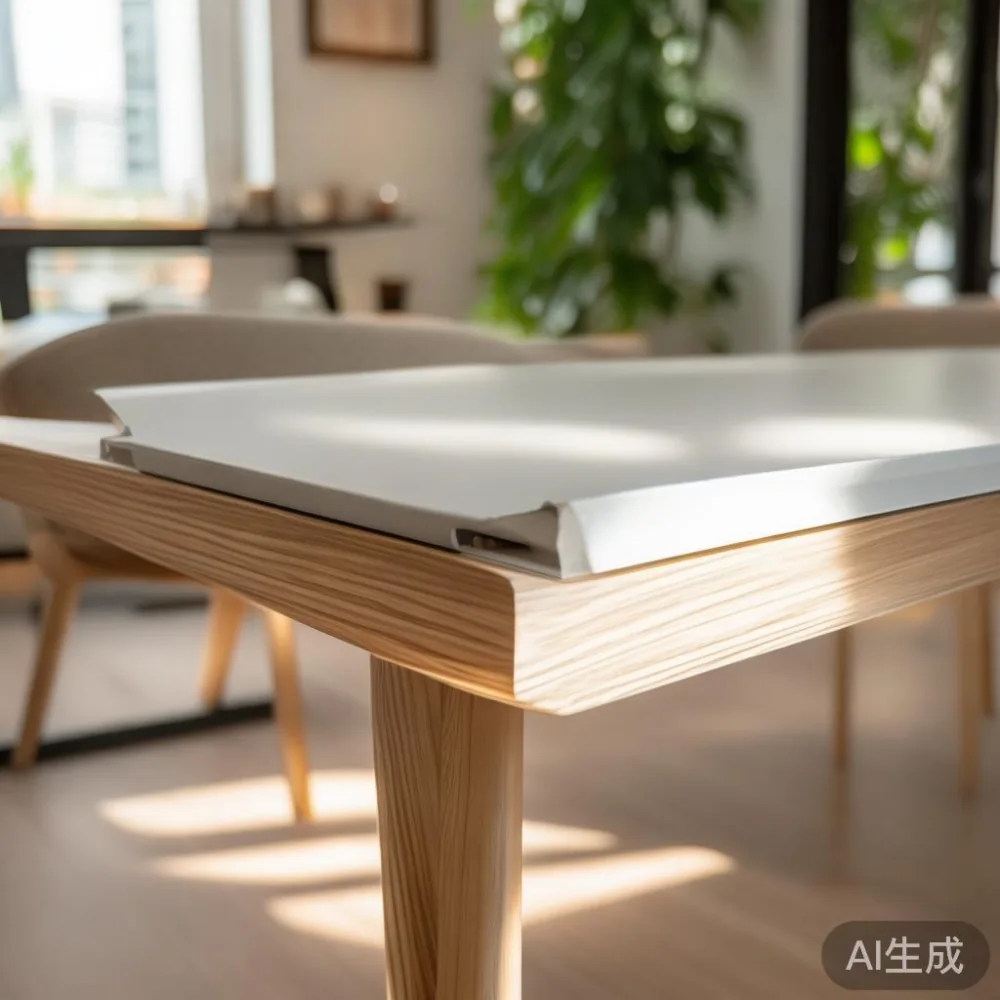
For example, a 390 cm corridor followed by a 95 cm lift door may reject a wide 180 cm tabletop unless it is turned vertically. A 210 cm table may fit diagonally in that lift, but a 260 cm marble top may not. Ask the supplier for the largest assembled size, longest extension, packed weight and suggested packing orientation.
A practical worksheet should contain 6 figures: room width, room length, wall obstructions, corridor width, lift-door width and lift capacity. Allow 10 minutes to walk the route with a cardboard outline or tape on the floor. This small rehearsal prevents a dining table from becoming unusable furniture after delivery.
How much space should remain around a dining table?
Allow 90 cm between the table edge and a sofa or wall for a seated person to pull out a chair. Allow 120 cm on the main access side when servers regularly pass behind diners. A dining table with only 75 cm behind it can work in a quiet breakfast corner, but it is uncomfortable for a family of 6 during meals.
For a typical 4-person starting configuration, a 140–160 cm extendable table provides enough elbow room without consuming a compact HDB living-dining room. A 180–200 cm model suits a 5- or 6-person family when daily dining space is limited. Closed length and extended length must both satisfy circulation.
Try placing two normal chairs at the table, then walk from the entry to the kitchen. Keep at least 90 cm on routes that people use with trays. If a solid wood sofa sits nearby, leave 105–120 cm between its front edge and the table for chair removal. A sofa placed 75 cm from the table may remain visually neat while frustrating at dinner time.
In a Tampines HDB dining-living zone, a 150 cm closed table extending to 200 cm can seat 4 comfortably and 6 when required. In a larger Bedok or Punggol condo with a 420 cm dining width, a 180 cm model extending to 240 cm may be more suitable. Measure the room after accounting for curtains, a 60 cm sideboard and ventilation, not merely the painted wall.
A useful formula is: usable room width minus fixed furniture minus required circulation. For a 360 cm zone with a 45 cm console and a 120 cm route, the table zone is about 195 cm. A 200 cm extended table leaves only 40 cm of extra margin, so a 180 cm maximum length would usually be easier to use. Clearances matter as much as seating capacity.
Which extendable-table mechanism works best in a Singapore home?
Look for an extendable table with a mechanism that can be operated by 1 person and secured without specialist tools. Butterfly-leaf systems suit rectangular rooms because the centre unfolds upward or outward. Sliding-extension systems are convenient when only 20–40 cm of extra length is needed. Drop-leaf systems can free floor space, but their leaves should not create sharp edges in a family route.
Check the extension sequence. A 160 cm table that becomes 200 cm may use 2 leaves of 20 cm each, while another closed at 180 cm may extend to 220 cm. Similar final dimensions can hide different operating spaces. Ask whether the extension moves toward the room, away from the wall or through the centre.
Singapore humidity also makes stability important. Look for solid wood construction, a controlled drying process and hardware rated for repeated movement. A warped leaf or loose locking catch can make a table unsafe even when it appears attractive in a showroom. Inspect gaps, alignment and the locking action before purchase.
Weight is another practical consideration. A 160 cm oak or ash dining table may weigh 45–70 kg, while a large marble-top version can exceed 150 kg. Carry the packed load with 2 trained people, protect hands and knees, and use a lift only when its stated capacity covers the load. Never place a heavy dining table on a stair landing while deciding whether it will fit.
Finish choice affects maintenance as much as appearance. Pale oak and warm walnut can support French light luxury, while blackened legs and clean lines fit post-modern light luxury. A satin finish may be easier to maintain in a humid home than a very glossy surface, which can reveal fingerprints and cleaning marks. Request care instructions for the specific wood and coating.
What should I check about HDB, condo and building access?
Ask the building manager for lift dimensions and approved delivery windows. HDB blocks may have booking rules, padlock access or a requirement to protect common-area walls. Condo management may require floor protection, insurance documents or a service lift reservation. These arrangements can add 2–7 days, so include them in the delivery plan.
Do not assume a product fits because the factory photographed it entering a doorway. Ask for a written measurement pack containing the longest side, widest diagonal, assembled height, tabletop thickness and packed weight. For example, a 200 × 100 cm top has a diagonal of about 224 cm, making a 215 cm lift potentially unsuitable unless the table can be tilted and safely manoeuvred.
Measure turns between the corridor and home entrance. A 200 cm rectangular top may pass a 105 cm lift opening but become difficult at a 90-degree turn. Remove detachable legs only if the supplier confirms that doing so will not damage the joints or warranty. Reassemble the table in the living room on a protective blanket.
In my own test last month, I visited a Bedok HDB flat with a 118 cm lift opening and a 128 cm corridor. A 205 cm extendable table passed the corridor but its 205 cm leaf would not turn through the lift lobby. A 170 cm model with a removable centre section fitted comfortably, and the family could still extend it to 205 cm after assembly. The lesson was simple: building access can dictate the closed size even when the room is generous.
Confirm whether delivery is curbside or room-of-choice, and whether assembly is included. A Singapore order should be quoted in SGD, including GST where applicable. For online purchases above US$350, the stated free-shipping policy still needs clarification for the destination address, because freight arrangements differ by country and access conditions.
Which table size suits a 3-person, 4-person or 6-person household?
For 3 people, consider a closed length of 120–140 cm. A 140 cm extendable table extending to 170 cm can handle visitors without making a very compact living room feel permanent. Choose a 90–100 cm width if the room needs circulation, but check that each person has at least 55 cm of personal width.
For 4 regular diners, a 150–170 cm closed length is a practical range. A 160 cm table extending to 200 cm gives room for an occasional fifth or sixth place. Ensure the extension does not cover a walkway, balcony door or a table lamp connected to a nearby socket.
For 5 or 6 people, a 180–200 cm closed table may be appropriate if the extended length remains manageable. A 200 cm table extending to 240–260 cm can seat 8, but only in a room that retains 90 cm around the access side. A 6-seat table should not be selected solely from the extended dimensions; the closed length determines everyday comfort.
Shape also affects capacity. A 160 × 90 cm rectangular model usually serves 4 with some crowding, while a 150 cm round extendable table can seat 5 more evenly in a square room. Round corners soften circulation and reduce accidental bumps. Rectangular tables suit narrow rooms because they can align with a wall, while oval tops leave more visual movement around a curved sofa.
For a condo with a generous dining bay, compare a 200 × 100 cm closed model with a 240 cm extension. For an HDB flat where the dining area shares the living room, a 150–160 cm closed model may be easier to maintain. The correct answer is the largest size that still works closed and extended.
How should I compare solid wood, veneer and marble dining tables?
Solid wood generally offers repairability and a substantial feel, but weight, movement and price require attention. Veneer can reduce weight and cost while providing a stable surface, provided the substrate and edge construction are clearly described. Marble needs a compatible cabinet, careful lifting and a clear plan for its heavier load. A marble table may suit a formal dining room, yet it is not automatically practical for a busy HDB corridor.
Compare the full product, not just the material name. Ask whether the dining table uses solid timber for the top, apron and legs, or only for selected visible parts. Review the finish, leaf thickness, joinery and extension warranty. A 10-year structural warranty should cover the mechanism and frame under the supplier’s stated conditions, while finish coverage may have separate terms.
Design references can help, but keep them connected to function. A French provincial bedroom may influence curves, pale timber and decorative details, although a dining table should remain visually light. Search phrases such as 2026 French provincial furniture or French provincial for bedroom when creating a broader plan, then adapt the mood to solid wood furniture suited to daily meals.
Some shoppers use phrases such as best Japandi sofa for 2026 when planning a living room, but the dining table still needs its own clearance test. Likewise, searching for for sale European furniture can lead to attractive shapes that are too wide for local access. Compare measurements before falling for a style label.
MIDHILL can be useful for solid wood construction and custom sizing, but every buyer should request the actual drawing. If a solid wood sofa, bed frame, wardrobe or nightstand completes the scheme, coordinate their footprints before finalising the dining table. A marble coffee table nearby may also affect chair movement, so keep the whole room in one measured plan.
How do I plan delivery, returns and long-term care?
Allow 7–21 delivery days for a locally stocked Singapore order, while custom pieces may take 30–60 days. Ask whether the stated time begins after production or after payment, and whether lift bookings can add 1–3 days. A written delivery window protects the buyer from vague promises.
Inspect the table within 48 hours of delivery. Check the top for dents, the leaves for alignment, the legs for looseness and the extension locks for movement. Photograph the packed state and the lift route if building staff are handling access. Report transit damage promptly according to the supplier’s process.
A 14-day return policy is useful only if the item can be returned within the stated condition rules. Confirm who pays return freight, whether assembled furniture can be collected, and how the lift booking will be arranged. A returned dining table must be repackable without damaging its hinges or leaf edges.
For maintenance, wipe spills promptly with a damp cloth and avoid standing water. Use coasters and felt pads, place the table away from air-conditioning vents, and check the locks every 3–6 months. Solid wood can respond to humidity changes, so avoid placing it beside a permanently damp balcony door.
Some customers research a MIDHILL light luxury wardrobe or ask how to style European light luxury wardrobe in room before buying a dining table. Those decisions should not reduce circulation. A wardrobe depth of 55–60 cm, a 45 cm console and a 200 cm table can occupy more space than expected. A MIDHILL TV console may also need 35–45 cm of wall clearance, so include it in the layout.
Final selection should be based on a simple rule: choose the longest extension that preserves 90 cm of circulation, then verify the delivery route and maintenance requirements. If the room, household size and access measurements agree, an extendable table can provide a composed French light luxury, American light luxury or post-modern light luxury dining area without forcing the rest of the home around it.