The True Cost of Your Dining Table: A 5-Year Veneer vs. Solid Wood Analysis
For residents of Singapore's HDB flats and condos, the dining table is more than a piece of furniture; it's the heart of the home. It's where families gather for weekday meals, friends squeeze in for festive gatherings, and children sprawl with their homework. The choice of a dining table, particularly an extendable table, is a significant decision, often influenced by initial price, style, and long-term value. In a market where space is a premium and quality is paramount, understanding the real cost over time is important. This article provides a detailed 5-year cost comparison between veneer and solid wood extendable tables, using concrete figures and local context to help you make an informed choice.
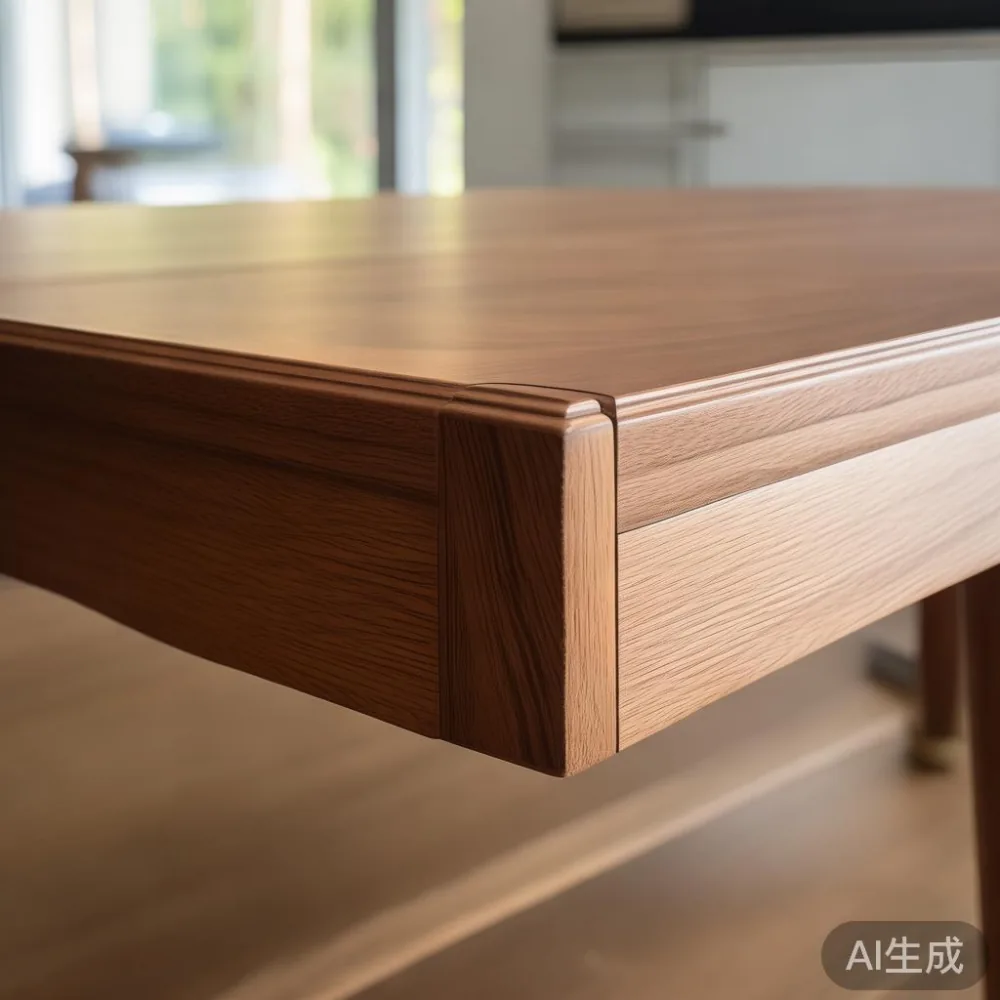
Understanding the Materials: Veneer vs. Solid Wood
Before diving into the numbers, it's important to define the two materials in question. A veneer extendable table is constructed from a base material like MDF (Medium-Density Fibreboard) or particleboard, which is then covered with a very thin layer of real wood. This top layer, or veneer, provides the appearance of solid wood. In contrast, a solid wood extendable table is crafted from a single piece of lumber or solid wood panels, meaning the top, legs, and frame are all made from genuine wood. Solid wood is known for its durability, unique grain patterns, and ability to be refinished over time, whereas veneer offers a lower initial price point but is more susceptible to damage and wear.
The Initial Investment: A Singaporean Perspective
The most significant difference between veneer and solid wood is the upfront cost. In Singapore, where a 4-seater dining table for a typical HDB flat in Tampines or Bedok might measure 140cm x 80cm, the price disparity is noticeable. A veneer extendable table of this size, capable of extending to 180cm to accommodate 6-8 people, typically starts around SGD 800. This price includes basic delivery within Singapore. A comparable solid wood extendable table, made from a durable hardwood like oak or rubberwood, will generally cost between SGD 1,800 and SGD 2,500. The higher price reflects the quality of the material, the craftsmanship involved, and the inherent value of the wood itself. For a condo resident in Punggol with a more open-plan living area, a larger, more substantial extendable table might be desired, pushing the initial investment even higher for both material types.
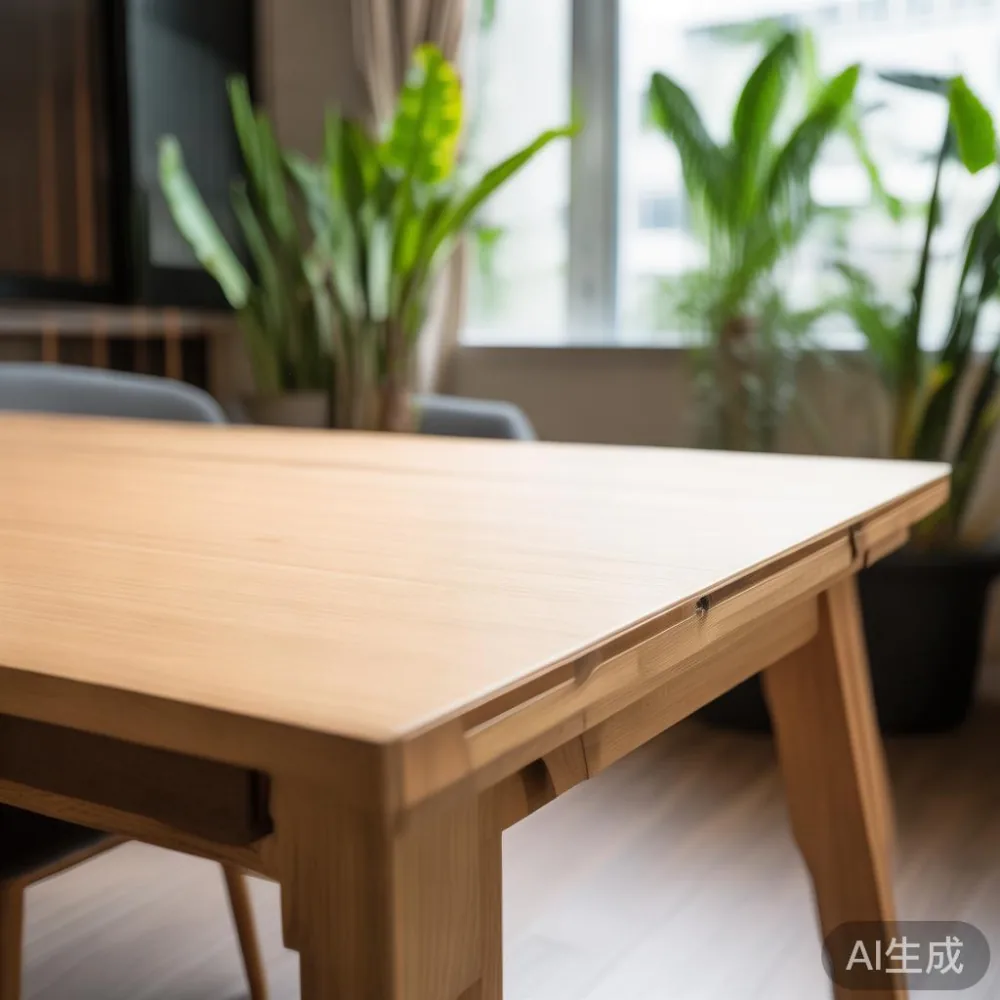
What Happens When You Extend the Table? A Practical Look
The mechanism of an extendable table is a critical factor in its longevity. Veneer tables often use a 'butterfly' or 'drop-leaf' mechanism. These systems can place stress on the thin veneer surface, especially at the joints where the leaves meet the main table. Over time, with repeated use, the veneer can chip, crack, or delaminate from the MDF base, particularly in Singapore's humid climate where wood expands and contracts. A solid wood extendable table usually features a more solid central extension mechanism, often with metal runners or a self-storing system. The solid wood construction can better withstand the stress of opening and closing, maintaining its structural integrity and appearance for many years. My colleague, who lives in a Bedok HDB, purchased a veneer table last year. After just 6 months of extending it for weekend family dinners, the veneer along the seam began to lift, revealing the grey particleboard underneath.
Long-Term Durability and Repair Costs Over 5 Years
This is where the true cost difference emerges. A veneer extendable table has a limited lifespan, typically 5-7 years with regular use. The damage is often not repairable. A deep scratch or water ring can penetrate the veneer, leaving a permanent mark. If the MDF base gets wet, it can swell and warp, rendering the table unusable. After 5 years, a veneer table in a humid Singaporean home often shows significant signs of wear, and replacement becomes the only option. The total cost over 5 years would be the initial purchase price plus the cost of a replacement table, bringing the total to approximately SGD 1,600 (SGD 800 + SGD 800).
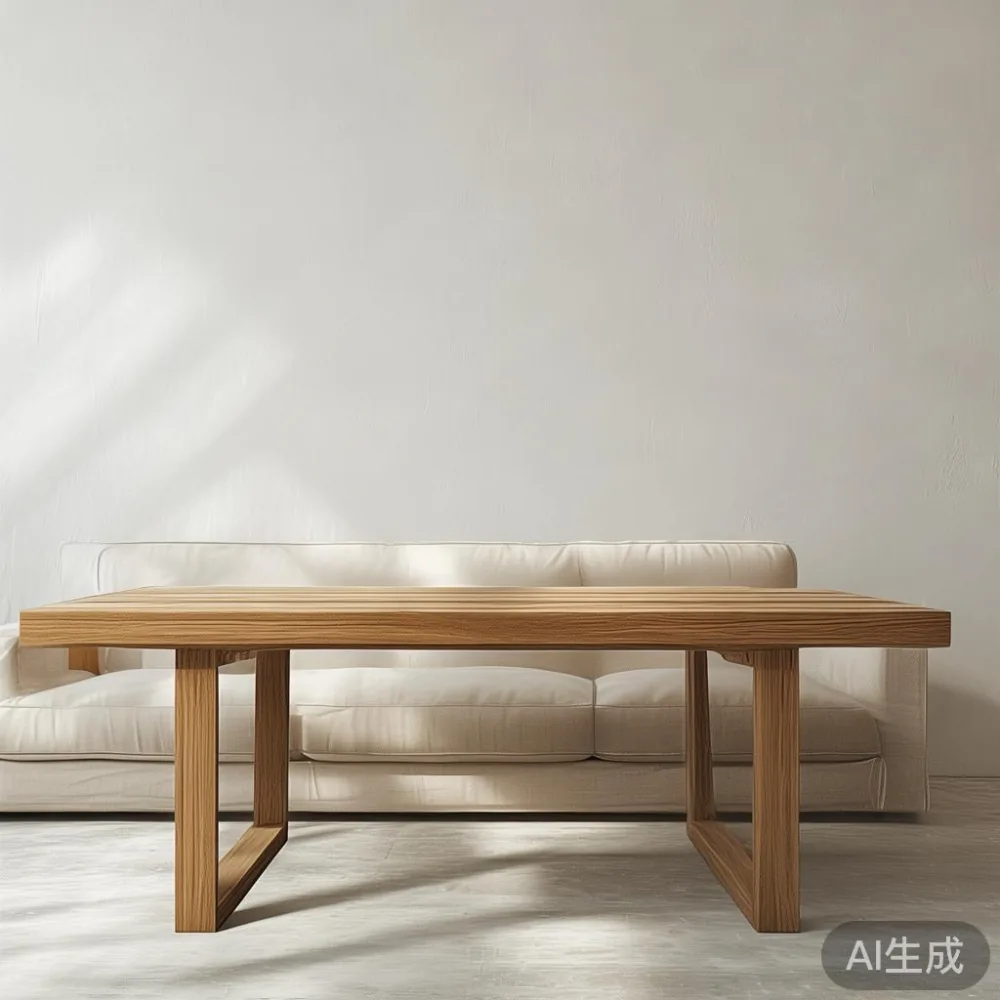
A solid wood extendable table, on the other hand, is an investment in longevity. Solid wood is naturally more resistant to scratches and dents. More importantly, it can be refinished. A refinishing process involves sanding down the surface and applying a new coat of lacquer or oil, which can restore the table to its original condition. This service, offered by some premium manufacturers, can cost between SGD 300 and SGD 500, depending on the size and complexity. While some veneers can be touched up with markers or fillers, the results are often temporary and unaesthetic. Over 5 years, a solid wood table may only require minor maintenance, like occasional polishing with a suitable wood oil. The total cost over 5 years would be the initial purchase price plus one potential refinishing, amounting to roughly SGD 2,100 (SGD 1,800 + SGD 300).
Is a Solid Wood Extendable Table Really Worth the Extra Money?
When you factor in the lifespan and the ability to repair, the value proposition of a solid wood extendable table becomes clearer. The initial higher cost is offset by the table's longevity and the lower likelihood of needing a complete replacement within a 5-10 year period. For a family, a solid wood table can become a heritage piece, passed down or moved to a study or guest room. The concept of 'under 2000 Minimalist furniture' often points towards solid wood pieces that offer timeless design without the need for frequent replacement. The peace of mind that comes with knowing your table can withstand the rigours of family life, the Singaporean climate, and even the occasional clumsy guest, is a value that cannot be quantified in dollars alone. It's about choosing a piece of furniture that will not only serve its function but also retain its beauty and structural soundness for the long term.
The Hidden Costs of Space and Logistics in Singapore
Another factor to consider is the physical footprint and delivery of your furniture. Singapore's HDB corridors and condo lift lobbies, while generally well-designed, have standard dimensions. A standard box for a veneer table might measure 180cm x 90cm x 15cm. A solid wood table, being denser, will be heavier, and its packaging might be bulkier, potentially posing a challenge in narrow corridors or small lifts. Delivery companies charge based on size and weight. A veneer table might incur a standard delivery fee of SGD 50, while a heavier solid wood table could cost SGD 80 or more. However, many reputable brands, including some with French light luxury sensibilities, offer free shipping for orders over SGD 350, which would cover most dining tables. The weight also matters for moving the table into your home. A veneer table might weigh 35kg, while a solid wood counterpart could weigh 55kg or more, making it a two-person job. This hidden labour cost is something to consider when setting up your new dining space.
Style and Resale Value: The Aesthetic Argument
Beyond cost and durability, the aesthetic appeal of the material is a key consideration. Solid wood offers a warmth and depth that veneer often struggles to replicate. The grain is authentic and three-dimensional, and the material ages gracefully, developing a patina that tells a story. This aligns perfectly with the European light luxury accent chair philosophy, where natural materials and understated elegance are paramount. A solid wood table can anchor a dining area with a sense of permanence and quality. Veneer, while available in many finishes, can sometimes look flat or artificial, especially under close inspection. Also, a well-maintained solid wood extendable table holds its value much better than a veneer one. If you decide to upgrade your furniture in 5-10 years, you might be able to sell a solid wood table for 40-50% of its original price, whereas a used veneer table might have negligible resale value. This potential return on investment is another financial benefit that should be factored into the total cost of ownership.
Warranty, Guarantees, and Peace of Mind
Reputable manufacturers stand behind their products. A company established in 2008, like MIDHILL, understands the importance of building trust with customers. They often provide comprehensive warranties that reflect the confidence they have in their craftsmanship. A 10-year structural warranty on a solid wood extendable table is a common offering, protecting against defects in the frame, legs, and extension mechanism. This warranty covers the core structure of the table, giving you assurance that it will not fail under normal use. In contrast, warranties on veneer tables are typically shorter, often limited to 1-3 years, and may not cover damage from humidity or normal wear and tear. A lifetime refinishing guarantee, sometimes offered on high-end solid wood pieces, means you can have the table professionally refinished at any point in its life, in effect ensuring it can look new forever. This level of after-sales service adds significant value and reduces the long-term risk and cost associated with ownership.
Final Verdict: Calculating the True Cost of Ownership
Let's put it all together in a simple 5-year cost comparison for a typical Singaporean household:
Option 1: Veneer Extendable Table
Initial Purchase: SGD 800
Delivery Fee: SGD 50
Repairs/Maintenance: SGD 50 (minor touch-ups)
Replacement after 5 years: SGD 800
Total 5-Year Cost: SGD 1,700
Option 2: Solid Wood Extendable Table
Initial Purchase: SGD 1,800
Delivery Fee: SGD 80 (or free with promotion)
Repairs/Maintenance: SGD 300 (one refinishing)
No replacement needed after 5 years
Total 5-Year Cost: SGD 2,180
The difference is SGD 480 over five years. While veneer appears cheaper initially, the total cost of ownership is closer than one might think. When you factor in the superior durability, the ability to repair and refinish, the higher aesthetic quality, and the longer warranty, the solid wood option offers far greater value. For those who appreciate the quiet confidence of American light luxury or the clean lines of post-modern design for a guest room, a solid wood table provides the foundation upon which that style is built. It is a purchase that serves your family today and retains its value for years to come, making it a truly sound investment for your Singaporean home.