How to Match an Extendable Table to a Warm Minimal Interior
A warm minimal interior does not need to feel sparse. It needs scale, texture, and one or two pieces with enough presence to anchor the room. In a Singapore HDB flat or condo, an extendable table often does more than provide dining space: a carefully chosen design can sit comfortably within a compact dining zone, become a writing surface, and open up for guests without permanently shrinking the home. At MIDHILL, our extendable table collection is shaped by solid-wood construction, restrained proportions, and practical sizing for everyday Singapore homes.
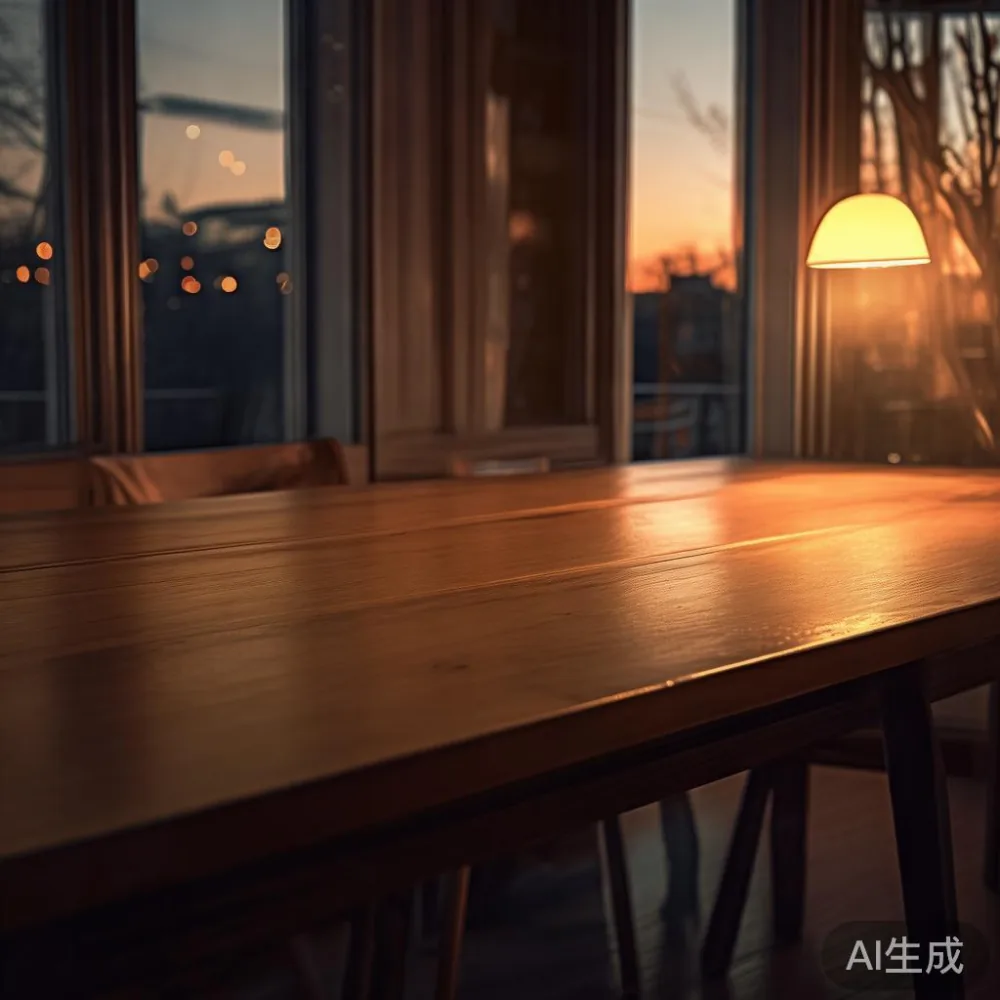
This guide explains how to coordinate an extendable table with warm neutral colours, natural materials, lighting, seating, and storage. It also considers the less visible constraints that matter before delivery: lift dimensions, corridor turns, table weight, and the route from the loading area to your dining room.
What makes an extendable table suitable for a warm minimal home?
Warm minimalism is about creating visual breathing room without making the room feel cold. Pale walls, oatmeal textiles, warm timber, matte black accents, and carefully edited objects usually work better than a collection of matching showroom pieces. The dining table should be substantial enough to ground the space, but its silhouette should remain clean.
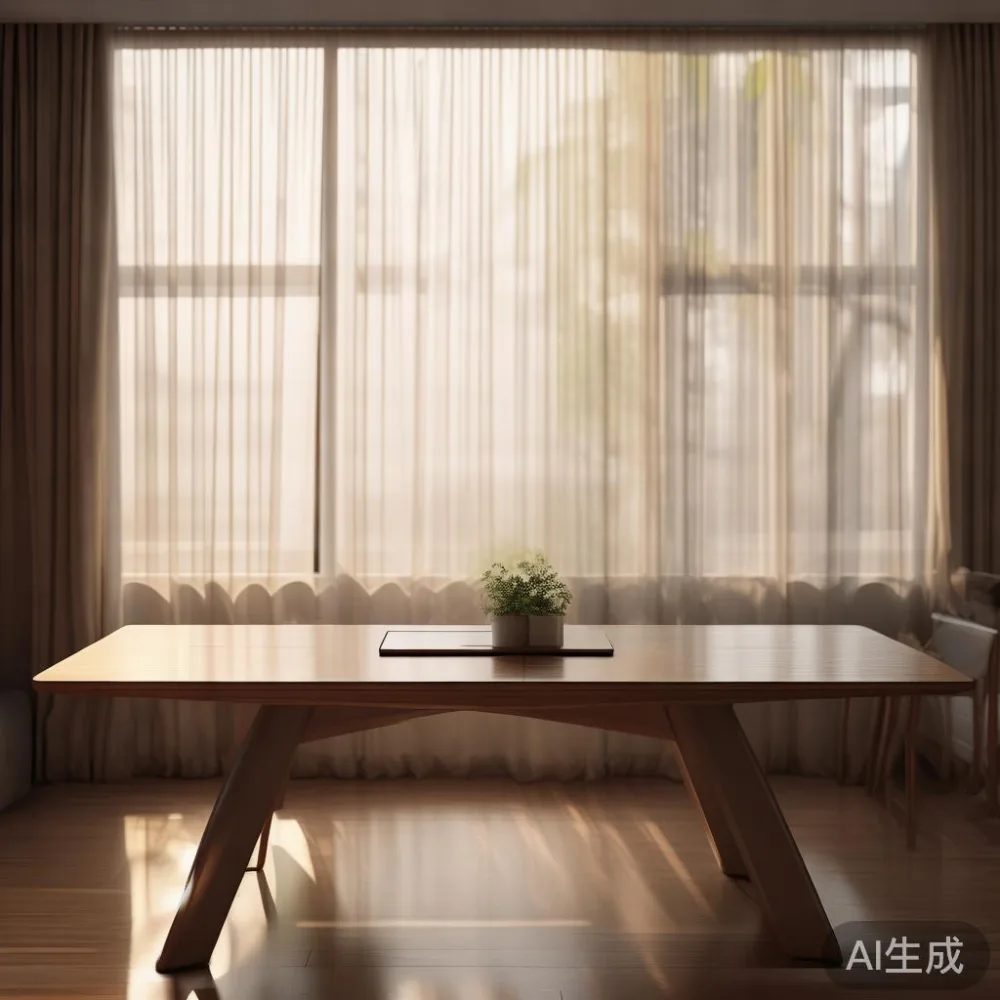
A rectangular extendable table is particularly useful in Tampines, Bedok, or Punggol because it can suit a narrow dining zone and expand when needed. For example, a table measuring 140 cm when closed and 180 cm when extended may seat 4 people compactly or 6 people more comfortably. A round model with a 100 cm closed diameter and a 120 cm open diameter can create a softer visual profile, although the extra leaves require space around the perimeter.
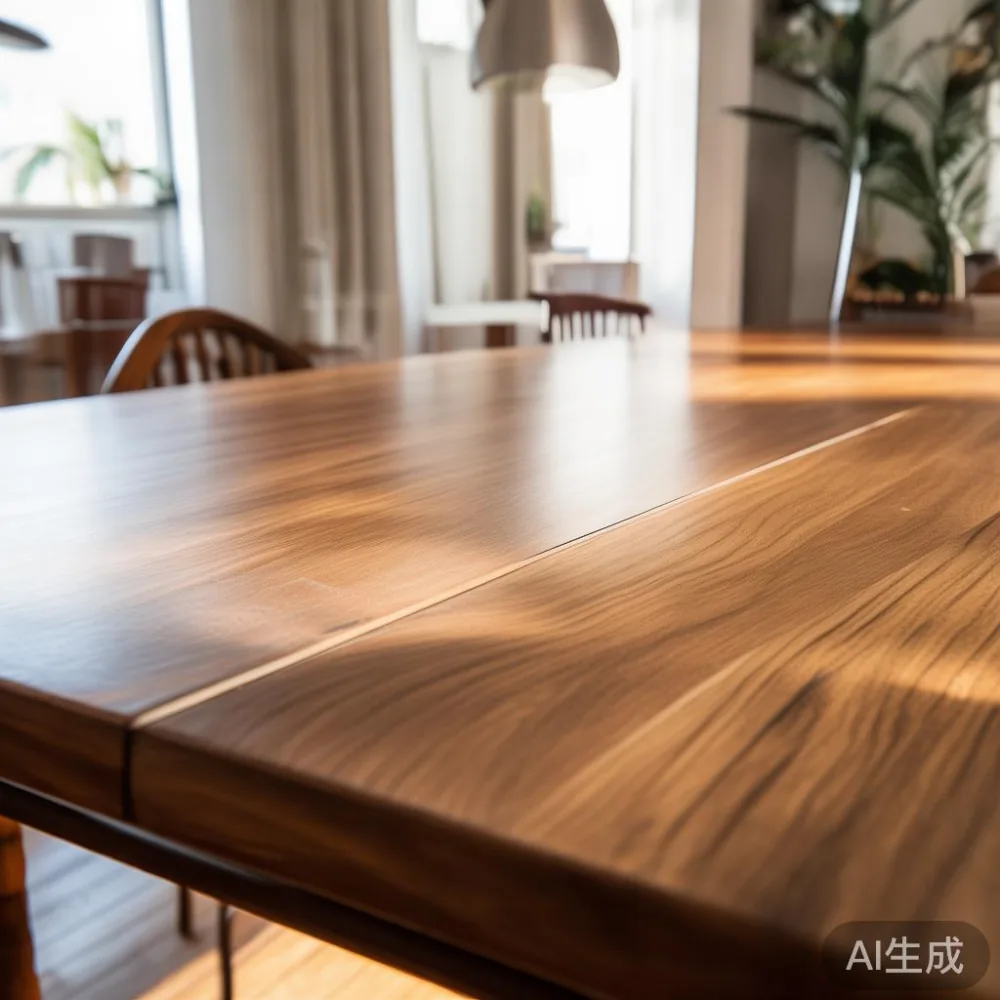
Look for visible grain, gentle edges, and joinery that communicate quality without excessive decoration. Solid oak and walnut-toned finishes can bring warmth to an ivory or greige room, while a light ash finish may suit walls painted in warm white. Avoid combining too many competing woods. The extendable table should be the principal material statement, with smaller items repeating either its colour or its shape.
Budget in Singapore dollars rather than thinking only about sticker price. A mid-range solid-wood extendable table may cost from SGD 1,280 to SGD 2,680, with custom sizes, premium timber, and more elaborate extension mechanisms costing more. Add roughly SGD 80 to SGD 180 for delivery to a Singapore address, depending on access and lift requirements.
How wide should an extendable table be for HDB and condo dining spaces?
Allow at least 90 cm of table width for comfortable movement, 60 cm of clear space behind each seated guest, and 75 to 90 cm between the table edge and a wall or cabinet. Those numbers create enough room to pull out a chair and walk behind it. In a compact flat, these clearances can determine whether a 140 cm model or a 120 cm model is more practical.
For an HDB dining area measuring 220 cm by 180 cm, a 140 cm rectangular extendable table leaves about 40 cm on each side when centred. That sounds tight, yet it can work if chairs are slim and the table is not positioned directly in front of a door swing. A 160 cm table may require a dining zone closer to 260 cm in width, or it may need to be used in an open-plan living and dining area.
Condo owners often have more freedom because dining zones can be 240 cm to 300 cm wide. An extendable table closed at 160 cm and open at 200 cm can host 6 people, then return to a neat footprint on ordinary evenings. Choose a model with separate stored leaves if the table must be moved frequently. Check that the closed table fits through your lift and corridor before selecting its maximum open length.
Singapore building access needs exact measurement. Record the lift door width, lift car width and depth, the narrowest corridor turn, and any fire door or staircase width. A common residential lift may have a door opening around 80 to 90 cm and an internal depth of 110 to 140 cm. A 75 cm-wide table base may fit more easily than a broad pedestal, while a detachable top can reduce handling problems.
Weight matters too. A large solid-wood dining table may weigh between 45 kg and 85 kg. Add packaging, the lift capacity limit, and the number of people available to carry it. MIDHILL can confirm packed dimensions and weight before delivery, helping you avoid discovering that a heavy extendable table cannot enter the building.
How do I choose timber and finish colours for a warm minimal interior?
Start with the dominant colour already in the room. Warm minimal schemes often include cream walls, beige or taupe flooring, and one darker anchor. If the floor is light, medium-toned oak can connect the table to the space without creating a harsh boundary. If the floor is dark, a paler ash or warm natural oak finish will prevent the furniture from visually merging with it.
For French light luxury, pair a light natural-oak extendable table with curved upholstered chairs, brushed brass details, and linen curtains in oatmeal. The table should retain a simple rectangular form while the surrounding shapes introduce softness. American light luxury tends toward deeper walnut tones, leather seating, symmetrical accessories, and warm lamps. A walnut extendable table can carry that character more effectively than a very pale frame with cold grey hardware.
Post-modern light luxury offers another route: combine a quiet timber base with a restrained geometric or stone-inspired surface treatment. Keep the mix controlled. For example, pair a 160 cm extendable table with 2 black side chairs, 2 cream chairs, and one small marble table rather than scattering additional stone patterns across the room.
Think about the finish under local conditions. Singapore humidity can affect untreated furniture, so ask for a moisture-resistant protective finish and maintain a stable indoor environment. Avoid placing an extendable table directly beside an open balcony door where damp air could settle on the surface. Wipe spills promptly, dust the joints, and use coasters and placemats even when the finish feels durable.
What lighting and seating should surround an extendable table?
A pendant centred over the dining table can define the zone and soften the overhead lighting. In Singapore, a warm colour temperature of approximately 2700K to 3000K complements timber and makes cream upholstery look inviting. Keep the pendant around 70 to 90 cm above the tabletop, adjusting it to the seated sightline. A linear fixture works well above a rectangular extendable table, while a round shade echoes a circular model.
Layer one ambient source with a focused dining light. A 400-lumen to 600-lumen pendant may be enough for a compact table, but brightness should be judged in the room rather than by lumens alone. Use dimmable fittings if the same surface serves breakfast, work, and evening dining. Warm light also helps the room feel less clinical without requiring dark wall colours.
Seating should create comfortable spacing, not fill every gap. Four slim chairs may look lighter than 2 oversized armchairs, but check the difference between the chair back and table edge. Around 10 to 15 cm of separation feels neat when chairs are pushed in. For 6 seats, allow each place setting roughly 55 to 60 cm of width and avoid placing a chair where it blocks the main circulation route.
Upholstery can introduce the warmth that minimalist timber alone may lack. Oatmeal, camel, olive, and muted clay colours sit comfortably beside natural wood. A solid wood sofa nearby can provide continuity, provided its proportions remain quiet. A low solid wood sofa facing the dining zone helps an open-plan living room read as one composition. Avoid matching every item exactly; tonal variation is easier to maintain and more relaxed.
For a smaller apartment, one visually substantial chair on each end and 2 lighter chairs along the sides can balance the table. A round end helps corners and softens the geometry of a rectangular extendable table.
Can an extendable table work with a marble table or solid-wood sofa?
Yes, but establish hierarchy. If you already own a marble table, choose a simpler extendable table with less veining and a uniform timber finish. The marble table may become the room’s accent, while the dining piece remains the functional centre. If both tables occupy adjacent zones, keep at least 90 cm between them so their surfaces do not visually compete.
Likewise, a solid wood sofa and an extendable table can share a warm minimal vocabulary when grain tones are close. Repeat one feature rather than copying everything. For example, coordinate the sofa legs with the table base, then introduce colour through a rug and cushions. A soft rug should extend under the front legs of at least the dining chairs; for a 160 cm table, a 200 cm by 300 cm rug often gives adequate coverage.
Storage should remain visually quiet. A low sideboard, closed-front cabinet, or slim wall shelf can hold dinnerware without interrupting the room. Leave about 90 cm of clear circulation between a sideboard and the extendable table. Sliding or hinged cabinet doors are useful in tight dining areas because they do not require extra swing space.
Decorative objects should follow the table’s geometry. A long narrow arrangement suits a rectangular table, while a single low vase or bowl works better on a round one. Keep the centre clear enough for a hotpot, serving dishes, or laptop. In a compact home, the extendable table gains more value when it performs several roles without looking overloaded.
How should I measure before ordering an extendable table?
Measure the dining zone twice: once with the table closed and once with its extension open. Tape the dimensions on the floor, then position chairs to understand the actual movement. A photograph from the doorway can also reveal whether the table blocks natural light or creates an awkward barrier between the kitchen and living room.
Next, measure the delivery route. The relevant numbers are the lift door opening, lift car dimensions, lowest ceiling or pipe, corridor width, doorway width, and the tightest turn. For example, a table with a 160 cm top may need to enter a lift diagonally; if the lift car is only 110 cm deep, removing the top from its base may be important. Ask the supplier for the packed length, width, height, and gross weight rather than estimating from the assembled dimensions.
Allow for assembly time and final placement. A extendable table may require 20 to 40 minutes to set up, while extension mechanisms and storage leaves can take longer. Place the base before attaching the leaves so you do not have to rotate the full table in a narrow corridor. Check that the floor is level; small shims can correct minor irregularities and prevent rocking.
At MIDHILL, each solid-wood piece carries a 10-year structural warranty, with lifetime refinishing available for eligible items. Delivery to Singapore generally takes 7 to 14 working days after production, and free shipping applies above US$350. Returns can be requested within 14 days under the applicable product conditions. Because GST and local logistics can affect the landed amount, request a full price in SGD before confirming.
One practical check is worth making: sit at the table with your usual meal setup. Place a 30 cm dinner plate in front of you, add elbow space, and open any nearby cabinet doors. This simple test often reveals a problem that room dimensions alone miss.
Is a solid-wood extendable table easier to maintain than veneer or laminate?
Solid wood can be repaired and refinished in ways that thin veneers cannot always match. Small marks may be sanded and touched up, while a full refinishing service can renew an ageing surface. Veneer can also be well made, but deep scratches may expose the substrate, and matching the original leaf pattern during repair can be difficult.
Maintenance remains simple. Dust with a soft cloth, clean spills immediately, and avoid abrasive cleaners. Use a coaster under hot vessels and protect the surface from prolonged direct sunlight. Check the extension mechanism every 3 to 6 months, tightening fittings if needed. If the leaves are stored separately, lift them by the base rather than dragging the finished edges.
Humidity control is equally important. Keep the table away from air-conditioning vents that produce rapid moisture changes, and use a protective mat beneath tableware. An indoor humidity level around 45% to 65% is generally practical, though the finish specification should guide care.
These questions extend beyond the dining table. If you are also furnishing a bedroom, a search for is Mid-century modern bed worth it should focus on proportions, slat support, and the room’s clearances, not only decorative styling. A search for how to style European light luxury bed in room may lead to upholstered forms and layered textiles that complement the same warm palette. For compact living areas, Italian light luxury for small living room can refer to disciplined scale, elegant curves, and tactile upholstery rather than excessive ornament. If a guest room doubles as a work area, light luxury for hotel ideas can help you create a calm wall, supportive task chair, and compact bedside surface. A European light luxury dressing table can echo the dining table’s timber while adding a rounded mirror and one warm light. For a larger lounge, Italian light luxury sofa may offer a sculptural silhouette, but its dimensions must still respect HDB circulation.
The central principle is proportion. Every item should relate to the room’s architecture and to the extendable table’s size. Let one warm timber piece lead, introduce softness through seating and textiles, and keep the remaining accessories few enough that the room remains calm.