Solid Wood or Veneer? A 5-Year Cost Comparison for Extendable Tables
For a Singapore household, the price tag is only the start of an extendable table’s ownership cost. Veneer may reduce the purchase price, while solid wood can spread a higher amount over a longer working life. The fairer comparison is what each option costs over 5 years after GST, delivery, maintenance, repairs and eventual replacement.
This guide uses realistic figures for Singapore HDB flats and condos in Tampines, Bedok and Punggol. Lift and corridor dimensions matter because an extendable table may arrive as several heavy pieces. I also include estimates for shipping, refinishing and replacement cycles rather than treating a showroom discount as the whole story.
What is the real 5-year cost of a veneer extendable table?
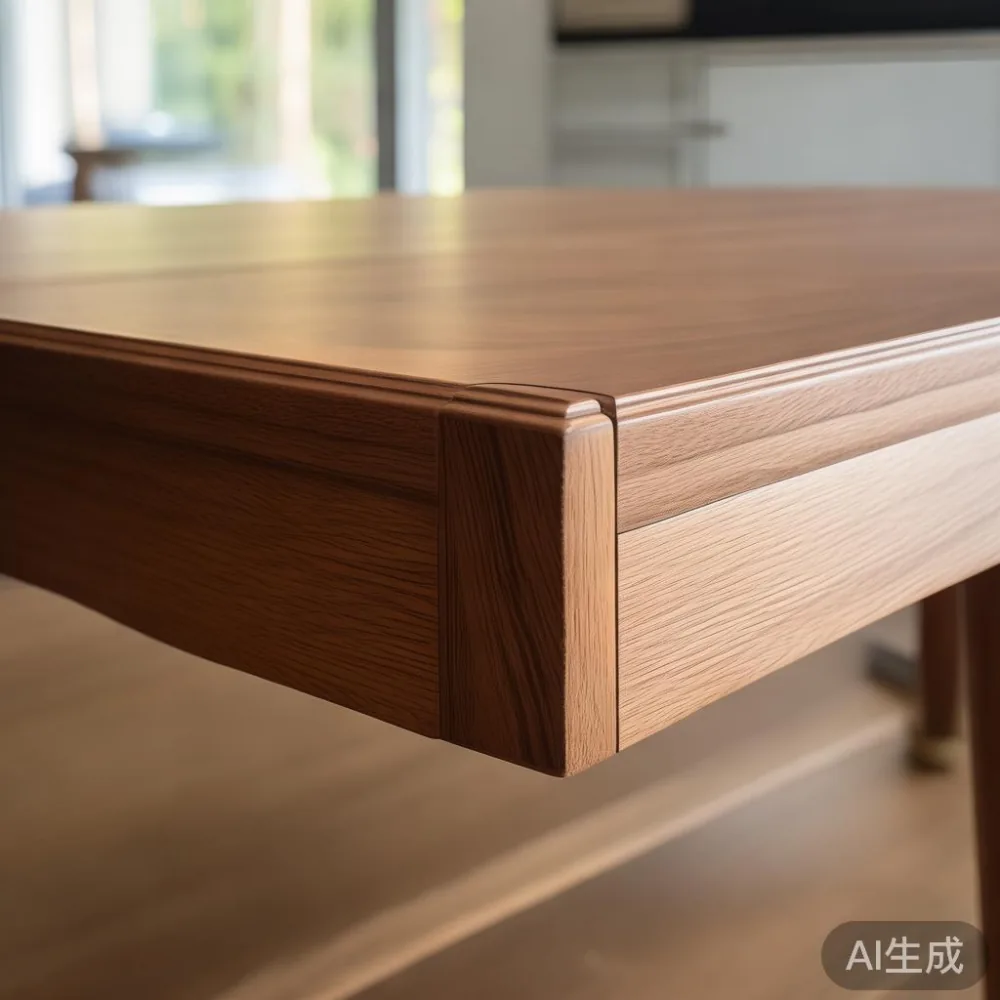
A veneered extendable table uses a real wood layer, usually about 0.3–1.0 mm thick, over an engineered or particle-board core. A typical Singapore price might be SGD 680 before GST for a 140–180 cm table, or SGD 950 for a 180–220 cm model with more elaborate hardware. With 9% GST, those become SGD 741.20 and SGD 1,035.50.
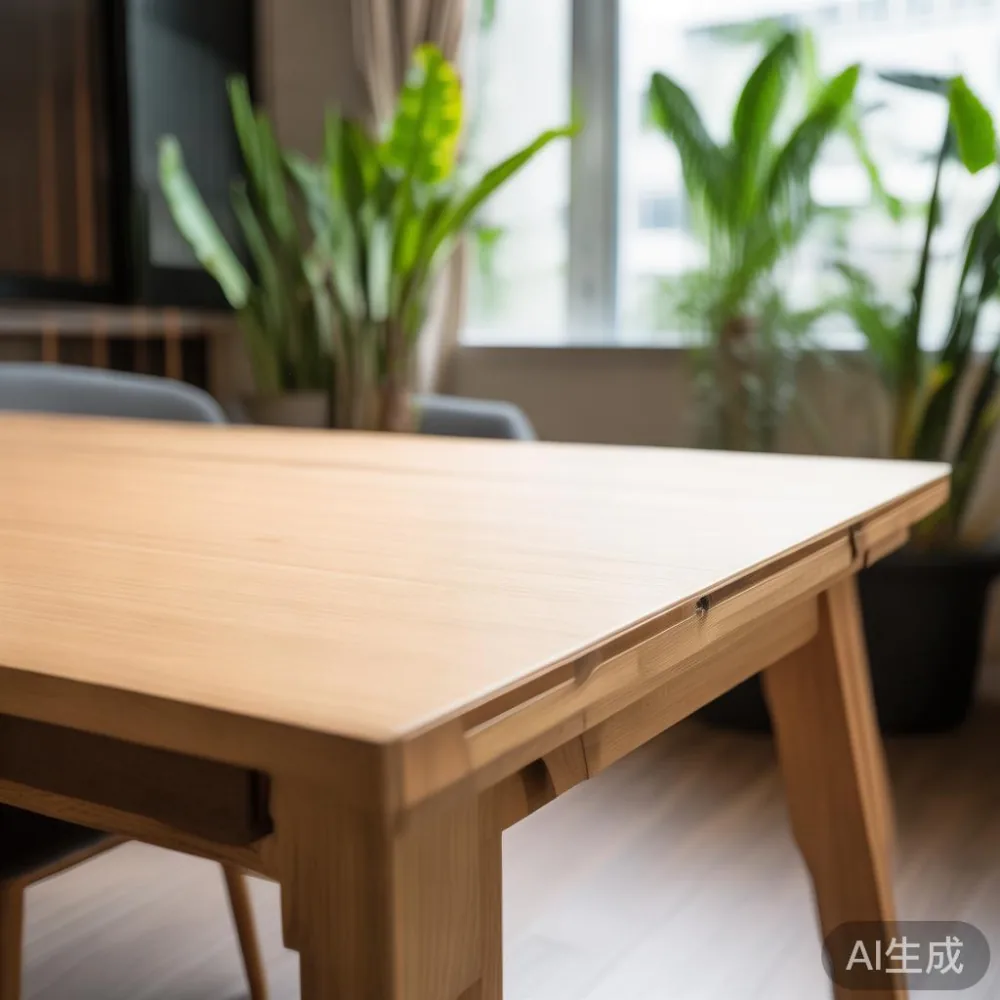
For planning, I would budget SGD 900–1,300 for a medium veneered model, including a modest delivery charge. Local delivery may add SGD 50–120, while a booked van or extra-person service can add SGD 80–180. Delivery to most Singapore addresses takes 5–12 working days after production, although peak periods and custom sizes can add 7–14 days.
Over 5 years, the likely costs are:
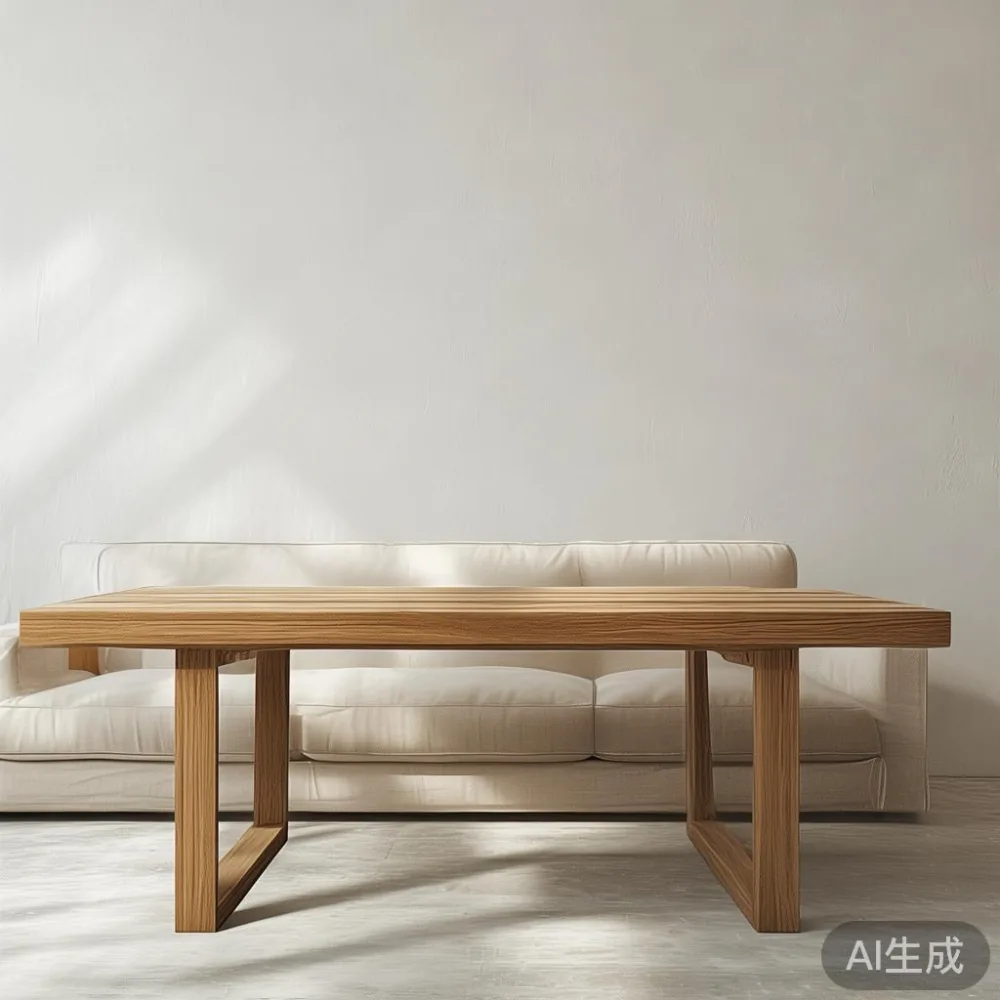
- Purchase and GST: SGD 800–1,300
- Delivery and carrying: SGD 50–180
- Minor repairs, edge work and hardware: SGD 80–250
- One partial restoration or professional touch-up: SGD 120–300
- Expected early replacement or top-up: SGD 250–700
That produces a 5-year ownership estimate of roughly SGD 1,300–2,730, or SGD 260–546 per year. If the core swells, the surface scratches through, or the extension mechanism loosens, the lower end of that range is less likely. Edge swelling can affect a water ring around a glass or marble table, while a 30–40 cm leaf may sit unevenly after repeated expansion.
Good moisture control is important in Singapore. Aim for indoor relative humidity around 40–65%, keep the table away from air-conditioning vents, and use coasters and felt pads. Wipe spills promptly rather than leaving water on the surface for 10–15 minutes. These habits lower veneer cost, but they do not remove differences in core stability and repairability.
How much does a solid wood extendable table cost over 5 years?
A solid wood extendable table may cost SGD 1,500 before GST for a basic 140–180 cm model and SGD 2,600 for a larger 180–220 cm table made from hardwood such as ash, oak, walnut or rubberwood. After GST, the first becomes SGD 1,635 and the second becomes SGD 2,834. A more decorative light-luxury finish can push the total to SGD 3,400–4,800.
For a 5-year Singapore budget, use these figures:
- Purchase and GST: SGD 1,600–3,200
- Delivery and carrying: SGD 80–250
- Cleaning, waxing and small repairs: SGD 100–300
- One professional refinishing service: SGD 350–800
- Expected repair or partial component replacement: SGD 100–450
The resulting 5-year estimate is about SGD 2,230–5,000, or SGD 446–1,000 per year. This appears higher than veneer, but a solid table can remain in use for 20, 30 or even 40 years when its joints and surface are maintained. The key distinction is that veneer may need replacement in 5–8 years, while a sound solid wood extendable table may not need full replacement within the same period.
Weight is a major local cost factor. A 160–180 cm solid wood table may weigh 45–75 kg, and a 200–220 cm version may reach 85–110 kg. Veneer tables often weigh 25–50 kg, although engineered construction varies. HDB lift doors commonly measure about 80–90 cm wide, and a narrow 70–80 cm model can be easier to move, but apartment corridors and turning corners still require a measurement plan.
At MIDHILL, structural quality is backed by a 10-year warranty, and refinishing support is available for the life of the table. That is relevant to a 5-year calculation because a repairable timber body can preserve value beyond the first replacement cycle. The 10-year structural warranty is not the same as a lifetime guarantee against every scratch, but it gives owners a clearer basis for handling frame or joinery concerns.
Is veneer cheaper if you include GST, delivery and repairs?
Yes, veneer usually has the lower cash outlay. Consider a representative SGD 1,200 solid wood table and a SGD 900 veneer table, both before GST. With 9% GST, they cost SGD 1,308 and SGD 981. Add SGD 120 delivery to each. The first-year totals are SGD 1,428 and SGD 1,101, a difference of SGD 327.
Now add realistic 5-year events. Suppose the veneer table requires SGD 180 in minor repairs, SGD 220 in restoration and a SGD 450 replacement contribution. Its total becomes SGD 1,951. The solid wood table receives SGD 120 in maintenance, SGD 500 in refinishing and SGD 200 in component repairs, giving SGD 2,248. The veneer option is still SGD 297 cheaper in this scenario, but it leaves the owner without the same table.
That replacement is the point of a cost-per-year comparison rather than a purchase-price comparison. If the solid wood table remains usable after year 5 while the veneer table has entered a second ownership cycle, the useful-life denominator becomes much more favourable for solid wood. If both are treated as identical products and the veneer table is assumed never to fail, the veneer option costs less over the exact 5-year period.
The comparison also changes with a larger initial price gap. A SGD 700 veneer table versus a SGD 2,400 solid wood table means more than SGD 1,600 before GST. Over 5 years, a strong case for veneer may require no replacement and only SGD 150–300 of care. A solid wood table becomes more economical when it avoids one replacement worth SGD 1,000–2,000 and can still be repaired rather than discarded.
What happens to an extendable table during daily use?
The extension system is often the first mechanical weak point. A 140 cm table might extend to 200 cm, while a 180 cm table might reach 240–280 cm. Check whether the extension uses timber slides, a central leaf, a butterfly mechanism or a lifting frame. Test the table fully open and closed before accepting delivery.
Last month I visited a colleague in Bedok to inspect a 180 cm dining table that had been extended almost every evening. Its solid wood top had light marks but no swelling, while the removable 40 cm leaf showed small gaps near the hardware after about 14 months. The repair was a hinge adjustment and SGD 65 of wax, not a full replacement. That visit convinced me to include mechanism servicing in every 5-year estimate.
For solid wood, seasonal movement can create small gaps of roughly 1–3 mm. In Singapore’s humid climate, the more common issue is swelling rather than winter contraction. Do not force a tight leaf into place. If the table has a marble table top, stone and timber react differently to moisture, and seals should be checked annually. By contrast, a veneer’s thin skin can chip at an exposed edge, making the core visible within 1–3 years in a busy dining area.
Plan to tighten fittings every 12 months and check the extension every 6–12 months. Use a damp cloth for routine cleaning, followed by a dry cloth within 5 minutes. Avoid abrasive pads and silicone-based polish. If a solid top needs sanding, the work may involve 60, 120 and 220 grit papers, followed by oil or lacquer; professional refinishing is often more practical for a large table.
Which option suits HDB flats, Tampies and Punggol homes?
For an HDB flat with a compact dining zone, a veneer extendable table can make sense when the budget is fixed and the surface will be protected. A 120–160 cm closed model may fit a dining niche of 140–180 cm, while extending to 180–220 cm for guests. Measure the chair pull-out zone too: allow at least 60–75 cm behind each occupied chair and around 90 cm at table ends.
In Bedok, Tampines and Punggol condos, a larger solid wood table can suit owners who want a lasting centrepiece, but the dimensions need checking before ordering. Measure lift doors, the widest corridor turn and the route from the service lobby. A table that is 200 cm long may need to enter as a top, apron and legs rather than as one assembled unit.
MIDHILL’s free shipping threshold of US$350 simplifies international purchasing, while orders above SGD 350 generally qualify for free standard delivery under the stated policy. Local GST at 9% still applies. Standard production and delivery commonly require 15–35 working days, and a custom finish can add 10–20 days.
Solid wood suits a French light-luxury or post-modern light-luxury room when the grain, warm finish and visible joinery are part of the design. It also works beside a solid wood sofa, oak bed frame, solid wood wardrobe or nightstand. A European for small living room approach may favour a lighter veneer table, while a compact solid wood dining table can provide continuity without overwhelming the space.
The broad phrases “is European sofa worth it” and “for sale Post-modern furniture” can describe a designer’s style search, but sofa and table decisions are separate budgets. A solid wood sofa or marble table may need different care from timber dining furniture. Likewise, when comparing a best Post-modern bed for 2026 with a dining table, look at material and movement rather than matching labels alone.
How do you compare American-style furniture with European construction?
American light-luxury furniture often emphasises generous proportions, deep comfort and substantial timber or upholstered forms. European design can be more restrained, with cleaner lines and carefully detailed edges. For an extendable table, those stylistic cues should not replace basic checks: solid timber thickness, underside joinery, extension hardware, finish coverage and repair support.
Ask how to choose American sofa when the real question is how the dining table fits the home. A large upholstered piece can make a compact dining area feel crowded, and a European-style table with delicate legs may need careful placement. Measure the finished room, not only the table footprint.
Build a written specification. For solid wood, request the species, core construction, finish type, extension length, drawer or runner details and warranty. For veneer, request the veneer thickness, substrate, edge treatment and repair process. A genuine 0.6 mm veneer can be serviceable, while a very thin 0.3 mm layer may chip more easily. Names such as European for small living room and best Boho sofa for 2026 describe looks, not manufacturing standards.
Delivery damage should be photographed before unpacking further, and measurements recorded within 24 hours of arrival. A 14-day return window allows a practical assembly and extension test. Keep packaging for at least 14 days if possible because a complete return is easier when the leaves, rails and protective covers are available.
What is the most practical 5-year buying decision?
Choose veneer when the immediate budget is the main constraint, the table will be protected from moisture, and you accept a higher chance of surface or core repair. Choose solid wood when the table will be used daily, the household expects to keep it beyond 5 years, and moving it several times would be difficult or expensive.
Use a simple worksheet. Enter the pre-GST price, add 9% GST, delivery, and a 10% contingency for repairs. For veneer, add an annual allowance of SGD 150–350 and a possible replacement reserve. For solid wood, add SGD 80–250 per year for care and one possible refinishing cost of SGD 350–800 across the period. The result should be divided by the years of use you expect.
A solid wood extendable table may cost twice as much at purchase, yet it can offer a lower cost per year of actual service. A veneer extendable table may save SGD 500–1,500 at checkout, yet repeated edge repairs or a year-5 replacement can erase that saving. The most useful question is not whether solid wood is more expensive; it is how many usable dining years each option provides.
For local guidance, contact MIDHILL on +86 188 2788 2512 and request dimensions, estimated delivery days, GST-inclusive pricing and finish samples. A 30-minute measurement check at home can prevent a 75 kg table from becoming a corridor problem. If the piece is intended for a bedroom rather than dining, an oak bed frame, solid wood nightstand or wardrobe should be specified separately, with the same attention to movement, moisture and finish care.