5-Year Cost of an Extendable Table: Solid Wood vs Veneer in Singapore
A dining table is one of the few pieces of furniture that has to work every day: it holds breakfast trays, homework, hot pans, birthday cakes and the weekly grocery order. In Singapore, an extendable table must also fit through HDB lift doors, turn along tight corridors and earn its place in a dining room that may be only 7-9 sq m. Price comparison is therefore more useful when it includes delivery, extension hardware, repairs and the likely resale value after 5 years.
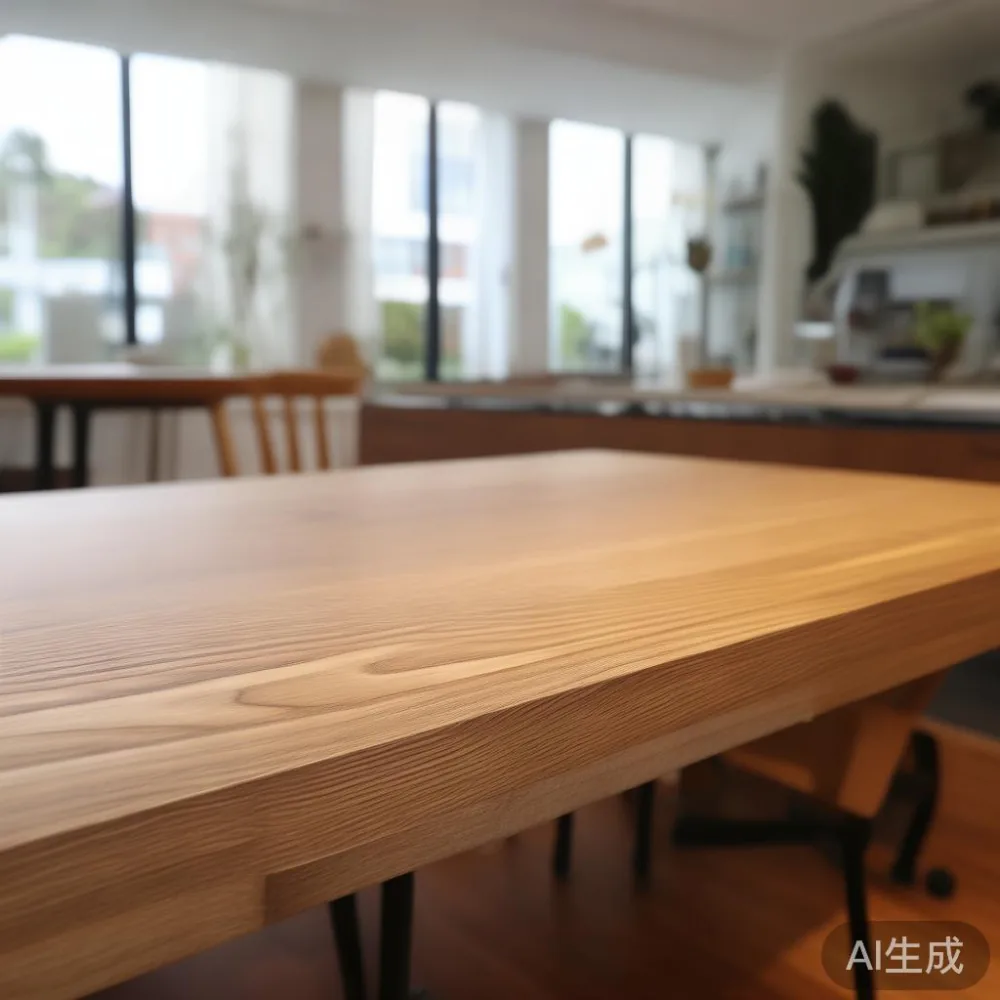
This comparison covers one common 160-180 cm extendable dining table format for homes in Tampines, Bedok and Punggol. The figures are working estimates in Singapore dollars, including GST where indicated, rather than quotations for a specific home. They show why material choice is only one line in the total cost of ownership.
What does an extendable table cost over 5 years in Singapore?
For a fair comparison, use the same ownership period, dimensions and extension mechanism. A 160 cm closed veneer table might cost SGD 1,250, while a comparable solid wood table might cost SGD 2,150. The veneer model could need a new edge band, minor repairs or replacement hardware during years 3-5. The solid wood model may require only surface maintenance if the joints and extension system remain sound.
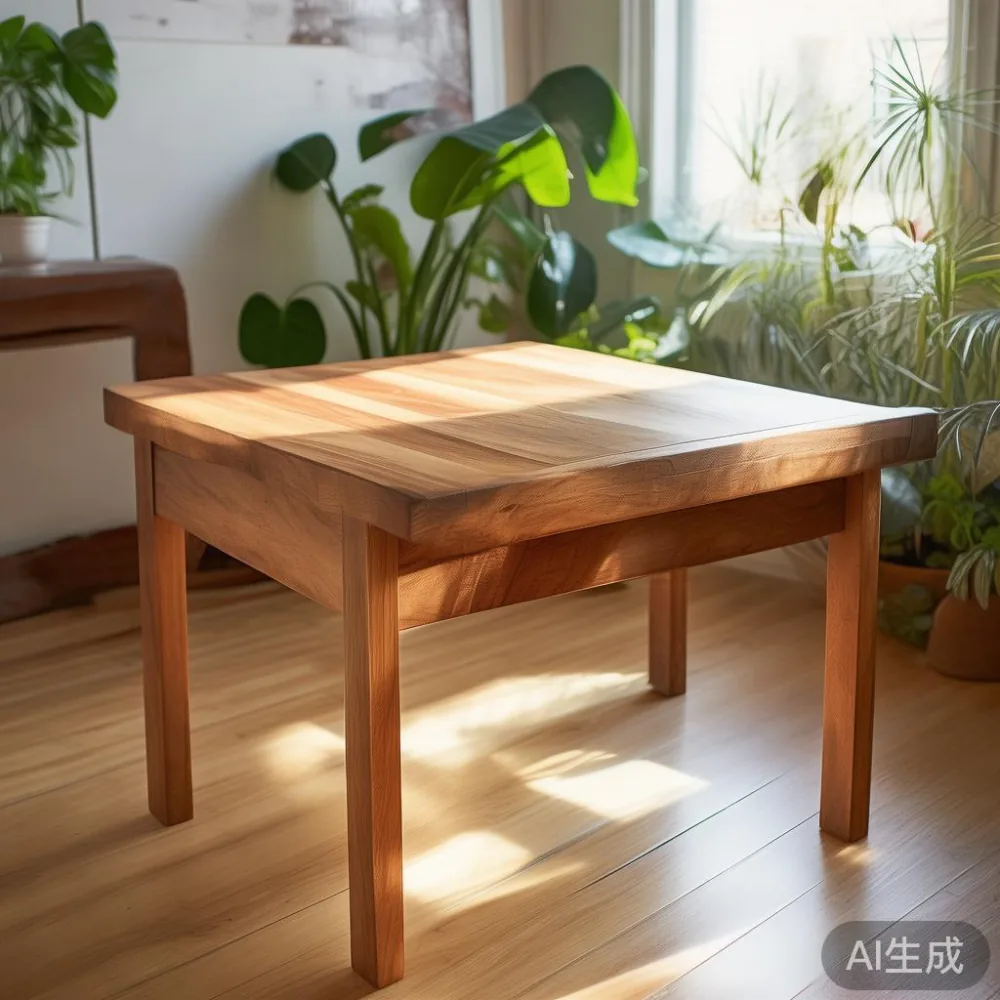
Here is a practical 5-year budget for each option:
Veneer extendable table: SGD 1,250 purchase price; SGD 100 delivery and carry-in; SGD 80 for assembly and initial protection; SGD 180 estimated repairs, edge work and hardware replacement; SGD 60 refinishing supplies; SGD 75 estimated resale value. Total cash spent is about SGD 1,670, producing a net 5-year cost of SGD 1,595.
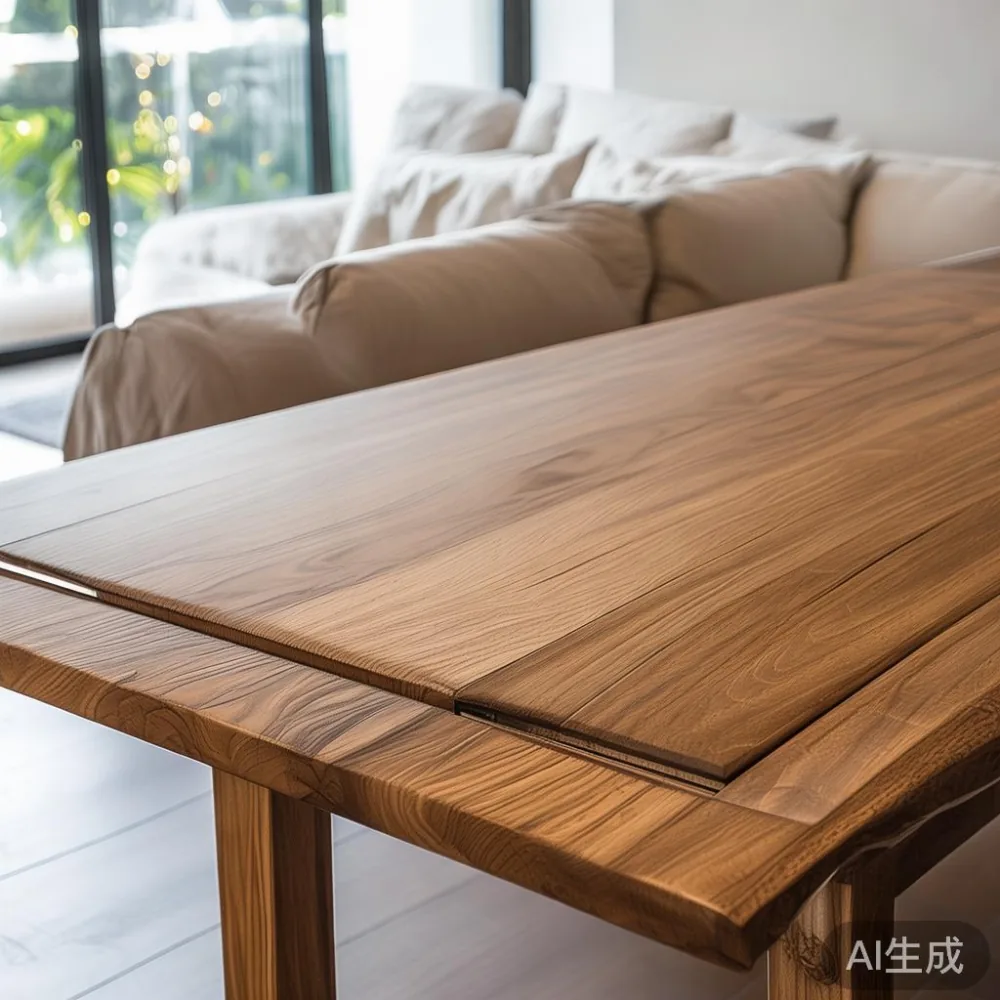
Solid wood extendable table: SGD 2,150 purchase price; SGD 0 delivery where the order qualifies for free shipping above US$350; SGD 80 for assembly and initial protection; SGD 90 estimated joint and hardware maintenance; SGD 140 refinishing supplies; SGD 320 estimated resale value. Total cash spent is about SGD 2,460, producing a net 5-year cost of SGD 2,140.
The solid wood table costs about SGD 545 more over 5 years in this example, or roughly SGD 109 per year. In a 9 sq m dining area with a 180 cm closed table, the budget can be justified differently: the table becomes a long-term surface rather than a disposable fit-out item. If the family expects to move after 3 years, resale becomes more important; if the table stays for 8-10 years, the solid wood option often makes more economic sense.
These are scenarios, not guarantees. A low-use table in a 4-person condominium home may incur no repairs, while one exposed to daily cooking and coastal humidity may need care sooner. GST should be included when comparing final retail prices for a registered Singapore purchase.
How does the upfront price of veneer and solid wood compare?
Engineered veneer uses a thin layer of timber, commonly 0.6-1.2 mm, bonded to a chipboard, MDF or plywood core. The visible face can resemble oak, walnut or ash, but the edge and underside reveal the construction. A 160 cm veneer extendable table typically starts around SGD 900 and reaches SGD 1,500. A 180 cm version commonly falls between SGD 1,100 and SGD 1,800.
Solid wood tables use timber across the visible and structural components. Common choices include rubberwood, ash, oak and walnut. A 160-180 cm solid wood extendable table with a stored leaf generally falls around SGD 1,750-SGD 3,200. A wide 200-220 cm version with more elaborate joinery may reach SGD 3,800.
That initial difference is not a simple material premium. Veneer can be efficient because a large decorative sheet covers a lower-cost core. Solid wood requires drying, grading, machining and controlling movement as humidity changes. The buyer also pays for visible depth at the edges, longer-lasting refinishing options and the confidence that a small scratch can be sanded rather than replaced.
For local homes, the physical size matters before the material does. Check the closed table width against the corridor: a 90 cm corridor leaves little turning room for a 180 cm table carried vertically. Many HDB lift openings measure about 90-100 cm wide and 200-210 cm deep, though older blocks and newer accessible lifts vary. Measure the narrowest door, landing, lift and turning point before ordering. A table with detachable legs may reduce the diagonal, but an assembled top can still be difficult to manoeuvre.
What maintenance and repair costs should I expect?
Veneer tables are usually lighter. A 160 cm model may weigh 28-42 kg, compared with approximately 45-75 kg for a solid wood table of the same size. Lighter weight can reduce delivery charges and make a move less demanding, although two-person handling may still be needed.
The main veneer risks are edge lifting, bubbling, chipping and wear through to the core. Small marks on a sealed melamine surface may require little more than a repair pen. Water ingress, heat from a hot pot and repeated movement of the extension leaf can damage the bond or edge band. Budget SGD 60-SGD 180 for minor fixes across 5 years, and allow more if the top must be replaced. An entire 160-180 cm veneer top may cost SGD 700-SGD 1,400 before delivery if a factory-matched replacement is available.
Solid wood is less forgiving of impact during shipping, but it is generally easier to repair. Scratches can be filled, sanded and stained; a damaged leaf edge can be rebuilt if enough sound timber remains. Budget roughly SGD 15-SGD 30 per year for cleaning and waxing, plus SGD 60-SGD 150 per incident for hinge, catch or runner work. Singapore’s humidity commonly sits around 70-85% for much of the year, so avoid leaving a damp cloth against the grain and keep the table away from air-conditioning vents that create rapid moisture changes.
Oil finishes need more attention than factory lacquer. Plan to wipe the surface after meals, use trivets and coasters, and inspect the leaf hardware twice a year. Never soak the top or use silicone-heavy cleaners. If the finish becomes dull after 4-5 years, a full refinishing service may cost around SGD 250-SGD 550 for a 160-180 cm table. The wood underneath can usually be restored, which is the central financial advantage of solid construction.
Is a solid wood extendable table more suitable for HDB flats and condos?
Durability and appearance are strong reasons to choose solid wood, but access can be the deciding factor in local housing. In a compact Tampines HDB flat, a 140-160 cm table with a 40-60 cm extension leaf can seat 6 when extended and 4 when closed. The stored leaf should run on solid wood runners with metal bearings and a positive locking catch. Confirm that the mechanism holds the leaf securely and does not create a ripple across the centre of the tabletop.
The table should sit with at least 75-90 cm of clear space behind each seated person for a chair to be pulled out. A wall against one side may be acceptable for occasional dining, but it can make service and cleaning difficult. In a Punggol condo, where dining areas often connect visually to the living room, solid wood can provide a warmer transition than a high-gloss veneer surface.
Light-luxury styling is not dependent on heavy decoration. French light luxury works with a pale oak top, linen-upholstered chairs and restrained brass details. Post-modern light luxury might pair a solid wood extendable table with curved seating and one graphic artwork. For buyers comparing European light luxury sofa vs Modern sofa, the relevant point is tonal continuity: keep the dining table’s finish coordinated with the room rather than introducing too many competing materials.
The wider home may already contain a solid wood sofa, bed frame, wardrobe or nightstand. A matching dining table can make the renovation look intentional. Marble table tops and solid wood dining tables can also coexist when the marble appears only on a side console or coffee table. In a smaller flat, one strong material family often creates a calmer result.
For clients who want guidance on how to style Japanese wardrobe in apartment layouts, treat the dining table as a practical anchor and keep nearby storage quiet and uncluttered. A low sideboard, warm lighting and pale walls will usually make an extendable table feel more generous.
What happens when I move house after 3 years?
Moving changes the cost calculation. A lightweight veneer table may be easier to carry through a lift and fit into a smaller rental, while a solid wood table needs protection from knocks. If the table has been refinished carefully, its retained value can offset part of the original premium. A well-maintained solid wood table might sell for 55-70% of its retail price after 3-5 years; a less distinctive veneer table may sell for 35-55%, depending on condition and current demand.
In the example above, subtracting SGD 320 resale value from the solid wood cost reduces its 5-year expense. That assumption should be checked against actual local listings. Search sold or asking prices for the same dimensions, wood species, leaf length and mechanism rather than comparing unrelated imported tables. Extension rails, a matching leaf and repairable construction can support a better resale position because replacement examples are harder to source.
When moving, remove the legs if designed to detach, label the fixings and photograph the table before loading. Use moving blankets at least 2 mm thick around the corners. For a solid wood table, carry it edge-on through the corridor rather than dragging it on a dolly through lift thresholds.
Delivery lead time also affects the financial outcome. A stock or local-production table might arrive in 7-14 days, while a made-to-order solid wood table may take 6-10 weeks. Confirm the dispatch date in writing and whether the quoted lead time includes production, freight and the delivery appointment. If the building requires a loading-booking slot, add another 2-5 days.
How should I compare value without overlooking the room and warranty?
Compare total cost, not just the invoice. A useful purchase record should list the table’s closed and open dimensions, weight, wood species, core material if applicable, finish type, extension range, warranty and after-sales terms. Ask for a physical veneer sample if the grain and colour are important. Some low-cost veneers change appearance strongly under warm lighting; solid wood develops its own variation and may become richer over time.
Warranty length can reduce risk, but exclusions matter. A 10-year structural warranty is different from a 10-year promise covering every scratch, moisture issue or accidental impact. Check whether the leaf mechanism, joints, drawer components and finish are covered, and whether freight is included for a replacement part.
MIDHILL was established in 2008 and exports to more than 15 countries. Its 10-year structural warranty and lifetime refinishing service make solid wood easier to value over a 5-year horizon. The company also offers free shipping for orders above US$350 and a 14-day return window, although a customer should confirm how furniture returns, assembly and custom dimensions are handled before purchase.
Service matters after delivery. A supplier that can advise on care, supply extension hardware and refinish a damaged top may save more than the initial price gap. A 14-day return policy provides time to check movement, alignment and finish under the home’s lighting, but it does not replace careful dimension checks.
What should you choose for a Singapore dining room?
Choose veneer when the budget is limited, the table will have light use and the household accepts replacing the top if edges or joints fail. It can be a sensible choice for a rental flat, a child’s study area or a temporary dining setup. Look for a plywood core, continuous veneer on visible surfaces, sealed edges and a reputable extension hardware brand.
Choose solid wood when the table is expected to remain for at least 5 years, be moved less or be refinished as the home changes. The higher purchase price can be offset by repairability, a longer useful life and stronger resale value. The trade-off is weight: confirm that the lift, corridor and turning spaces can accommodate the packed dimensions and that the delivery team is prepared for the route.
Style should follow the architecture rather than a temporary trend. A clean solid wood extendable table can suit Japandi, French light luxury, American light luxury or post-modern light luxury rooms. Modern Italian light luxury furniture often relies on precise proportions, so a restrained top with simple chairs may be more effective than a heavily decorated model. If searching for sale French provincial furniture, note that curved carved dining pieces occupy more visual and physical space than a slim extendable design.
A practical decision rule is straightforward: if the expected cost per usable year is lower than the solid wood alternative and resale value is strong, select solid wood. If the table must fit a fixed budget and may move soon, choose a well-built veneer model and set aside about SGD 180 for 5 years of likely repairs.
Before payment, measure the route, request the packed dimensions, compare the full specification and photograph the delivery condition. Ask how the leaf locks, how the extension runners are serviced and what refinishing options are available. For a dining table, those details determine whether an extendable table remains convenient after 5 years of ordinary Singapore family life.