A 5-Year Cost Comparison: Veneer vs Solid Wood Extendable Tables in Singapore
An extendable table is often sold on the strength of its opening price, but the figure that matters more to a Singapore household is the cost of keeping it useful for 5 years. Veneer can be economical and visually refined. Solid wood carries a higher purchase price, yet its repair and refinishing history may offer more control over long-term expenditure. The fair comparison includes the table itself, delivery, GST, maintenance, damage, resale and the work required when an HDB flat or condo changes.
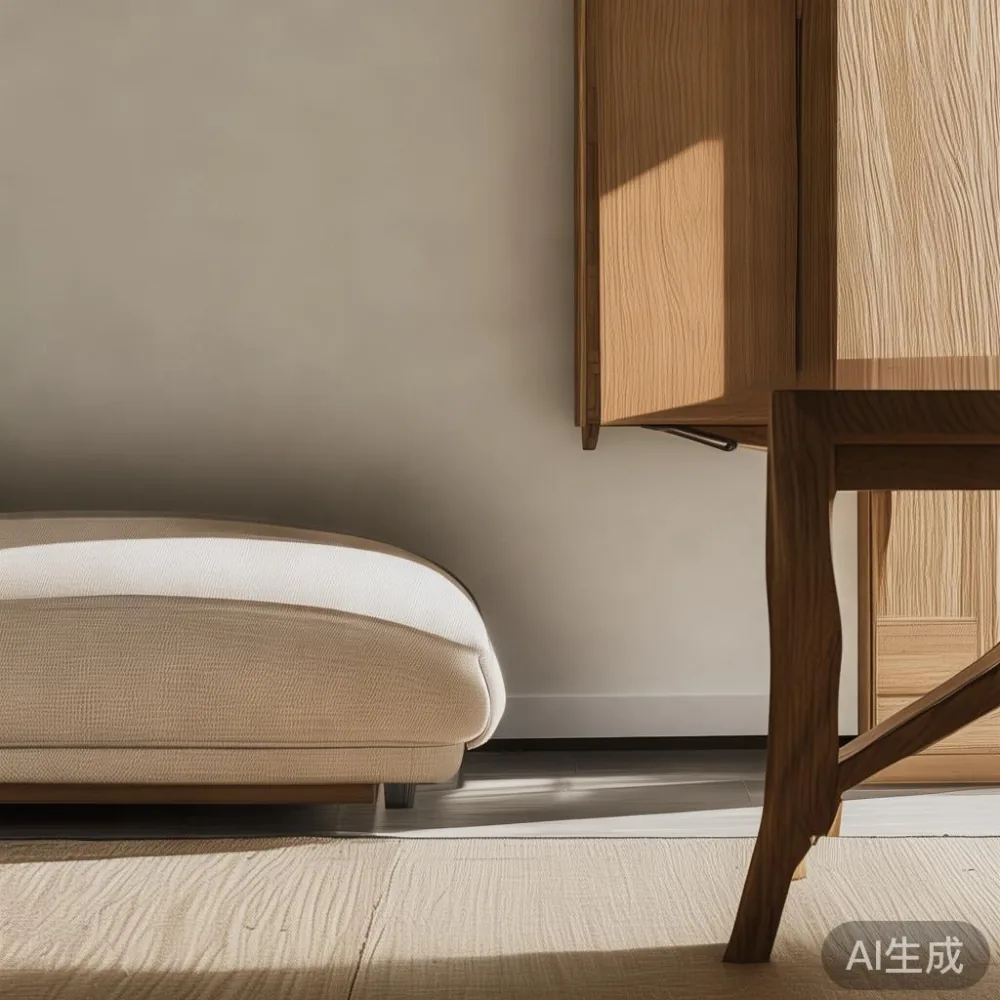
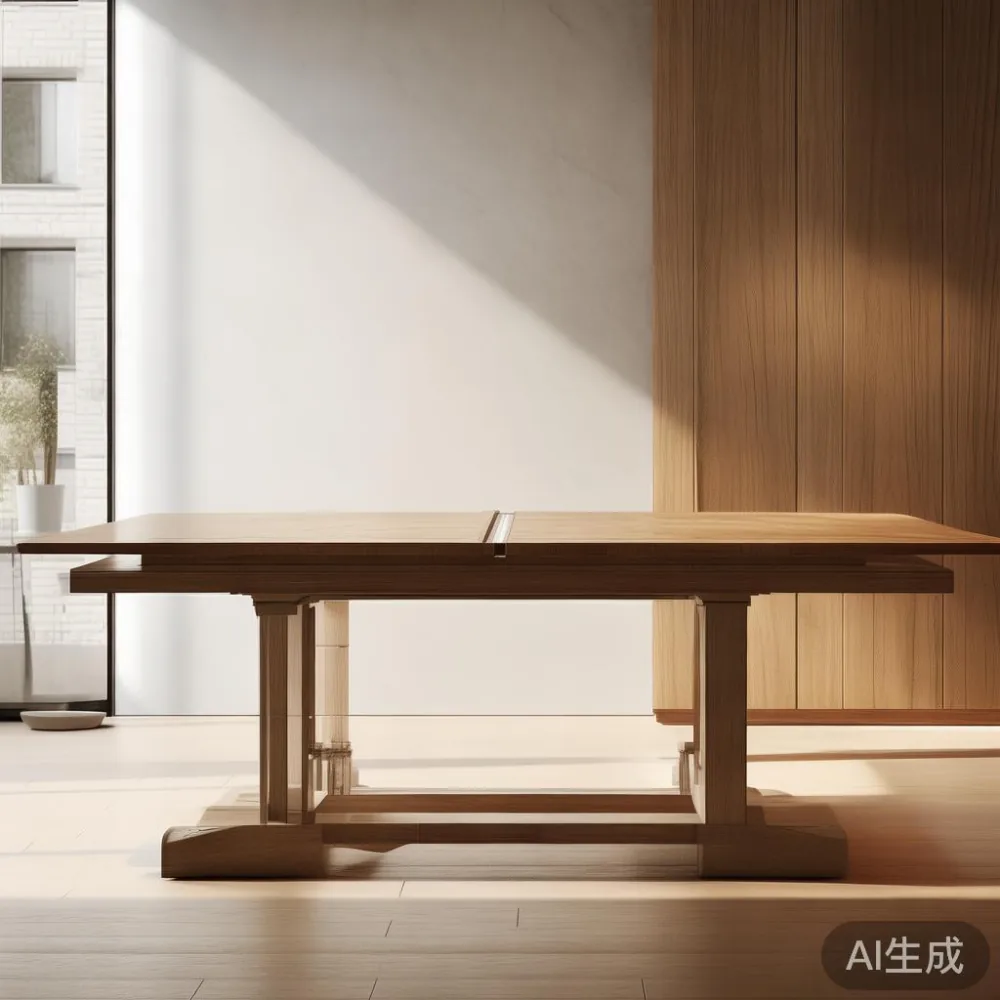
For this comparison, I used a dining table sized at 160 cm closed and 220 cm extended, with a typical 75 cm height. Both versions were estimated for a household in Tampines, Bedok or Punggol. I last month visited my colleague's Bedok condo to examine an extendable table with veneer movement along one edge after 18 months of seasonal humidity changes. The inspection influenced the assumptions below, including realistic repair intervals and Singapore delivery conditions.
All prices are shown in SGD and include GST where stated. The figures are planning estimates rather than quotations; timber movement, access conditions and individual products can change the final amount.
What does a veneer extendable table cost over 5 years?
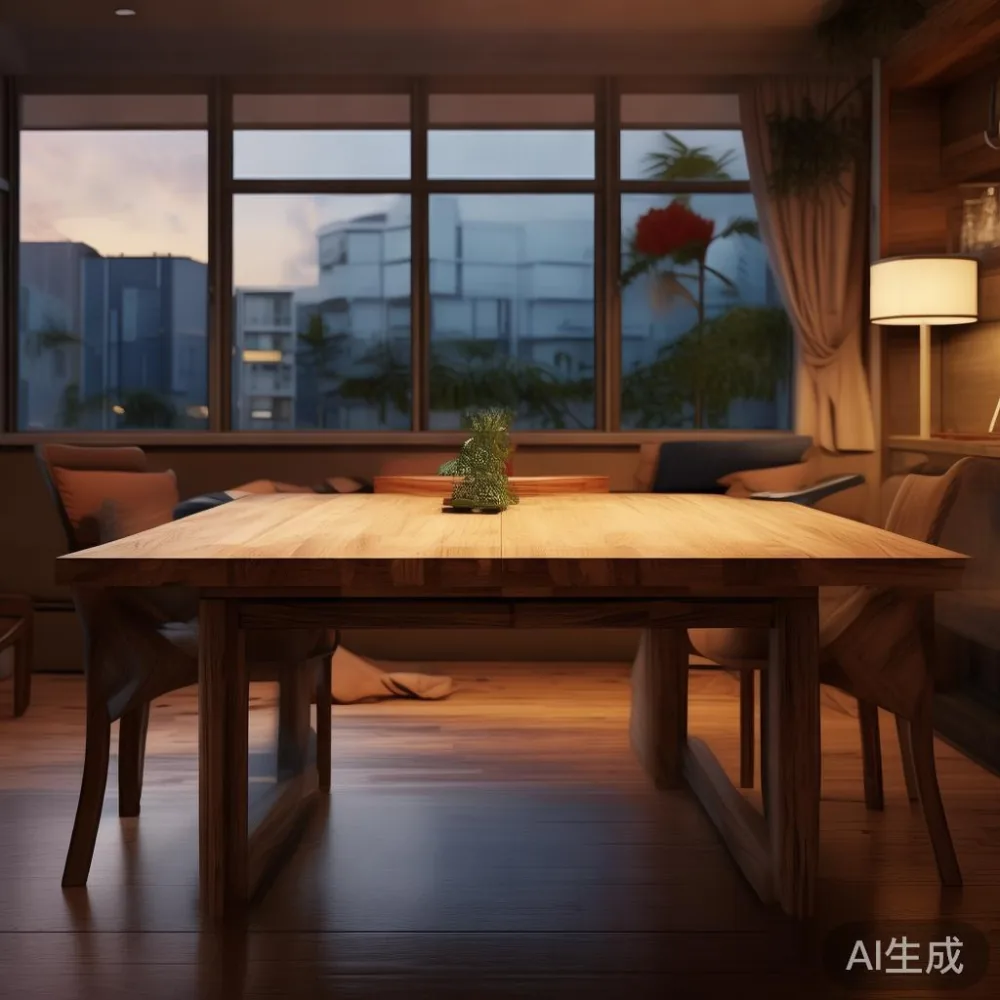
A decent extendable table using engineered veneer on a stable manufactured core might cost SGD 1,280 including GST. A comparable solid wood dining table in oak or ash might cost SGD 2,380 including GST. For households expecting frequent meals, hosting and daily use, this is not simply a comparison of two surfaces. It is a comparison between a layered product and a timber product that can usually be sanded, patched and refinished.
The calculation starts with ownership rather than purchase:
Year 0 purchase and access:
Veneer extendable table: SGD 1,280
Solid wood extendable table: SGD 2,380
Estimated delivery: SGD 90 for either example
Optional in-home placement: SGD 60 if the lift cannot be booked
Subtotal before care: SGD 1,370 for veneer and SGD 2,470 for solid wood
Over 60 months, the initial solid wood premium is SGD 1,100. A single professional refinishing job estimated at SGD 480 could recover nearly half of that difference, but the result depends on how the table is treated. Veneer cannot be repaired as a full solid wood surface: if the veneer has chipped through to the core, a replacement panel may be needed.
The central difference is therefore predictable expense versus retained value. A sound solid wood table can often remain serviceable after scratches and stains. Veneer may need a panel replacement or full replacement of the affected top. Neither route guarantees perfection, and moisture control remains important with both.
Is a solid wood extendable table cheaper than veneer after 5 years?
Not necessarily in cash expenditure, but often in usable life and resale terms. For a fair five-year comparison, I applied a measured maintenance allowance and one probable incident to each table.
Veneer scenario:
Purchase and delivery: SGD 1,370
Annual cleaning and tabletop protection: SGD 40 × 5 = SGD 200
Minor hardware adjustment in year 3: SGD 90
One edge repair orSection touch-up allowance: SGD 180
Replacement risk reserve in year 5: SGD 200
Five-year total: SGD 2,040
Solid wood scenario:
Purchase and delivery: SGD 2,470
Annual cleaning and tabletop protection: SGD 40 × 5 = SGD 200
Minor hardware adjustment in year 3: SGD 90
One sanding and refinishing service in year 4: SGD 480
No table replacement reserve: SGD 0
Five-year total: SGD 3,240
The solid wood route costs about SGD 1,200 more in this scenario. However, the refinished table remains a usable dining table with a renewed surface, while the veneer estimate includes money set aside for eventual replacement. If the solid wood table is still sold after 5 years, its retained value could narrow the difference. A conservative resale estimate might place the maintained solid wood table at SGD 700 to SGD 1,000 and the veneer table at SGD 250 to SGD 450, before any dealer, transport or platform deductions.
On a net-cost basis, the solid wood example might therefore fall to SGD 2,240 to SGD 2,540 after resale, compared with SGD 1,590 to SGD 1,790 for veneer. That is a narrower spread than the initial SGD 1,100 premium. If the veneer table needs a new top or becomes unusable, the financial picture changes again.
This is why “solid wood automatically costs less” would be inaccurate. It costs less only when preservation value, avoided replacement and flexibility at resale are counted. For a temporary posting, a short lease or a table expected to move between 2 homes, the lower starting price may be more rational.
How much does maintenance cost in Singapore?
Humidity is the recurring factor in an HDB flat or condo. Singapore's outdoor readings frequently sit around 31–34°C, while air-conditioned interiors may remain near 23–26°C. Those transitions can affect coatings and joint stability. Neither material should stand against a damp wall, under a leaking window or beside a bathroom doorway.
For both tables, annual care is budgeted at SGD 40. That allows for microfibre cloths, a mild cleaner and small protective items such as felt pads. A pH-neutral wood cleaner can cost SGD 18 to SGD 32, while replacement felt pads might add SGD 8 to SGD 12 per set.
Solid wood typically needs re-oiling, waxing or recoating at intervals of 12 to 24 months, depending on use and the original finish. Budget SGD 120 to SGD 220 for a careful do-it-yourself session or roughly SGD 380 to SGD 580 for a professional service. Veneer should not be sanded through its thin decorative layer. Its care is often cheaper, but repairs are less forgiving because a deep chip may expose the engineered core.
For a family dining room, place the extendable table away from direct afternoon sun. Use a placemat under hot serving dishes and coasters under drinks. Wipe spills within 10 minutes rather than leaving them overnight. If the table is extended daily, inspect the locking mechanism every 3 months. A 5 mm wobble or resistance that was absent in month 1 should be addressed before a support loosens.
These practices also connect to broader interior decisions. A solid wood sofa, bed frame, wardrobe or nightstand may share a warmer material palette, while a marble table introduces a cooler, harder surface. An extendable table remains the focus because its conversion between 160 cm and 220 cm directly affects dining comfort, circulation and storage in compact Singapore interiors.
Which material is easier to live with in HDB flats and condos?
Ease of ownership depends partly on movement constraints. In many HDB dining areas, a 160 cm table may leave about 70–90 cm behind each seated person when chairs are pulled out. A 220 cm extension can suit six to eight diners, but it may reduce the walkway to 55–75 cm in a compact Tampines or Punggol flat.
Before buying, measure the closed table and the open leaf together. Mark the extended footprint with painter's tape on the floor for 2 evenings. This is more informative than relying on an online floor plan.
Building access matters too. A common residential lift may have an internal door width of about 90 cm and a depth of 130–140 cm, although older and newer blocks differ. A 160 cm table may fit diagonally; a long 220 cm solid wood model may not. Corridors can narrow to 100–120 cm, with right-angle turns at the staircase lobby. The delivery charge can rise from SGD 90 to about SGD 180 if two extra workers are needed, while an unbookable lift might add a wait charge of SGD 30 to SGD 60.
For smaller homes, solid wood does not automatically mean a heavier extension mechanism. A well-engineered hardwood frame and sliding or pull-out leaf can keep the table around 45–65 kg, compared with roughly 38–52 kg for a comparable veneer model. The exact weight must be confirmed because dense hardwood and thick construction can push above 70 kg.
My colleague's Bedok unit had a 100 cm lift doorway and a 115 cm corridor. The solid wood table entered diagonally, but its extension leaf had to be carried separately in the second trip. Planning delivery for 2 to 4 business days after confirmation helped prevent a corridor obstruction. Measure the lift, turning radius, stair landing and kitchen door before ordering any large dining table.
Can a veneer table last 5 years without major problems?
Yes, if it has a sound core, restrained use and a stable indoor environment. Five years is a reasonable planning period, not a guarantee. Veneer can remain visually attractive through careful care, especially in a light-luxury scheme where the printed grain is consistent and the finish is matte rather than high gloss.
The warning sign is a crack crossing the grain, a lifting edge, a persistent core bulge or a swollen MDF section. Surface scratches may be treated cautiously, but sanding can expose the veneer and its adhesive. An 18-month-old example with edge movement may require professional assessment at roughly SGD 120 for inspection plus SGD 150 to SGD 350 for repair when feasible.
Solid wood, by contrast, may check slightly as timber responds to humidity. Fine movement does not always mean structural failure. Scratches can often be feathered and repaired; stains may require sanding; a broken joint may be reglued. These interventions are more flexible, provided the surface has enough veneer-free timber remaining for restoration.
For buyers comparing visuals, French light luxury often suggests pale oak, creamy upholstery and slim profiles. Scandinavian for dining room styling leans toward pale timber, simple lines and uncluttered settings. Post-modern light luxury can mix an extendable table with curved seating, while retaining practical clearances. A marble table may sit in the same visual language, but its care rules differ: spills should not linger, acidic liquids need prompt removal, and its weight can exceed 90 kg.
Material choice should follow the room's use. An open-plan condo with frequent dinner parties may benefit from a repairable solid wood top. A rental flat, child's study or occasional hosting area may gain more from the lower cost of veneer. A French provincial wardrobe or an American-style wardrobe may be surrounding pieces rather than competing dining surfaces.
What are the hidden costs of buying an extendable table?
The five-year model should include five charges that are easy to overlook:
1. Delivery and carrying: SGD 90 for a straightforward local delivery, rising to about SGD 180 when a restricted lift requires additional labour. Confirm whether the extension leaf and frame share the same delivery.
2. Assembly: Allow SGD 0 to SGD 120. Some tables arrive nearly complete; others need 2 people for 30–45 minutes.
3. Floor protection: SGD 25 to SGD 80 for felt pads, a rug underlay or a moisture barrier.
4. Repair allowance: Set aside SGD 180 for veneer and SGD 480 for solid wood refinishing in this comparison.
5. Ownership transfer: Moving to another HDB flat or condo can cost SGD 120 to SGD 300 for a dining table with a detachable leaf. Measure the new route before deciding whether the current dining arrangement still works.
GST is already included in the examples, but it still affects affordability and comparison. On a taxable purchase of SGD 1,200, GST at 9% is SGD 105.60; on SGD 2,300, it is SGD 207. If a quoted price excludes GST, both totals must be recalculated before comparison.
Warranty terms are another part of ownership cost. MIDHILL gives its furniture a 10-year structural warranty and offers lifetime refinishing, which can reduce uncertainty around eligible solid wood tables. Warranty conditions, timber coverage and service logistics should be checked for the exact product rather than inferred from general brand information.
How do I choose between veneer and solid wood for my dining table?
Choose veneer when the priority is a lower first-year budget, a decorative print and limited repair needs. Choose solid wood when the table will be used daily, may host guests and should remain useful beyond 5 years. A balanced method is to compare the total amount available over 60 months rather than 2 price tags alone.
Ask the seller for the core material, veneer thickness, extension mechanism, timber species, finish, moisture precautions and repair terms. For solid wood, confirm that refinishing will not remove an excessive layer. For veneer, ask what happens if the leaf chips or the core swells. A credible answer should distinguish a cosmetic issue from structural damage.
Also compare the table in its closed state. It must work when only 2 or 3 people are dining, not merely when fully extended. An extendable table with a 160 cm closed length and 220 cm extended length offers a practical middle ground, but room dimensions determine whether the added leaf can actually be used.
Visual planning can extend into adjacent pieces. If searching for how to style Japandi sofa in bedroom ideas, keep the palette restrained so the table remains coherent rather than visually crowded. If considering how to style American wardrobe in bedroom arrangements, solid wood storage can connect with a dining table's grain. For European light luxury for hotel projects, durability and repeatable finishes matter more than a trend label. The phrase best Vintage wardrobe for 2026 may appear in showroom searches, yet age styling should not distract from checking drawer rails, hinges and veneer adhesion.
For a more complete project, a MIDHILL French provincial wardrobe and a MIDHILL coffee table may be planned alongside the dining area. These pieces should share dimensions, tones and clearances rather than compete for attention.
Which option gives Singapore homeowners the better 5-year value?
For the sample used here, veneer has the lower cash cost over 5 years: about SGD 2,040 compared with SGD 3,240 for solid wood. That gap is real. It is also the total that shows why a simple “wood lasts longer” claim needs supporting numbers.
Solid wood becomes more compelling once resale and retained usability are considered. In the same model, the maintained solid wood table produced an estimated five-year net cost of SGD 2,240 to SGD 2,540 after resale, compared with SGD 1,590 to SGD 1,790 for veneer. If the veneer table needs replacement, its practical cost rises sharply. If the solid wood table is scratched in year 4, refinishing offers another route forward.
For a permanent family dining room, MIDHILL's solid wood proposition—built for long use, backed by a 10-year structural warranty and supported by lifetime refinishing—fits the five-year horizon better than a low-cost replacement cycle. For temporary accommodation, frequent moving or light use, veneer's lower starting price remains sensible.
Measure the 160 cm closed and 220 cm open footprints, check the lift and corridor, budget GST explicitly and reserve maintenance funds from day 1. A well-chosen extendable table should suit the rhythm of the home, and the material should match the length of the commitment.