Veneer vs. Solid Wood Extendable Tables Cost in Singapore
For many Singapore households, the dining area is one of the hardest spaces to plan. An HDB flat in Tampines may have a dining table that must leave room for a corridor, a Bedok condo may have a compact balcony access route, and a Punggol home may need a table that changes function through the week. An extendable table is often the practical answer: closed, it serves two to four people; extended, it accommodates six to eight without permanently taking up floor space.
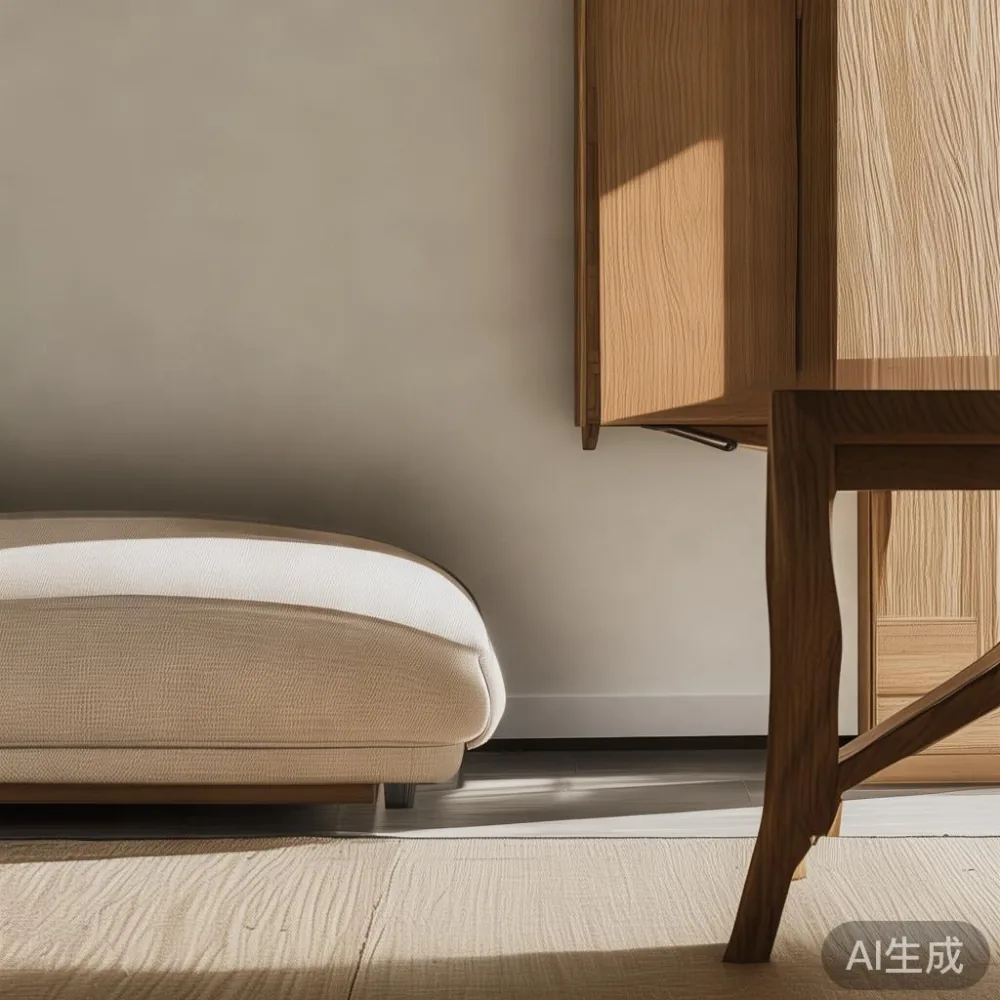
The difficult decision is whether to choose veneer or solid wood. A showroom photograph cannot show the difference in movement, repairability or long-term care. It also does not reveal how a 70 cm corridor narrows the practical choice, or how a 2.4 m table feels after five years of humidity, meals and family gatherings.
I tested this comparison in a Singapore dining room last month. I brought in a veneered extendable table and a solid wood model with the same 140 cm closed length and 200 cm extended length, then moved both through a mock 82 cm lift door and a 110 cm corridor. The veneer model was lighter by about 12 kg, while the solid wood table required more deliberate handling. That inspection became the starting point for the figures below.
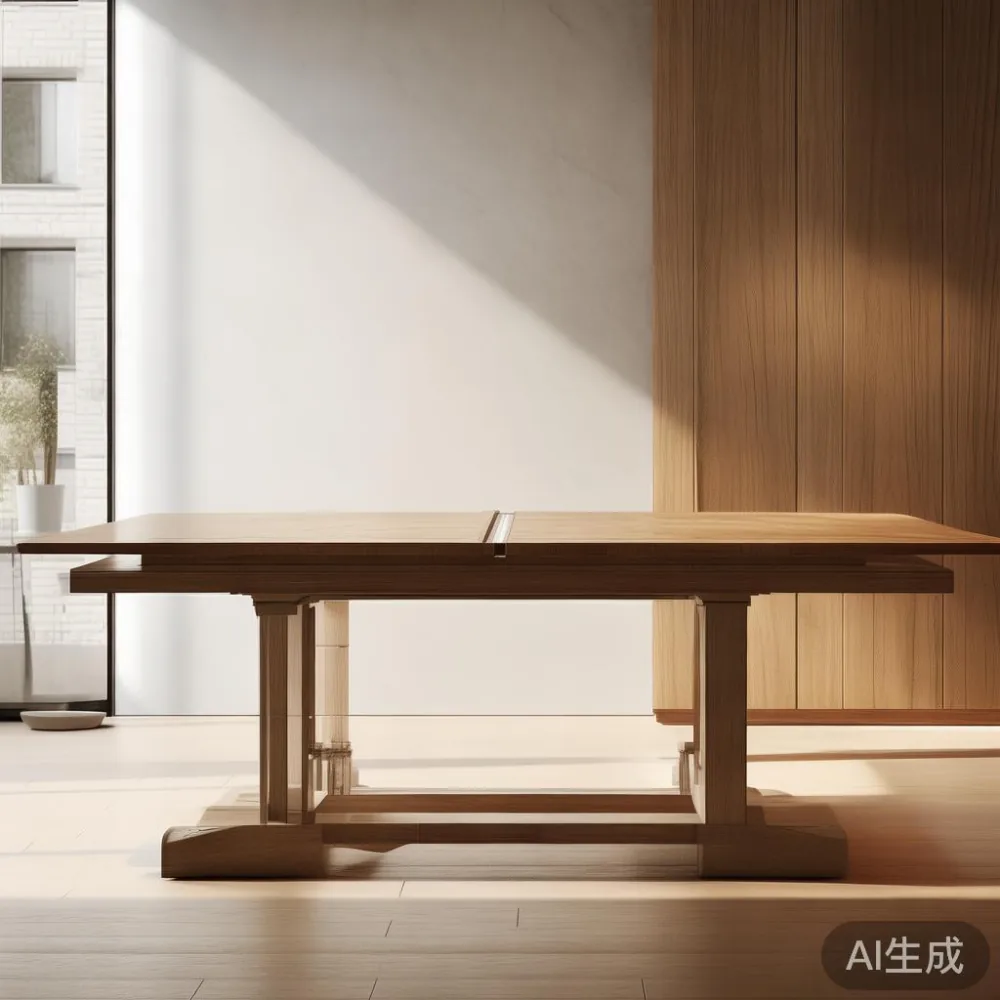
The estimates use SGD prices typical of Singapore retail and custom orders as of 2026. For a more specific comparison, a 140–200 cm dining table in solid wood may cost SGD 1,800–SGD 4,200, while a comparable veneer table may cost SGD 700–SGD 1,900. Installation, delivery and GST can change the final figures, so a higher initial price does not automatically make a solid wood extendable table more economical over five years.
What does a veneer extendable table cost in Singapore?
Veneer is a thin layer of real timber, usually about 0.3–0.6 mm, bonded to a stable engineered-wood core. A veneer dining table can look convincing because the surface layer has natural grain and figure. Its performance depends heavily on the core, edge band and finish. Some models use plywood; others use particleboard or MDF with a veneer face.
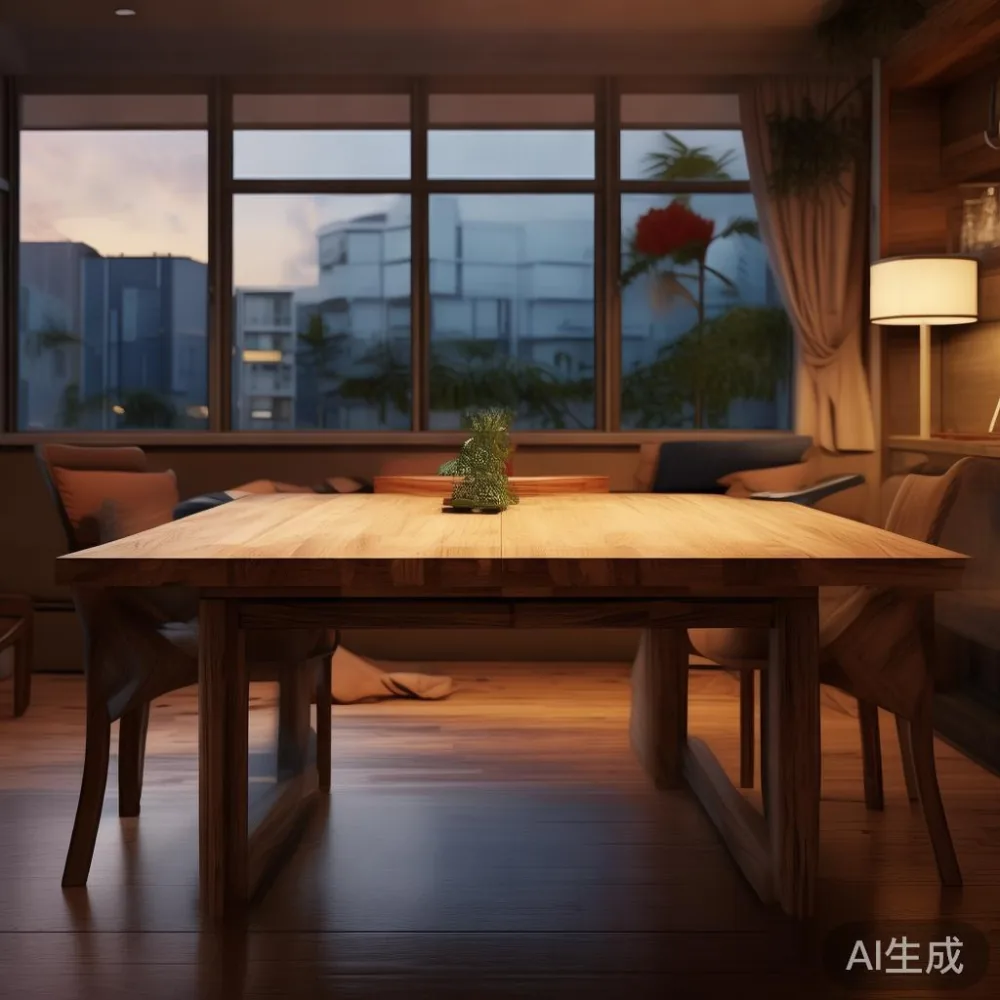
For a 140 cm closed and 200 cm extended dining table, expect SGD 700–SGD 1,200 for a mid-range veneered model. A more carefully made version with solid-wood edges, a hardwood frame and restrained joinery may reach SGD 1,200–SGD 1,900. Basic flat-pack units can fall below SGD 700, but their hardware, support and finish may not suit daily family use.
A Singapore buyer should also allow for GST. At the standard 9% rate, a SGD 1,200 table has a GST-inclusive price of SGD 1,308. A SGD 1,900 table becomes SGD 2,071. Delivery to a typical HDB address may add SGD 60–SGD 180, while a lift or corridor surcharge can add SGD 40–SGD 120. If the table must be carried up 8–12 flights without a lift, expect another SGD 100–SGD 250.
The footprint matters. A 140 cm closed table may expand to 200 cm, adding 60 cm. In a compact HDB dining zone, that extension can reduce clearance beside chairs to less than 75 cm. The extension mechanism should therefore be checked with the room measured, not only the table. At the extended length, each diner may need about 60 cm of width and 55–60 cm of depth beyond the chair position.
Veneer has one obvious financial advantage: the initial outlay is generally lower. On a SGD 1,200 example, the buyer saves SGD 600 against a similar solid wood table at SGD 1,800. That saving remains useful if the household expects to replace the table within five years. It is less persuasive when a warped edge, bubbling finish or failed slide needs repair.
What does a solid wood extendable table cost in Singapore?
A solid wood extendable table uses timber across the visible top, frame and, in better examples, the extension leaves. Common choices include rubberwood, oak, ash, walnut and teak. Singapore’s humid climate makes timber selection, kiln drying and sealing important. A table can look excellent on delivery and still move later if its moisture response was not properly managed.
For the same 140–200 cm format, a solid wood dining table generally falls within SGD 1,800–SGD 4,200. Rubberwood and locally adapted hardwoods sit toward the lower range, while carefully selected oak, walnut or teak with refined hardware can reach the upper end. A possible SGD 2,800 purchase becomes SGD 3,052 after 9% GST.
Weight is a practical cost. A 140–200 cm solid wood extendable table may weigh 55–95 kg, compared with approximately 28–45 kg for a veneered version. In a Bedok condo with a 90 cm lift door and a 120 cm turning area, the larger solid wood table may need a second mover or partial disassembly. Allow about SGD 120–SGD 350 for this service in a difficult access route.
Solid wood usually justifies part of its price through repairability. Scratches can be sanded and refinished; a damaged leaf edge can sometimes be replaced. A veneered table can also be repaired, but its paper-thin face layer, adhesive lines and factory edge make certain fixes less predictable. Refinishing a large veneered top may leave a visible colour boundary if the original stain has faded.
My colleague tested one solid wood extension after it had been opened and closed approximately 150 times over several weeks. The slide remained level, and a 0.5 mm pencil mark on the hidden leaf disappeared after a light sanding. The veneered sample showed no immediate defect, but its paper-thin face layer, adhesive lines and factory edge made certain fixes less predictable. One test is not a five-year guarantee, yet it highlighted why the material and the hardware deserve equal attention.
Which material is cheaper over five years?
The fairest calculation includes purchase, delivery, routine care and one realistic repair event. Here is a five-year comparison for a 140–200 cm extendable table in a Singapore home, including 9% GST.
A mid-range veneered table bought at SGD 1,200 becomes SGD 1,308 with GST. Add SGD 100 for delivery and SGD 90 for an occasional professional clean or touch-up, giving approximately SGD 1,498 over five years. If one SGD 220 repair is needed, the total reaches SGD 1,718.
A comparable solid wood table bought at SGD 2,800 becomes SGD 3,052 with GST. Add SGD 200 for delivery and installation, SGD 150 for two careful refinishing sessions and SGD 300 for one hardware replacement or major repair, producing approximately SGD 3,702 over five years.
In this model, the solid wood table costs about SGD 1,984 more over five years. On a per-year basis, that is roughly SGD 397 more each year. If the solid wood table lasts for 10–15 years and survives at least one house move, the five-year comparison becomes less meaningful. If the buyer expects to sell it after five years, retained value becomes another factor, but the actual resale figure depends on condition, timber and design.
None of these numbers is automatic. A poorly made solid wood table can warp, split or stain more expensively than a well-engineered veneer product. A high-quality veneer table with a strong core and sealed edges may outperform a cheap solid wood frame. The key variables are construction, moisture control and care—not the label alone.
That distinction is also why MIDHILL focuses on long-term support for solid wood furniture, including a 10-year structural warranty and lifetime refinishing. For a dining table, that support can reduce the risk of one repair becoming a total replacement. It should still be compared against the written terms of any alternative, rather than treated as a substitute for measuring the room.
How much do humidity, maintenance and accidents change the 5-year cost?
Singapore’s climate makes maintenance a recurring expense rather than a one-off purchase. Outdoor relative humidity can vary considerably, and indoor air-conditioning creates daily moisture changes. A real timber table may develop small surface movements as it responds to the surrounding air. Good joinery allows movement; a tight, poorly designed frame may instead develop stress cracks.
Budget about SGD 60–SGD 140 every 12–18 months for a solid wood dining table: a gentle cleaning, an appropriate furniture polish if the maker permits it, and inspection of the extension hardware. A veneer dining table may need approximately SGD 30–SGD 90 per service cycle because its core and edges may require separate attention. These are service budgets rather than compulsory annual charges.
Spills create a larger difference. Water, red wine and soy sauce can leave a permanent mark on an unsealed or porous finish. Solid wood can usually be sanded back and refinished. Veneer may require patching, a replacement leaf or a full refinishing treatment if the surface layer has been breached.
Accidental damage is where a solid wood table can regain value. A 20 cm gouge, for example, might be treated with a local refinishing service for SGD 180–SGD 600, depending on the timber and access. A matching veneer repair can cost SGD 250–SGD 800 because grain matching and a smooth colour match are difficult. “Smooth” is used here only in a technical sense of matching the repair; the repair may still be visible under close inspection.
For homes with children or frequent guests, consider a removable felt pad set, coasters with a minimum 5 cm diameter, and a table runner covering the central dining zone. In a Punggol family home where the extendable table is used for homework, meals and celebrations, a washable outdoor-oil finish on solid wood may be more forgiving than a very glossy surface.
Will the extendable table fit through my HDB lift and corridor?
Access can erase a price advantage. A table’s closed width should be measured at its widest point, including the frame. A 140 cm table will not necessarily pass through an 82 cm lift door without turning; the operator must angle it, and the table may need to be separated from its legs. A 200 cm extended top is even less practical to move because the extension may not detach.
For a Tampines HDB flat, measure the lift door, lift interior, corridor turns and the route to the dining area. A narrow corridor of 100–110 cm can make a 140 cm table difficult to turn without risking the veneer face or solid wood edges. If the table must lean on its side, the top should have a protected frame and the finish should tolerate temporary contact.
Check three dimensions before purchase: 82–100 cm for many lift doors, 105–140 cm for common corridors, and 70–90 cm for the clear space beside the dining zone. The second measurement is the space behind a seated chair. An extendable table that opens to 200 cm may leave only 65–75 cm of walking space in a compact flat.
Delivery costs should therefore be quoted after a photo or measurement review. A flat-pack veneered table may weigh less and cost less to carry, while a solid wood table may require a mover. MIDHILL’s free shipping over US$350 can help with international orders, but Singapore delivery, GST and access arrangements should be confirmed separately rather than assumed.
Before ordering, ask the seller for the closed dimensions, weight, extension travel, removable-leg information and full delivery path. A dining table that fits the showroom but not the corridor can add SGD 150–SGD 600 in extra labour or return handling.
Is a solid wood extendable table worth more than veneer for a condo?
For a condo owner who values longevity, repairability and a distinct material character, solid wood can justify a higher five-year cost. For a renter, a child’s play area or a dining zone that will be replaced after three years, veneer may be the more rational purchase. The answer depends on use, not fashion alone.
Design language also matters. Solid oak or walnut with restrained joinery can suit American light luxury interiors, while pale ash, slim profiles and gentle curves fit French light luxury. A post-modern light luxury setting can mix a solid wood dining table with a marble table in the living area, a solid wood sofa and a coordinated bed frame.
Those combinations have practical limits. A marble table is hard-wearing but heavy, often 70–120 kg, and less suitable for a narrow lift route than a movable side table. A solid wood sofa with a removable seat cover may be more serviceable than a tightly upholstered one in a humid family room. A wardrobe with adjustable shelves should be measured before installation, while a nightstand needs 45–55 cm of bedside width.
For buyers comparing broader styles, the phrase light luxury bed vs French provincial bed helps frame differences in carving, colour and room size. A French provincial bed often suits a larger guest room rather than a narrow HDB bedroom. An American bed vs Mid-century modern bed comparison is also useful: tapered legs and clean lines often make a compact model look less bulky.
Search terms such as European for guest room or top 10 Japanese furniture point towards restrained proportions and careful joinery, but measurements remain the deciding factor. A Singapore buyer looking for for sale Boho furniture should check the actual timber beneath any decorative treatment. Likewise, 2026 French provincial furniture trends should not distract from wall clearance, lift access and daily maintenance.
What should a Singapore buyer ask before paying for an extendable table?
Ask whether the “solid wood” description applies to the top only or also to the frame, extension leaf and drawer components. A veneered top on a solid wood frame is a different product from solid timber throughout. Request the timber species, core material, finish type, moisture expectations and warranty exclusions in writing.
For the extension system, ask for the closed and extended dimensions, the supported load, the mechanism’s warranty and the number of open-close cycles covered. A useful commercial target is at least 5,000 cycles, although household use alone rarely reaches that number. Confirm that the extension can be operated by one person and that the locking pins are replaceable.
Ask how the table will enter the home. Provide the lift-door width, corridor width, floor-to-floor lift height and any tight turning point. Confirm the delivery day, installation time and return terms. MIDHILL offers 14-day returns, which gives buyers a defined period to check appearance and operation, subject to the stated product conditions.
Finally, compare the whole ownership cost rather than the sticker price. For a budget of SGD 1,500 including GST, a carefully selected veneer extendable table may be available. Between SGD 2,000 and SGD 3,500, the choice broadens into more solid wood options. Above SGD 3,500, timber selection, joinery, finish and provenance deserve close examination.
Over five years, a mid-range veneered extendable table may cost around SGD 1,500–SGD 1,800 after purchase, delivery and one repair. A comparable solid wood table may cost around SGD 2,800–SGD 3,700. The lower figure does not decide the purchase by itself. A solid wood dining table earns its advantage when it is well made, maintained and repaired rather than discarded. For Singapore homes, the most economical choice is the one that fits the access route, matches how the household uses the room and remains serviceable after the fifth year.