The True Cost of an Extendable Table: Veneer vs Solid Wood Over 5 Years
Choosing furniture for a Singapore home involves a unique set of considerations. The dimensions of a Tampines HDB flat's lift, the width of a Bedok condo's corridor, and the layout of a Punggol apartment's dining space all play a role in the decision. Beyond aesthetics, the material of your furniture dictates its longevity, maintenance, and long-term value. This article provides a detailed 5-year cost comparison between two common materials for dining tables: veneer and solid wood, focusing on the practical realities of life in Singapore.
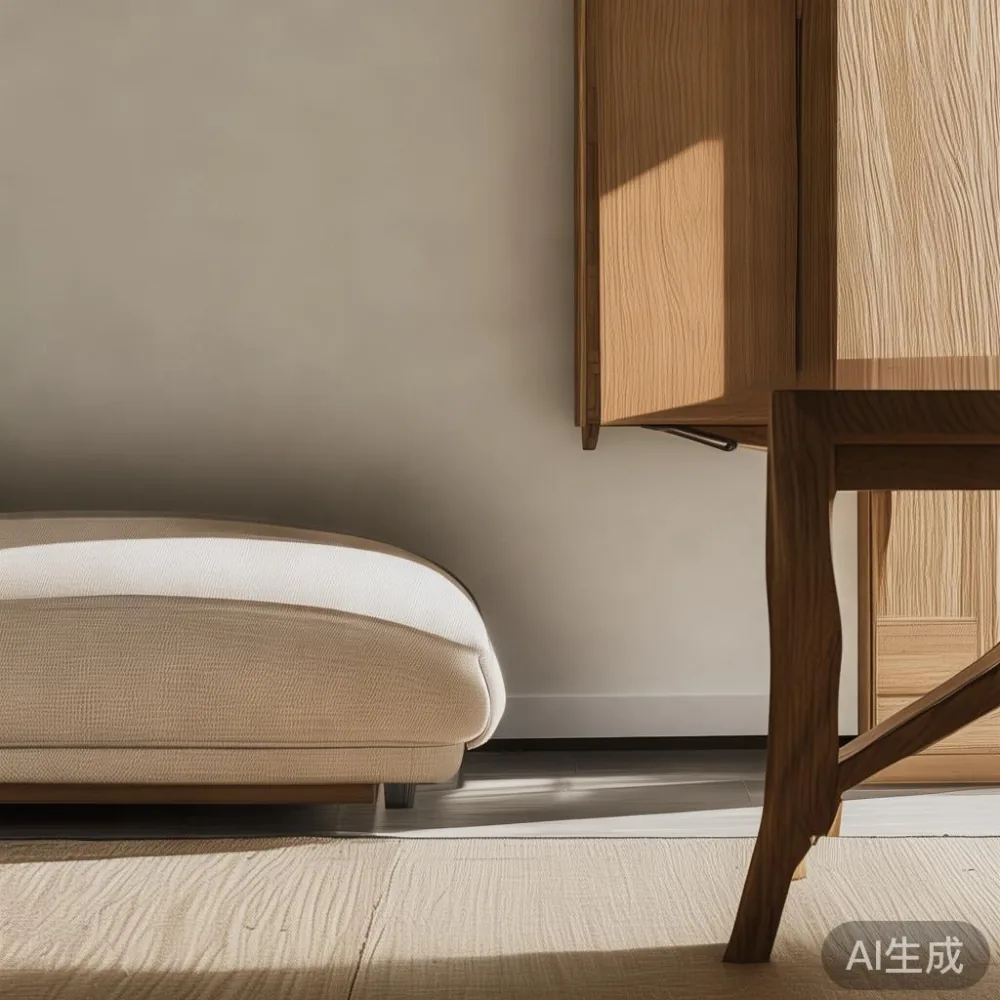
What is Veneer and What is Solid Wood?
Before diving into costs, it is important to understand the fundamental difference. A veneer table is constructed from a base material, typically MDF (Medium-Density Fibreboard) or plywood, to which a thin layer of real wood, often just 0.3 to 0.6 millimetres thick, is glued on the surface. This outer layer is what gives the table its grain and colour. In contrast, a solid wood table is made from a single piece of lumber or solid wood planks joined together. The entire piece, from the surface to the legs, is made of genuine wood. This distinction is the foundation for the entire cost and durability analysis over the next 5 years.
Initial Purchase Price: The Upfront Investment
The most immediate difference between veneer and solid wood is the initial price tag. For a standard 160cm extendable table that can expand to 200cm, a veneer model might cost between SGD 800 and SGD 1,500. This price point is attractive for many homeowners looking to furnish their new flat. A comparable solid wood extendable table, made from a durable hardwood like oak or walnut, will typically start from SGD 2,500 and can easily exceed SGD 4,500. The higher cost of solid wood reflects the greater volume of raw material used and the more complex craftsmanship required to build a stable and sturdy piece from solid planks.
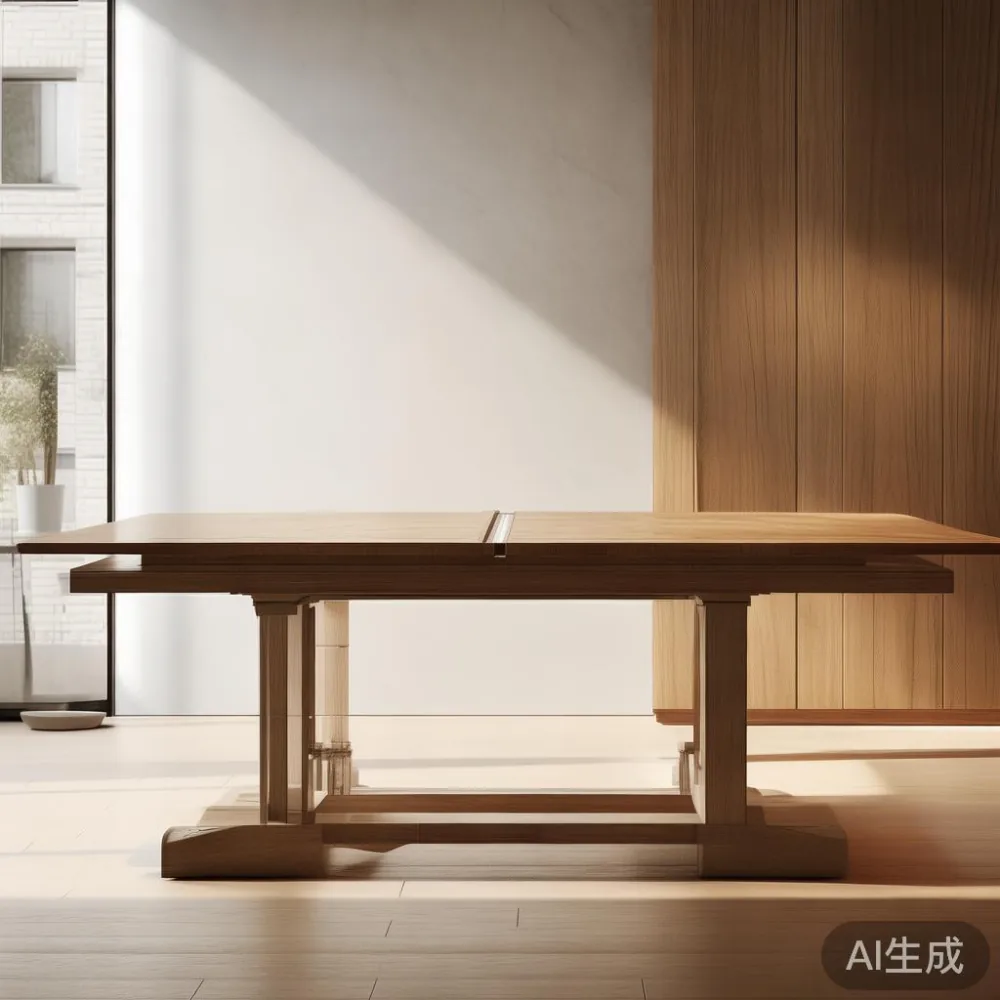
When I visited a showroom in Singapore last month, I tested two extendable tables side-by-side. The veneer one felt light, and the leaf that slides in had a slightly hollow sound when tapped. The solid wood table was noticeably heavier, the leaves fit with a satisfying, solid engagement, and the finish felt more substantial to the touch. This tactile difference is part of the value proposition of solid wood, though it doesn't appear on the price tag.
Year 1-2 Costs: Delivery, Assembly, and Minor Wear
In the first two years, the costs are minimal for both types, but the nature of the expenses differs. Delivery for a large item like an extendable table is a significant factor in Singapore. Most reputable companies offer free shipping for orders over SGD 350, which covers most tables. However, for items requiring special handling or installation, a delivery fee of SGD 50 to SGD 100 might apply. The assembly is usually included, but a professional assembly service can cost an additional SGD 80 if you prefer not to do it yourself.
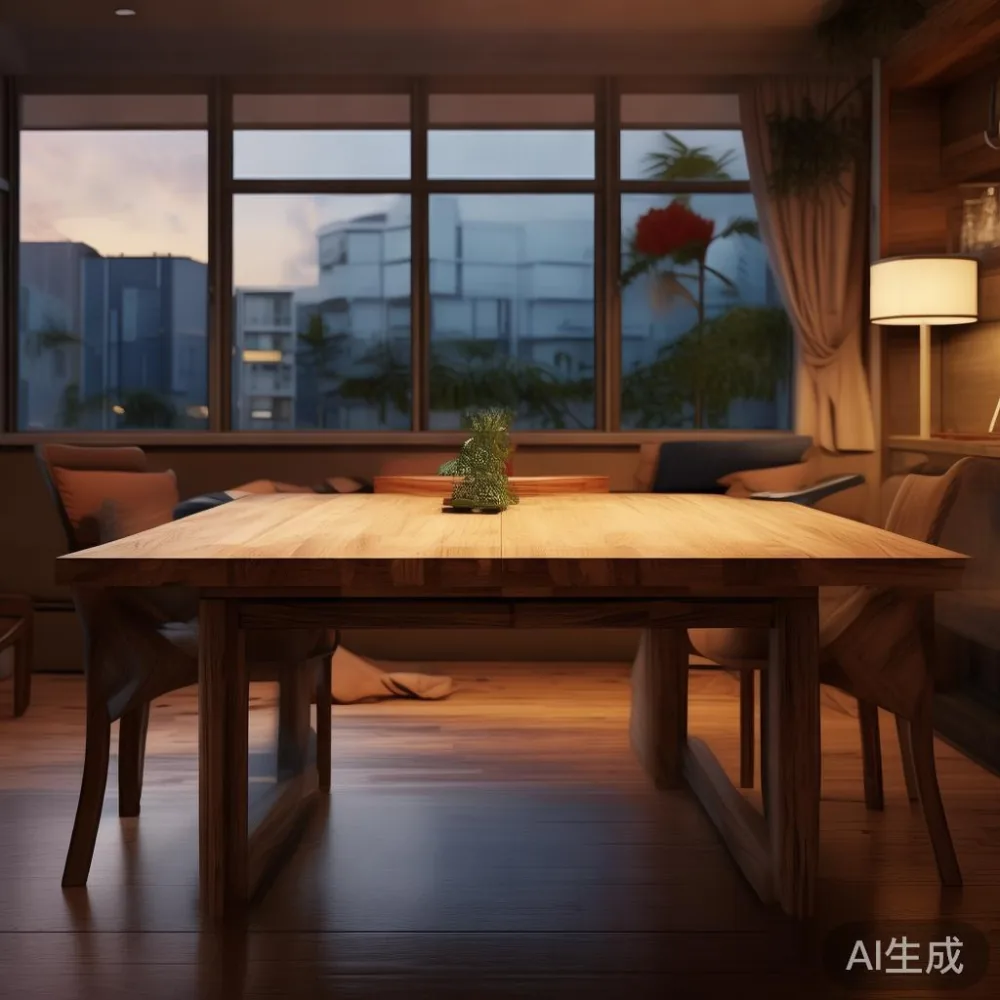
Minor wear might start to appear. A veneer table, if a sharp object is dragged across its surface, can suffer a deep scratch that exposes the MDF underneath. Repairing this can be difficult and often looks patchy, potentially costing SGD 100 for a professional touch-up kit or service. A solid wood table, while it can also be scratched, is more forgiving. A deep scratch can often be sanded out and refinished, restoring the table to its original condition with minimal cost, perhaps just the price of sandpaper and a small amount of oil or wax.
Year 3-4 Costs: Maintenance and Repair
This is where the cost divergence becomes more pronounced. Veneer furniture is susceptible to environmental changes. Singapore's high humidity can cause the thin wood layer to warp, bubble, or peel away from its base over time. Repairing a major peeling section of a veneer table is a complex job. It requires removing the damaged piece, re-gluing it, and colour-matching the finish. This service can cost anywhere from SGD 200 to SGD 500, and the result may not be perfect. Also, if the MDF base absorbs moisture, it can swell and lose its structural integrity, a problem that is often impossible and uneconomical to fix.
A solid wood table, on the other hand, thrives with proper care. Maintenance is simple and affordable. Every 6 to 12 months, applying a wood conditioner or polish costs about SGD 30 for a good quality product. This nourishes the wood, preventing it from drying out in the air-conditioned environment of a condo or from absorbing too much moisture. If a solid wood table starts to look dull after a few years, a professional refinishing service can bring it back to life. For an extendable table, this might cost SGD 600 to SGD 1,200, but it in effect makes the table look brand new. This is a key point in the long-term value equation.
Year 5 Costs: The Make-or-Break Point
By the fifth year, the total cost of ownership for a veneer table can be surprisingly high. The initial purchase of SGD 1,200, plus a SGD 300 repair for peeling and a SGD 150 repair for a deep scratch, brings the total to SGD 1,650. However, if the structural integrity of the MDF base is compromised, the table might be considered a write-off. The homeowner would then face the full cost of purchasing a new table, starting the cycle over again.
For the solid wood table, the story is different. The initial investment of SGD 3,000, combined with SGD 60 in maintenance products over five years and a potential SGD 800 refinishing service to make it look pristine, results in a total cost of SGD 3,860. While this is higher than the veneer's initial outlay, the table is not just repaired; it is restored. It retains its structural integrity and its value. The concept of 'lifetime refinishing', offered by some makers like MIDHILL, means the table can be refinished multiple times over its decades-long lifespan, a service that veneer simply cannot offer.
Is a Solid Wood Extendable Table a Better Investment for Singapore Living?
The answer depends on your priorities. If your primary concern is the lowest possible initial cost and you are prepared to replace the furniture in 3 to 5 years, a veneer table might seem like a viable option. However, for most Singaporeans who view furniture as a long-term investment in their home, a solid wood extendable table presents a more compelling case. The higher upfront cost is offset by its durability, ease of repair, and the ability to be refinished, which extends its life for decades.
Consider the space. An extendable table is a practical choice for Singapore homes where dining areas often serve multiple purposes. A solid wood table's sturdiness provides peace of mind during regular use and expansion. Its timeless aesthetic also complements various interior design styles, from a minimalist condo in Tampines to a more classic home in a landed property. The value lies not just in the object itself, but in the years of reliable service it provides. When you factor in the potential costs of replacement and the hassle of dealing with a deteriorating product, the long-term economic and practical benefits of solid wood become clear.
Understanding the Warranty and Value Proposition
A warranty is a critical component of a furniture purchase. Many veneer tables come with a 1 to 2-year warranty, typically covering manufacturing defects but not wear and tear or environmental damage. A structural warranty of 10 years, as offered by established makers, is a significant indicator of confidence in the product's construction. This warranty covers the core frame and structure, giving the buyer assurance that the table is built to last. For a solid wood table, such a warranty is a standard feature, reflecting the material's inherent strength and the maker's commitment to quality.
The value proposition extends beyond the table itself. The purchase of a solid wood extendable table is part of a broader investment in a home's aesthetic and functional quality. It fits within a curated environment that might include a solid wood sofa, a European light luxury bed, and a marble table for the living area. The choice of solid wood aligns with a philosophy of owning fewer, but higher-quality, items. This approach resonates with the 'wholesale Modern light luxury furniture' market, where discerning customers seek pieces that offer both style and substance. The table becomes a centrepiece that anchors the dining room, much like a 'Modern light luxury dressing table' does for a bedroom or a 'best Rustic sofa for 2026' does for a living room.
How Material Choice Fits into a Light Luxury Home
Light luxury interior design, whether it's French, American, or post-modern, often emphasizes natural materials, clean lines, and a sense of understated elegance. A solid wood table with its visible grain and tactile surface aligns perfectly with this philosophy. It adds warmth and character to a space. A veneer table, while it can mimic the look of wood, often lacks this depth and authenticity. In a 'European light luxury bed vs Modern bed' discussion, the choice of natural wood is a key differentiator that contributes to the ambiance of the room.
The practicality of a solid wood extendable table also fits the Singaporean lifestyle. The ability to expand the table for gatherings with family and friends, and then contract it back to save space, is a feature highly valued in local homes. The durability of the material means it can withstand the rigours of daily use, from the hustle of a busy HDB flat to the more relaxed setting of a condominium. The choice of a 'Mid-century modern for dining room' style often favours solid wood, as it celebrates the material's natural beauty and honest construction, making it a timeless addition to any home.
The Hidden Costs of Veneer: Beyond the Price Tag
Beyond the financial outlay, there are hidden costs associated with veneer furniture. The time and frustration of dealing with peeling surfaces or warped tabletops add up. The environmental impact of replacing a piece of furniture every few years is also a consideration. A solid wood table, with its potential for a lifetime of use, represents a more sustainable choice. When a company like MIDHILL offers a 10-year structural warranty and a lifetime refinishing service, it is not just selling a product; it is offering a long-term relationship with the customer, ensuring the piece remains a beautiful and functional part of their home for decades.
To close, while a veneer extendable table may seem like an economical choice initially, a 5-year comparison reveals a different story. The cumulative costs of repairs, replacements, and the diminished satisfaction with the product's performance often make it the more expensive option in the long run. A solid wood table, with its higher initial investment but superior durability, repairability, and timeless appeal, proves to be the more sound and cost-effective investment for the Singapore homeowner who values quality and longevity.
For those considering a complete home refresh, the choice of a dining table sets the tone for the entire space. It can be the anchor around which other pieces, like a 'European light luxury bed' in the master bedroom or a 'wholesale Modern light luxury furniture' collection for the living area, are built. The decision is not merely about wood versus veneer; it is about choosing a piece that will serve your family faithfully, adapt to your changing needs, and continue to bring beauty to your home for years to come. It is a choice that reflects a commitment to a home that is as well-crafted as the furniture within it.