A 5-Year Cost Comparison: Veneer vs Solid Wood Extendable Tables for Singapore Homes
A dining table is a long-term surface in an HDB flat or condo, not a short-term decorative purchase. The extendable table format is especially useful in Singapore because it can open from 120 cm to 180 cm, move through a common corridor, and fit more guests when relatives visit. The difficult decision is not whether the table looks attractive today, but how much money and maintenance it may require over 5 years.
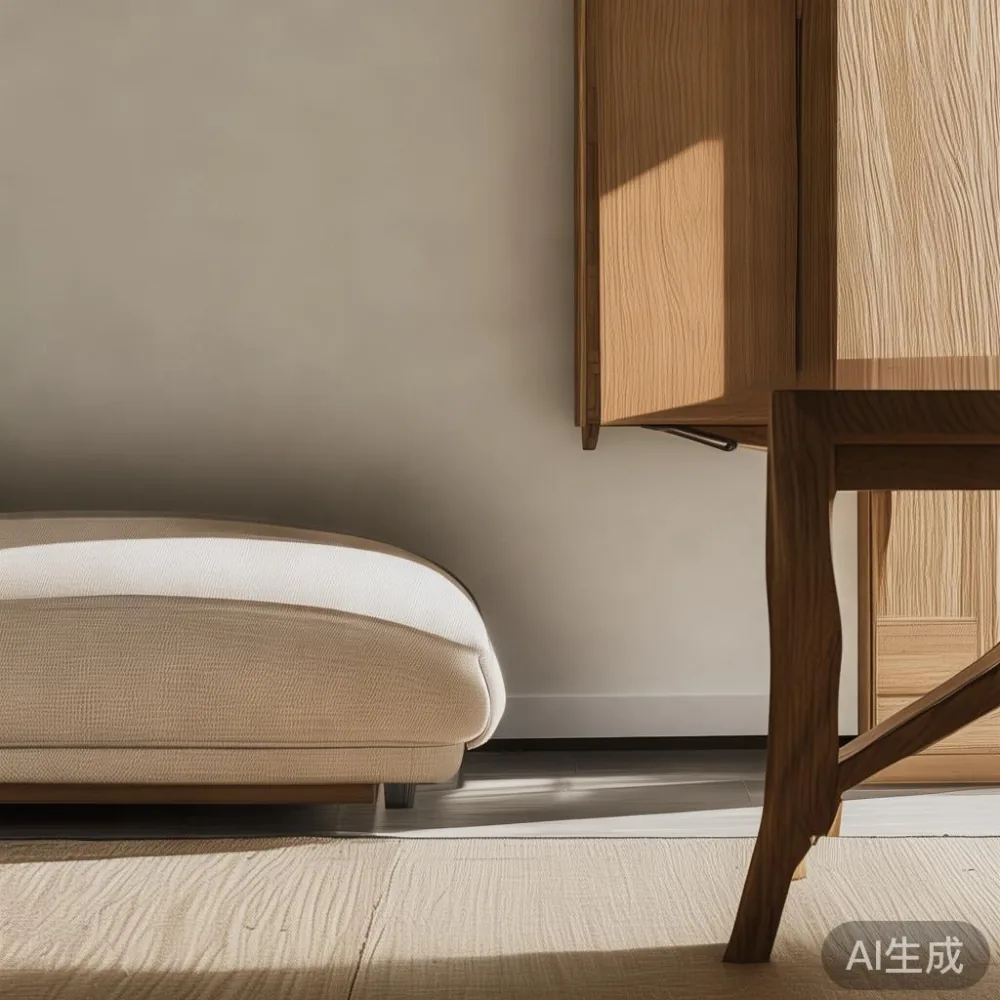
This comparison examines a representative extendable table with an approximate retail price of SGD 1,290 for a veneer model and SGD 2,490 for a solid wood model. The figures are planning estimates rather than universal selling prices; board grade, timber species, finish, hardware, and delivery access can change the final quote. Both examples include GST, delivery within Singapore, and the normal assembly effort. They do not include food spills, accidental damage, or moving-house charges.
What does an extendable table cost in Singapore?
For a compact home, the closed size usually begins around 120 cm. A useful extension adds 30 cm or 40 cm, producing a 150 cm or 160 cm table; a larger design may open to 180 cm. A veneer dining table might cost SGD 990 to SGD 1,590, while a solid wood dining table might range from SGD 1,990 to SGD 3,490. The size is only one part of the calculation.
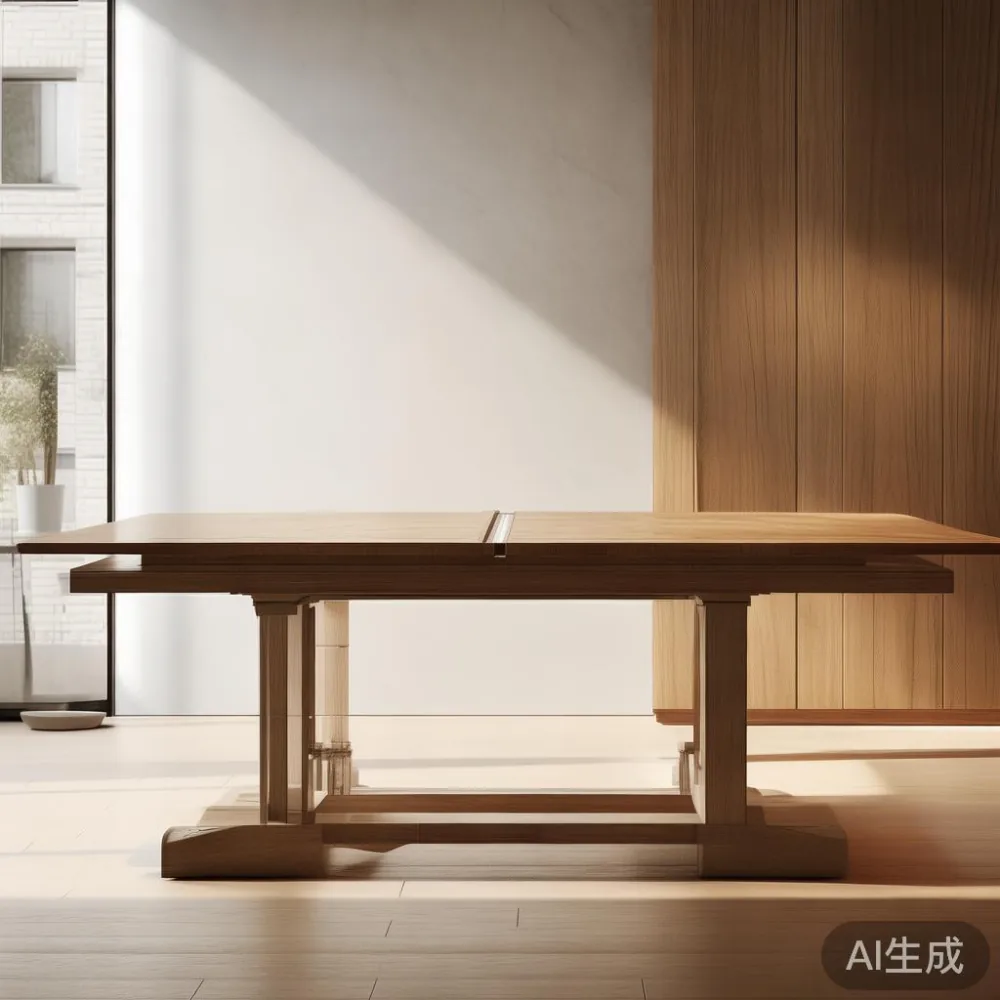
Singapore access conditions deserve early attention. An HDB lift measuring 90 cm by 140 cm may accommodate a boxed table diagonally, but the package cannot be wider than the lift door opening, often about 90 cm. A condo corridor may be 120 cm to 150 cm wide, with a 90 cm turn. Tables should be checked before ordering: ask for the packaged dimensions and weight, not merely the table dimensions.
A delivery estimate of 7 to 10 working days is reasonable for stock within Singapore, while a made-to-order configuration may take 30 to 60 days. Refused deliveries caused by access problems can cost SGD 80 to SGD 200. Carrying a 65 kg solid wood extension upstairs may require two people and add SGD 60 to SGD 120. A 42 kg veneer table is easier to handle, although its top may still weigh 18 kg to 25 kg.
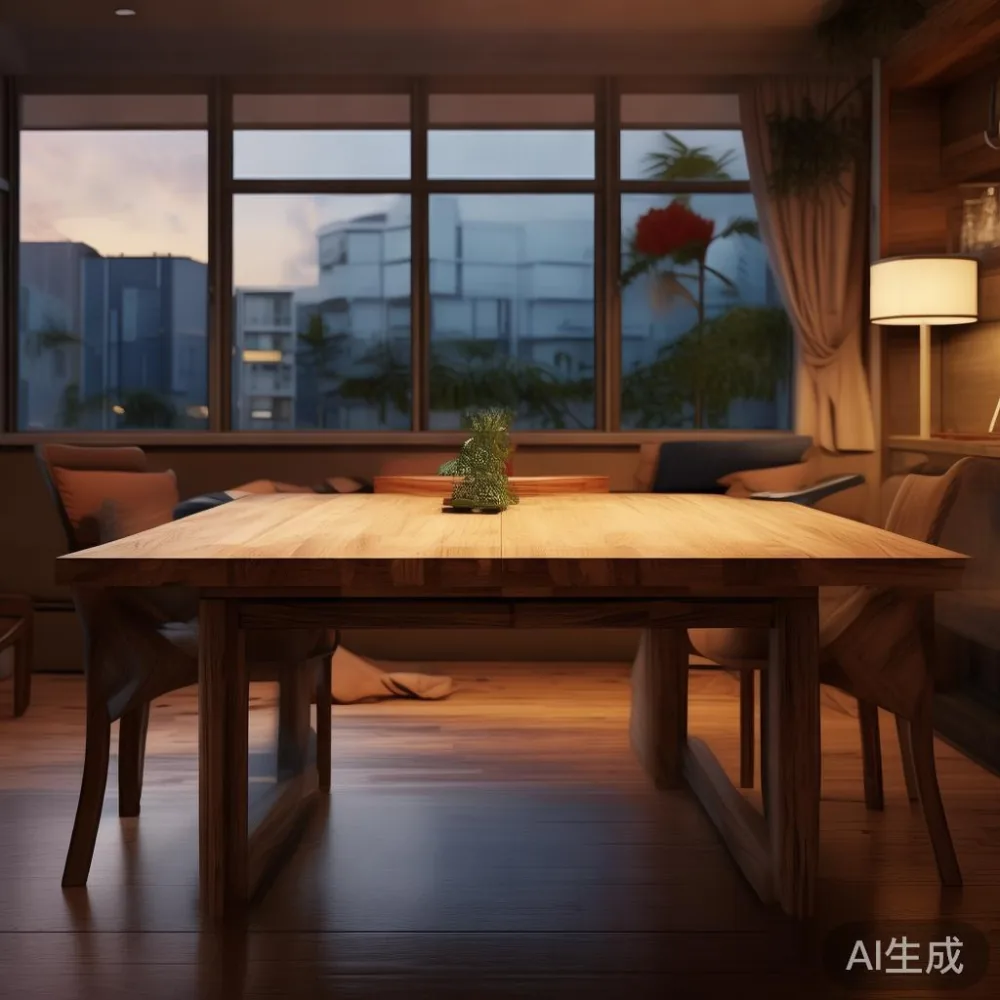
How do veneer and solid wood extendable tables differ over 5 years?
Veneer uses a thin layer of real timber, commonly 0.6 mm to 1.2 mm, bonded to a manufactured board. The surface may show oak, walnut, ash, or teak colour and grain, while the core provides dimensional stability. Solid wood uses timber throughout the top, rails, and legs. A 40 mm solid top may weigh 45 kg to 75 kg before the frame and extension are counted.
Here is a practical 5-year comparison for one extendable table in each category.
The veneer model costs SGD 1,290 initially. Estimated care includes 2 refinishing or polishing visits at SGD 120 each, replacement hardware at SGD 70 once, and one delivery or moving charge at SGD 90. Its total estimated expenditure is SGD 1,290 + SGD 240 + SGD 70 + SGD 90 = SGD 1,690. The projected 5-year cost per year is SGD 338.
The solid wood model costs SGD 2,490 initially. Estimated care includes 2 refinishing visits at SGD 220 each, replacement hardware at SGD 100 once, and one delivery or moving charge at SGD 110. Its total estimated expenditure is SGD 2,490 + SGD 440 + SGD 100 + SGD 110 = SGD 3,140. The projected 5-year cost per year is SGD 628.
The difference is SGD 1,450 across 5 years, or about SGD 290 per year. That does not mean veneer is automatically more suitable. If the table is stored in a dry room, wiped carefully, and protected from water rings, its lower ownership cost may be sensible. If the table will be used daily, touched often, and expected to develop a richer surface, solid wood may justify its higher starting price.
Which finish handles Singapore humidity better?
Singapore's outdoor relative humidity often ranges from 65% to 90%, with air-conditioning bringing indoor humidity closer to 45% to 65%. Neither material is immune to moisture. Water should not stand on either surface for more than a few minutes. Use a coaster of at least 10 cm by 10 cm beneath a hot vessel, wipe spills promptly, and keep the table away from an open balcony door during a sudden shower.
Solid wood may expand or contract by roughly 1 to 3 mm across a 120 cm width as humidity changes, depending on the species and finish. Good joinery, sealed edges, and a stable frame reduce visible movement. Veneer generally changes less across its face because the substrate is engineered, although exposed edges can chip or swell if moisture enters the core. Inspect the underside after a wet period and report any swelling within 7 days.
The finish matters more than a broad material label. A water-based matte lacquer may need less solvent exposure and can be repaired in layers. An oil finish may require more frequent attention in a humid home. A hard-wax finish offers attractive sheen but should not be exposed to standing water. Ask the supplier for the exact maintenance interval and compatible products; generic furniture polish may leave a cloudy film.
What are the hidden costs of an extendable table?
The extension mechanism is a frequent hidden expense. A basic slide rail set may cost SGD 40 to SGD 120, while a brand-name system with alignment features may cost SGD 150 to SGD 350. A dining table can lose function if the leaf is loose, the latch does not hold, or the seam catches crumbs. Test the closed and open positions several times after delivery. A 160 cm extension should sit flush within a 2 mm tolerance.
Moving is another cost. An HDB flat may require a service lift booking, corridor turning, and temporary removal of a shoe rack. A solid wood table may need 3 to 4 people for a 70 kg package; a veneer table may need 2 people. Include SGD 100 to SGD 250 for a local mover when comparing purchases. Before buying, measure the dining bay and the route to the kitchen or balcony. A table that occupies 160 cm when open may leave only 60 cm of circulation in a 3.8 m HDB living-and-dining room.
Insurance is also different. A fragile veneer top may be difficult to match after a deep cut, while a solid wood surface can sometimes be sanded and spot-repaired. That does not remove accidental-damage risk. Photograph the tabletop on delivery, keep the packaging for 14 days, and review the seller's return terms.
How do real owners describe the experience?
Last month I visited a family in Tampines who had moved an extendable table from a condo dining area into an HDB flat. Their old veneer table had a broad 140 cm top and weighed about 48 kg. The lift opening measured 91 cm, so the seller had split the top into 2 boxed sections and delivered them over 8 days. The table cost SGD 1,180 and required one SGD 85 polishing visit during its first 4 years.
In the same week, my colleague inspected a solid wood dining table in Bedok. Its 180 cm configuration weighed 82 kg and cost SGD 2,680. One extension rail had to be adjusted, costing SGD 65 in labour. The family said the surface had become more attractive after 18 months, although they still used coasters and avoided leaving wet glasses on it. Their comments illustrate why the 5-year comparison must include use patterns, not only purchase price.
How should you style a light-luxury dining area?
French light luxury works well with an extendable table because pale timber, curved chairs, and restrained ornament keep a small room visually open. Use one round pendant above a 150 cm table, 75 cm above the surface, and keep the surrounding floor clear by at least 75 cm. European light luxury for dining room styling can come from a neutral rug, linen curtains, and warm 2700K lighting.
For a Punggol condo, the same table can support Modern light luxury for small living room ideas without adding bulky sideboards. Choose a slim 35 cm console, a table finish with visible grain, and 2 or 3 simple pendant shades rather than a large chandelier. A nearby wardrobe should share the same wood tone, but a bedroom wardrobe does not need to match the dining table exactly; colour temperature and sheen can coordinate more cheaply.
The phrase top 10 light luxury furniture can be useful when planning a coordinated home, including a solid wood sofa, bed frame, dining table, wardrobe, nightstand, and marble table. The marble table may sit in an entry area, while the extendable table handles everyday meals. A solid wood sofa should have washable loose covers, and a bed frame should leave 5 cm or more clearance from a wall when the drawers open.
Guest rooms follow another visual direction. Coastal for guest room styling can use pale blue bedding, a woven blind, and one light timber nightstand; keep the palette to 3 colours. For a compact bedroom, research on how to style French sofa in bedroom layouts can help with a compact seating arrangement, though a sofa should not block the extendable table's opening path. Leave 90 cm between a chair back and the wall when guests are seated.
What warranty and ownership details should you request?
Ask for a written structural warranty covering the top, frame, joints, extension rails, and stability. A 10-year structural warranty is stronger than a 1-year surface promise, yet it does not cover heat rings, water stains, dents, or incorrect storage. Confirm whether the warranty transfers to a new owner and whether parts shipped to Singapore are included.
MIDHILL gives a 10-year structural warranty on its solid wood furniture and offers lifetime refinishing under the stated service terms. That kind of support can change the 5-year calculation if refinishing is available after normal wear. For customers comparing overseas purchase options, Foshan Lingzhan is a useful search point for understanding manufacturing terminology, but factory location alone should not determine quality. Ask for timber species, moisture content, finish composition, board thickness, and test results.
For a local quote, request the total price including GST. Singapore GST is currently 9%, so a SGD 2,490 pre-GST table would be SGD 2,714.10 if tax applies to the quoted item. Confirm that the seller's displayed price already includes GST. Also check delivery insurance, return acceptance for assembled furniture, and the policy for a damaged extension leaf.
Can a lighter veneer table be a sensible 5-year choice?
Yes, when the household values lower weight, lower initial cost, and predictable appearance. A veneer extendable table with a sealed underside and a stable 25 mm core may work well in a Bedok flat where the table must be moved twice a year. Use a placemat of 35 cm by 45 cm, clean with a lightly damp cloth, and renew the protective finish every 18 to 24 months if the sheen dulls.
Solid wood is more attractive for buyers who expect visible ageing, frequent dinner parties, and a surface that can be repaired locally. A 40 mm top and mortise-and-tenon frame may support a heavier 180 cm open configuration. Budget extra time for seasonal movement and keep the extension stored flat, not upright. For either material, purchase the extendable table after measuring the complete delivery route and the final open footprint.
Over 5 years, the veneer example may require roughly SGD 1,690, compared with SGD 3,140 for the solid wood example. The lower figure is meaningful for a rental or resale plan; the higher figure may be justified by durability, repairability, and the way solid wood develops character. The right choice is the one whose daily handling and maintenance fit the home, budget, and expectations.