Maintaining Extendable Tables in Singapore’s Climate
A lacquered extendable table looks composed in a Singapore home: clean reflections, precise edges and enough length for weekday meals or larger gatherings. Yet high humidity, heat and everyday hand contact can leave a lacquered surface dull, sticky or marked. Care does not require a complicated ritual. It requires the right cloth, the right cleaner, sensible habits and attention to the table’s joints.
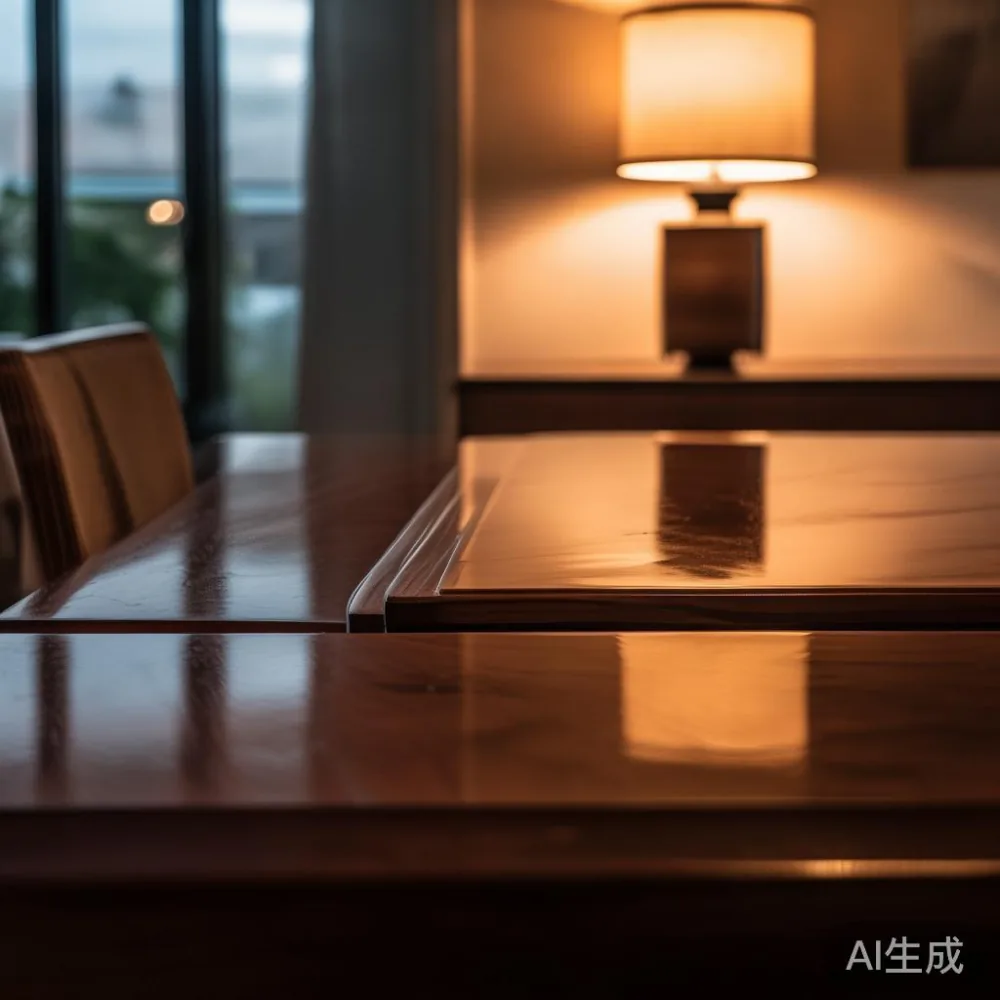
For households in Tampines, Bedok and Punggol, the setting is especially practical to consider. HDB dining areas may sit near the kitchen, while condo kitchens often face more sunlight and cross-ventilation. Moulding, condensation and salty air can affect furniture that stands close to windows or exterior walls. An extendable table also needs care around the rails, leaves and locking hardware, where spilled drinks can reach hidden seams.
MIDHILL designs solid wood dining furniture with a 10-year structural warranty and lifetime refinishing. The lacquer itself still deserves deliberate care; a warranty addresses structural performance, not every scratch or stain. Below is a practical maintenance approach for a lacquered extendable table in Singapore’s tropical climate.
What Is Lacquer, and Why Does Humidity Matter?
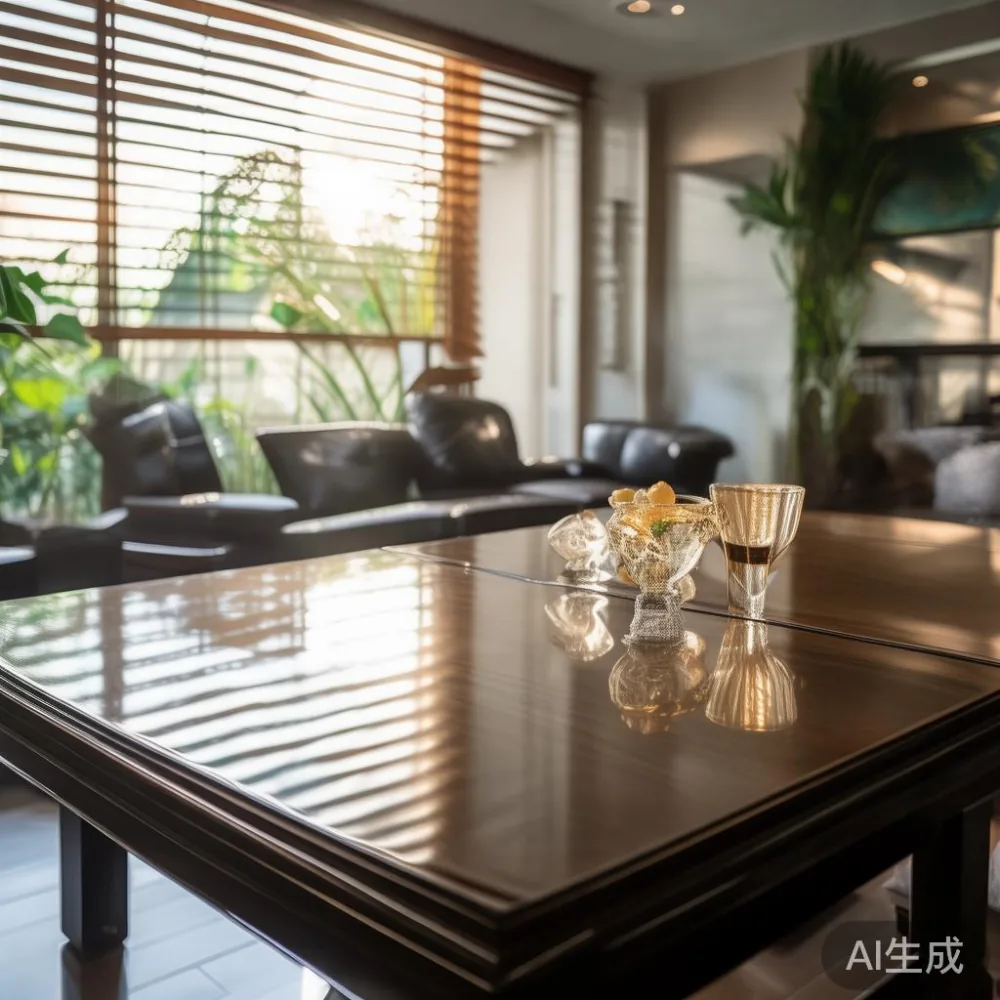
<Lacquer is a thin, cured coating applied to a prepared timber surface. Depending on the production method, it may be solvent-based, water-based or polyurethane. The finish can feel smooth and hard, but it remains sensitive to prolonged moisture, heat, abrasive pads and incompatible household chemicals.
Singapore’s outdoor humidity commonly ranges from about 70% to 90%, with higher readings during wet periods. Inside a flat, relative humidity can sit below 60% when air conditioning is active, then rise quickly after the unit stops. Repeated changes cause wood to expand and contract. Lacquer flexes to some degree, but stable indoor conditions reduce stress around joints and coated edges.
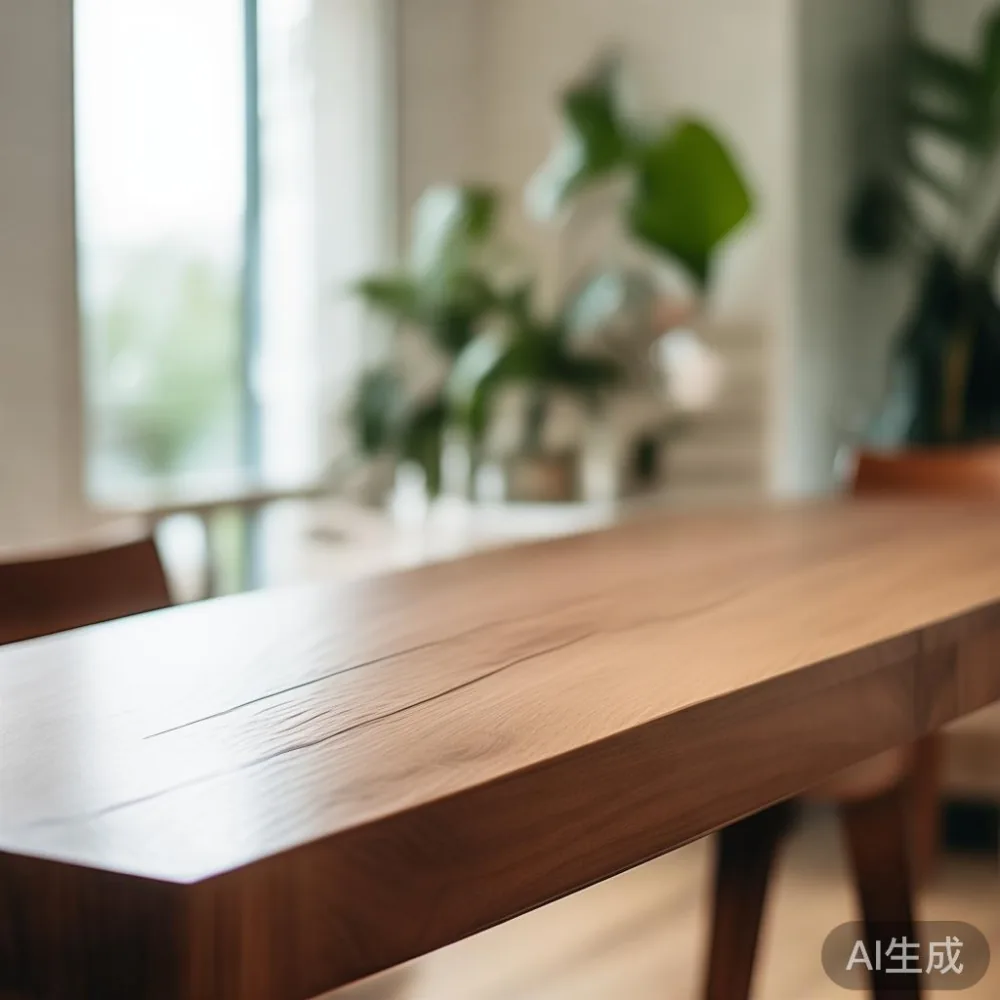
Place an extendable table at least 30 cm away from a window if direct sun reaches the surface, and at least 15 cm from a wall when air can circulate behind it. Avoid a position directly beside a dishwashing area or air-conditioning vent. Aim for room temperature of roughly 22–28°C and relative humidity around 45–65% where the household can reasonably maintain it. In a lightly furnished HDB flat, a small hygrometer placed near the dining zone is more informative than one near a dry bathroom.
Water is the main mistake to avoid. Lacquer can tolerate a brief damp wipe, but standing water may enter a joint, loosen an adhesive, cloud a matte finish or leave a tide line. Treat the surface like a finished wooden dining table rather than a sink or tray.
How Should I Clean a Lacquered Extendable Table?
<Start with the least aggressive method. Wipe the tabletop with a clean, soft microfibre cloth lightly dampened with warm water. A second dry cloth removes moisture and streaks. For weekly cleaning, use a small amount of mild dishwashing liquid—about 1 ml per 500 ml of water—mix it in a bowl, then dampen the cloth rather than the table.
Do not spray cleaner directly onto the lacquer. A fine mist can collect along an edge, travel beneath a leaf or reach the extension mechanism. Instead, spray the cloth 10–15 cm from the surface and wipe in sections. Test an inconspicuous area first, particularly with a satin or matte lacquer.
After wiping, dry the top with a separate cotton or microfibre cloth. Around the seams, work carefully with a slightly damp corner rather than flooding the gap. A soft-bristled brush can remove dry crumbs from narrow joints; hold the brush at a low angle and move it towards the opening so debris does not fall inside.
For routine care, repeat this process every 7 days, or sooner after meals. In a busy household with 4 or more people, a quick wipe every 2–3 days is sensible. Buff with a dry cloth only after the surface is fully dry. Avoid paper towel, newspaper, woollen cloths and abrasive pads because their fibres or particles can scratch lacquer.
Check the product care instructions before using any commercial surface cleaner. Some lacquers dislike ammonia, alcohol, silicone, wax and oil-based products. Even diluted products can cause blooming or loss of gloss. If a cleaner is used, apply it to a hidden 2 cm section for 24 hours and inspect it under daylight and household lighting.
What Should I Use for Stains, Marks and Sticky Surfaces?
Fresh food residue usually lifts with mild soapy water. Blot—do not rub—and then dry. For fingerprints, a clean cloth with a trace of diluted mild detergent often works. If the mark persists, a lightly damp cloth with plain water can prevent cleaner residue from building up.
Ink, red wine and plant pigment need prompt attention. Blot the liquid with white paper or a plain white cloth, then clean with soapy water. Do not press hard enough to spread pigment into the grain. Diluted isopropyl alcohol may help with some isolated ink marks, but test first and keep the cloth barely damp. Never use nail-polish remover, acetone, paint thinner or degreaser on lacquer.
A sticky surface may come from residue, humidity, a plastic mat or an incompatible polish. Remove any removable mat and wipe with a barely damp cloth. If the stickiness returns, allow the table to air-dry for 2–4 hours in a ventilated, shaded room. Do not apply talcum powder, baking soda or household oil; these materials can lodge in joints or create a patchy finish.
Light scratches can often be reduced with a lacquer-safe polishing cloth used in light circular motions. Stop if the mark becomes sharper or the surface heats from friction. Deep scoring, lifting or a broad pale patch is a refinishing matter rather than a cleaning matter. MIDHILL’s lifetime refinishing service can be discussed for eligible pieces, with the scope and current service charge confirmed before work begins.
How Do I Protect the Extension Rails and Leaves?
The vulnerable part of an extendable table is usually not only the top. Pull the table out fully every 4–6 weeks in dry conditions, inspect the rails and wipe them with a clean cloth. Look for grit, dried food, rust-coloured particles and damp areas. A torch or phone light can reveal debris in the track, but keep both devices at least 20 cm away from any finish.
When extending or collapsing the table, use two hands and support each leaf from underneath. Do not drag a leaf across another leaf or twist it against the rail. If a leaf is 4 kg, uneven lifting can put avoidable force on the lock and runner. Check that all locking pins or catches engage before placing plates, hot pots or heavy centrepieces on the extended section.
Do not use the closed table as a workbench for craft projects, laptops or chopping. Keep a protective pad for temporary work, and move heat sources such as a hot casserole onto a trivet rated for at least 60°C. Place coasters beneath every drink, including water glasses and condensation-heavy cold cans. Leave about 5 cm between a table edge and a humid window ledge where practical.
At delivery, measure the route rather than assuming the carton will fit. A typical lift door is 80–90 cm wide, while apartment and condo corridors may narrow to 90–120 cm. The packaged extendable table should be checked against door openings and turning space before the day. MIDHILL provides delivery over US$350, but lift-access and corridor dimensions should still be confirmed in writing. Singapore GST is added at the applicable rate to local purchases.
How Can I Stop Heat, Sun and Humidity from Damaging the Finish?
Control the room around the table, not just the tabletop. Use blinds or a UV-filtering film that blocks at least 99% of UV light. Direct sunlight can raise a surface temperature by 20–30°C even in a shaded Singapore afternoon. Close curtains when the sun crosses the dining area, and avoid displaying the extendable table beneath a skylight without a cover.
Leave space for airflow around the furniture. A gap of 15 cm behind the table and 30 cm above it helps moisture evaporate. Keep it away from extractor vents, washing areas and refrigerators. If the dining area stays above 70% relative humidity for long periods, run a dehumidifier or improve ventilation rather than repeatedly wiping the surface. Maintain roughly 45–65% humidity where possible.
Wood contact materials matter. Felt pads, natural cork or a thin non-slip rubber layer are preferable to PVC-backed mats that can trap moisture and plasticise the lacquer. Replace felt every 6–12 months if compressed or dirty. Do not place a damp cloth beneath a vase or fruit bowl, and empty any humid fruit bowl every 1–2 days.
During heavier rain, check nearby windows and seals. Wipe condensation from the sill and move the table at least 30 cm away. In a HDB flat near an exterior wall, inspect the wall for dampness every few months. Bubbling paint, a musty smell or a cold wall behind the table calls for building-maintenance attention before furniture care continues.
How Often Should a Lacquered Extendable Table Be Inspected?
<Create a simple schedule based on use rather than calendar clutter. Wipe after meals, perform a mild cleaning every 7 days, inspect the leaves every 4–6 weeks and review the surrounding humidity monthly. Check locking hardware every 3 months, especially before a family gathering or festive meal.
At each monthly review, use a bright light to look for 5 signs: gloss loss, a sticky patch, a fine scratch, a pale water mark or movement in the joint. Photograph any change with a ruler beside it. This makes it easier to determine whether the issue is surface cleaning, lacquer repair or wood movement.
Once a year, move the table if practical and inspect the underside. Use a dry brush on dust, then check for insects, mould and dampness. Do not apply oil to the underside without manufacturer approval, as some products can wick into end grain. If the table is newly delivered, inspect it after 24 hours and again 14 days later to account for settling and climate response.
Last month, I visited a family dining area in Bedok to assess a pale lacquer finish that had become patchy. A row of closed windows and a wet towel drying on an adjacent chair had kept the corner damp for several evenings. We moved the chair, increased ventilation and wiped the surface with mild soapy water. Within 48 hours, the stickiness had gone and the gloss recovered without any coating being removed. The lesson was simple: the finish was not deeply damaged; humidity and trapped residue were the problem.
Can This Care Method Suit Different Interior Styles?
Yes, because good maintenance protects the material while leaving the design intact. In French provincial for dining room schemes, carved or shaped extendable table edges pair naturally with a pale lacquer, provided cream textiles and timber seating are kept free of grit. In Nordic for dining room settings, pale wood, white walls and simple ceramics create a calm background in which gloss variation is easy to notice, making the weekly wipe especially useful.
Post-modern light luxury often mixes rounded forms, restrained colour and reflective surfaces. A lacquered extendable table can provide that balance without making the dining area feel overloaded. If a client is comparing European light luxury sofa vs Japandi sofa, the same low-impact cleaning discipline can be applied to seating: use pH-neutral cleaner, keep leather and fabric away from direct sun, and address spills immediately.
For a wider home project, the same care logic extends to a solid wood sofa, bed frame, wardrobe, nightstand and marble table, although each material has different tolerances. A buyer searching for the best European sofa for 2026 may prioritise removable covers and repairable frames; for dining furniture, the priority is stable lacquer, sound extension hardware and a finish that can be maintained. Those choices are often discussed alongside a Boho for small living room layout, where traffic paths and compact clearances matter as much as appearance.
A related query, how to style American sofa in bedroom, may involve fabric care and sunlight control rather than lacquer, but the underlying habit remains consistent: separate dust, avoid harsh chemicals and respond early. In light-luxury interiors, preservation is part of the visual result. A well-maintained extendable table keeps its line, reflection and confidence as the household changes from a 2-person dinner to a gathering of 8.
What Should I Do if the Lacquer Is Already Damaged?
Identify the symptom before choosing a remedy. White haze may be moisture trapped in the coating; a sticky film suggests residue; a black edge can indicate lifting; and a burn mark has penetrated beyond ordinary cleaning. Photograph the affected area in daylight, measure it and stop using the section if the finish is lifting.
For minor marks, begin with a soft cloth and mild detergent, then test a lacquer-compatible polish on a hidden area. For burns, scratches through the coating or broad dull patches, contact the manufacturer. Do not sand the surface yourself: uneven sanding can expose bare timber and create a repair larger than the original mark.
Confirm whether the piece is eligible for MIDHILL’s lifetime refinishing service. The details of coverage, finish matching and quotation should be agreed before any work begins. If the table came from another maker, an authorised restorer may be more suitable.
Ultimately, tropical care works when it is consistent but restrained. Keep water away from the extension mechanism, remove heat sources, control humidity, use a clean microfibre cloth and respond within hours rather than weeks. With 2 gentle wipes each week, 1 monthly inspection and a few sensible placement rules, a lacquered extendable table can retain its light-luxury finish through Singapore’s heat, rain and daily family use.