How to Match an Extendable Table to a Warm Minimal Interior
A warm minimal interior does not need to feel sparse. It needs balance: pale walls, controlled storage, soft textiles, and one or two pieces with enough character to anchor daily life. In a Singapore HDB flat or condo, the dining zone is often the centre of that composition, and the table determines whether the room feels generous or crowded. An extendable table gives you two useful states: a compact table for weekday meals and a larger surface for relatives, work, or a weekend gathering.
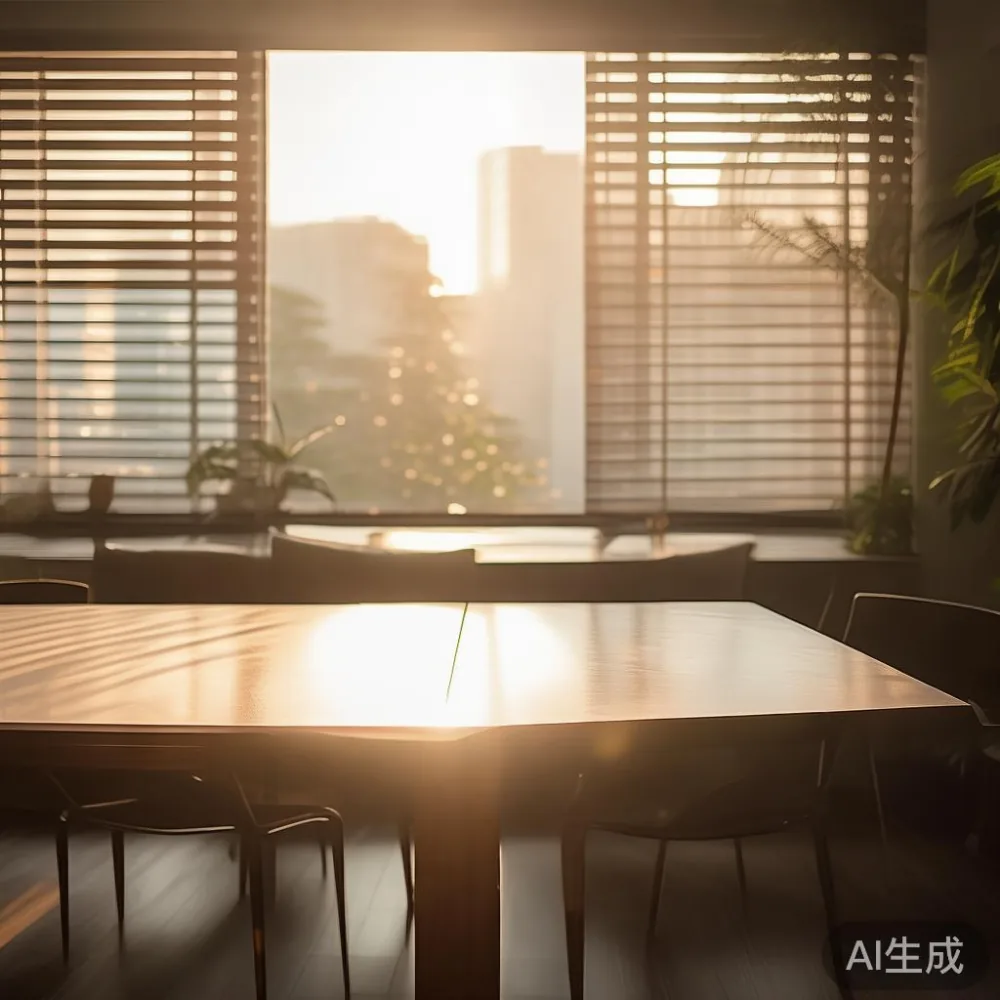
MIDHILL was established in 2008 and exports solid wood furniture to more than 15 countries. Its 10-year structural warranty and lifetime refinishing service make material quality and long-term care especially relevant when choosing furniture for a compact home. Measurements below are practical starting points for Singapore spaces, including Tampines, Bedok, and Punggol.
What makes a warm minimal interior work in Singapore?
Warm minimalism is less about owning fewer objects and more about reducing visual noise. Use 3 main finishes, 2 repeated colours, and 1 clear focal point. For a dining setting, that focal point can be a solid oak table with visible grain, a rattan chair, or a simple ceramic pendant light.
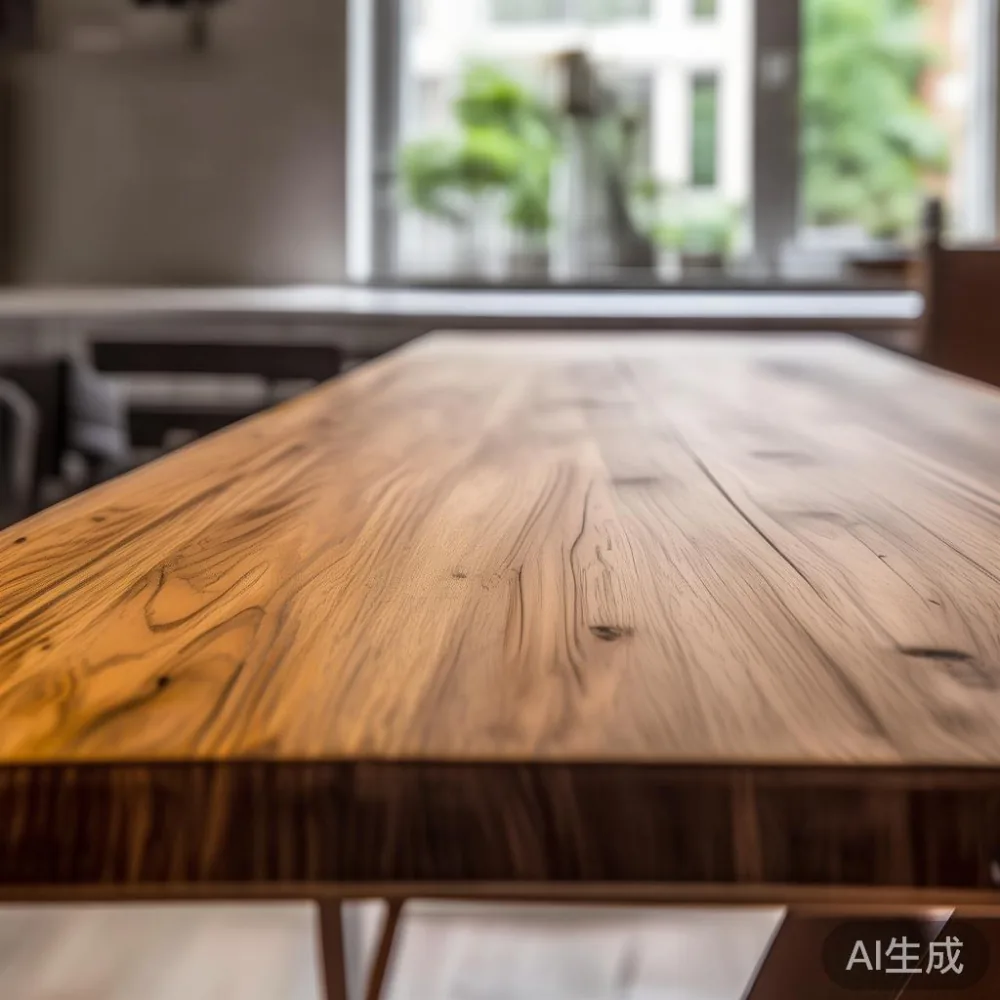
The climate calls for materials that age gracefully in humidity. Solid wood can move slightly as humidity changes, so leave around 2 to 3 cm between an extendable table and a wall or sideboard. Wipe spills promptly, use a coaster beneath water vessels, and keep direct air-conditioning vents from blowing across the tabletop.
Singapore homes often combine warm timber floors with off-white or beige walls. Honey oak, light walnut, and warm ash complement those surfaces without creating a heavy look. Avoid an overly pale, cool-grey finish if the room already has blue-white lighting; it can make the dining area feel clinical.
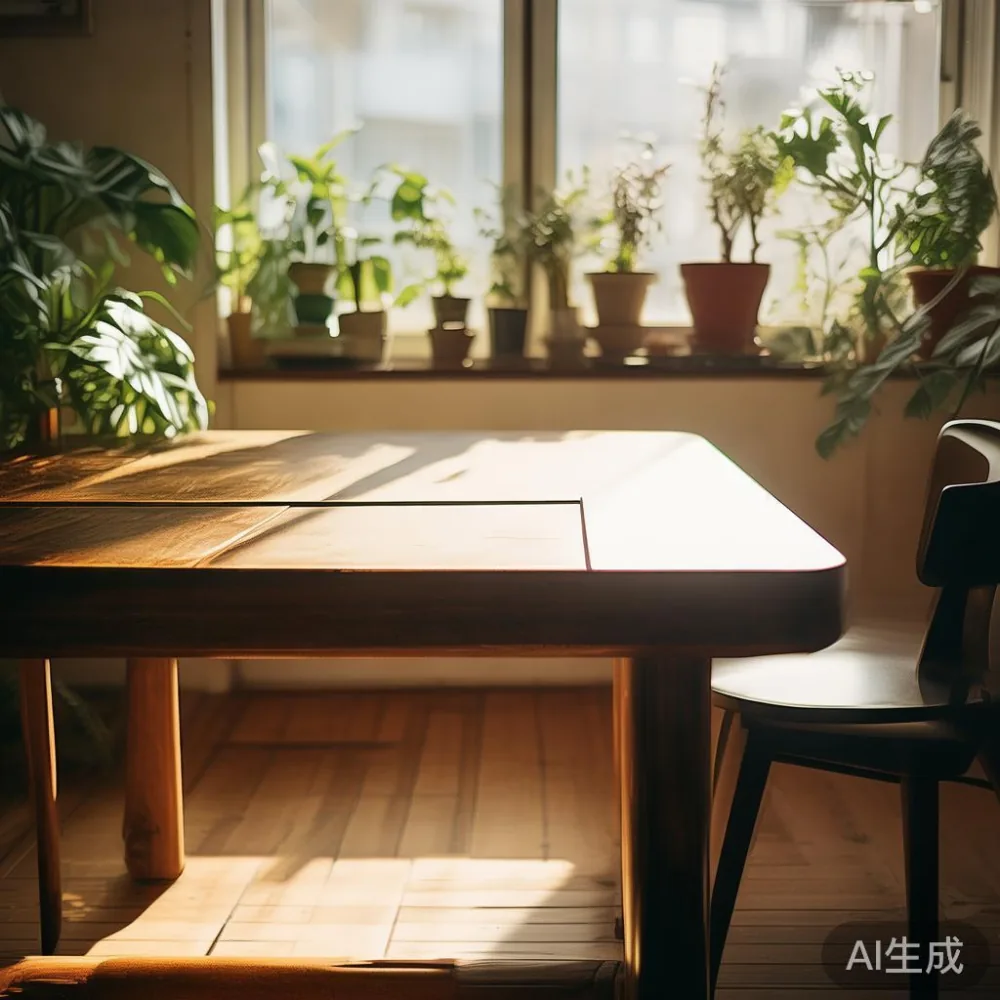
Light also matters. A dining room with less than 150 lux may look muddy, while a single 300-lux pendant can create a comfortable pool of light. Choose a warm white lamp at 2700K to 3000K. Natural linen curtains, cotton seat pads, and matte ceramics soften hard surfaces, while black accents should be limited to roughly 10% of the visible room.
How wide should an extendable table be for an HDB dining area?
Allow at least 90 cm of clear passage behind a seated diner. This is enough for a person to pull out a chair without completely blocking a corridor. In a typical open-plan HDB dining zone measuring 240 cm by 180 cm, a closed table around 140 cm long and 80 cm to 90 cm wide can seat 4 people. When extended to 180 cm or 200 cm, it can seat 6, but circulation becomes tighter.
For a compact HDB kitchen, measure the route from the flat entrance to the dining area before selecting a large model. A lift with internal dimensions of about 110 cm wide by 140 cm deep may accommodate a disassembled table, but the corridor turns and staircase landings matter more than the lift capacity alone. Record the narrowest doorway, the tightest turn, and the diagonal length of the packaged table. MIDHILL can help check carton dimensions before dispatch, and the table should arrive in pieces that two adults can carry safely.
In Punggol and Tampines condos, square dining zones often benefit from a rectangular extendable table because it can align with walls or windows. A 160 cm closed length with two 40 cm leaves can open to 240 cm. Leave 60 cm from walls to larger furniture where possible. For a service route, keep at least 100 cm clear along one side if the table must be extended without moving the nearest chairs.
Which solid wood finish creates the warmest effect?
Oak is an easy choice because its open grain reads clearly in warm light. A natural oak finish pairs well with cream upholstery, clay ceramics, and brushed steel. Walnut introduces deeper contrast and works best when the room has enough pale space around it. Ash offers a lighter appearance, while teak has warmer colour but a stronger grain pattern.
Keep the table relatively light if the rest of the room contains dark cabinetry. A warm, medium-toned solid wood dining table can bridge white kitchen cabinets and a darker living area. If the floor is already medium oak, choose a subtly different tone rather than an exact match. Variation in grain prevents the table from disappearing into the floor.
Scale matters too. A slim table frame visually opens a small room, but the structure must still feel stable. A top 28 mm to 32 mm thick, supported by a well-braced base, offers a reassuring solidity. The exact design should provide even support across each extension leaf so dishes do not sag near the seams.
French light luxury, American light luxury, and post-modern light luxury can all support this approach. The shared quality is restraint rather than ornament: generous proportions, tactile timber, and carefully edited details. That also connects naturally to a search for luxury European light luxury furniture, though a Singapore dining room should be planned around real dimensions, not imported showroom grandeur.
How should seating and lighting frame the extendable table?
Choose chairs with a clear relationship to the table height. A dining surface around 74 cm to 76 cm high suits most chairs with a 43 cm to 46 cm seat. The chair back should fit under the table edge or align neatly with it. Slender arms make it easier to slide in beside an extendable table when the leaf is open.
For 4 people, a table 140 cm long allows about 35 cm of width per diner. For 6 people, 180 cm offers roughly 30 cm each, while 200 cm improves comfort. Although that sounds tight, realistic space planning includes the 45 cm to 60 cm needed behind each seated person. A 200 cm table in a 300 cm-wide dining zone can work if the nearest obstruction is more than 90 cm away.
A pendant should hang about 70 cm to 80 cm above the tabletop. For a rectangular table, one fitting of about 80 cm to 100 cm can illuminate the centre. Arrange two smaller pendants if the table extends beyond 200 cm. Their spacing should reflect the likely closed length, otherwise the composition may look off until the table is fully extended.
Pair one upholstered seat with simple wood chairs to introduce texture without making the dining setting busy. A solid wood sofa in the adjoining living room can share the table's timber tone. If the living area includes a marble table, treat it as a cool counterpoint and repeat only small elements, such as a cream tray or brushed metal lamp, nearby.
How do you keep a warm minimal dining room from looking plain?
Create depth in layers. Place a low sideboard against the wall, use a runner in oatmeal or muted clay, and add plants with visible leaf structure. A narrow ceramic vase or 25 cm bowl can make the centre useful without permanently occupying meal space. Keep everyday objects in closed storage so the table remains visually calm.
The dining table should not be treated as an isolated object. Carry one colour from the dining zone into the living room, perhaps through a cushion, and repeat one timber tone on a nightstand or bed frame. This creates cohesion across a studio or compact 2-room flat. For a bedroom, a slim solid wood bed frame and matching nightstand can use the same finish as the dining table without making the interior feel repetitive.
Storage should fit the room's dimensions precisely. A shallow dining cabinet might be 180 cm wide, 40 cm deep, and 75 cm high, leaving a 100 cm passage in front. If the cabinet wall is also used for display, keep 70% of the surface clear. This level of editing gives warm minimalism its calm appearance.
Accessories should be fewer but better made. Choose a 1.2-litre ceramic carafe, cloth napkins in natural cotton, and glassware with simple profiles. For the living area, a search for where to buy coffee table from MIDHILL is useful only if the coffee table's footprint preserves at least 40 cm around the seating. A round model can improve circulation in a narrow zone, while a rectangular solid wood model can echo the extendable table.
What should I check before ordering an extendable table?
Begin with a paper plan. Mark the dining zone, doors, windows, lift route, and 90 cm circulation space. Draw the table closed and fully extended. If the extended state blocks the kitchen route, use a different leaf arrangement or choose a table that opens by adding a leaf to one end rather than sliding apart in a narrow recess.
Next, check the extension mechanism. Operate it several times, including with modest weight near the seam. The leaves should align without a visible step, lock securely, and store neatly underneath. A good fit should have no more than a 1 to 2 mm seam when closed. Confirm whether extension leaves are included, since some designs quote the closed size only.
Material and care details should be clear. Ask about wood species, finish type, extension hardware, and the expected movement caused by humidity. A lifetime refinishing policy can help restore scratches and surface wear, but routine care still matters. Use a damp cloth rather than a soaking wet one, and place protective mats beneath hot dishes.
Delivery in Singapore commonly takes 7 to 14 working days for in-stock items, but made-to-order pieces can require 4 to 8 weeks. Confirm the delivery window before making plans around a house move or family gathering. MIDHILL provides free shipping for orders over US$350, and the equivalent Singapore threshold can be confirmed at checkout. GST and local charges should appear before payment.
Finally, consider the 14-day return policy and the practical meaning of assembly. Measure whether the table can be carried through the lift and corridor before agreeing. Keep packaging instructions for future moves, but do not rely on the original assembly alone if the building rules require removal from the flat for maintenance.
How do I make an extendable table work with a solid wood sofa and other pieces?
Repeat proportion rather than matching every item exactly. The dining table may have a rectangular top while the solid wood sofa has square arms; both can share a 2 cm to 3 cm visual line in their frames. A bed frame and wardrobe should follow the same logic: consistent timber tone, restrained handles, and no more than 2 competing grain patterns in one view.
When considering best Mid-century modern sofa for 2026, look for slim legs, a low profile, and durable upholstery suited to humid rooms. Leave 40 cm to 60 cm between the sofa and dining zone. This gap preserves movement and creates a distinct area without adding a partition. For a compact living room, a solid wood sofa may also provide useful visual weight if the dining table is pale and slender.
Wardrobes should be planned with wall clearance and door swing in mind. If a new bedroom requires a full-height unit, leave at least 5 cm behind the wardrobe for ventilation and service access. A useful phrase to research is how to style European wardrobe in room: panel doors in warm oak, matte hardware, and a simple bed frame can create a coherent bedroom without expensive decoration.
One customer-search phrase that can assist with product comparison is best Mid-century modern wardrobe for 2026, although the decisive factor remains fit. Measure the room's usable wall length, skirting depth, and door opening. The answer is rarely the largest catalogue model; it is the wardrobe whose dimensions suit the circulation path.
For visual balance, vary height around the room. A tall wardrobe needs a lower bed frame or bench nearby, while a low extendable table benefits from one upright artwork or pendant. Maintain negative space, and avoid squeezing decorative objects into every corner.
How do I create a warm minimal dining room for fewer than 6 people?
Choose a 120 cm to 140 cm closed extendable table if the main requirement is flexibility rather than maximum seating. It can seat 4 comfortably and open to 180 cm for 6 during visits. A 140 cm closed table in a 220 cm-wide dining recess offers more freedom than a permanently open 200 cm model.
Use removable chair pads that can be stacked when guests leave. Keep only 2 to 3 dining chairs if the space connects to a kitchen island where people can sit. A narrow console could hold serving pieces, but it must be at least 35 cm wide and leave 80 cm of passage. These small operational decisions matter more than adding another decorative element.
Lighting can carry much of the atmosphere. A dimmable pendant, a warm table lamp on a sideboard, and one wall light can create layers after dinner. At 2700K, the room feels warmer; at 4000K, it becomes sharper and more commercial. For evening meals, keep the dining pendant around 200 to 300 lux and use softer lighting elsewhere.
The most convincing warm minimal interiors have a deliberate rhythm: pale background, tactile focal point, controlled accents, and enough breathing room. An extendable table supports that rhythm because it changes with the household while retaining a clear material identity. Measure twice, choose a warm solid wood finish, and test the fully extended arrangement before committing.