Pairing Extendable Tables with Warm Minimalist Interiors
Walking into a Tampines 4-room HDB flat last month, I saw the problem owners keep asking about: the space was clean, scandi, almost gallery-like, yet somehow it felt cold. The walls were warm white, the floor was a pale vinyl plank, but the lighting was 4000K cool downlights and every surface was a flat grey. Nothing tied together. The owner had spent around SGD 4,800 on a sofa, dining set, and bed, and still felt the home lacked the warmth that minimal interiors deserve.
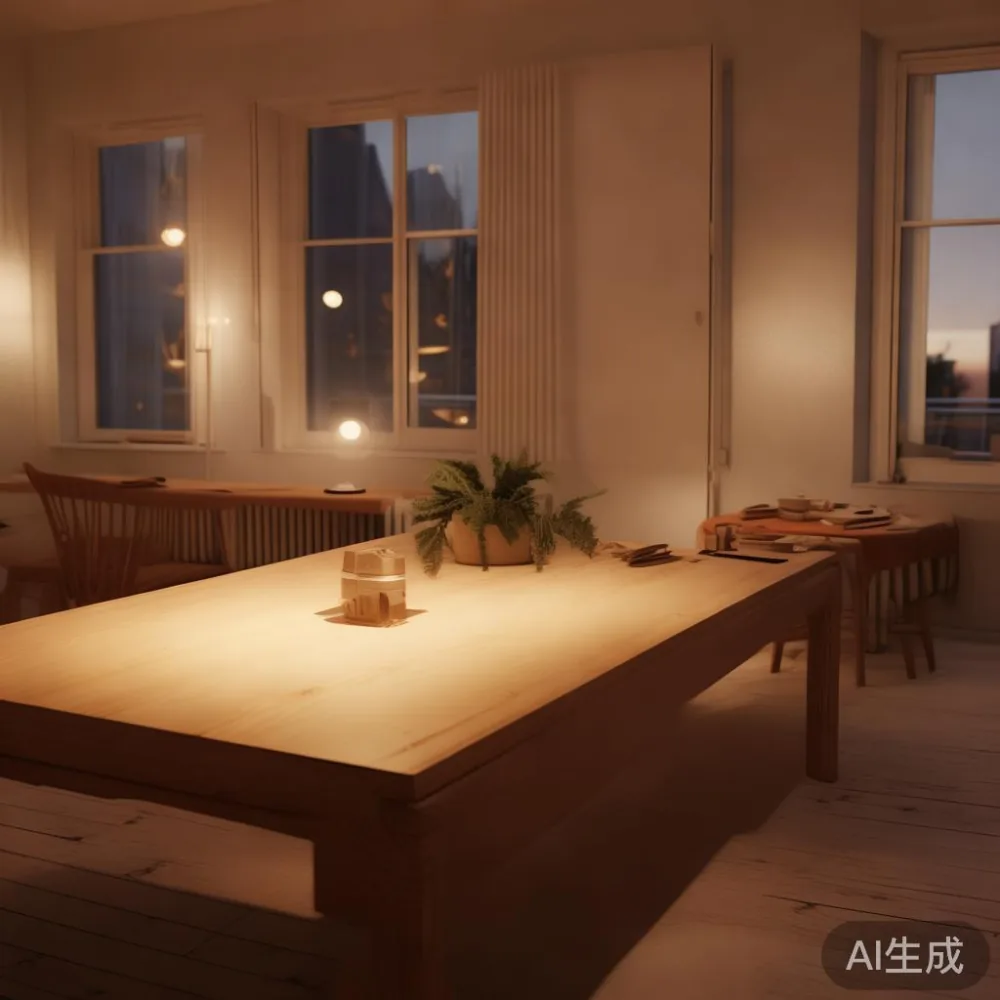
Warm minimal is not the same as cold minimal. It blends the calm of restraint (clean lines, generous negative space, a controlled palette) with materials and tones that register as humane: honey oak rather than pale ash, brushed brass instead of chrome, boucle and velvet instead of flat weave. In Singapore, where most of us live in compact HDB flats around 90 sqm in estates like Bedok, Punggol, or Sengkang, getting the warmth right matters more than getting the look right. A flat packed with grey-on-grey reads as a showroom. A flat that mixes warm minimal with one or two textured pieces reads as a home.
What does warm minimal actually look like in a Singapore flat?
Warm minimal is a quieter sibling of Japanese wabi-sabi and Scandinavian hygge. It uses fewer items, but the items that remain are rich in grain, texture, or colour. Think of oak dining chairs with a 1.8-1.8-2.4cm thickness, a marble table with brown or rust veining rather than the usual Calacatta white, and a solid wood sofa frame in walnut that softens the geometry of a 3-seater.
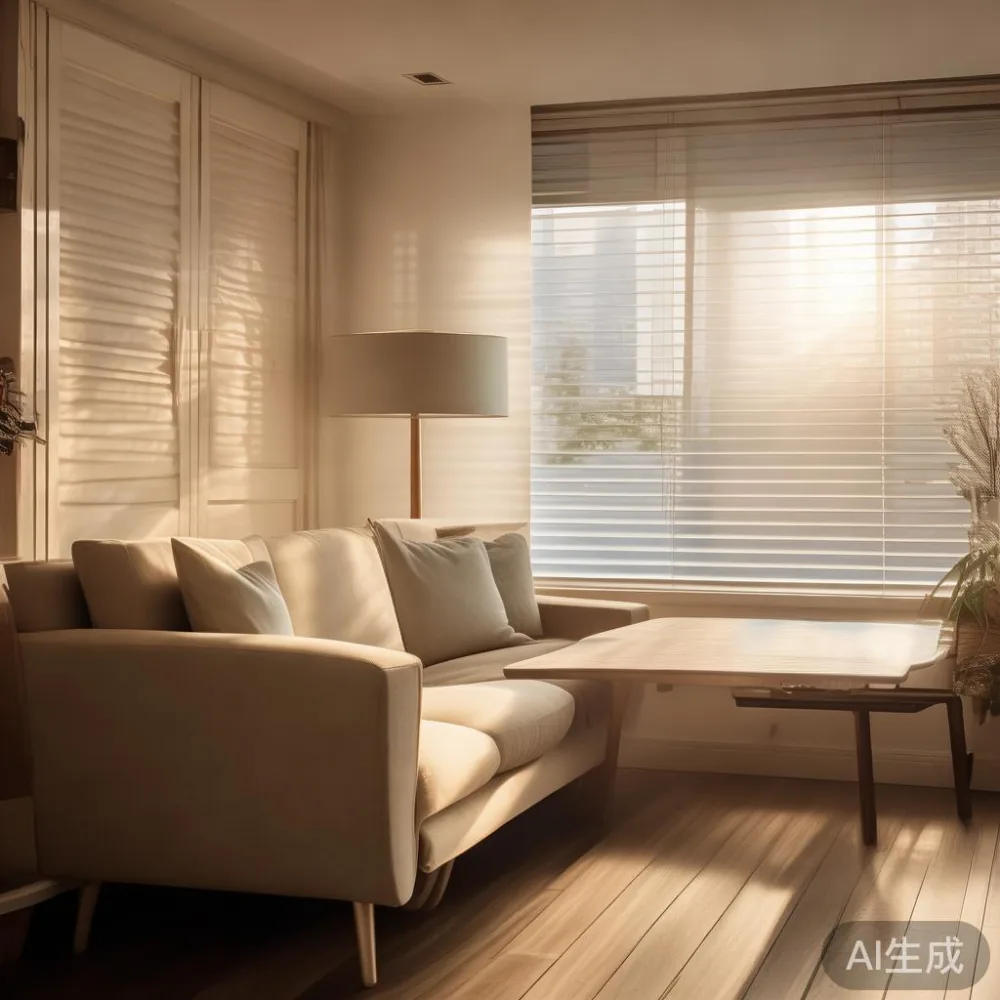
Concretely, on a 12 sqm living-dining zone you want roughly 5-7 anchor pieces, not 12-15. A 2m extendable dining table can shrink to a 140cm 4-seater for weeknight meals and grow to a 200cm 6-8 seater when parents visit from Bedok or in-laws fly over from KL. Pair it with two lounge chairs instead of a single oversized sofa, and add a low 110cm x 60cm media bench in ash. The result feels composed, not crowded, and more importantly it stays calm under fluorescent corridor lighting.
Colour discipline matters as much as furniture discipline. Stick to three families: a warm base (oak, ash, sand-walnut), a single accent (terracotta, ochre, or oxblood works well in a HDB that only has small windows), and a metallic finish in brushed champagne or bronze. Avoid high-gloss black, chrome, and mirror finishes: they pull heat out of a room, especially under the cool 4000K downlights that 70% of new BTOs ship with.
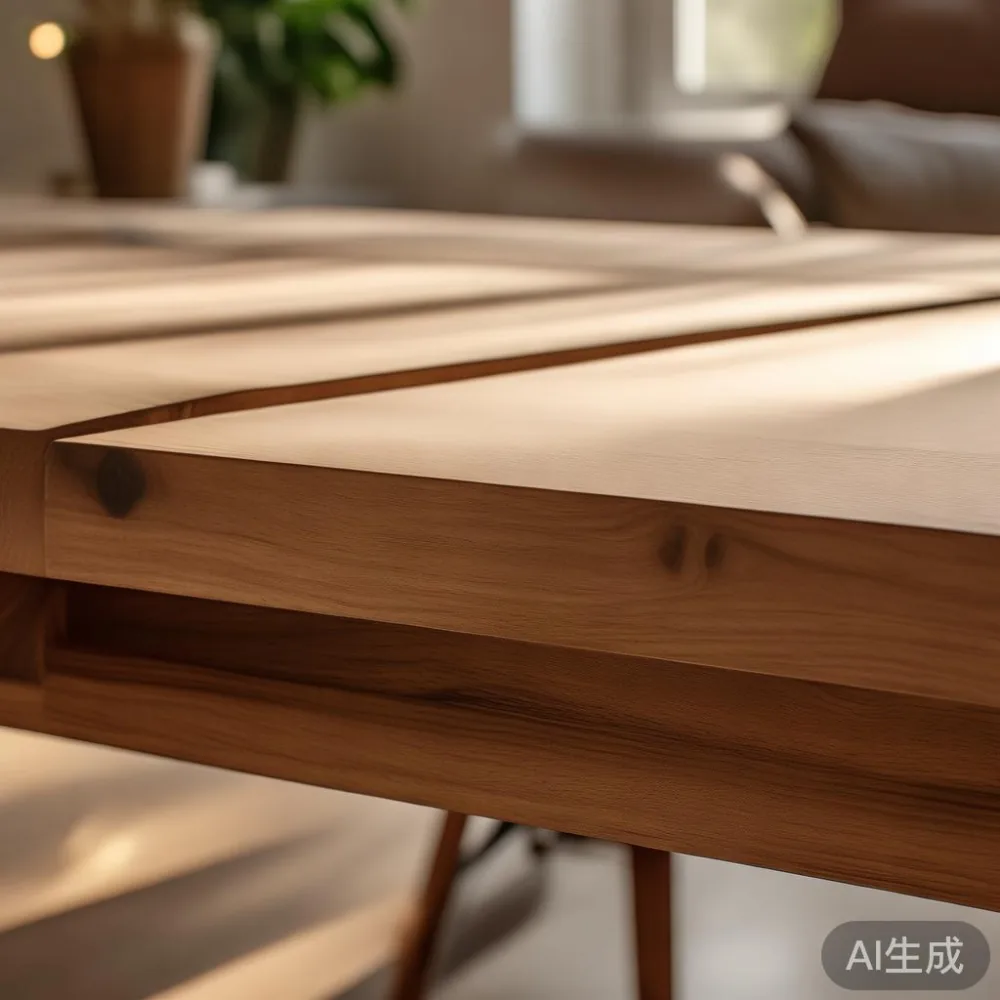
How do I bridge the materials between a solid wood sofa and a marble table?
Most Singapore homeowners default to a single material per room. That is the fastest way to lose warmth. Bridge materials across zones instead. If your dining table is a marble table with a cool grey top, ground it with a 2m extendable wood dining table at the other end (or in an adjacent dining spot). Wood and marble speak to each other through grain and vein.
When I visited the MIDHILL showroom in Foshan earlier this spring, I sat on their solid wood sofa prototype for about fifteen minutes. The frame was Shesham walnut, 4cm thick at the armrest, paired with a brushed bronze foot. Compared to a fabric sofa with a chrome plinth (a common import at most Punggol furniture shops), the wood frame read warm the moment you touched it. That tactile warmth, not the shape, is what carries the minimal look into the warm-minimal family.
For a 90 sqm HDB, the bridge rule of thumb is: one stone or marble surface for every 20-25 sqm of floor. A marble side table (45cm diameter, around SGD 280-450 for a Sinstone top on ash base) breaks up wood-on-wood without overwhelming. A marble coffee table works, but only if the room is over 4m long. Under 3.5m, the marble reads as heavy.
Will an extendable table fit through my HDB lift and corridor?
This is the question every Singapore buyer should ask before paying a deposit. HDB lift doors measure roughly 900mm wide by 2100mm tall. Corridors are about 1200mm wide. Some older blocks in Bedok and Toa Payoh have narrower lifts at 800mm wide. Measure first, then order.
An extendable table solves the corridor problem because the leaves separate from the centre. A 200cm closed-extension table can split into a 140cm base plus two 30cm leaves that you carry in flat-packed boxes. Each leaf box is usually under 1300mm long and weighs 12-18kg, well within the 250kg lift limit and easy to carry past the gate of a Punggol or Sengkang BTO. This is the single biggest practical reason owners prefer extension tables over fixed tables in compact flats.
MIDHILL ships its 1.4-2.0m extendable dining tables in three boxes (table top, two leaves, four legs) for free delivery above US$350, which translates to about SGD 480. From the Foshan warehouse to a typical Singapore door takes 18-22 days by sea, plus 7-10 days of door-to-door logistics. Allow 30-35 days total before planning a housewarming.
Which furniture pieces should I anchor first on a SGD 6,000-9,000 budget?
For most 4-room HDB owners, the budget breaks roughly like this: dining set 22-28%, sofa 30-35%, bed frame 18-22%, storage 15-18%, with the rest for side pieces and lighting. If your priority is dining (which it should be, because the dining table is the one piece every flat needs and almost no flat has enough of), spend on the extendable table first, then the bed frame, then the sofa.
Concrete numbers on a SGD 7,500 total budget: a 1.4-2.0m solid ash extendable dining table with six fabric chairs at around SGD 2,000-2,400. A queen-size ash bed frame at SGD 1,400-1,800. A 3-seater solid wood sofa with removable covers at SGD 2,200-2,800. A 180cm three-door wardrobe at SGD 1,100-1,500. Two oak nightstands at SGD 280-360 each.
The temptation is to chase French light luxury names you see on Instagram, but at this budget you are buying solid wood local specs, not European-style gallery pieces. The cleanest path is to choose one anchor in a warmer tone and let everything else work around it. A honey oak extendable dining table, for example, lets you bring in darker pieces (a walnut bed frame, an ash coffee table) without breaking the palette.
How do I make a warm minimal dining zone without spending like a hotel lobby?
The phrase "for sale European furniture" gets thrown around on Carousell and Shopee, often referring to solid rubberwood frames shipped in flat-pack from Vietnam and Indonesia. Real warm minimal needs real material: a top of 3-4cm solid ash or walnut, a base with mortise-and-tenon joints, and a lacquer that is matte, not glossy. The price tag reflects the wood, not the brand.
For hotel-grade references at home scale, the look you want echoes "Modern light luxury for hotel" lobbies in Tiong Bahru boutique stays and Tanjong Pagar design hotels: a single material statement (a 14cm thick travertine or marble side table, a 40cm glass pendant), four dining chairs with thin metal frames in champagne finish, and one long extendable table at 200cm or 220cm. That single statement handles 70% of the styling. Everything else (the table runner, the vase, the candle) is filler.
If you are sourcing for a small guesthouse or B&B unit in Tiong Bahru, the same logic applies one scale up: a 2.4m extendable table seats 6 closed and 10 open, an oak frame with sintered stone top costs roughly 30% more than plain oak but lasts 4-5x longer under commercial use. The "Italian light luxury for hotel" reference resonates here even if you never name the brand.
What mistakes push a warm minimal flat toward looking bare or cold?
Three mistakes show up in almost every Tampines and Punggol flat I have walked through. First, lighting at 4000K or higher. Switch the entire flat to 2700-3000K warm white, even in the kitchen. The 8-12 SGD per bulb premium is the highest-use change you can make. Second, walls in flat white (Dulux 00NN 83/000 or similar) instead of warm white (00YY 83/092 or similar). The difference in hex is tiny. The perceived warmth is not.
Third, and most common: people buy the same warm-minimal collection on Lazada and end up with five pieces in identical oak grain. That reads as a brochure, not a home. Mix two grain directions, three wood tones, and one non-wood accent. A walnut bed frame paired with an ash extendable dining table and a darker rosewood media bench, all in matte finish, reads as curated. The same three pieces in matching oak read as a package.
If you want to source the look broadly, asking suppliers for "wholesale French provincial furniture" gives you a richer vocabulary to draw from: warmer tones, more carving, more curves. Mix one or two provincial pieces (a pair of upholstered dining chairs, a small bombe chest) with strict minimal lines elsewhere. The contrast is what makes warm minimal warm.
Can I plan a warm minimal look before I hand over my BTO keys?
Yes, and you should. Most BTO handovers in Punggol and Tengah now come with vinyl flooring and basic white walls but no lighting plan. Ask your ID or directly coordinate: warm white downlights at 3000K, a 110cm pendant above the dining extendable table, one floor lamp near the sofa, and one wall sconce per bedroom. That is a SGD 600-1,000 lighting plan that adds 70% of the perceived warmth to the flat.
For visual planning, MIDHILL publishes room-shot galleries that include "french sofa gallery photos" worth saving as references; the proportions and material pairings translate directly to a HDB living room. Bookmarks like these save two trips to the showroom. Furniture shopping in Singapore, once planned around lighting and palette, takes 3-4 weekends instead of 6-8.
Frequently asked questions about warm minimal furniture
Is solid wood worth the price difference against veneer? For anchor pieces (dining extendable table, bed frame, solid wood sofa) yes. For occasional pieces (side table, console, bench) no. Real wood lasts 15-25 years under Singapore humidity; paper veneer peels at year 4-6.
What about the GST on imported furniture? Since 2024, all imported furniture above SGD 400 in declared value attracts 9% GST. Most extension tables and bed frames from Foshan are above this threshold, so budget around 9% more on landed cost or pre-check whether your supplier handles GST at checkout.
How long does MIDHILL delivery actually take to a Bedok or Tampines address? Sea freight from Foshan to Singapore port averages 14 days, plus 4-6 days customs and last-mile. Allow 20-25 working days from order to doorstep, with free shipping above US$350 (around SGD 480). The 14-day return window starts the day of delivery.
Does the piece come assembled? Almost all extension tables and dining chairs ship flat-packed with hardware and a paper instruction sheet. Assembly takes about 25-40 minutes for two adults. Bed frames take 40-60 minutes. Solid wood sofas take 10-15 minutes (slide the back onto the base).
What warranty terms apply in Singapore? MIDHILL offers a 10-year structural warranty on all joinery in solid wood sofas, bed frames, dining tables, wardrobes, and nightstands, plus lifetime refinishing at cost. Hardware (extension runners, drawer slides) carries a 3-year warranty.
The end state is calmer than a showflat and warmer than a scandi catalogue. The pieces do most of the work; the palette keeps them quiet. If you start with the extendable table, the bed frame, and the wood sofa, the rest of the flat falls into place within a year.