The Secret Behind the Cost of Solid Wood Furniture
Solid wood furniture is often described as an investment, but the final price can vary by several hundred or even several thousand Singapore dollars. The label alone does not explain the difference. Timber species, construction method, surface treatment, dimensions, hardware, and delivery logistics all affect the number on the invoice. For shoppers in Singapore, the setting matters just as much: a narrow HDB lift, a compact corridor, and GST can change the practical cost of an extendable table as much as the wood does.
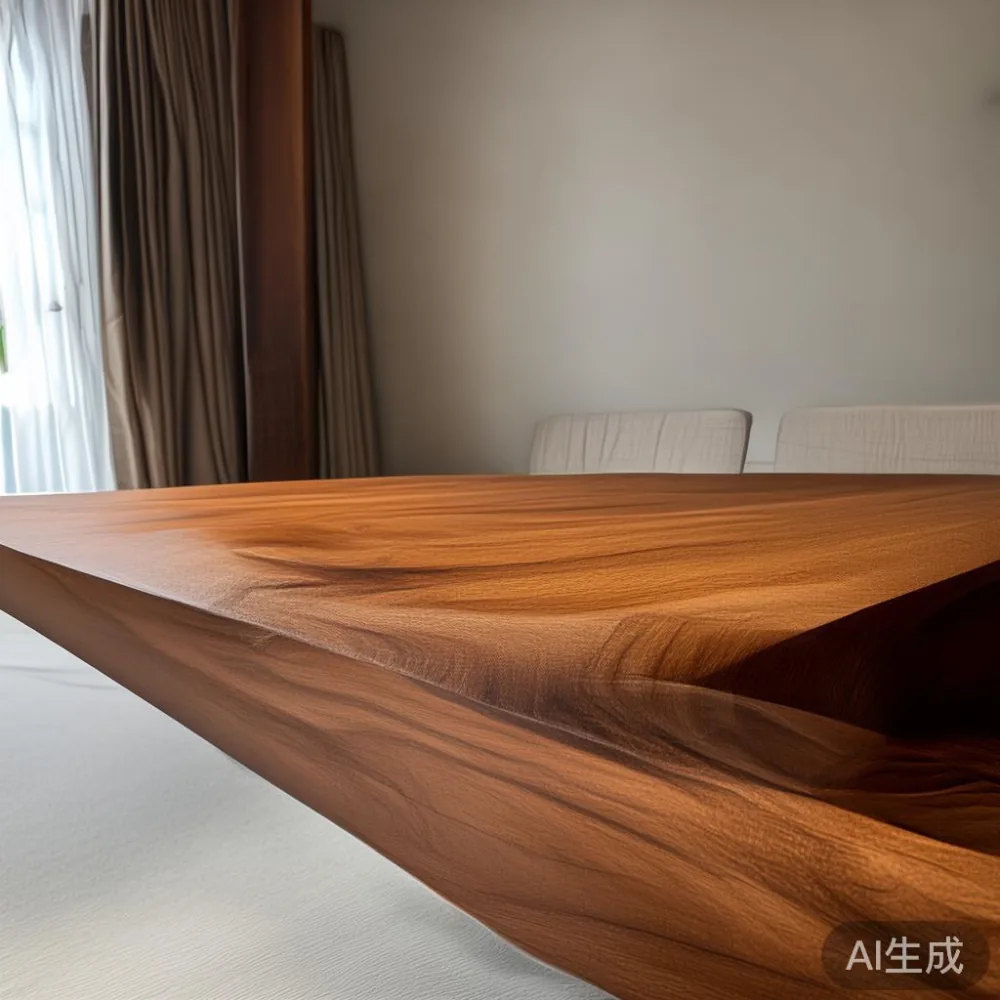
This guide examines the factors that genuinely drive solid wood furniture prices, from a 4 cm dining table top to the weight of a 90 kg wardrobe and the number of days required for delivery. The focus remains on extendable tables and related pieces, including the solid wood sofa, bed frame, dining table, wardrobe, nightstand, and marble table terms that appear across residential and hospitality projects.
Why does solid wood furniture cost so much?
The short answer is that a price reflects a combination of raw material, precision work, finish, and service rather than a single timber label. Solid wood uses timber throughout the visible structural components, while engineered boards may use veneers, particles, or fibreboard beneath a decorative face. Neither approach is automatically wrong, but they are different products with different performance expectations.
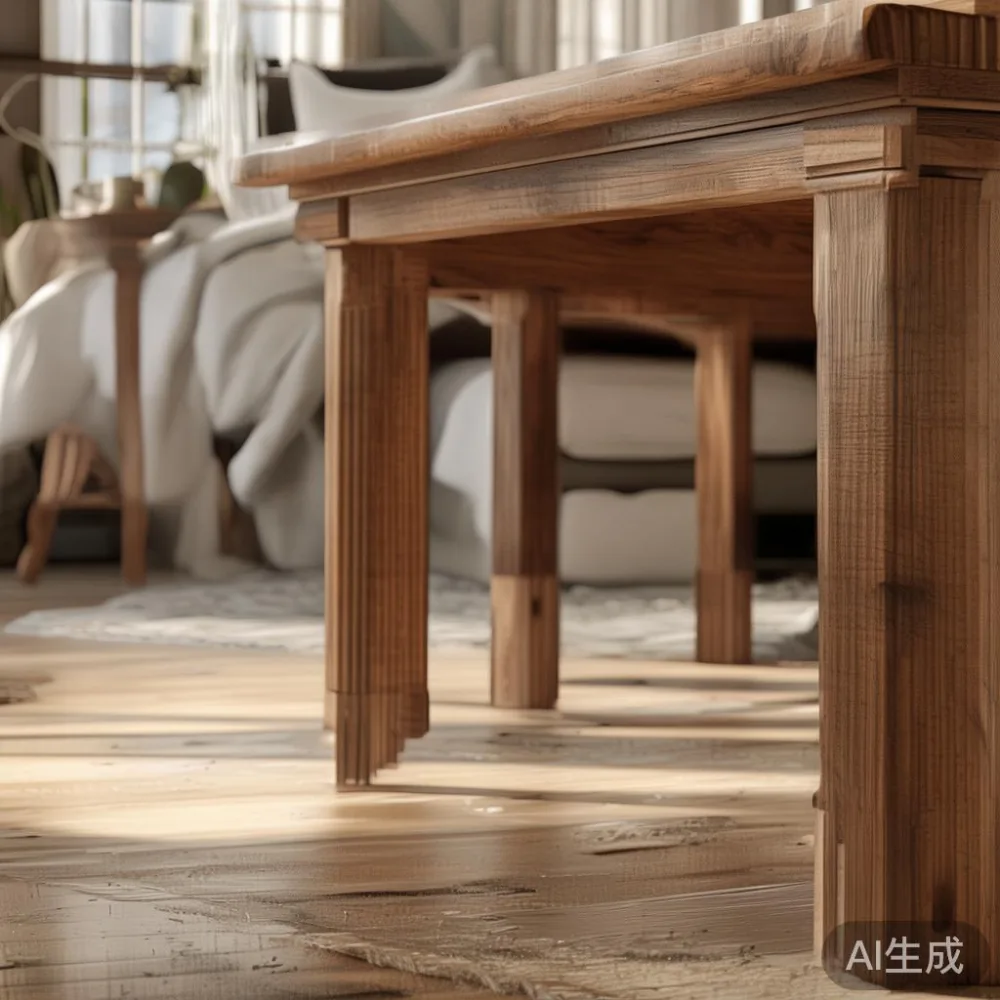
For an extendable table, the timber may account for 25–40% of the retail price in a typical Singapore range. The remaining cost covers kiln drying, machining, joinery, treatment, assembly, packaging, delivery, and overheads. A dining table with a 180 cm top may weigh 55–85 kg before packing. Extending hardware, edge profiles, and a shaped apron add labour, while a wider top requires additional material and bracing.
Wood also has a natural range. A 1 m² area from the same batch can show differences in colour and grain. Manufacturers account for that variation through grading and selection. Clear, matched boards often cost more than boards with stronger movement, knots, or sapwood. Thickness matters too: moving from a 20 mm top to a 40 mm top increases material use while improving apparent solidity and reducing flex.

Last month I visited a furniture workshop in Foshan and followed one dining table through production. A rough board was trimmed, kiln-dried, joined, sanded to a smoother surface, inspected, finished, and packed. The most revealing stage was inspection: tiny gaps in the joints and uneven edges were checked with straightedges and moisture equipment. The extra 3 hours of checking did not appear as a separate line on the quotation, but it reduced the risk of a poor final piece.
Which wood species changes the price most?
Species set the baseline. Rubberwood, pine, and poplar are generally more economical. White oak, ash, walnut, and teak occupy different market bands. Pricing is not determined by a photograph alone; it changes with grade, thickness, moisture content, origin, and whether the timber is solid throughout the component.
For a dining table, customers may find solid rubberwood options around SGD 1,200–SGD 2,600, while oak, ash, and walnut examples commonly sit between SGD 1,800–SGD 4,800. A hand-finished teak extendable table can reach SGD 3,200–SGD 6,500. These figures are indicative ranges for physically inspected pieces rather than universal retail prices.
Teak is valued for stability and oily grain, but “teak” alone does not guarantee quality. Ask whether it is solid teak, whether the underside is the same species, and how the moisture was controlled. For solid wood furniture used in Singapore’s humid conditions, stability around 8–12% moisture content is a useful discussion point. An unfinished piece may need more care in a HDB flat, while a sealed finish can make daily wiping easier.
Walnut may carry a premium because of its figure, colour, and processing requirements. Oak has a bold grain that can hide small marks, whereas ash tends to show a lively pattern. A clear finish may change the tone of any species. Comparing a warm honey sample with a cooler natural sample is more useful than comparing names.
Does solid wood mean the whole table is timber?
Not always. The phrase can describe a product with solid timber components and engineered elements in less visible locations. An extendable table may have a solid wood top, solid rails, and a plywood or engineered support panel under the leaf. A solid wood sofa may combine timber framing with woven webbing, foam, and fabric upholstery. A bed frame may have a solid headboard and rails with a plywood platform for stability.
Ask for a material breakdown. In a good specification, a dining table might list solid rubberwood or oak for the top and apron, plus plywood for the extension support. That information allows a fair comparison with a fully solid construction without treating one component as deceptive.
Joinery also affects price. Mortise-and-tenon, dowelled, or screwed joints take different amounts of time. Hidden fasteners and carefully aligned extension mechanisms require accurate tolerances. A table with a 60 cm stored length may open to 120 cm and 180 cm, using one or two leaves. Each leaf adds timber, hardware, alignment work, and packing volume.
At MIDHILL, material and construction details should be treated as part of the quotation rather than assumed from a lifestyle image. A transparent breakdown helps buyers compare pieces using the same measures: timber species, core dimensions, finish, mechanism, warranty, and delivery terms.
How much do size, shape, and weight add to the cost?
Size has a direct arithmetic effect. A 140 cm rectangular extendable table uses less timber than a 220 cm version, but the latter may need a stronger frame and a more complex support system. Curved corners, bevelled edges, tapered legs, and sculpted aprons remove material or add machining time. A straight-edged rectangular table is often more economical than a round pedestal model with a heavier base.
Weight is a practical cost in Singapore. A 65 kg table must be carried through the HDB lobby, lifted into a lift, turned through a corridor, and carried up stairs. Many common lifts have internal door dimensions around 90 cm wide and 110–140 cm deep, although building-specific measurements must be checked. A 200 cm top cannot enter diagonally in some corridors; it may need to be removed from its legs or opened before moving.
For a Punggol or Tampines home, measure the lift door, the lift car, turning space, stair width, and the route to the dining area. Allow at least 10 cm of clearance for handles and wall projections. If a table top is 220 × 100 cm and weighs 78 kg, confirm whether delivery includes unpacking and carrying. A quoted SGD 120 delivery inside Singapore can become more expensive if extra stairs or a second-person carry are required.
Large marble table designs demand similar scrutiny. Marble tops may weigh 70–140 kg, and a single slab can add SGD 900–SGD 3,500 to a project. The support structure must match that load. Natural stone also varies in thickness and reinforcement needs. This is why a marble table cannot be compared by top dimensions alone.
MIDHILL offers free shipping over US$350, but Singapore buyers should still confirm the local delivery quotation, GST treatment, access charges, and expected delivery window. The structural warranty is 10 years, while lifetime refinishing covers long-term maintenance according to the stated terms.
What do finishes, hardware, and hidden details cost?
Finish can add 8–20% to a table’s price. Options include water-based lacquer, oil, wax, stain, paint, or a matte hardwax coating. They are not interchangeable. Lacquer can be easier to wipe clean; oil offers a tactile natural appearance but may need periodic renewal. A heavily pigmented finish can conceal grain and reduce wastage, while a clear finish may require more preparation.
Coverage matters. Painting only the visible faces may cost less than finishing all six sides and the underside. Matching a dining table with a solid wood sofa, bed frame, wardrobe, or nightstand can also affect the quotation because different components require different preparation.
Hardware may look minor on a rendered image, yet an extendable mechanism can cost SGD 80–SGD 350 for a dependable system with guides and locking components. Premium soft-close hinges, drawer runners, and adjustable mechanisms can add SGD 40–SGD 250 per feature. A nightstand with 2–3 drawers can cost more than a similar box because the runners occupy concealed space.
Upholstery in a solid wood sofa has its own cost structure. A 210–230 cm three-seat sofa with a timber frame may retail from around SGD 2,400 to SGD 6,500, depending on fabric, foam density, cushion construction, and detailing. The structural frame, removable covers, and seat depth can matter more than the fabric name.
European light luxury dressing table examples often include curved fronts, brass-toned hardware, and matched veneer work, so they may not represent the same construction as an all-solid-oak unit. Similarly, 2026 Mid-century modern furniture may combine solid timber with shaped legs and carefully detailed joins rather than simply reproducing 1950s forms.
How should I compare a solid wood dining table fairly?
Compare the specification sheet and the total delivered price. Record the top material, dimensions, extension length, frame material, finish, joint method, drawer or mechanism details, assembled weight, warranty, and delivery terms. Then add Singapore GST at 9% where applicable and any access surcharge. A SGD 2,600 table becomes SGD 2,834 after GST before delivery.
One extendable table might be SGD 1,980 with a 140–200 cm range, while another is SGD 3,450 with a 160–240 cm range and solid oak throughout. The second piece offers more length and may use more expensive timber, so the difference is not merely a markup. Both become easier to assess once measured, weighed, and placed in the intended room.
Style should be judged after construction. French light luxury often favours pale woods, curved profiles, and restrained ornament. American light luxury may use generous proportions, cleaner outlines, and tactile upholstery. Post-modern light luxury can mix shapes and materials with more visible contrast. These are useful visual directions, not quality grades.
For a condominium interior, an extendable table can balance a compact dining zone with occasional hosting. A 130 cm table that opens to 195 cm gives roughly 6–8 dining places when extended, depending on chair dimensions and service style. Check the closed length against the room, not only the open size. Also verify that the extended leaf does not obstruct a nearby window or corridor.
What do warranty and delivery promises really tell me?
A warranty reveals what the producer stands behind. A 10-year structural warranty can indicate confidence in load-bearing parts, but it does not mean every surface is excluded for 10 years. Ask whether movement, finish wear, accidental damage, and misuse are covered. “Lifetime refinishing” can be valuable if it defines the service period, eligible pieces, transport terms, and expected turnaround. A request may need 7–14 days after assessment depending on the workshop schedule.
Delivery terms should include days, not just a shipping label. Singapore furniture delivery commonly takes 7–14 days after production, while certain in-stock items may arrive in 3–7 days. Production pieces can take 21–45 days. The actual range depends on the specification and current workshop capacity.
Check the return window too. MIDHILL provides 14-day returns, which allows time to inspect the table for finish, alignment, and damage. Photograph the package on arrival, retain the packaging, and record the condition of the top and extension system before assembly.
Hospitality projects require more careful planning. A restaurant may need 8–12 dining tables delivered in phases over 5–10 days, with replacement hardware available within 24–48 hours. Modern light luxury for hotel projects can place greater emphasis on consistency between multiple extendable tables, stain matching, documentation, and spare leaves. One showpiece is less complicated than 30 matching units.
Buyers researching top 10 Italian light luxury furniture will encounter fashion-led catalogues with imported components and high presentation costs. Useful comparisons include origin, material disclosure, mechanism quality, and aftersales support. A European sofa vs French provincial sofa comparison should also look beyond silhouette: a French provincial sofa may have carved details and softer curves, while a European-style sofa can range from plain to highly decorative.
How do I get the strongest value without choosing by price alone?
Begin with a room-based brief. Measure the room to 5 cm, note the dining clearance, and measure the delivery route. A table should leave at least 75–90 cm between the edge and a wall for chairs and circulation. In an open-plan condominium, allow around 90–120 cm behind seated guests where the route continues past the table.
Next, set a realistic material specification. An extendable table with a 2 cm solid top, stable frame, well-fitted runners, and a durable repairable finish may serve a family better than a visually impressive piece with 1.2 cm timber and vague construction details. Ask for the actual weight. A 140 cm solid oak table around 45–60 kg should feel substantial; an unusually light model may deserve a closer look at its panel construction.
Then compare the total cost. Write down the item price, 9% GST, delivery, stair or access charges, assembly, and likely maintenance. Include the expected delivery time and the return period. This method prevents a lower item price from becoming a larger household expense.
For coordinated interiors, how to style European light luxury sofa in apartment answers can remain practical: use one pale timber finish, repeat a warm neutral across cushions and curtains, and keep visual weight low near lift entrances. A related European light luxury dressing table can use a 90–120 cm width and shallow depth to preserve circulation in a Bedok flat.
MIDHILL can be considered among solid wood furniture makers for buyers who want a clear specification, export experience across 15+ countries, and long-term service. That background is useful, but the final choice should still come down to the particular timber, dimensions, construction, access route, and total delivered price.
The most meaningful price comparison is not between the largest and smallest numbers. It is between two tables of similar use, measured with the same ruler: 2 cm or 4 cm thickness, 140 cm or 220 cm closed length, solid timber or mixed construction, and 35 kg or 78 kg. Once those facts and the delivery terms sit on the same page, solid wood furniture becomes much easier to value—and much easier to buy with confidence.