How to Match an Extendable Table to a Warm Minimal Interior
A warm minimal interior does not need to feel bare. In a Singapore HDB flat or condo, the right extendable table can become the quiet centre of the dining area while keeping sightlines, chair movement and storage practical. The aim is a room that feels composed through proportion, grain and light rather than through a crowded collection of decorative objects.
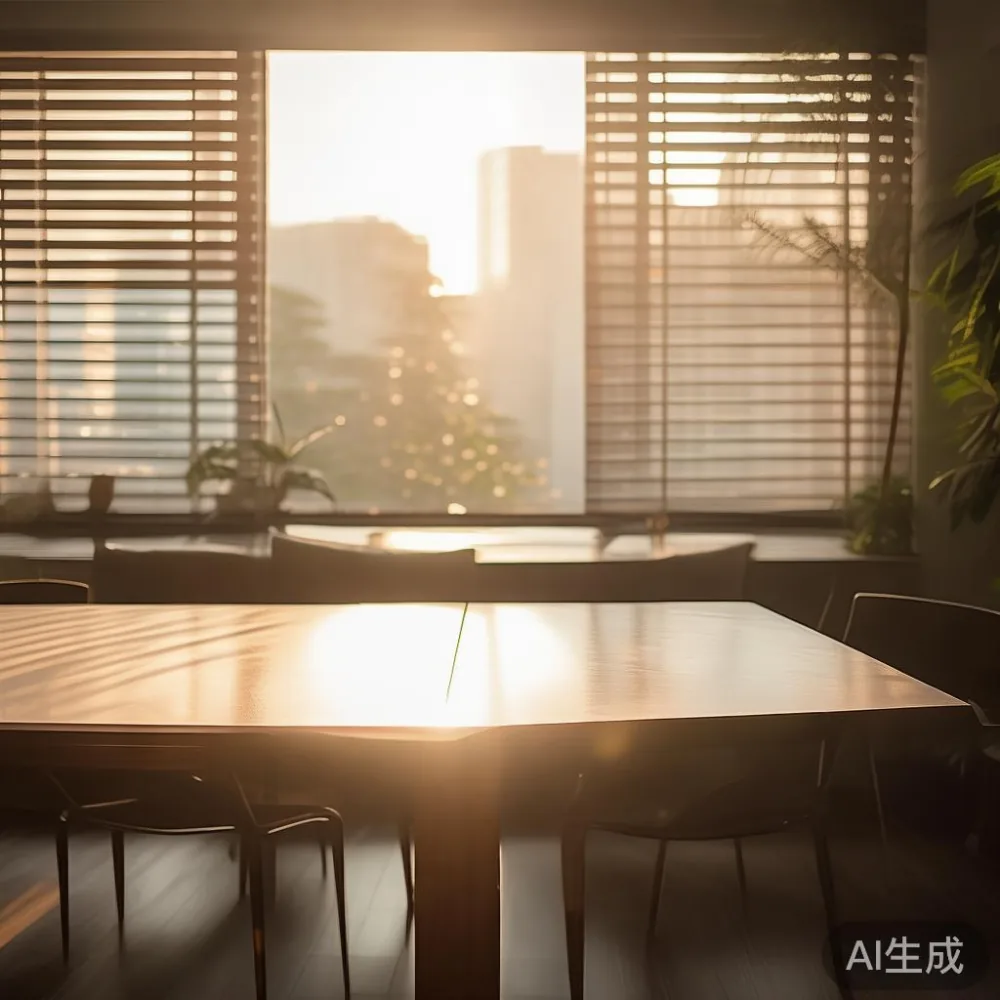
For homes in Tampines, Bedok and Punggol, dining furniture must also respect the building rather than merely look good in a photograph. A 140 cm lift may accept a boxed dining table but reject a wide marble table; a tight common corridor may make delivery more demanding than the room itself. Dimensions, access routes and local costs therefore belong in the selection process.
MIDHILL has made solid wood furniture since 2008 and ships to more than 15 countries. Its extendable table designs are intended for real family use, with a 10-year structural warranty and lifetime refinishing. Prices below use Singapore dollars and exclude the 9% GST unless stated otherwise.
What makes warm minimalism work in a Singapore home?
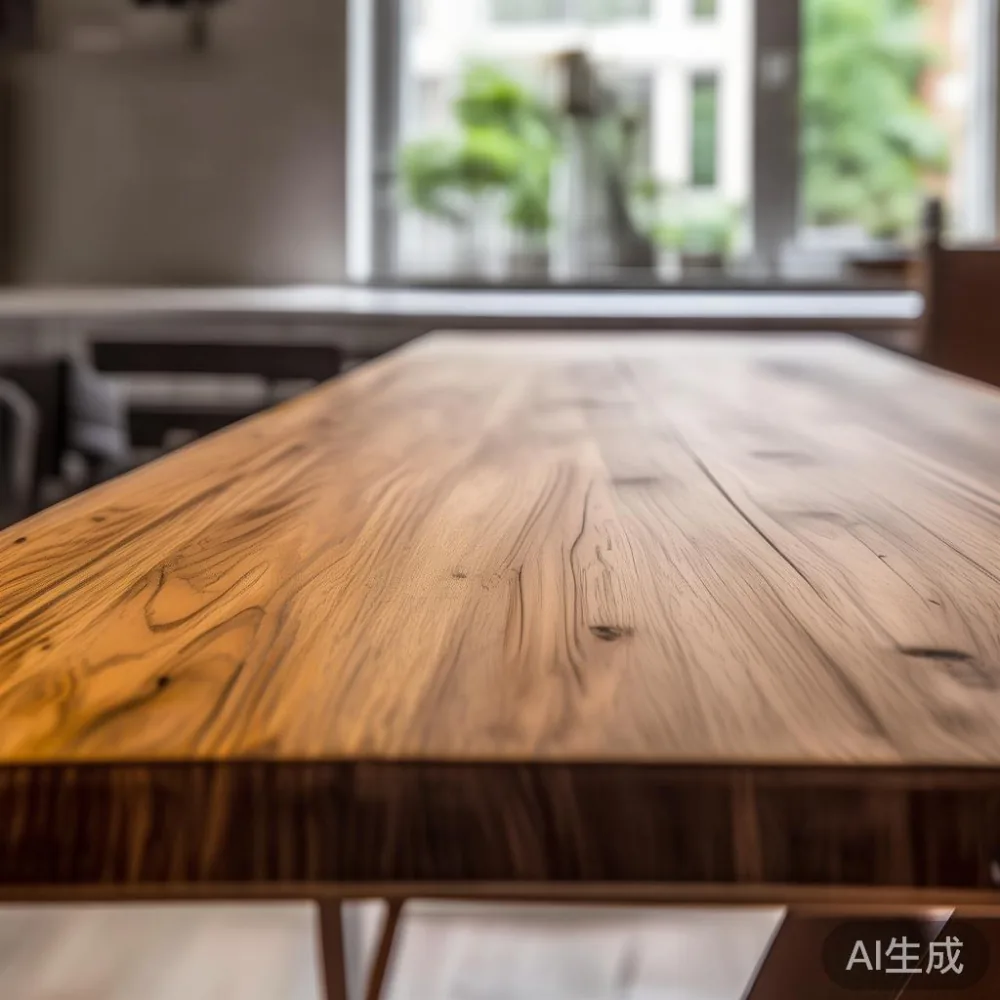
Warm minimalism balances clean shapes with natural texture. Pale walls, a restrained palette and uncluttered circulation provide the background, while oak, walnut, teak or ash grain adds warmth. An extendable table should not disappear into the room entirely; it should offer one convincing material note that links the chairs, sideboard and lighting.
Start with the room's fixed dimensions. For a typical 90 cm-wide dining corridor, a closed table depth of 85-90 cm leaves about 5 cm on each side, which is too little for comfortable chair removal. A 75 cm-deep model is more forgiving. In an open-plan HDB living and dining area, allow at least 90 cm behind seated chairs and 110-120 cm on the main service side where people pass behind diners.
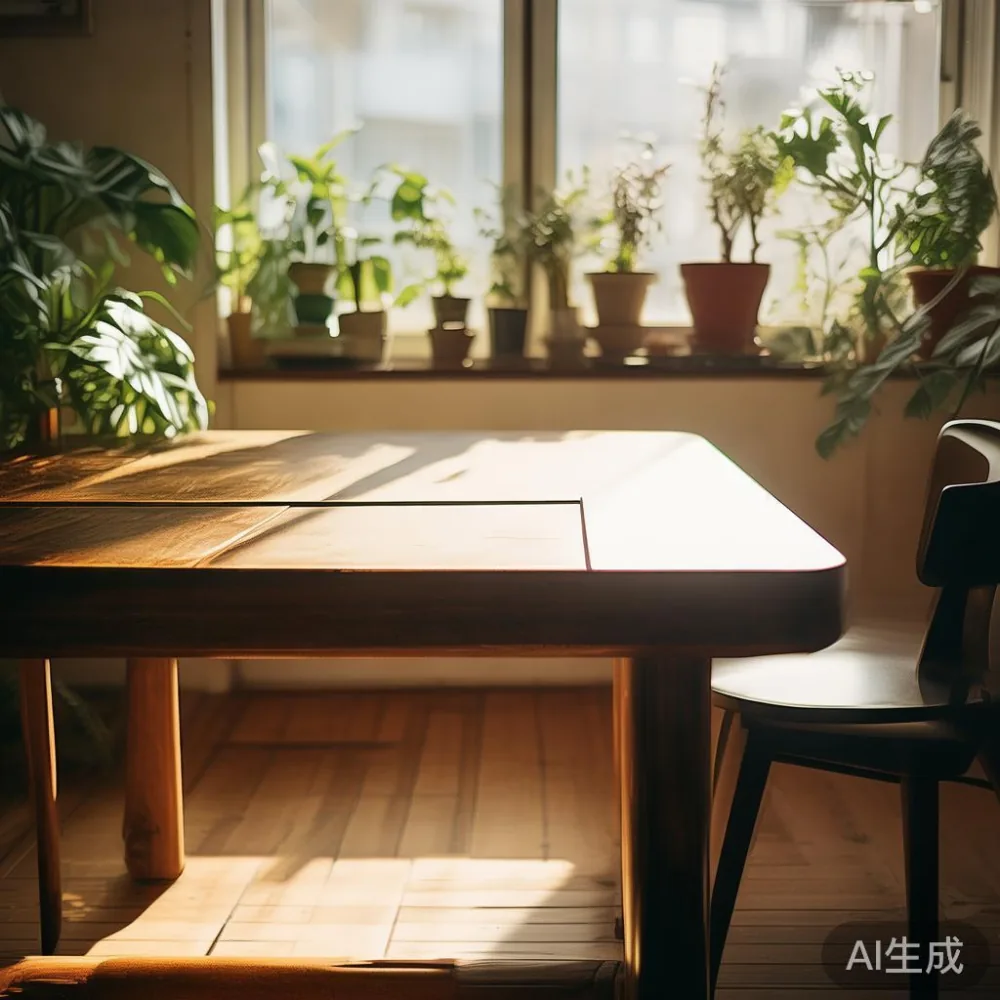
Height matters too. A dining surface at 74-76 cm suits most chairs and gives enough knee clearance for daily meals. Check the opposite wall before choosing an openable design: a folded leaf may project 25-45 cm beyond the closed body during adjustment, so even a compact table needs temporary clearance.
Light-luxury positioning can be subtle. French light luxury might suggest rounded corners, pale oak and elegant profiles, while American light luxury can use walnut, broader forms and stronger joinery cues. Post-modern light luxury often introduces controlled asymmetry or mixed materials. None needs a crowded setting; one extendable table can carry the concept without competing with a solid wood sofa, bed frame, wardrobe, nightstand or nearby marble table.
How do I choose an extendable table for a small HDB dining area?
Begin with the usable footprint, not the largest configuration shown in the catalogue. A family of four often fits around a 120 x 75 cm table, while 130-140 x 80 cm gives more elbow room. Six diners need approximately 150 x 85 cm as a practical minimum, but a compact extendable table may reach that size by opening to 180-200 cm.
Measure the route from the street or service point to the dining room. A boxed tabletop over 180 cm long may be difficult to angle through a 90 cm landing door. A lift measuring 140 cm wide by 110 cm deep can accept some boxed tables, but the carrier must check diagonal fit, door opening and turning space. Add 5-10 cm of tolerance rather than relying on an exact measurement.
For HDB flats near Tampines, request a delivery plan that includes the lift dimensions, corridor turns and any need to unbox at the lobby. Punggol and Bedok access may involve narrower estate corridors, even when the home interior is generous. MIDHILL can quote delivery in Singapore after these checks; a table around SGD 1,200-2,400 before GST should be allowed roughly 7-14 delivery days once production or stock allocation is confirmed.
Also consider who will operate the extension. A well-designed leaf should slide or lift without forcing the timber. Test the action, inspect the catches and ask whether replacement leaves can be ordered later. A 10-year structural warranty can provide confidence, but daily care still matters. Wipe spills promptly, use a stable cloth and keep heat-generating appliances away from the surface.
One useful rule is to buy for the everyday meal, then use the extension for guests. If the closed table feels spacious with four place settings, opens smoothly and remains stable at 180 cm, it is likely to suit an HDB dining area better than a permanently large model.
Which wood tone feels warm without making the room look heavy?
Warm minimal rooms usually need one mid-tone or pale timber with enough visible grain to soften white walls and cool Singapore daylight. Natural oak works well with beige, clay, soft black and sage. Walnut creates a deeper, more American light luxury effect, but it should be balanced by light textiles and reflective metal details. Teak suits humid conditions and develops a rich character, provided the finish is maintained.
Coordinate the table with the room's larger surfaces rather than matching every object. If a solid wood sofa already has a strong honey tone, choose a slightly lighter or cooler table. If the sofa is cream or grey, a medium walnut extendable table can become the dining zone's anchor. Avoid placing a dark marble table immediately beside a dark wood extension; their visual weight may make a compact area feel compressed.
Sample colours under the home's actual lighting. Singapore homes may combine warm ceiling lights with cool daylight from west-facing windows, and a finish that looks beige in a showroom can appear yellow at 7 pm. Ask for physical samples where possible and view them beside white cabinetry, warm plaster and black or brushed-brass fittings.
Scale also influences warmth. A narrow 75 cm-deep extendable table has a lighter visual profile than an 90 cm-deep one. Slim chairs with visible gaps between seats reduce visual density, while a solid wood bed frame or sideboard nearby can provide balance. Keep the extension closed for most days, especially in rooms under 12 square metres, so the room retains breathing space.
Will an extendable table work beside a Japanese-style bedroom?
An adjacent bedroom can shape the dining material palette, especially in an open-plan condo. Low-profile furniture, light walls and simple joinery create a calm relationship with Japanese design. If the bed frame is pale wood, an oak-toned table will feel related without looking copied. Dark accents can be introduced through the floor, lighting or one upholstered solid wood sofa rather than several competing wood colours.
Anyone asking how to choose Japanese bed should focus on proportion, support and room clearances rather than copied motifs. A queen mattress at 152 x 191 cm needs a frame that offers adequate support and enough side clearance for daily use. In a compact condo, an extendable table in the living zone must not narrow the route to the bedroom door or block sliding panels.
The same discipline applies to how to style Japanese bed in apartment settings. Keep nearby surfaces simple, use warm white lighting around 2700-3000K and avoid tall furniture directly beside the headboard. A nightstand with a drawer should sit within easy reach, generally 45-70 cm from the bed edge. The dining table can echo the same clean geometry through straight edges, while a softly rounded extension mechanism introduces contrast.
Post-modern for small living room is another useful direction, but it should remain controlled. A compact rectangular table with one sculptural or contrasting element can offer visual interest without filling the floor. Keep objects to one or two families of forms, and leave a 60-90 cm visual corridor between the dining table and the solid wood sofa. The table then reads as a designed anchor, not an obstacle.
How do I measure access, delivery and installation before ordering?
Create a measurement sheet for the home, lift and corridor. Record the narrowest door width, corridor width, landing turns, lift door dimensions, lift depth and ceiling height. A marble table with a stone top often needs more weight consideration than a timber design, while an extendable table needs enough space to open and close safely. For example, if the closed table is 140 cm and the leaf is 45 cm, confirm that the fully opened surface of 185 cm still leaves 90 cm around the room's main access side.
My colleague visited a furnished Tampines flat last month to check a dining corner that looked generous in photographs. The table fitted the alcove, but the delivery path narrowed to 82 cm at one corridor turn. The original tabletop was 160 x 90 cm and could not be carried through with its protective carton intact. By shortening the model to 140 x 80 cm and unpacking the base outside the unit, the crew completed the move in about 25 minutes. That visit showed why access should be verified before choosing the final extension size.
Singapore GST is 9%. On an SGD 1,600 table, GST adds SGD 144, producing an SGD 1,744 payable total. Confirm whether quoted prices include GST, delivery and installation; tax changes can alter the final figure. MIDHILL provides free shipping for orders over US$350, although the threshold applies to the stated international shipping offer and should not be assumed to replace local delivery checks for a large or heavy table.
Inspect the packed table on arrival. Check corners, leaf edges, catches and finish before the delivery crew leaves. Confirm the assembly method and whether the extension mechanism is already fitted. Allow approximately 30-60 minutes for assembly in most dining rooms, and protect floors with cardboard or a blanket suitable for the timber finish.
What should I buy for the wardrobe and storage around the table?
The dining table should sit in a wider storage composition rather than compete with a tall wardrobe. In a compact Singapore bedroom, that may mean relocating the dining zone to the living area and using a low cabinet in the bedroom. A European wardrobe may offer deeper hanging space and integrated storage, but its external width can reduce circulation if the dining table is immediately outside the bedroom.
For an apartment owner comparing luxury storage, is light luxury wardrobe worth it depends on daily use. A useful wardrobe may have a 55-60 cm depth, soft-close drawers at around 45 cm and hanging sections of at least 120 cm. Pale oak fronts can extend the warm minimal theme, while a full-height mirror can reflect light and make a narrow room feel less enclosed.
A related question, is European wardrobe worth it, is less about origin labels than measurements and hardware. European-style joinery may be attractive, yet a flat-pack unit with weak drawer runners may suit a small apartment better. Check the wall fixing method, door swing and whether the projecting doors approach the table extension zone. Keep a minimum 75 cm passage where cabinet doors open toward a walkway.
The wider phrase is European light luxury wardrobe worth it appears in many showroom conversations, but the practical answer remains room-specific. Refined timber, restrained hardware and internal organisation can create a calm bedroom, yet the storage must still support clothing volume without crowding the dining route. A low nightstand beside the bed and a tall wardrobe on a separate wall usually create a more balanced arrangement.
How can lighting and tableware reinforce a warm minimal look?
A pendant centred over the extendable table gives the dining zone purpose. Hang it roughly 70-90 cm above the surface, adjusting for the shade and bulb so diners do not see a harsh reflection. A 2700K warm-white bulb suits natural oak and walnut; 3000K offers slightly clearer light for evening meals. One sculptural pendant may create post-modern interest, while two smaller fittings can make a 160-180 cm table feel symmetrical.
Use tableware to repeat the room's main colours rather than adding new ones. For a walnut table, choose cream ceramic, muted clay or grey linen. For pale oak, add charcoal, off-white and soft green. Limit the everyday arrangement to one large centrepiece measuring no more than 30 cm in any direction, so leaf movement and guest seating remain unobstructed.
A nearby marble table can provide contrast through veining or polished stone, but keep it in a different zone if both pieces are visually pale and ornate. The same applies to a marble-top console in the living area: match the metal finish of the dining pendant and let the solid wood dining table remain the tactile focus.
Good lighting also reveals how an extendable table is meant to change. When the leaf is closed, the room should feel settled. When it opens for six to eight guests, the extended surface should still allow clear place settings and smooth service. Measure each place setting at roughly 55-60 cm wide and allow extra space at corners, where diners need more elbow room than those seated along the sides.
What if the table, chairs and living room still feel mismatched?
Start by identifying the strongest material and repeating it twice. If the dining table is medium walnut, echo that tone in the solid wood sofa frame or a narrow shelving unit, then keep the wardrobe, nightstand and bed frame in a quieter finish. If no other wood is visible, the table can stand alone, but nearby textiles should carry the warm colour that the timber cannot provide.
Check scale before colour. Chairs with a seat width of 45-50 cm and backs around 85-95 cm high sit comfortably at a 74-76 cm table. Low backs preserve an open view in a small HDB living room. Avoid aligning every edge perfectly; slight variation keeps a warm minimal setting from becoming rigid.
Finally, test the room over a normal day. Keep the extension closed for weekday lunches, open it for a family dinner, and move chairs as guests would. If circulation remains comfortable and the table still feels visually substantial from the doorway, the proportions are working. The correct extendable table is not simply the largest one that fits; it is the one that expands without making the home feel constrained.