Extendable Table Warranty: Decode It Wisely
Buying an extendable table online is exciting, but the warranty can be less useful than it appears. A seller may promise 10 years of structural coverage, yet the exclusions could leave a warped leaf, scratched top, faulty latch or damaged joint outside the claim. In Singapore, a polished product photograph can also conceal how tightly the mechanism fits through a Tampines lift or a Bedok condo corridor. A clear warranty review should answer 3 questions: what is covered, who pays for transport, and what evidence is required?
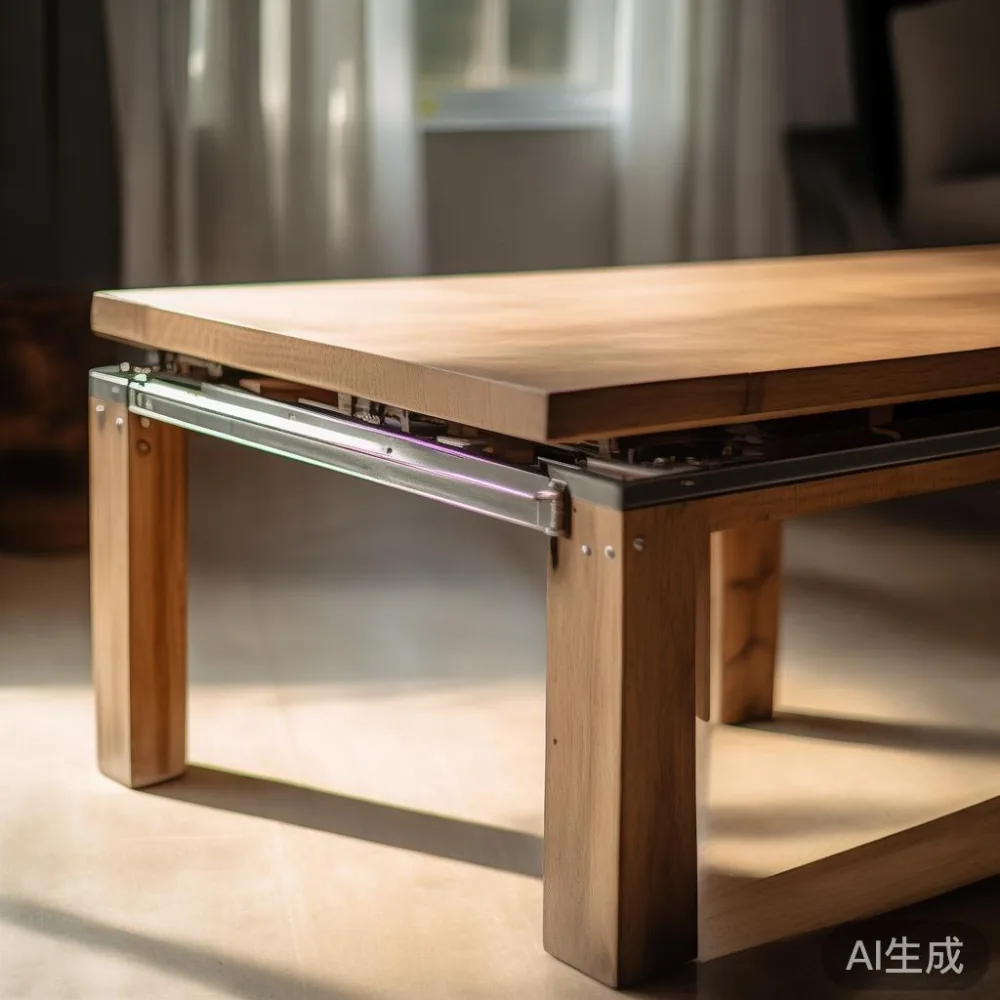
This guide uses extendable tables as the main example, while showing how warranty language applies to related furniture such as a solid wood sofa, bed frame, wardrobe, nightstand and marble table. MIDHILL was established in 2008 and exports to more than 15 countries. Its structural warranty runs for 10 years, with lifetime refinishing, 14-day returns and free shipping on orders above US$350. Even with those headline provisions, buyers should check the detailed terms rather than assuming every form of damage is included.
What does a 10-year structural warranty actually cover?
Start with the definition of “structure.” For an extendable table, this normally concerns the load-bearing frame, joints, legs, aprons and extension rails under ordinary residential use. It is not the same as a promise that every visible surface remains perfect for 10 years. A solid wood dining table may develop colour changes, small movement or minor surface marks because timber reacts to humidity. A marble table may have a different coverage period for its stone top than for its base.

Ask the retailer for the full warranty in writing and identify the covered components. Check whether the table’s extension mechanism is included, and whether the coverage applies only to the original purchaser. Household use in a Singapore HDB flat or condo should normally fall within residential use, but commercial use, institutional use and rental properties may be excluded.
Do not accept “10-year warranty” as a substitute for a component schedule. One table may have 10 years on its solid wood frame, 5 years on hardware and 1 year on finish. If the retailer states that a warranty covers the “entire product,” request the wording that defines that entire product. Be precise about period, trigger and remedy: who assesses the claim, whether repair or replacement is offered, and whether the customer pays for collection or return freight.

For a table designed to extend from 160 cm to 240 cm, loading matters. Ask for the stated load capacity in kilograms, such as 80 kg or 100 kg, and understand whether the rating applies evenly distributed across the extended surface. A test placing 150 kg at the outer edge is not the same as 75 kg on each side. Record the model number, dimensions and finish when making a claim.
Which parts and defects are usually excluded?
Most furniture warranties distinguish manufacturing defects from accidental damage, misuse and normal wear. Scratches caused by moving the extendable table without its locking pins removed may be excluded. Water rings from an unmarked glass, heat marks from a hot serving dish, chips from a knife and stains caused by acidic food are often treated as care issues rather than structural failures. Check whether coasters, trivets and felt pads are required under the stated care instructions.
Watch for clauses involving “minor” defects. A retailer might repair small gaps, hairline cracks, finish inconsistencies and slight movement free of charge, while charging for larger defects. That is not unreasonable, but the threshold should be stated in millimetres or a clear description. Ask how a 2 mm gap differs from a 5 mm gap, and whether colour variation in solid wood falls within acceptable natural variation.
Damage from environmental exposure can also be excluded. Singapore’s humidity and monsoon conditions make ventilation and moisture control relevant, yet direct standing water beside a skirting board is different from normal indoor humidity. Keep the table at least 10 cm from a wall where practical, use an indoor humidity reading below about 70% when possible, and wipe spills promptly. These measures do not replace warranty rights, but they prevent avoidable disputes over care.
Check exclusions for pets, children and heavy objects. A climbing pet may damage a leaf, but a warranty should not quietly shift responsibility for a manufacturing weakness onto the owner. Read the clause on unauthorised modifications. Replacing extension hardware or drilling into the frame without approval may invalidate cover for the affected part, although it should not automatically cancel the whole warranty.
Who pays for delivery, collection and repairs?
This is where warranty summaries often create misleading expectations. A 10-year structural warranty may cover the repair or replacement of a defective component, while the buyer still pays to move the table. A dining table may weigh 65 kg or 80 kg, and a solid wood sofa can exceed 70 kg. Collection therefore needs a real plan: does the courier remove the legs, protect the top and provide a lift booking?
Local delivery terms matter as much as the claim. For a Tampines HDB flat, provide the floor, unit number and lift dimensions. A common passenger lift may measure about 110 cm wide by 140 cm deep, while a service lift may offer roughly 200 cm by 250 cm. Measure doorways, turning corners and the route from the loading area. A boxed extendable table with leaves removed may pass a 110 cm lift; the same table assembled may not.
Bedok and Punggol condo corridors can include narrow turns, glass access panels, security parking and loading-bay rules. If the item is rejected at the lobby because the booked vehicle cannot enter the estate, ask who bears the second delivery attempt. A good policy records the access conditions supplied at purchase and distinguishes a failed first attempt caused by incomplete information from a product defect.
Before agreeing to a repair, ask whether a replacement is available and whether freight, installation, disposal and GST are included. Singapore consumer purchases are subject to GST, so an exchange price may include GST while a later goodwill credit might not. Never accept “store credit only” unless you understand its expiry date, transferability and effect on a 14-day return claim.
What should I do when the table arrives?
Inspect an extendable table before the delivery team leaves, while there is time to photograph the evidence. Check that the model matches the order: closed length, open length, width, height and finish. Extend the leaf several times, align the seams and confirm that each locking mechanism engages. The table should sit level on all 4 legs. A slight rocking test on a flat floor can reveal an uneven foot before larger movement develops.
Use a steel ruler rather than guessing. Measure any gap around a leaf, check the height difference between adjoining sections, and photograph the table from several angles under natural light. Keep a 1-minute video showing the extension and locking sequence. This protects you if the mechanism later behaves differently under load, and it gives the seller a clear record of initial condition.
Check the packaging and retain it for at least 14 days. Unbox in the room where the table will be used rather than dragging an assembled 160 cm piece through a corridor. Photograph the rails, pins, brackets and fixings before installation. If a scratch appears during transit, record it before assembly and notify the seller within the stated reporting period.
Read the care card and download a copy of the manual. Confirm the torque or assembly instructions for leg fittings, and check the warranty’s maintenance conditions. A well-maintained extendable table should be rechecked after its first 30 days, then every 12 months. Tighten or inspect the extension hardware according to the maker’s instructions, and renew any protective treatment if the finish requires it.
Are returns and warranties two different promises?
Yes. A 14-day return policy usually concerns the buyer’s change of mind, over-ordering or a preference that differs from expectation. A 10-year structural warranty concerns a specified defect during a stated period. Keep those timelines separate. The right to return a table because 180 cm is too long for a dining zone does not cancel the manufacturer’s obligations if a later joint fails.
Review the return terms for size, assembly, delivery, restocking and condition. Some sellers deduct return freight, while others absorb it for non-defective returns. A custom-sized extendable table, special finish or made-to-order extension leaf may not be returnable. Damage caused during customer-led return transport is also different from a manufacturing defect.
Keep the receipt, order confirmation and delivery record. Record the purchase date in a calendar, not merely the month, because a 14-day claim can expire on a specific day. Do not confuse the structural warranty period with the period for reporting a defect. Some warranties require inspection within 30 days or 90 days of delivery, even when the claimed repair remains covered for 10 years.
How do I compare light-luxury furniture terms fairly?
Design language should not obscure contractual terms. French light luxury, American light luxury and post-modern light luxury may describe different visual approaches, yet the warranty should remain measurable. A French provincial-inspired solid wood sofa may use carved details and shaped arms; a MIDHILL European light luxury sofa may use cleaner post-modern proportions. Both should have written terms covering frame joints, cushions, mechanisms and finishes.
The comparison is useful when shoppers research phrases such as Japanese sofa vs French provincial sofa, French bed vs Italian light luxury bed, and modern Mid-century modern furniture. These terms help identify shape and style, not warranty quality. Ask each seller the same 6 questions: covered period, excluded parts, evidence needed, freight responsibility, repair or replacement method, and claim response time.
For a bed frame, check that the warranty applies to the slat support and joint system, not just the visible headboard. For a wardrobe, confirm coverage for hinges, tracks and door alignment. For a nightstand, check drawer runners and top surfaces. For a marble table, establish whether chipping, veining variation and top cracks are treated differently from base or joint failure. A solid wood sofa may have separate periods for its frame and upholstery.
Material choices also affect expectations. Solid wood can move slightly across seasons. Stone needs even support and careful handling. Upholstery has cleaning and abrasion limits. Fine appearance does not remove normal variation, but it should not be used to excuse unstable joints or defective mechanisms.
What practical questions should I ask before paying?
Send the seller a short message and keep the reply. Ask: “Does the 10-year structural warranty cover the extension rails and locking mechanism of this extendable table? What is the load rating in kilograms? Are scratches, water damage and movement caused by unstable floors excluded? Who pays for collection and return delivery? Is repair guaranteed, or can I choose replacement? Which documents must I provide?”
Also ask whether the price includes GST. Compare the total in SGD, not only the online subtotal. Confirm delivery days: a standard Singapore delivery might take 7 to 14 days, while a custom finish or special size could take 30 to 45 days. A warranty begins on delivery, receipt or manufacturing completion, and that start date should be explicit.
Check if the furniture is insured in transit and who handles a parcel left in a lift lobby. A short term in an open Tampines corridor can expose packaging to rain or accidental impact. Ask for tracking, a delivery appointment and a condition check at handover.
I visited my colleague’s 190 cm extendable table last month in a Punggol condo and watched the delivery crew remove the leaf before guiding the sections through a 105 cm-wide lift. The care label also gave the extension sequence, including unlocking before sliding and locking after alignment. That 2-minute check exposed nothing wrong, but it showed why assembly instructions and delivery measurements matter as much as the headline warranty.
Keep written communication and use the exact product name shown on your invoice. If a claim is delayed, ask for a case number and the expected assessment date, such as 5 working days. Escalate through the retailer before disputing the outcome. Do not repair or alter the item unless the seller authorises it in writing, because unauthorised work can complicate the claim.
What does a good warranty look like in plain language?
A useful warranty should state 10 years of structural cover, define the structural parts, identify separate coverage for hardware or finish, and set out the claim process. It should say whether the remedy is repair, replacement or refund and who bears transport. It should also preserve a 14-day return process where the item has not been used beyond inspection.
Look for a support channel that reaches a person, a response period and a record of each claim. A long PDF can still be difficult to apply if it contains vague phrases such as “wear and tear from improper use” without examples. Ask the retailer to identify which clauses apply to common situations: a cracked extension rail, a loose mortise-and-tenon joint, a failed latch, a chipped marble edge or a finish scratch.
Some shoppers use a 3-column checklist: cover, claim and cost. Under cover, record the years and components. Under claim, record the evidence and deadlines. Under cost, record labour, freight, GST and disposal. This keeps a 5-year hardware clause from being mistaken for a 5-year blanket coverage, while also preventing a 10-year frame warranty from being reduced to a 30-day reporting window.
Finally, confirm after-sales support beyond the claim itself. MIDHILL’s lifetime refinishing service can help maintain a solid wood dining table or extendable table over time, but confirm whether the service includes collection, transport, recoating and GST. Clarify whether refinishing restores an approved finish or changes the original colour, and whether only the original purchaser may use it.
The safest purchase is not simply one with the longest printed warranty. It is one with clear components, realistic exclusions, transparent freight costs and a practical return route. For an extendable table, match the warranty to the mechanism, record the condition on arrival, and keep your evidence. That preparation takes perhaps 20 minutes and can prevent a frustrating dispute years later.