Extendable Tables: Solid Wood Price Insights in Singapore
Furniture pricing can look deceptively simple online: one product, several figures, and a delivery promise. Yet the number on the quotation is usually the result of decisions involving timber grade, board dimensions, joinery, hardware, finishing, packaging, and logistics. For Singapore households, those decisions also have to respect compact HDB flats and condos, where a dining table must pass through a lift, turn along a corridor, and still function well after Sunday lunch.
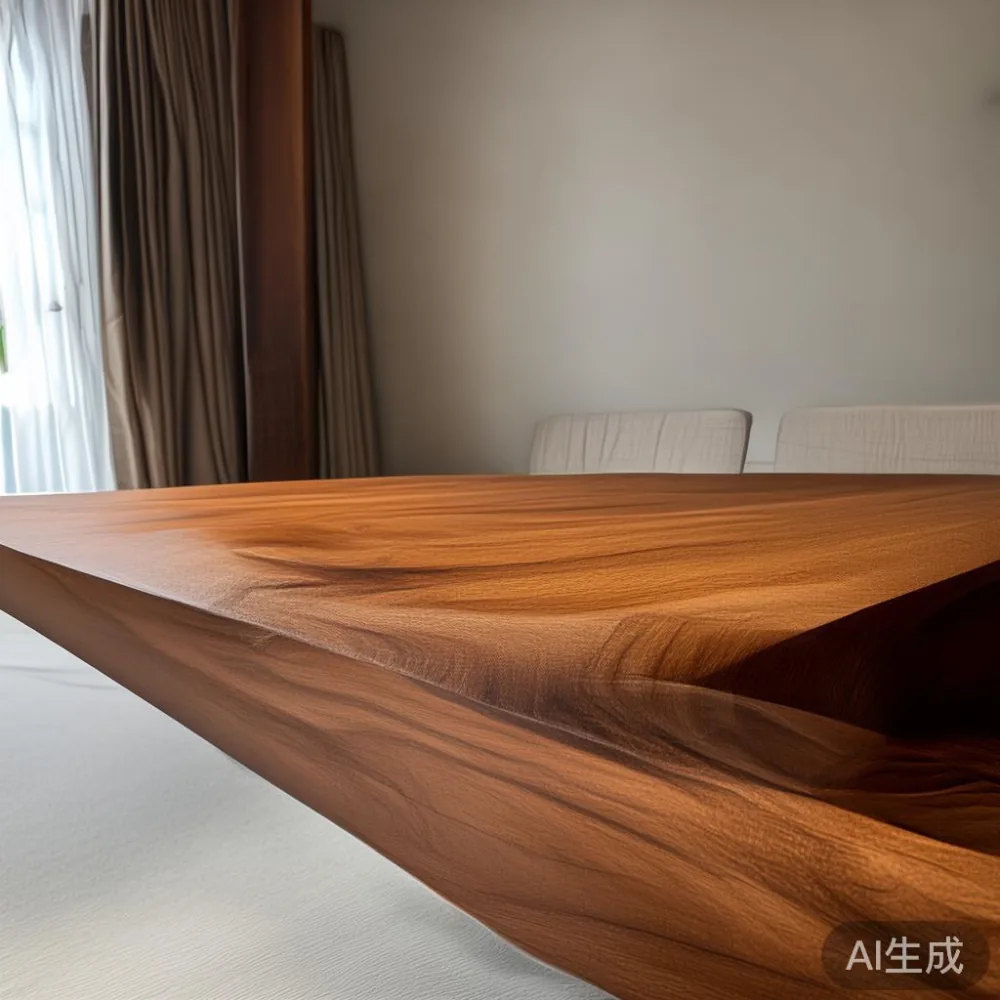
This guide examines the cost of solid wood furniture using extendable tables as the main example, while comparing the same pricing logic across a solid wood sofa, bed frame, wardrobe, nightstand, and marble table. It also explains how GST, access restrictions, and local service expectations affect the final amount. MIDHILL has manufactured solid wood furniture since 2008, exports to more than 15 countries, and backs its construction with a 10-year structural warranty. Its practical approach is useful context, not a substitute for checking the specification of an individual product.
Why does a solid wood dining table cost more than a similar-looking table?
The price of a dining table is not determined by appearance alone. The first cost is the timber itself, but the amount and quality of wood used can vary dramatically. A solid wood dining table made from 20–25 mm boards requires more material than one built with thinner components. An extendable table may also require two leaves, nested support frames, alignment hardware, and extra machining, so its material and labour costs exceed those of a fixed 160 cm table.
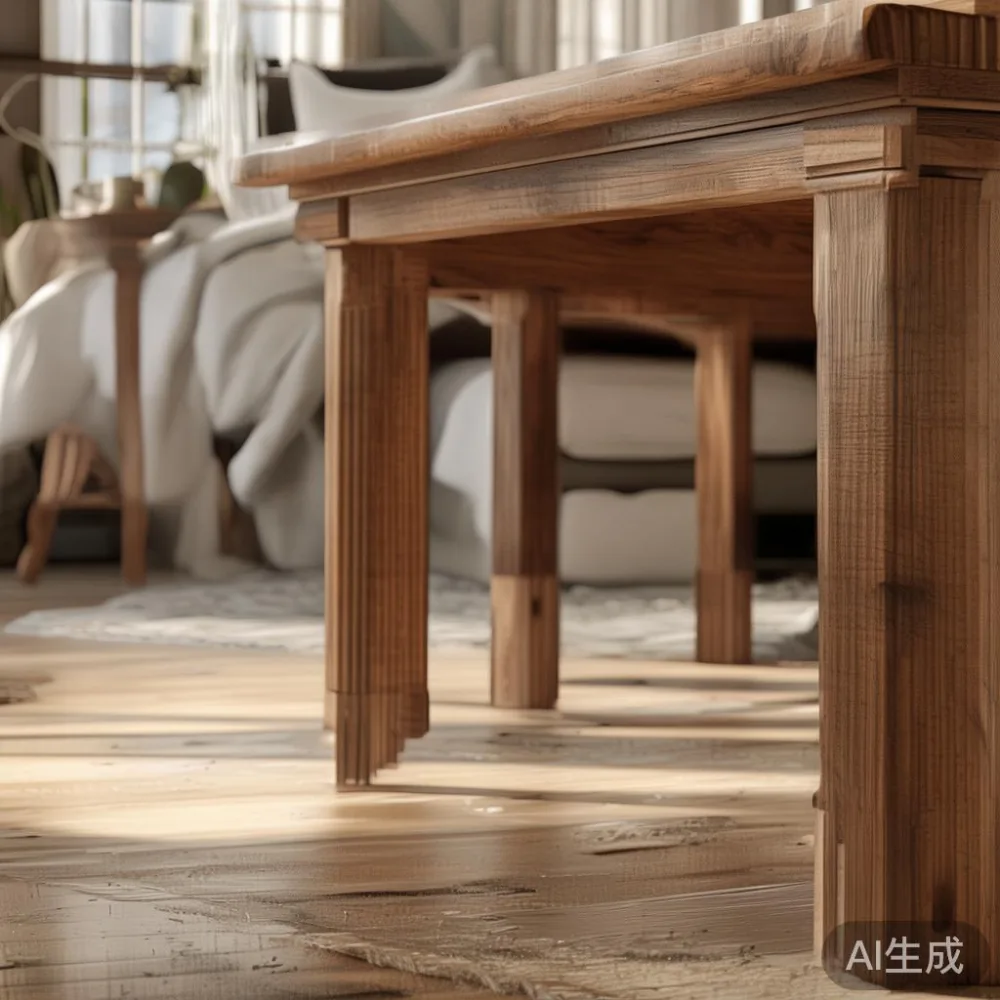
Species matters as well. White oak, walnut, teak, ash, and rubberwood have different raw-material prices and working characteristics. A dense hardwood may cost more because each cubic metre is expensive and difficult to machine. Reclaimed or specially selected timber can carry a premium too, particularly when its moisture treatment, grading, and matching add labour.
Marketing language can obscure these differences. “Solid wood” may describe the visible frame while some internal components use engineered board, plywood, or metal. That is not automatically poor construction; a well-designed mixed build can control movement and cost. However, the customer should ask for a drawing and a material schedule rather than relying on a broad product label.

For a Singapore home, a 180 cm fixed dining table often suits a 12-person gathering only when circulation space remains workable. A 140 cm extendable table that opens to 220 cm can be more useful in a compact dining zone. The table may cost more than the fixed model, yet the home may avoid buying a larger number of chairs or relocating the dining function to another room.
How much do joints, hardware, and finishes add to the price?
Joinery determines how much labour goes into a table. Mortise-and-tenon joints, dovetails, dowels, and bridle joints take more preparation than simple screws into factory-drilled holes. A hand-finished corner can require another 60–120 minutes of fitting. These methods can matter for an extendable table because the leaves must remain stable while the frame expands and contracts with humidity.
Hardware is a small line item in the quotation but a meaningful part of the experience. Quality runners, cam locks, hinges, and locking pins may add SGD 35–180 to a table. For a wardrobe, premium drawer runners can add SGD 90–350 per drawer set. For a solid wood sofa, the frame, suspension, and upholstered components represent a larger share than decorative timber. The customer should understand which hardware is included and whether replacement parts remain available after 5 years.
Finish also has a labour cost. Oiling, waxing, and hand-rubbed matt finishes generally require several preparation and application coats. Lacquer, stain, and catalyzed finishes can produce repeatable colour with fewer visible brush marks. A natural oil finish may need maintenance every 12–24 months, depending on use and cleaning. MIDHILL offers lifetime refinishing, which can reduce long-term ownership costs, although the customer remains responsible for suitable care and transport.
Colour consistency should be judged on a physical sample whenever possible. Screen colours vary, and a single board may show 5–15% tonal variation. French light luxury often favours pale oak, cream, and softened taupe; American light luxury leans toward warmer walnut tones; post-modern light luxury combines restrained profiles with visible grain and carefully selected contrasts. None of those labels tells you whether the finish is 2, 4, or 6 coats.
What does an extendable table add that a fixed table does not?
An extendable table must do two jobs: remain stable when closed and behave properly when open. That requires leaf storage, support under the extension, locking alignment, and clearance around the mechanism. A 140 cm table may extend to 200 cm, while a 160 cm unit may reach 220–240 cm. The closed and open dimensions should appear in the specification because confusing them can lead to a poor purchase.
In a new Tampines HDB flat, the dining area may measure only 2.4 m by 2.8 m. A table that opens to 220 cm leaves 1,000 mm of total circulation space if placed along a wall. A fixed 180 cm table occupies 300 mm more at full length, but it may remain usable every day without the daily effort of opening and closing it.
Access can be more restrictive than the room itself. Older HDB lift openings are commonly around 900 mm wide, with door depths near 1,100–1,300 mm, although building-specific measurements must be checked. A table shipped in one long carton may not fit even if the assembled table would. Modular tables with detachable legs and split leaves can solve this, yet more joints can introduce more assembly time and alignment requirements.
Corridors may include a 90-degree turn, skirting boards, and a fire door. A 180 cm one-piece top may need to be tilted vertically, which is difficult if it weighs 42–65 kg. Two-piece tops weighing 22–34 kg each are often easier to carry. The quotation should disclose packed dimensions, not merely the assembled dimensions. For shoppers comparing options, a clear answer to where to buy wardrobe from MIDHILL should include the same access information, because a wardrobe carton is typically heavier and taller than a table carton.
I tested an extendable table last month in a Bedok condo with a 1,050 mm lift door and a tight corridor turn. The closed top measured 150 cm and weighed 31 kg; the fully extended size was 225 cm, with two 37.5 cm leaves. Each leaf could pass through the lift diagonally, and the frame locked with visible alignment marks. More importantly, the extension did not rock when loaded with six dinner plates. That physical check revealed more about usable quality than a photograph or a generic “solid wood” label ever could.
How do Singapore delivery, GST, and returns affect the final price?
Singapore prices normally include GST at 9%. If a table is listed at SGD 2,900 before tax, the payable amount is SGD 3,161. Some retailers absorb GST into the displayed price, so shoppers should verify whether the figure is tax-inclusive. This distinction is especially important when comparing a solid wood bed frame at SGD 2,400 against a marble table at SGD 2,650: the net timber product is not necessarily the same.
Delivery is another factor. A local furniture retailer may use its own van and two-person carrying service, while a cross-border seller may use consolidated sea or air freight followed by a local forwarder. Sea freight can take 25–45 days after production; air freight may take 7–15 days but cost considerably more for a 60 kg package. White-glove delivery to the lift lobby might add SGD 60–120, with room placement or assembly costing another SGD 45–150.
MIDHILL provides free shipping above US$350, but international shipping is different from local doorstep delivery in Singapore. A buyer should confirm whether the final Singapore amount includes customs treatment, import handling, lift delivery, and assembly. A 14-day return window can provide useful protection, yet the condition requirements, restocking charge, and return freight for a bulky dining table must be read carefully.
Measure doors before ordering. Allow at least 20–30 mm clearance on narrow approaches, and check whether the lift has a height limit near 2,000–2,100 mm. A tall wardrobe may need to be delivered flat and assembled inside the bedroom. It is sensible to photograph the lift number plate, lobby route, and turning points, then send those images to the supplier before payment.
Which product categories have different cost structures?
A solid wood dining table is dominated by timber, board thickness, and extension engineering. A solid wood sofa combines the timber frame with foam density, spring or webbing suspension, fabric, stitching, and labour. A product using a solid wood sofa frame does not automatically use solid wood upholstery or internal filling. Ask whether the visible frame, back supports, seat supports, and legs are timber, plywood, metal, or mixed materials.
A bed frame depends on timber sections, slat spacing, centre support, joint design, and floor clearance. For a Modern light luxury bed, customers may notice the softly upholstered headboard before inspecting the frame. A queen bed using 12–15 solid slats may cost more to manufacture than one with 8–10 wider slats, although slat material and spacing should suit the mattress.
A wardrobe has a different balance. The carcass, doors, drawer boxes, runners, hinges, interiors, and installation can each carry separate costs. Flat-pack construction can reduce freight volume, while a fitted wardrobe requires more labour and careful site measurement. Ask for internal dimensions, hanging space, shelf loading limits, and whether wall fixings are included.
A nightstand is smaller, so freight can represent a larger proportion of its retail price. A compact 45 cm model may sell for SGD 390–780, yet a 14 kg parcel with protective packaging may still cost more to ship than the wood itself. A marble table introduces another variable: slab thickness, veining, resin treatment, edge profile, and support engineering. A 12 mm marble top weighing 38 kg can require a reinforced base and careful handling, while a 20 mm slab is heavier and costlier to transport.
Material style can influence labour but should not be mistaken for quality by itself. Searches for top 10 Post-modern furniture may produce sculpted silhouettes, mixed materials, and decorative forms. Industrial for dining room usually means visible metal frames, darker finishes, and solid-looking proportions. Japandi for dining room emphasises clean lines, pale timber, and functional restraint. For a complete bedroom, how to style Japandi bed in room usually starts with low visual clutter, warm neutral textiles, and a bed frame whose grain remains visible rather than being hidden beneath heavy decoration.
How can you compare two quotations without being misled?
Compare quotations using the same information template. Record the material, board thickness, dimensions, extension range, joinery type, hardware brand, finish coats, packed weight, assembled weight, delivery days, GST treatment, warranty years, and return terms. If one quotation lists “oak dining table” and another lists “solid oak, 25 mm top, 80 × 40 mm legs, 220 cm extension, mortise-and-tenon frame,” the second offers more useful evidence even if its price is higher.
Ask for photos of the underside, extension mechanism, end grain, drawer interiors, and packaging. Look for telltale shortcuts such as particleboard backs, MDF drawer bottoms, blackened hardware, or a finish that looks unusually uniform. A factory source can explain its process, but origin alone does not replace inspection. Buyers researching a Foshan factory should compare samples, visit when practical, and check whether quoted specifications match the production model.
Design trends should guide enjoyment rather than dictate the specification. French light luxury, American light luxury, and post-modern light luxury can all work in Singapore, but their shared advantage is controlled detail rather than excessive ornament. For an extendable table, the key features remain a stable frame, smooth movement, secure locks, a finish suited to tropical humidity, and dimensions that fit the actual route into the home.
A useful price is not simply the lowest number or the most decorative number. It is the amount required for the materials, construction, finish, logistics, protection, and service the customer actually needs. A SGD 1,690 extendable table with a documented 25 mm top and a 10-year structural warranty may represent a different purchase from a SGD 1,490 table with unspecified board thickness. Compare the complete specification, calculate the 9% GST, and account for at least 10–15 cm of access clearance. That process makes the quotation easier to understand and the final furniture choice much more likely to serve the home well.