Extendable Table Warranties: A Guide
A solid wood dining table may look permanent, but an extendable table contains moving rails, locking hardware, alignment points and several joints that deserve more care than a static table. A useful warranty should tell you who is responsible when a rail loosens, a leaf warps or a delivery crew damages a leg. It should also make clear which costs are covered, how a claim is opened and how long you have to report the problem.
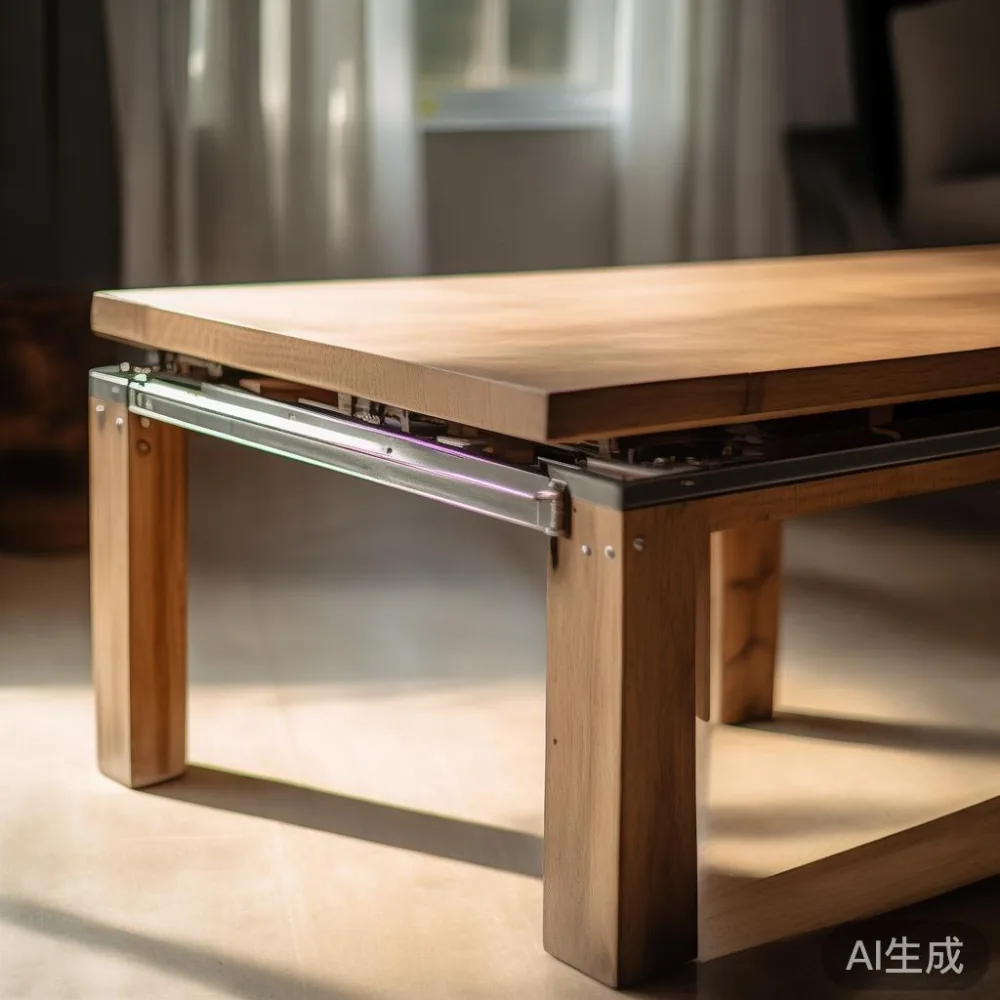
For Singapore households, those details matter. A dining table must fit through the HDB lift, turn along a corridor and negotiate a condo doorway before the final assembly begins. A warranty cannot compensate for a table that was never safely delivered, but it can protect the construction once the table reaches its intended room. Below is a practical way to examine the fine print, with measurements, prices and examples for Tampines, Bedok and Punggol homes.
What does a solid wood furniture warranty actually cover?
Start by separating structural coverage from surface coverage. A 10-year structural warranty generally refers to load-bearing components such as the table frame, apron, legs and extension mechanism. It is not automatically a promise that every scratch, stain or movement will be repaired free of charge. Read the definition of “defect” and “structural failure” before assuming that a visible split qualifies.

For an extendable table, ask whether the warranty includes the rails, slides, locking pins, centre support and fastening system. A warranty covering only the timber could leave SGD 80 to SGD 300 of hardware work outside the claim. In American light luxury, this level of specification is especially important because narrow extension rails and precisely fitted components are central to the table’s appearance.
Surface finishes have their own limits. Water rings, heat damage and movement caused by humidity may be excluded even when the underlying wood remains sound. Ask which coating is used, whether it is solid lacquer or a thin factory film, and how many refinishing services are included. MIDHILL offers lifetime refinishing, so confirm what that includes: colour matching, one refinishing cycle or unlimited future services.
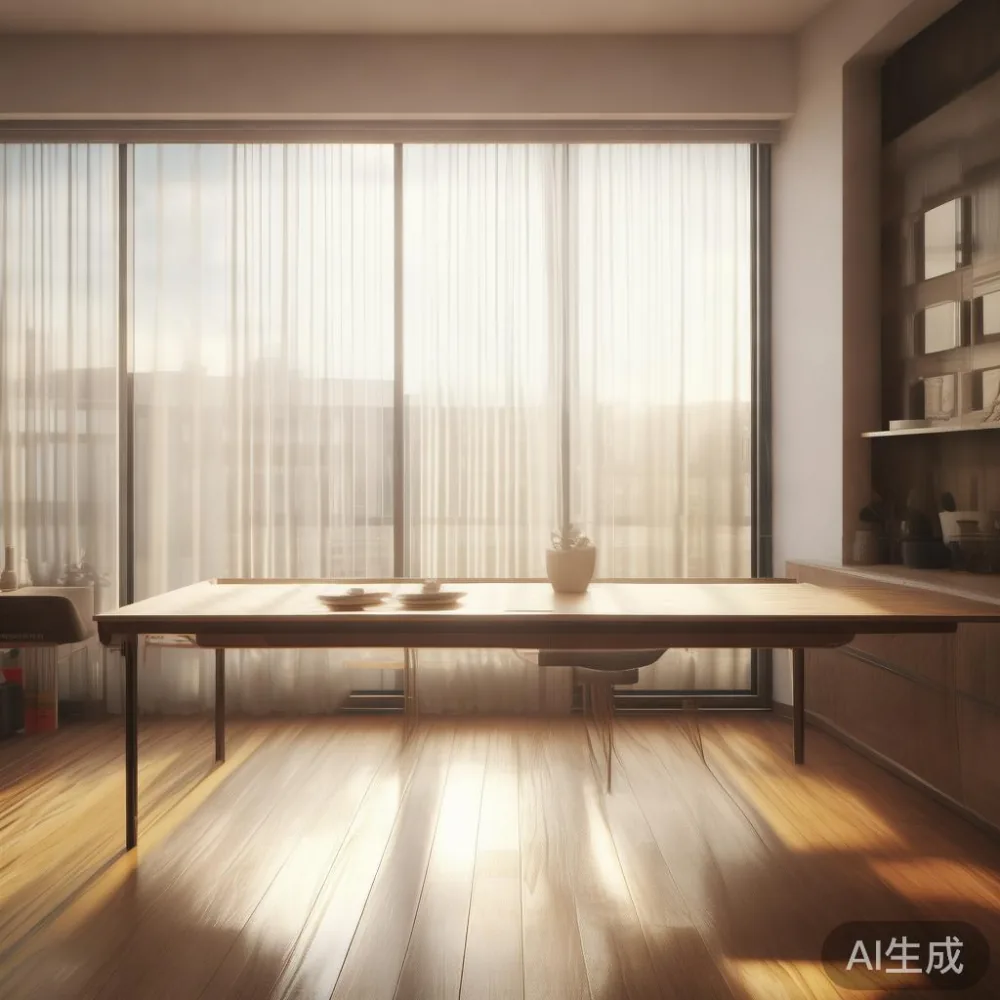
Keep photographs of the table from the day it arrives. Capture all 4 sides, the underside, the extension rails and each locking point. Save the invoice, warranty document and delivery record in 1 PDF file. If an issue appears 6 months later, dated evidence makes the process clearer.
Is a 10-year structural warranty enough for an extendable table?
A 10-year term is meaningful if the claim rules match the product’s moving parts. For an extendable table used daily, the extension mechanism can see more mechanical stress than the fixed frame. Confirm that the company treats rail alignment, locking performance and component failure as structural defects rather than accidental damage.
The warranty should also explain expected movement. Solid timber can expand or contract as humidity changes. Singapore’s year-round conditions may cause a leaf to develop small gaps or a panel to move slightly if the table is repeatedly opened near a window or air-conditioning outlet. A fair policy distinguishes manufacturing defects from normal seasonal movement with tolerances such as 2 to 4 mm.
Check the claim timeline. A 10-year warranty can still be difficult to use if damage must be reported within 7 days. Look for at least 30 days to report visible defects, with a reasonable period thereafter once the company acknowledges the claim. Understand whether a replacement part is supplied, whether labour is covered and whether repeated visits are chargeable.
My colleague received an extendable table last month in Tampines, after the 180 cm closed body was checked through a 110 cm lift opening. One rail felt slightly stiff at 90 cm. I watched him operate it 12 times and found that the locking pin engaged fully each time, although the manufacturer tightened one washer before delivery. That adjustment and the confirmation that the locking system was covered mattered more to me than a broad promise on the brochure.
Who pays for delivery, assembly and damage before ownership transfers?
Warranty responsibility often changes at the threshold of the home. Read the delivery section line by line. Identify the point at which risk passes from the retailer or carrier to the customer. It may be after the table is delivered unassembled, after assembly, or after a damage inspection is signed.
Before buying an extendable table, measure the route rather than only the dining room. For a typical Singapore HDB flat, allow for a 90 cm lift door, a 100 to 120 cm corridor and a 80 to 90 cm room entrance. A 160 cm extendable table may leave the home in 2 or 3 cartons, but one assembled section could still exceed the lift depth. Ask for the largest carton dimensions and gross weight, not just the table dimensions.
At a Bedok condo, a freight lift may open directly onto a wider lobby, yet the final turn into the dining area can be tighter. At Punggol, a ground-floor unit may make carrying easier, but parking distance, stairs and wet weather still matter. Check whether the delivery team carries the package beyond the lift, removes packaging, assembles the extendable table and removes the cartons.
Compare the charges in SGD. A delivery fee of SGD 35 to SGD 80 is normal for a large item in some routes; stair carry can add SGD 20 to SGD 50 per flight. A lift surcharge may be SGD 10 to SGD 30. Confirm whether these fees include installation. The advertised free shipping threshold of US$350 may be handled in the local checkout, but Singapore buyers should still check the final SGD amount, including GST and any islandwide or remote-area charge.
Inspect the packaging before signing. Photograph seal numbers and note crushed corners or punctures. If the table arrives with a chipped corner, record it in the delivery note before the crew leaves. “No visible damage on arrival” should not be allowed to overwrite a documented defect.
What should I check before extending the table for the first time?
Give an extendable table time to acclimatise in its final room. Leave it closed and unwrapped for at least 24 hours, following the manufacturer’s instructions. Remove the protective film only after installation so that hardware and surfaces are not marked during movement.
Check the floor. A dining table with a 180 cm closed length may weigh 65 to 95 kg, while a 220 to 260 cm extended version may exceed 120 kg. Confirm the floor load in the product sheet if you are comparing unusual materials. Use 6 to 8 felt pads, each around 2 mm thick, under the legs. Avoid adjustable pads of 20 mm or more unless the frame has matching adjustable feet, because an uneven base can twist the extension mechanism.
Follow the opening sequence. Pull each section evenly, support the leaf and remove the locking components only when instructed. Never force a closed table at an angle. The rails should move in a straight line with no knocking. After extension, seat every locking pin and confirm that the centre support is correctly positioned before anyone sits down.
Ask whether the extension leaves are solid wood or veneered, and whether they are attached with screws, dowels, brackets or clips. A dining table described as solid wood may contain engineered components in the base or extension system. That does not automatically indicate poor construction, but the material sheet should make it clear. MIDHILL can be asked for the exact timber species, moisture range, finish and engineering specifications.
For buyers comparing broader furniture, the same documentation discipline applies to a solid wood sofa, bed frame, wardrobe, nightstand or marble table. A warranty claim becomes easier when the receipt, care instructions, delivery photographs and product specification all agree.
Does the warranty cover an accidental scratch or a chipped finish?
Usually, ordinary wear is separate from a manufacturing defect. A scratch caused by a chair, a ring mark from a hot cup or a finish worn down by daily use may not qualify as structural failure. Ask whether the company provides touch-up kits, repair assessments or a service fee schedule. A minor repair might cost SGD 25 to SGD 60, while refinishing can range from SGD 180 to SGD 500 depending on the table size and colour match.
Accidental damage policies are useful if they have clear limits. Look for the excess amount, whether scratches over a stated length are excluded, and whether the policy includes glass, marble or coated surfaces. A 1 to 2 mm chipped lacquer edge and a cracked support bracket should never be treated as equivalent.
Consumers often compare warranties across different categories. The question of whether a light luxury bed worth it includes more than appearance: examine the frame warranty, slat support, centre support and assembly coverage. The European light luxury bed vs Italian light luxury bed comparison often focuses on design and joinery, but the written coverage should be the deciding factor. Italian light luxury with storage introduces moving drawers and hinges, so check whether those mechanisms are covered for the full stated period.
For a guest room, Italian light luxury for guest room layouts usually require clear measurements and careful access planning. Confirm that a bed frame is delivered assembled or in labelled cartons, and whether mattress removal is included. The warranty should cover structural defects in the frame while making ordinary use and accidental impacts a separate matter.
How do I make a valid warranty claim?
Make the first report in writing. Include the order number, table name, closed and extended dimensions, delivery date, defect location and 3 to 6 photographs. For a mechanism issue, record a short video showing the table closed, the rail movement and the locking action. State clearly whether the table is safe to use.
Ask the company to acknowledge the claim and issue a reference number. A response period of 3 business days is reasonable for initial triage, while parts requiring fabrication may take 2 to 4 weeks. Clarify whether the customer pays to move the table, provides access for a technician or must deliver it to a workshop.
A company may ask whether the table was installed according to the instructions. Keep the manual, tool list and care record. If a rail was modified or a leaf was fitted incorrectly, coverage may change. Make sure that furniture dampers, centre supports and locking pins supplied with the table are retained.
Review the terms for discontinued parts and colour variation. If a replacement leaf is supplied years later, its grain may not match the original exactly. A reputable policy should explain whether matching within a natural variation tolerance is acceptable and who bears the freight cost.
Singapore’s Consumer Protection (Fair Trading) Act can complement a voluntary warranty, but consumers should still use the seller’s stated claim process. Keep records for at least 3 years for a 10-year warranty, because questions about the original sale may arise near the end of the coverage period.
What questions should I ask before paying for an extendable table?
Ask these questions in writing and attach the answers to the order:
1. Does the 10-year structural warranty include the extension rails, locks, leaves and centre support?
2. Is the lifetime refinishing service limited to labour, and how many colour changes or refinishing cycles are included?
3. What happens if a leaf arrives with a 3 mm gap or a rail binds after 2 months?
4. Are replacement parts, labour and return freight covered?
5. How long do I have to report a defect after delivery?
6. Are scratches, water marks, heat damage and movement outside a specified tolerance excluded?
7. Does damage during delivery become my responsibility once I sign the delivery sheet?
8. What are the largest carton dimensions and weights, and are they suitable for my lift and corridor?
9. How many delivery days are allowed after the order is confirmed?
10. Can the table be returned within 14 days, and what condition must the packaging be in?
For a European light luxury dining table, confirm whether “solid wood” applies to the top, frame and leaves or only selected parts. Ask for the timber profile, thickness, extension travel and load rating. A top of 25 to 30 mm may feel substantial, yet the joint system and rail design determine long-term performance.
The phrase MIDHILL dining table review should lead you toward comments about fit, finish and mechanism quality rather than general praise. Review a minimum of 3 independent customer accounts, check recent images and ask for a measurement sheet. Confirm that the 10-year structural warranty and lifetime refinishing appear in the official terms attached to your order.
How can I reduce warranty problems through everyday care?
Use a table mat under hot dishes, place coasters under drinks and clean the surface with a soft, damp cloth. Wipe water promptly and avoid abrasive cleaners. Wipe the top immediately and protect it from prolonged sunlight and strong air-conditioning airflow.
Open the extendable table only when needed. Repeated daily operation increases wear on the runners and locks. Inspect the mechanism every 6 months and tighten fittings only if the manual allows it. Do not sand or oil the timber independently, because an unauthorised treatment can affect the finish warranty.
For under SGD 1,500, a simple maintenance routine can preserve the finish for years. For a table priced above SGD 2,000, record the serial number, retain the original finish sample and photograph the mechanism before assembly. Review the care terms each year and keep the warranty file accessible to everyone using the home.
The strongest warranty is not the one with the longest headline. It is the one that defines parts, exclusions, deadlines, labour, delivery responsibility and claim procedure in language you can understand. If an extendable table is sold with a 10-year structural warranty, lifetime refinishing, 14-day returns and clear delivery terms, you can judge the offer against your home and your actual pattern of use.