Lacquered Extendable Table Maintenance in Singapore’s Humidity
Lacquer can give an extendable table a refined, light-luxury finish, but Singapore’s heat, humidity, UV exposure, and heavy-handed cleaning can make even a well-made surface look tired. At MIDHILL, our extendable table is built around solid wood construction and a 10-year structural warranty, with lifetime refinishing available. That structural confidence does not make the lacquer maintenance-free; it does mean proper care can preserve the finish for many years.
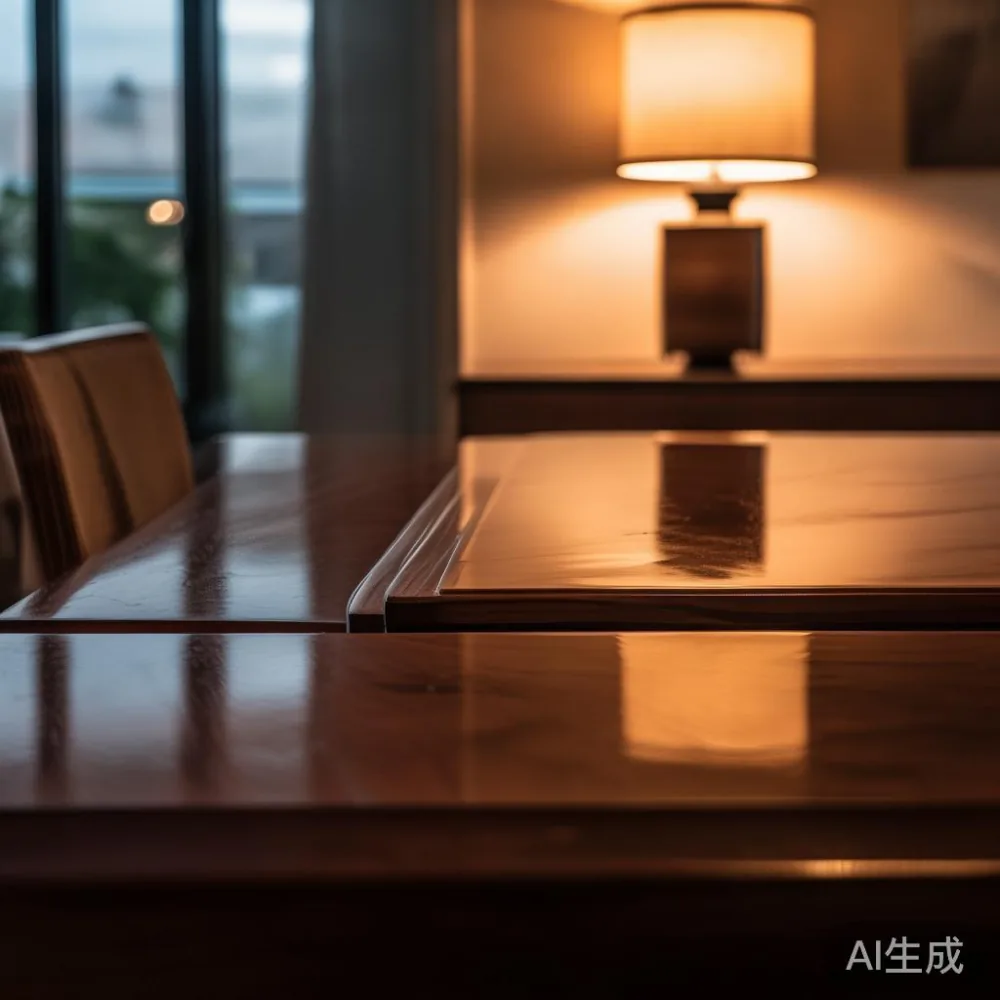
Most HDB dining zones, including flats in Tampines, Bedok, and Punggol, place the dining table close to the kitchen or an open balcony. Those convenient locations also expose the surface to cooking vapour, warm air, damp items, sunlight, and the residue of household cleaners. A disciplined care routine protects both the lacquer and the appearance of the table while helping it remain useful in a compact home.
Why does lacquer need special care in Singapore?
High humidity affects wood by encouraging swelling, movement, and mould growth around vulnerable areas. Lacquer slows moisture exchange, but it is not an airtight shield against every trace of water. Singapore’s year-round relative humidity often sits around 70–85%, while afternoon temperatures can reach 31–34°C. A surface near a balcony may also receive UV exposure of roughly 400–800 microwatts per square metre through glazing.
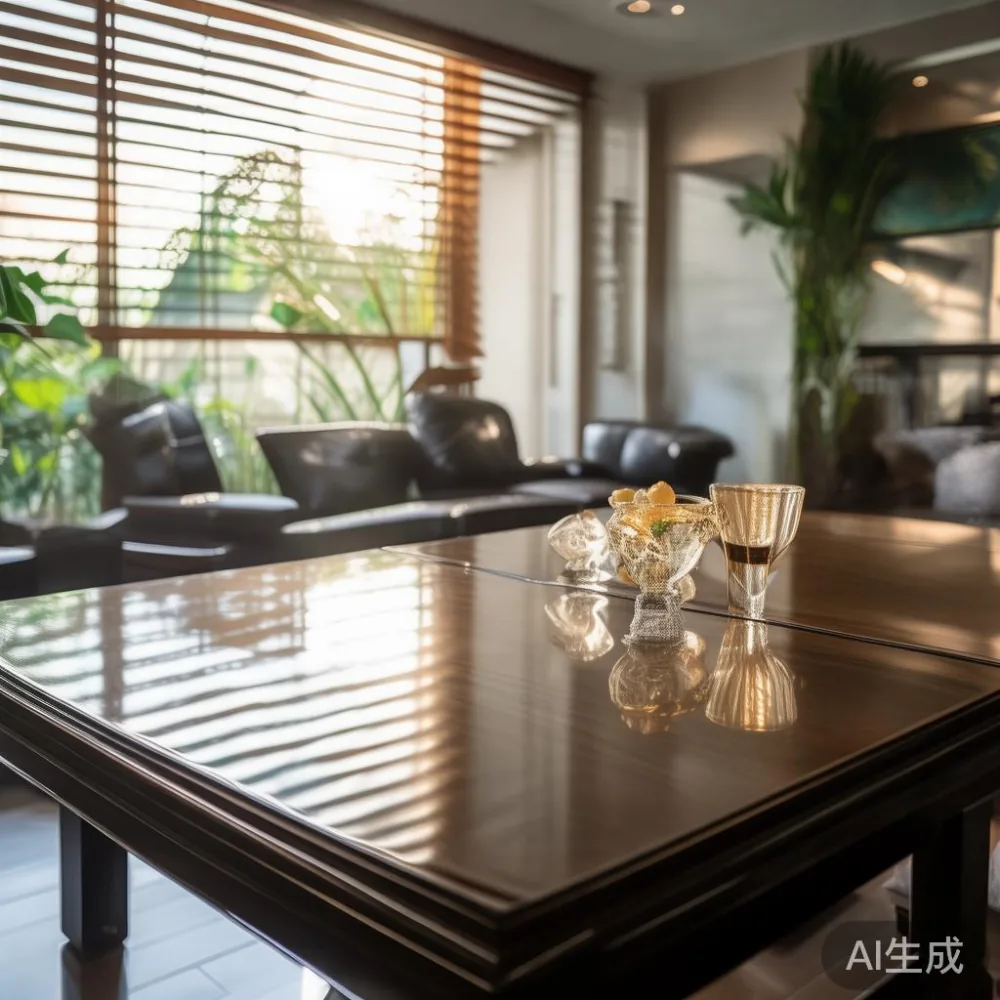
Heat changes the finish more noticeably than a few warm fingers ever will. Placing a hot pot at 80°C directly on the tabletop can soften or distort lacquer even if the base is solid wood. A cold glass with condensation can leave a ring around the rim. Grease from food, yellowing from repeated nicotine exposure, and fine scratches from grit are less dramatic, but they accumulate over 6–12 months and make a pale finish look dull.
Light-luxury design is not only about a pretty initial photograph. French light luxury, American light luxury, and post-modern light luxury often rely on calm colours, visible material quality, and restrained detailing. A lacquered extendable table fits that language when its finish stays even and reflective. In a compact condominium dining corner, the table may visually connect with a solid wood sofa, a bed frame, a wardrobe, a nightstand, or a marble table nearby. Their materials should feel coordinated without demanding identical care methods.
What supplies and habits should a Singapore home keep ready?
Prepare a small care kit with 3 items: a 100% cotton microfibre cloth measuring about 30 × 30 cm, a soft natural-bristle brush, and a pH-neutral wood-safe cleaner. The cloth should be clean rather than merely dust-catching; trapped particles can scratch lacquer. Have 2 separate cloths available, one for dust and one for damp wiping. A plain, unscented product is usually easier to use consistently than several bottles with unclear instructions.
For routine cleaning, dilute 5 ml of suitable cleaner into 500 ml of lukewarm water. Test it on a concealed 5 cm section and wait 24 hours before treating the full surface. Wring the cloth until it is damp, not dripping. Dry the tabletop with a second cloth immediately, because air-drying can leave mineral streaks or a tacky film. Never flood the surface, and never allow moisture to enter seams around the extension leaves or hardware.
Coasters and trivets are inexpensive insurance. Use felt or cork pads beneath vases, hot pans, bottles, and table lamps. A 36 cm round trivet can support typical cookware, while a 45 × 30 cm rectangular mat offers better protection for serving boards. Leave at least 2 cm between a hot vessel and the lacquer edge. Avoid silicone mats that can grip and abrade the finish over time.
Place the extendable table at least 30 cm from an open balcony doorway where possible. If the dining zone receives direct afternoon sun through west-facing glass, use a sheer curtain or UV film that blocks a meaningful portion of the rays. Keep the table away from air-conditioning vents that blow continuously across it, as the rapid moisture cycling can stress wood and finish edges.
How should an extendable table be wiped after every meal?
Clear crumbs with a soft brush or dry microfibre cloth before wiping. This 20-second step prevents sugar crystals, soil, and grit from being dragged across the lacquer. Then use the damp cloth described above and dry the area in one direction. A household spray bottle is not necessary for routine wiping, and sprays around the table can settle into joints and nearby furniture.
For oily marks, apply cleaner to the cloth rather than the table. Use 2 or 3 light passes and then dry immediately. If the mark remains, repeat the process after 10 minutes rather than scrubbing. Abrasive pads, wire wool, magic erasers, and scouring powder can leave permanent matte scratches within minutes.
Spills need prompt action, but “prompt” should not mean aggressive rubbing. Blot tea, wine, soy sauce, or water with a clean cloth. Do not spread the spill toward the edge. For a 30 ml quantity of liquid, firm blotting from the outside inward is normally sufficient. Follow with the damp cleaning routine and a dry cloth.
The extension mechanism deserves equal attention. Once every 2–4 weeks, clean beneath the table and around the slide tracks with a dry brush. Inspect the pull-out sections for grit before moving them. Never force a leaf that does not slide freely, because pressure can chip the lacquer around the opening or damage the alignment system. Check that no damp cloth or utensil rests against the table for long periods.
How often should the surface be treated for humidity and shine?
Wipe the tabletop with the damp cloth every 1–2 weeks during humid periods. Dust the underside and legs with a separate soft brush every 2 weeks. This frequency suits a table used daily by 4–6 people. A less frequently used dining table can follow a 3–4-week schedule, but food residue should still be removed immediately.
Do not add oil, furniture polish, lemon oil, or wax unless the lacquer manufacturer specifically approves them. Some conventional “wood feeds” leave a sticky film that attracts dust and can interfere with the finish’s reflection. Test any proposed product on a 5 cm area for 72 hours, then examine it under side lighting for changes in gloss or colour.
For minor surface marks, use a lacquer-safe maintenance product only after identifying the finish. Apply a very small amount with a clean cloth, buff for 2 minutes, and remove residue. If the mark is deep, has broken through the lacquer, or exposes wood, stop using home treatments. MIDHILL offers lifetime refinishing for its eligible solid wood furniture, so the owner can arrange proper assessment rather than layering incompatible chemicals.
Check after 6 months and again after 12 months in areas with strong sun or kitchen exposure. Look at the finish from different angles under daylight and under a 500-lumen lamp. A healthy lacquer should not show widespread haze, lifting at the seams, blistering, or sticky patches. Localised marks can often be managed separately from a finish that needs professional attention.
What should I do if the lacquer gets stained, scratched, or scorched?
For a fresh stain, remove the residue with the damp-cloth method. If a marker or paint spot remains after 3 attempts, try a cotton swab barely dampened with cleaner, pressing rather than rubbing. Isopropyl alcohol may help with some fresh marks, but it must be patch-tested because it can affect certain lacquers and shellac-based finishes. Use no more than 5 ml, apply it to the swab rather than the table, and dry the area immediately.
For a hairline scratch, a clean microfibre cloth and approved polish may reduce its visibility, but aggressive buffing can create a broad dull patch. For a scratch exposing pale timber, the repair is more involved than filling a chip. Photograph the area in daylight, measure the affected section, and contact MIDHILL for refinishing guidance.
A heat burn should never be rubbed. Let the surface cool for at least 60 minutes, then clean it gently. Blisters, bubbling, or a wrinkled edge indicate finish damage that should be assessed in person. A lacquered solid wood dining table can generally be refinished, but the correct method depends on the coating and the wood beneath it.
Do not apply toothpaste, baking soda, sandpaper, or a sharp blade to the damaged area. Each may sound practical but can abrade the surrounding lacquer. For a high-value dining table, preserving the original finish is usually more practical than attempting an improvised repair.
Can an extendable table fit through a typical HDB or condo access route?
Compactness matters in Singapore because the table must reach its dining zone before it is fully assembled. HDB lift doors are commonly about 90 cm wide and 100–110 cm deep, although specific blocks differ. Internal corridors can be narrower than 90 cm, with turns around 120–150 cm. Measure the narrowest doorway, lift car, landing, corridor bend, and dining position before ordering.
Record the tabletop length, width, and height as packed or partly assembled. A disassembled extendable table may have separate leaves, while a one-piece top may measure 160–180 cm. If a 180 cm top cannot turn through the corridor, ask whether it can be separated into 2 sections. Do not assume that a lift rating alone guarantees passage: the diagonal space inside the car and the movement of the table through the landing doors can be the limiting factors.
For a condo, obtain the loading bay and lift dimensions from the management office. Reserve a delivery time of at least 3 hours for a difficult route. MIDHILL can be asked to confirm the packed dimensions, and furniture above SGD 350 qualifies for free shipping under the stated delivery policy, though lift reservation or special handling may still need checking.
Singapore’s 9% GST is added to displayed product prices unless the seller states otherwise, so compare the final amount rather than the pre-GST figure. It is sensible to protect a newly lacquered table during installation with blankets that do not shed fibres. Remove packaging only after checking the top, edges, extension hardware, and underside for transit marks.
Is a lacquered finish practical for a family dining table?
Yes, when household habits are realistic. Lacquer offers a smooth, nonporous surface that wipes clean more easily than untreated solid wood. It suits a dining table in a Bedok HDB flat where meals, homework, and occasional craft work share the same surface. It also suits a condo dining room where the table visually anchors a solid wood sofa, a bed frame,, or a marble table.
The finish still needs boundaries. Children should use placemats rather than place paper, crayons, or modelling clay directly on the table. Trivets should carry hot dishes, and coasters should carry damp glasses. Cleaning should happen after meals, not during a weekly deep clean. These routines take about 3–5 minutes a day and reduce long-term maintenance to roughly 30 minutes a month.
Buyers comparing broader collections may also encounter questions such as European sofa vs Nordic sofa, or may search for a European light luxury wardrobe and a European light luxury wardrobe concept for a bedroom with high humidity. For project enquiries, wholesale light luxury furniture can be discussed with a supplier that understands both finish care and export packing. A separate bedroom question— is French provincial bed worth it —can be evaluated on frame quality, dimensions, and finish durability rather than style alone.
At MIDHILL, established in 2008 and exporting to more than 15 countries, the emphasis remains on solid wood construction backed by a 10-year structural warranty and lifetime refinishing. A related 2026 buying guide describes the best French provincial bed for 2026, while the dining-room equivalent is a carefully specified extendable table with a finish appropriate to its room conditions. Search for the supplier reference midhillco if project documentation is needed.
What is the simplest care routine for a lacquered extendable table?
Use 4 rules: wipe spills promptly, dust with a clean soft cloth, protect the surface from heat and standing water, and inspect the extension mechanism every 2–4 weeks. Keep a 30 × 30 cm microfibre cloth and a small approved cleaner within reach, but store both away from the dining surface so they cannot introduce grit.
In warmer months, check the table after afternoon rain and before overnight humidity builds. In air-conditioned dining rooms, let the table acclimatise gradually rather than moving it directly from a 31°C balcony corner into a 23°C room. The finish should be treated as part of the dining table, not as a separate object that can tolerate every household shortcut.
With consistent care, a lacquered extendable table can retain its clean lines and light-luxury character across a 5-, 10-, or even 15-year ownership period. Its visual longevity depends less on expensive products than on 3 daily habits: cleaning crumbs first, drying every damp patch, and keeping hot cookware off the surface. Those minutes protect the finish, the solid wood core, and the quiet sense of quality that the table brings to an everyday Singapore home.