How to Choose the Right-Size Extendable Table for a Singapore HDB Living Room
A Singapore HDB living room can look generous on a floor plan yet feel tight once the dining table, sofa, television console and daily traffic are placed together. The right extendable table solves that planning problem without turning the home into a showroom of oversized furniture. Its closed dimensions should support everyday meals, while its extended size should welcome relatives during festivals without blocking the corridor or lift.
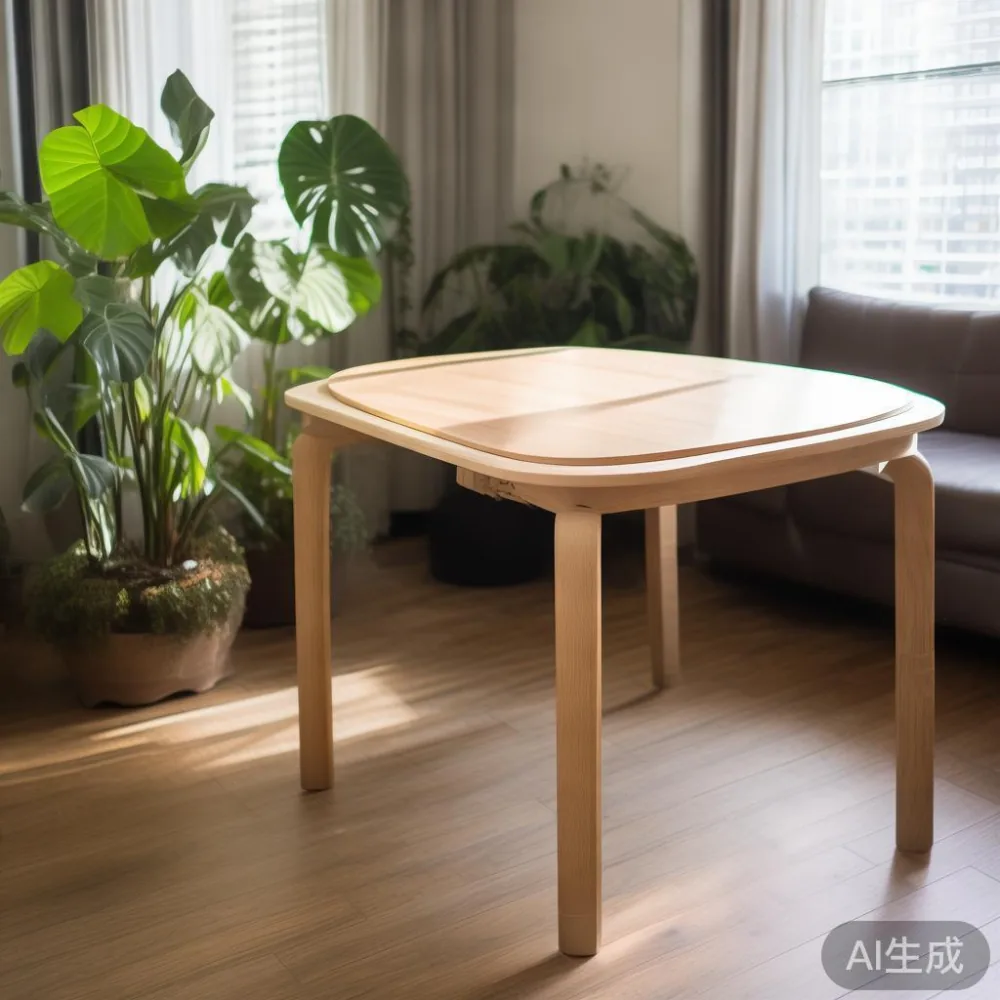
For homeowners in Tampines, Bedok and Punggol, measurements matter as much as style. Ceiling heights, service-lift doors, HDB corridors and the 90 cm clearance commonly required around a dining table can determine whether a product is practical after delivery. Prices, taxes and access should be considered together, including 9% GST and any surcharge for carrying a table above the second floor.
This guide explains how to measure the room, select a sensible extension range and compare solid wood, marble and other dining table finishes. It also shows how French light luxury, American light luxury and post-modern light luxury can be expressed without crowding the home.
What Size Extendable Table Fits a Typical HDB Living Room?
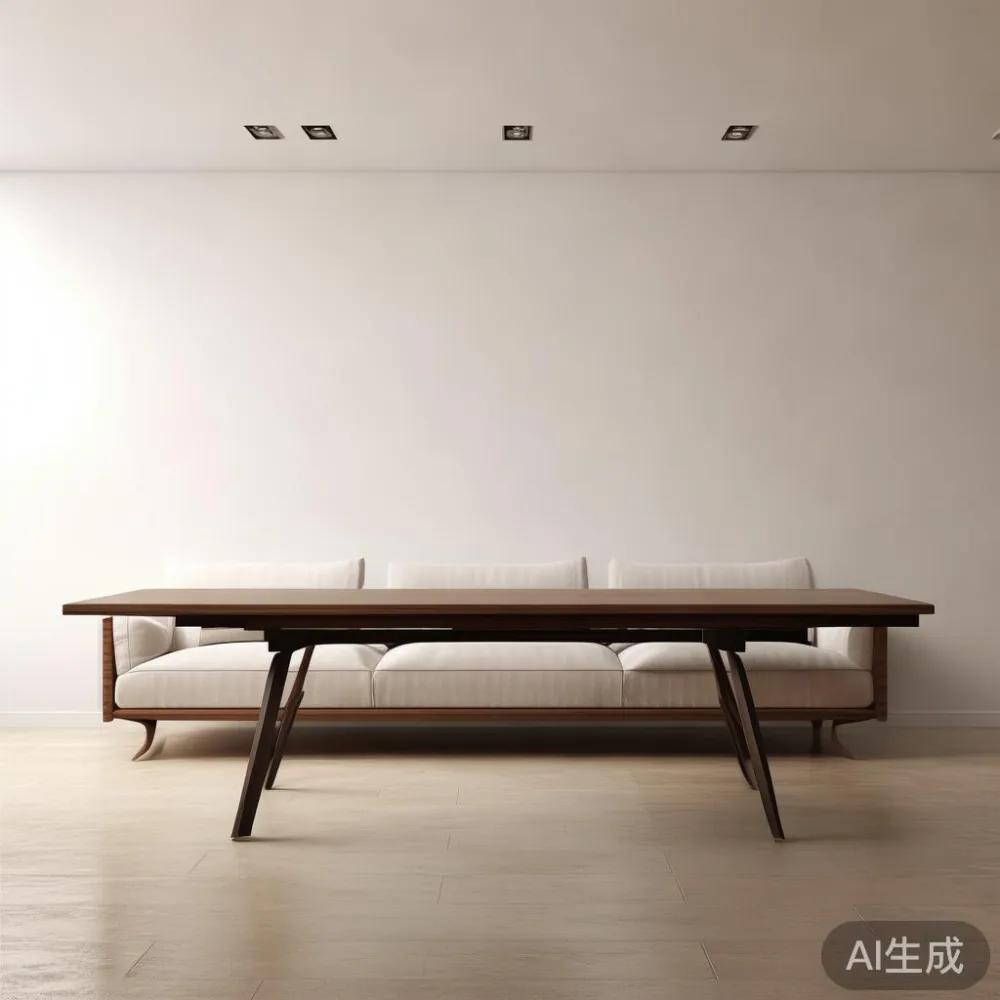
Most 3-room HDB living-and-dining areas have a usable rectangle of approximately 270 × 300 cm, although building layouts differ. Measure the actual floor between the sofa, wall and service ledge rather than relying on the BTO plan. A dining table 160 cm long and 90 cm wide is often comfortable for six people in a compact flat. It can sit beside a 180–200 cm solid wood sofa while preserving a 70–90 cm route around the table.
For frequent entertaining, consider an extendable table with a closed length of 180 cm and an open length of 240–260 cm. The added 60–80 cm can accommodate 2–4 more place settings. However, the open table may need 300 cm of total length in the room. Check that the extended leaves do not press against curtains, the television wall or a nearby dining chair.
Round users should examine diameters rather than rectangles. A 120 cm round table seats 5–6, while a 140 cm round table can seat 6–8. Its curved edge can improve circulation, yet it still needs about 75 cm of clearance behind occupied chairs. Avoid extending a round table if it reduces that route below 60 cm.
Do not confuse seating capacity with comfortable capacity. Allow at least 55–60 cm per person, 30 cm for each place setting and 45–60 cm behind a pushed-back chair. At a 200 cm extendable table, eight diners may fit mathematically but feel cramped if serving dishes occupy the centre.
How Do You Measure an HDB Flat for Furniture Delivery?
Start with the route from the street to the living room. Record the building entrance width, lift-car dimensions, lift-door width, landing turns and corridor widths. A table may pass through a 90 cm lift door when carried on its side, but a marble top can be heavier and more awkward than a solid wood frame. Ask the supplier for the packed dimensions and gross weight, not just the product dimensions.
Useful examples include an 180 × 90 cm extendable table packed at about 195 × 105 × 18 cm and 55–75 kg, depending on the mechanism and timber. Confirm whether the leaves are stored separately or fitted under the tabletop. Separate leaves are usually lighter to carry and easier to align; an integrated sliding extension may be more convenient daily but should still allow the tabletop to be cleaned.
Last month I visited a renovated HDB flat in Bedok with a narrow service lift measuring 91 cm at the door. The owner initially selected a 220 cm fixed dining table, but it could not be tilted safely inside the lift. A 160 cm extendable table with detachable leaves was accepted instead. The closed frame fitted through the 91 cm door, and the two leaves were carried in separate trips. That visit showed why access should be checked before choosing a fashionable length.
For stairs without a suitable lift, measure the stair width, handrail projection, landing depth and ceiling turns. Portable parts should generally weigh no more than 15–20 kg per person. Marble slabs may require 2–4 handlers and a hoisting quotation, whereas a solid wood extendable table with removable sections is often easier to manage.
Is 180 cm or 200 cm the Better Starting Length?
An 180 cm table suits couples, families of 3–4 and living rooms that combine dining with work. It usually seats 6 when each diner has 55–60 cm. The 200 cm option gives a little more elbow room and seats 6–8, but it occupies 20 cm more along the longest wall. That difference can decide whether the sofa can remain on the long side or whether the table must face a window.
Choose 180 cm if the dining zone is approximately 300 cm wide, the nearby sofa is deeper than 90 cm and a 75 cm passage must remain. Choose 200 cm if the room is at least 330 cm wide, the table has a separate serving end and the extension can open into a clear zone. Avoid using the largest possible table merely because the room can technically hold it.
An extendable table should also be checked in its “working” state. If the mechanism needs the leaves installed before use, leave space for the installer. If the extension is stored under the top, check the underside for cross-braces, drawers or a low shelf. Singapore’s humid climate makes airflow around solid wood important, so the table should sit away from a permanently damp wall.
Which Material Works Best in Singapore’s Humid Climate?
Solid oak, ash, beech and teak are common choices for a dining table because they feel substantial and can be repaired. A kiln-dried solid wood top should be stable across seasons. For teak, ask whether the surface is solid teak or veneer over another core; a veneer may have a lower price but different repair options. MIDHILL offers solid wood construction and a 10-year structural warranty, with refinishing support over the product’s life.
A marble table presents a cooler, French light luxury character and reflects light effectively in a compact room. However, marble is vulnerable to impact, acidic spills and heat. A dining table with a marble top should have sealed edges and a protected underside. It also weighs roughly 90–160 kg for a 180 cm unit, compared with approximately 45–80 kg for a comparable solid wood model.
For a warmer post-modern light luxury scheme, combine a rectangular solid wood dining table with softened corners, slim inset details and mixed materials. The dining table can carry the room’s visual weight while a solid wood sofa anchors one side. For a guest sleeping area, furniture references can include Nordic for guest room styling, Italian light luxury for guest room ideas and the best Post-modern wardrobe for 2026, but the living room table should remain the focus.
Finish selection matters in HDB interiors. A light natural oak can make a 3-room flat appear broader, while walnut creates a deeper American light luxury mood. Matte finishes reduce glare and visible fingerprints. Test samples under daylight and at night, and confirm that lacquer, oil or wax maintenance is suitable for your household habits.
How Much Clear Space Should Remain Around the Table?
Plan on 75–90 cm between the table edge and a wall, sofa or cabinet for normal use. This allows chairs to be pulled back and people to pass behind seated diners. At the ends of the room, 90–110 cm is useful because it accommodates both a chair and the hand movement of someone serving food. These figures are practical guides, not building rules.
Mark the proposed footprint with tape or painter’s paper. Include the fully extended size, not only the closed table. Place six paper rectangles of 55 × 40 cm to represent chair positions, then add one or two extra spaces for movement. This simple test often reveals a conflict that a room photograph hides.
Keep at least 60 cm beside the television console and avoid aligning the extended leaf with a high traffic route. In Punggol homes with open dining plans, the table can act as a spatial divider; in older Tampines flats with defined dining alcoves, a compact 160–170 cm unit may create a smoother connection to the kitchen.
Lighting should be tested after the table is positioned. A pendant centred 75–90 cm above the tabletop provides useful task light without causing glare. If a ceiling fixture is already fixed, a portable lamp near the wall may be more suitable than hanging another fitting over a compact HDB room.
What Should an Extendable Table Cost in Singapore?
Budget approximately SGD 1,200–2,500 for a 160–180 cm solid wood extendable table from a regional or direct-to-consumer maker. Larger 200–220 cm units with multiple solid wood leaves or detailed joinery may range from SGD 2,200–4,500. A marble-top dining table can fall between SGD 1,800–4,200 depending on stone, thickness and base design.
Check whether the quoted figure includes 9% GST. Singapore shoppers should compare the final payable amount rather than a pre-tax price. MIDHILL states that free shipping applies above US$350, although cross-border delivery terms to a Singapore address should be confirmed before purchase; a local quotation may offer clearer GST and access arrangements.
The cost also includes movement in the home. Ask whether delivery covers the lobby, lift and room placement, or only curbside drop-off. Upper-floor delivery without a service lift may add SGD 80–250. White-glove assembly can add SGD 50–150, while extra stair carrying may be charged by floor. A 14-day returns policy can provide useful flexibility, though the table’s condition, assembly and return freight should be reviewed carefully.
For a sound comparison, compare the closed length, maximum extension, wood species, top thickness, mechanism and warranty over 5–10 years. A lower sticker price can be offset by veneer surfaces, thin tops or complicated return shipping. Evaluate the whole ownership cost rather than the initial figure alone.
How Do You Match an Extendable Table to the Rest of the Room?
Begin with the sofa because it often defines the room’s depth. A 180–200 cm solid wood sofa usually requires more distance from a table than a 150–170 cm model. Coordinate the table height at approximately 74–76 cm with a standard dining chair seat of 43–46 cm. A round table can suit an L-shaped sofa, while a narrow rectangular table often fits a straight or corner sofa more efficiently.
For mixed-family homes, the dining table may also serve as a work surface. Keep at least 75 cm of legroom and avoid a leaf mechanism that creates a central seam in an awkward writing position. A bench can provide compact seating, but it should not fully replace chairs for long meals if the table has no back support.
Storage furniture should be visually quiet. A tall wardrobe or sideboard can frame the dining zone, while a nightstand can occupy a bedroom rather than narrowing the table route. If visitors stay regularly, a compact guest room setup might draw on Italian light luxury for guest room styling or Italian light luxury for guest room layouts, with practical circulation taking priority over decorative excess.
Broader design references are useful only when they answer a local sizing question. A guide to the top 10 Japandi furniture arrangements can demonstrate restrained pale woods and low-profile forms. Comparing an American sofa vs Mid-century modern sofa can clarify seat depth and visual bulk. Questions such as is American wardrobe worth it help identify storage needs, but they should not pull the living room design away from the extendable table.
How Do You Test a Table Before Ordering?
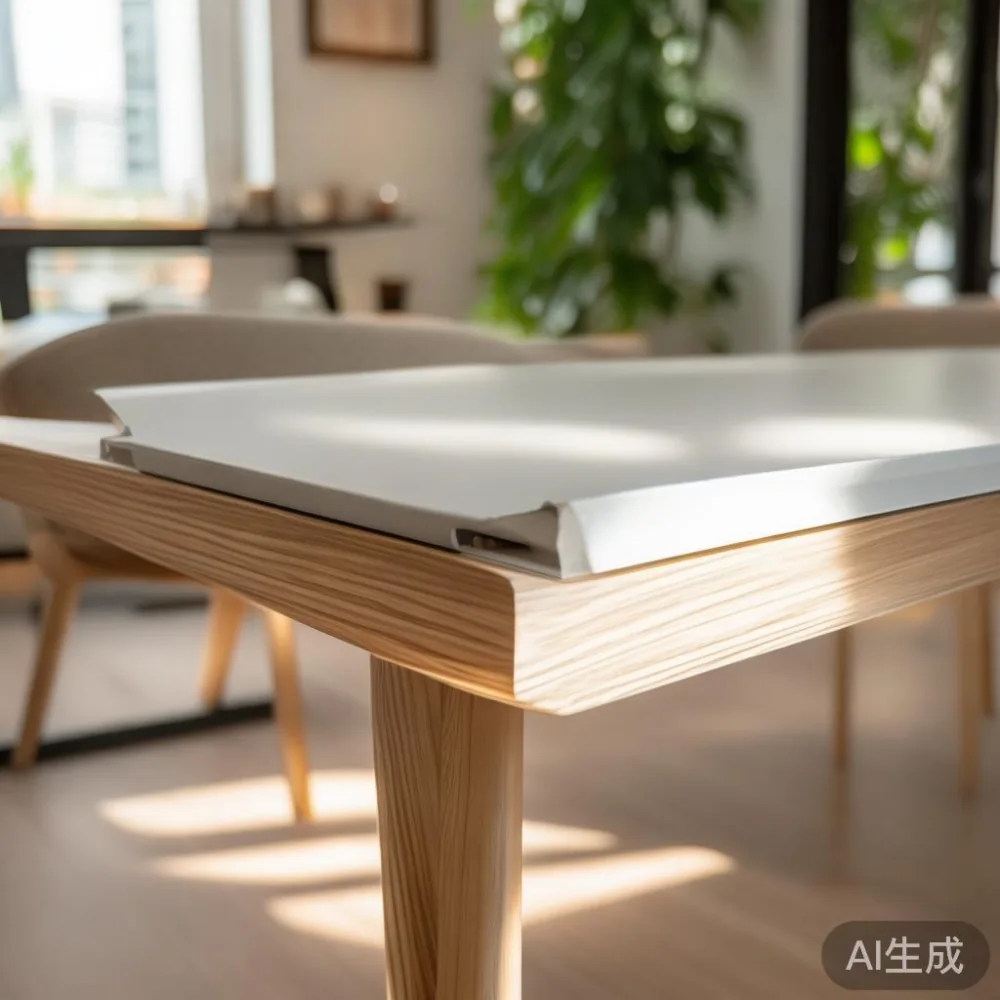
Request the product specification sheet and look for a closed size, open size, leaf thickness, extension method, material, finish, weight and warranty period. Confirm whether “extendable table” refers to sliding, folding, butterfly or separate-leaf construction. For daily use, a centre leaf can add 40–60 cm, while two end leaves can create 80–120 cm of growth.
Ask for photographs showing the mechanism fully extended and the underside. Check that the locking pins or catches are metal and accessible, with no sharp edges exposed. A 10-year structural warranty should cover the frame and extension hardware under normal use. MIDHILL also offers lifetime refinishing, which can extend the usable life of a solid wood surface, although refinishing scope and fees should be confirmed for the specific model.
Before approval, draw the furniture plan at 1 cm scale. Include the sofa, television console, dining table at 180 cm closed and 240 cm open, six chairs and a person-width passage. Stand in the largest position and imagine serving a meal. If the daily arrangement requires constant rearranging, select a shorter extension or another room location.
For delivery, allow 7–21 working days for a made-to-order unit, but confirm the production and dispatch windows in writing. Some stock models arrive in 3–7 days; custom sizes can require 4–8 weeks. Photograph the packed pieces on arrival, check for damage before assembly and retain the packaging for the return period.
The most suitable extendable table for a Singapore home is not the one with the largest open length. It is the one whose closed size feels balanced, whose extension reaches a meaningful 220–240 cm when guests arrive and whose materials, access plan and maintenance fit the way your family actually uses the room.