Extendable Table Match for Cozy Minimalist Interiors
A warm minimal interior is not an empty room. It is a careful balance of pale walls, honest materials, soft lighting, and furniture that feels substantial without becoming heavy. In many Singapore homes, the dining table is the piece that makes or breaks that balance because it occupies the visual centre of the living and dining zones. An extendable table can offer that kind of restraint: a clean-lined wooden surface for weekday meals, then a larger setting when relatives visit or the dining area needs to become a work table for the weekend.
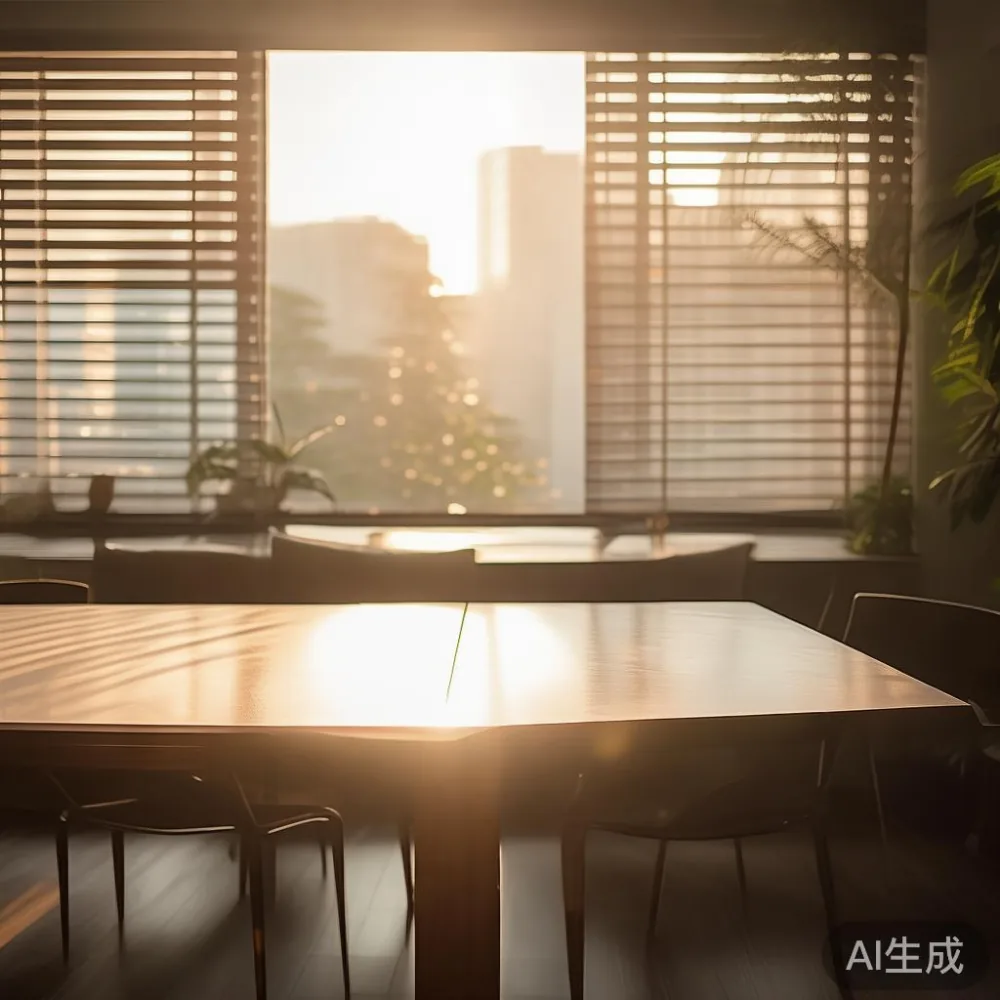
At MIDHILL, we design solid wood dining furniture around the way people actually live, including the dimensions of HDB flats and condos in Tampines, Bedok, and Punggol. The measurements below are practical enough to use before you buy, whether you are planning a new dining corner or replacing an awkward fixed table.
What makes a warm minimal dining room work?
Warm minimalism works best when the room contains 3 to 5 main visual ideas rather than a crowded collection of accessories. Start with the fixed elements: walls, flooring, window frames, and lighting. Then choose furniture with simple profiles, moderate contrast, and textures that can be seen from a distance of 2 metres. An extendable table should feel like part of the architecture, not a decorative object competing with every chair and sideboard.
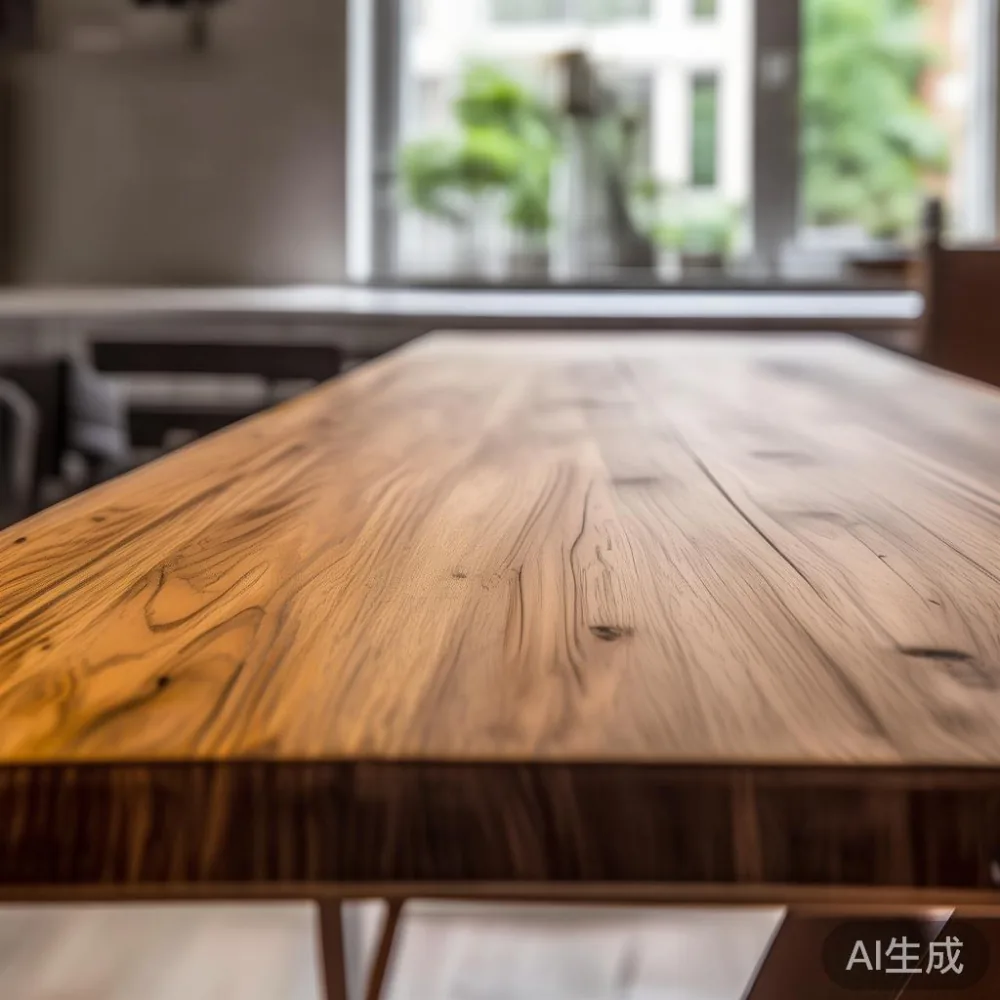
For colour, begin with warm white, oatmeal, sand, light oak, or pale walnut. A wall in a soft off-white can reflect daylight and make a compact flat feel more open, while a warm timber table introduces the natural depth that minimalist rooms sometimes lack. Black is useful, but limit it to one small element, such as a lamp stem or 12 cm-high vase. If every item is black and white, the result may feel sharper than intended.
Texture does more work than pattern here. A solid wood tabletop can sit beside a solid wood sofa with loose linen cushions, a solid wood bed frame with a plain upholstered headboard, and a simple wardrobe with matte doors. Avoid combining more than 3 competing wood tones in one dining zone. The primary table might be medium oak, the chairs might use a similar tone, and the sideboard can be painted in a warm neutral.
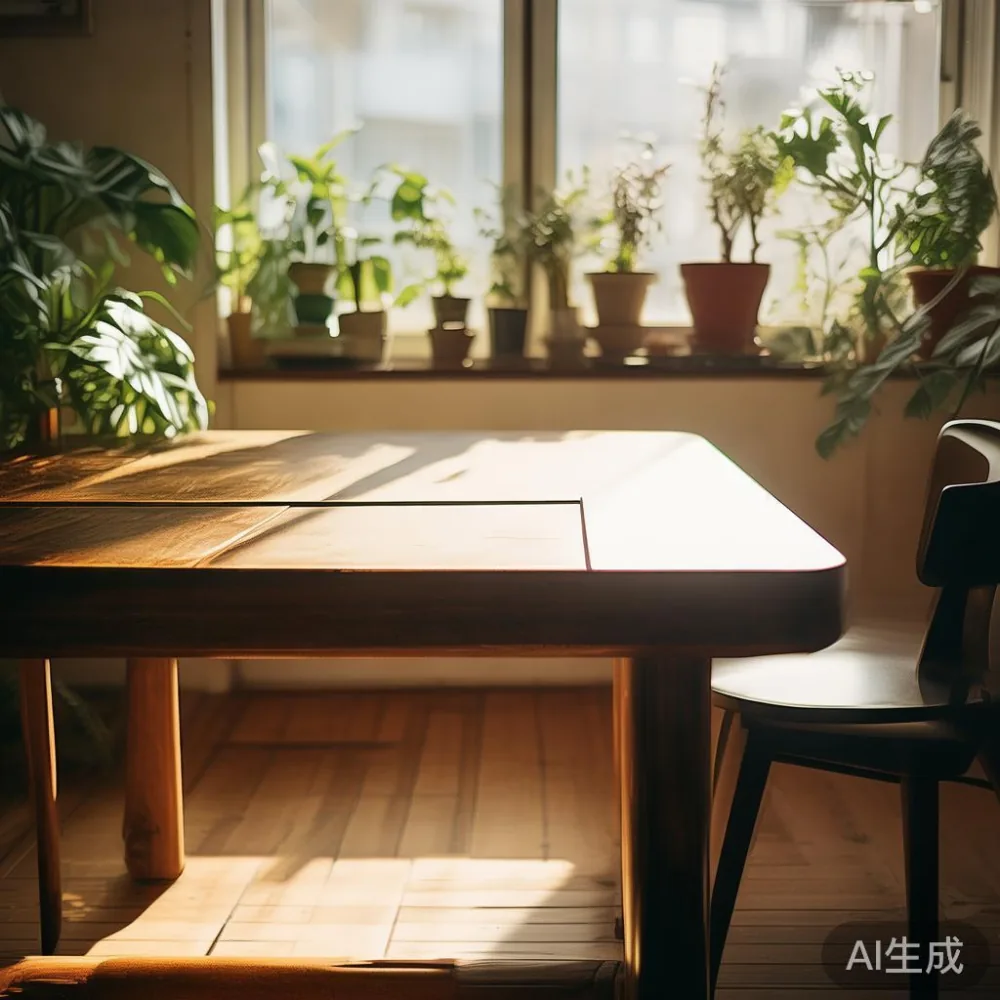
One real example came from a colleague who visited a client’s Tampines condo last month. The dining area measured 2.8 by 2.4 metres, with a service ledge and a doorway that reduced usable width. A 180 cm fixed table left only 48 cm on one side, too little for a chair to move comfortably. A 140 cm extendable table, extended to 190 cm, created a workable 70 cm path while preserving the calm appearance of the room. The client also checked the corridor and lift before delivery, which prevented a large rigid piece from becoming an access problem.
Which extendable table size fits Singapore homes?
Measure the dining zone before comparing table lengths. Include doors, windows, radiators, and the 60 cm clearance needed to pull out a chair. A 120 cm table seats 4 people with about 55 cm per person. A 140 cm table generally seats 4 to 6, while a 160 cm table seats 6. When extended, allow at least 60 cm per place if possible, especially when serving a hot meal or hosting a longer lunch.
For a compact HDB dining area, a 120 to 140 cm extendable table is usually easier to manage than a 160 cm fixed model. Closed at 120 cm, it can function as a breakfast table against a wall. Opened to 170 or 180 cm, it becomes a proper dining table for 6 people. In a condo with a wider dining zone, a 160 cm model extending to 200 or 220 cm may suit 6 to 8 people. The key is to choose a closed length that still allows the room to breathe.
Delivery planning matters just as much as dimensions. A standard lift door in many residential buildings measures roughly 90 cm wide and 210 cm high, although older blocks can differ. Furniture should therefore be checked against the actual lift opening and turning space rather than assumed to fit. A table packed into 2 or 3 cartons is easier to carry along a narrow corridor than one large, rigid carton. In Singapore, deliveries commonly take 7 to 14 working days after production, while custom sizes may need 21 to 30 days.
Budget for both furniture and GST. A well-made solid wood extendable table in Singapore may range from approximately SGD 1,600 to SGD 4,500 before GST, depending on timber, mechanism, finish, and extension method. A painted or mixed-material version can sit around SGD 900 to SGD 1,600 before GST. At a 9% GST rate, an SGD 2,000 table becomes SGD 2,180 after tax. MIDHILL offers free shipping for orders over US$350, but local GST and any restricted-access charges should still be confirmed before checkout.
Should the table be round, rectangular, or oval?
A rectangular table suits a narrow dining room because it can sit close to a wall when closed. It also displays a solid wood grain clearly and gives an extendable mechanism room to work. Choose a 140 cm model for 4 to 6 diners in a typical Singapore flat. It should have at least 90 cm of space between the table edge and a wall or major obstacle, which allows chairs to be used without constant repositioning.
A round table feels naturally soft and encourages conversation. A diameter of 100 to 110 cm seats 4 people, while 120 to 130 cm seats 5 or 6. Round bases can also make a square dining zone look less crowded, but round tables are less efficient against walls and may be harder to extend in some designs. An oval table offers the visual lightness of a round top with the surface efficiency of a rectangle, making it a good option for a 150 to 170 cm alcove.
For a minimal interior, avoid a table with too many visible flourishes. Look for straight edges, a stable apron, flush drawer fronts, and hardware that does not dominate the profile. The extension should open with one hand or require only 1 simple locking step. A customer asking how to style French provincial sofa in room will also appreciate this discipline elsewhere: carved details should live in one piece, while the dining table remains quiet.
Material choice should be based on use, not only appearance. Solid wood develops a deeper colour over time and can be refinished, while marble table surfaces are cool, crisp, and relatively easy to wipe but require careful handling around edges. A solid wood dining table is more forgiving in a family home because small marks can be sanded and renewed. It is also better aligned with warm minimalism because the grain adds subtle variation without a printed pattern.
Can an extendable table work in a small HDB or condo dining zone?
Yes, if the closed size is treated as the main operating dimension. A 120 cm extendable table is often the most practical choice for an HDB kitchen-dining area. In the morning, it can accommodate 2 people and a laptop; during dinner, it opens to 170 or 180 cm for 4 to 6. The point is to gain capacity only when it is needed rather than surrendering floor space every day.
Modern for small living room layouts often depend on movable pieces, concealed storage, and a single visual anchor. An extendable table can be that anchor in a combined dining and living zone. Keep the chair count appropriate to the closed table, perhaps 2 or 4 chairs, and store additional chairs elsewhere. Position the table lengthwise in the room unless the entrance makes this impractical. Avoid placing it directly in the traffic path between the lift and the flat entrance.
For 2-person homes, a 100 to 110 cm table may be enough, especially if it extends to 150 cm for visitors. For 4-person households, begin with 130 to 140 cm. Measure the room at 3 points: narrowest wall width, available length, and door-swing zone. If any route is under 70 cm wide, keep the furniture footprint compact and choose a lift-friendly package with separate legs and top.
Light colours help, but scale and layout have a greater effect. A table in pale oak against a warm white wall may blend into the room, while a darker walnut top can create focus when the surrounding pieces are light. Pair it with a simple 2-door wardrobe or a low sideboard rather than a wall of full-height cabinetry. A nightstand with a narrow 40 cm width can carry a lamp beside the dining area without closing the visual gap.
How do I match chairs, lighting, and other furniture?
Choose chairs with a seat width of 42 to 48 cm and enough knee clearance beneath the table. The finished seat height should sit around 45 to 48 cm above the floor, which is a useful range for most adults. Slim backs preserve circulation, while a slight curve adds comfort without looking ornate. Upholstered seats in oatmeal, taupe, or muted olive introduce softness; timber chairs with woven seats bring warmth and texture.
Keep lighting layered. A pendant centred roughly 60 to 75 cm above the tabletop provides useful task light, although the exact height depends on the shade and bulb. Add a floor lamp near the wall and a small table lamp on a sideboard. Warm white light around 2700 to 3000K flatters wood and makes cream upholstery look inviting. Avoid 5 different lamp shapes in one 12 square metre dining zone.
The surrounding furniture should share proportion and tone. A solid wood sofa with low arms and loose cushions can balance a substantial table. A solid wood bed frame echoes the same grain without requiring a matching colour exactly. A marble table can work in the living room if its base and colour relate to the dining table, but avoid placing two glossy stone surfaces beside one another. This kind of restraint reflects American light luxury: comfortable forms, durable materials, and controlled ornament rather than visual excess.
French light luxury can also inform a warm minimal home. The style does not require a heavily decorated dining set. Use 1 linen runner, 2 simple ceramics, and perhaps a shallow bowl. Keep the centre of the table mostly clear so that the wood remains visible. Post-modern light luxury adds another option through a restrained mix of shapes, such as a rectangular table with rounded dining chairs, provided the colours remain within a tight palette of 3 neutrals.
What should I check before ordering a solid wood extendable table?
Ask for the closed and extended dimensions, not just the advertised name. Confirm the extension direction, the number of people it accommodates, and whether the leaves can be stored separately. Check the tabletop thickness, usually around 20 to 30 mm for solid wood dining tables, and the dimensions of the apron and legs. A heavier table may resist movement but can be difficult for 2 delivery workers to carry if the pieces are not separated.
Wood movement is normal in Singapore’s humid climate. Look for solid timber panels joined to reduce seasonal movement, stable joinery, and a finish that can be maintained. Ask about care, stain removal, and refinishing. MIDHILL provides a 10-year structural warranty and lifetime refinishing, which gives buyers a clearer long-term plan if the surface changes through years of use.
Before delivery, measure the lift lobby, lift car, corridor turns, and the route into the flat. A 140 cm tabletop may need to enter vertically even if it can turn elsewhere. Provide the access details to the supplier and request an unpacking service, especially for a table weighing 40 to 70 kg. Most Singapore furniture deliveries take 7 to 14 working days for standard items and 21 to 30 days for made-to-order dimensions. Returns are accepted within 14 days under the stated policy, so inspect packaging and dimensions as soon as the piece arrives.
Price should be compared after GST. For example, a solid wood extendable table at SGD 2,400 becomes SGD 2,616 with GST. Delivery to a standard Singapore address may be included above the stated international threshold, but lift or doorstep service should be verified. For larger orders, request a written quotation that includes GST, delivery, assembly, and access charges.
Is European wardrobe worth it for a warm minimal home?
A European wardrobe can be worthwhile if it solves storage needs and fits the available wall, but the label alone does not determine quality. Check the internal layout, drawer runners, hinge adjustments, hanging depth, and whether shelves can be moved. In a warm minimal bedroom, flat-front doors in warm white, pale oak, or soft taupe can reduce visual clutter. Confirm that the unit can be assembled inside the bedroom if the lift or corridor is narrow.
The same material discipline used for a dining table should guide the rest of the home. A solid wood bed frame should have a calm silhouette, while a nightstand should be narrow enough to sit within a 60 to 75 cm bedside gap. If you are searching under 2000 Boho furniture for an accent piece, focus on rattan lighting, woven baskets, or one textured chair rather than filling the room with many patterns.
Before settling on a style, use references such as french sofa gallery photos to study proportion, spacing, and colour rather than copying a complete room. This also helps when comparing the solid wood sofa and dining table in your own plan. A warm minimal interior succeeds through coordination: one timber family, 2 upholstered colours, 1 metal accent, and enough empty space for each piece to remain readable.
How do I create the final warm-minimal look without buying too much?
Begin with the extendable table as the largest dining piece. Add only the chairs needed for everyday meals, then layer soft elements through colour and fabric. A 160 by 90 cm woven runner, 2 ceramic cups, and a single low vase are enough for a 140 cm table. Leave at least 20 cm of clear surface around the objects so the table does not look overfilled.
Extend the palette into the adjoining room with repeated materials rather than repeated products. The wood tone from the dining table can return in a solid wood bed frame, while a similar off-white appears on the solid wood sofa and wardrobe. This creates continuity without making every item identical. For lighting, use 3 visible sources across a living-dining area: 1 pendant, 1 floor lamp, and 1 table lamp. Aim for warm 2700 to 3000K light and dimmable switches.
Finally, test the arrangement before ordering. Tape the table footprint on the floor with a 140 by 75 cm rectangle, then mark a 60 cm chair zone. Walk around it with a phone in hand and check whether the route from the door remains clear. If the layout works, the room will tolerate a few decorative additions; if it does not, better furniture placement matters more than extra accessories.
For a coordinated table and complementary pieces, MIDHILL’s range can be reviewed at www.midhill.co. The right extendable table should make a Singapore home feel calmer on ordinary days and more generous when guests arrive, while its timber finish keeps the dining zone connected to the warmth of a minimal interior.