The 5-Year Cost Comparison: Solid Wood vs Veneer Extendable Tables in Singapore
Choosing furniture for a Singaporean home, whether a compact HDB flat in Tampines or a spacious condo in Punggol, involves a careful balance of aesthetics, functionality, and long-term value. A dining table is the heart of the home, a gathering place for family meals and conversations with friends. For many, the decision comes down to a fundamental choice: solid wood or veneer? This article provides a detailed, 5-year cost comparison to help you understand the financial and practical implications of each option, focusing on the most versatile piece of dining furniture: the extendable table.
What is Veneer, and What is Solid Wood?
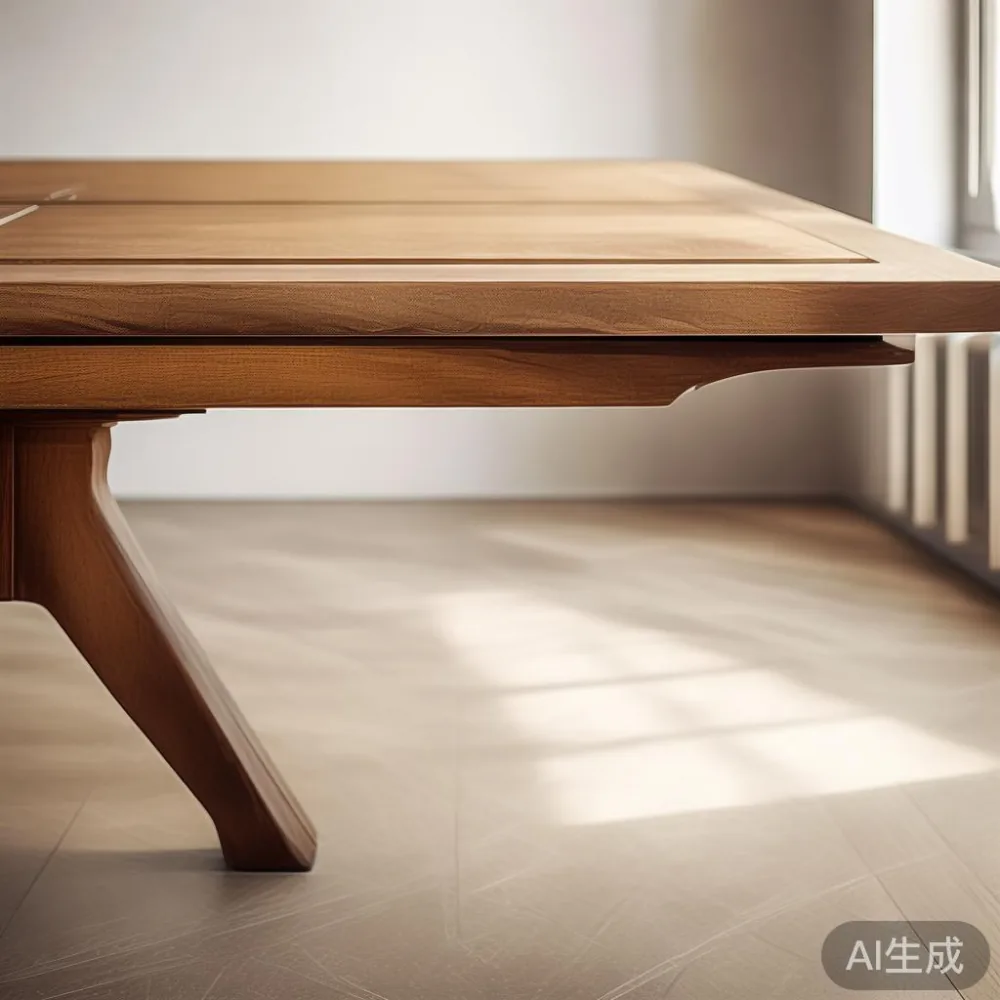
Before diving into costs, it's important to understand the materials. Solid wood furniture, like the pieces crafted by a Foshan-based maker established in 2008, is made from a single piece of lumber. A table top might be constructed from solid oak, teak, or walnut, with the same material visible on all surfaces. This creates a durable, repairable, and timeless piece. Veneer, on the other hand, is a thin layer of real wood applied over a base of engineered wood, such as MDF (Medium-Density Fiberboard) or particleboard. The base provides stability, while the veneer gives the appearance of solid wood at a lower initial cost. For a homeowner in Bedok working through the narrow corridors and lift spaces of an older HDB block, the weight difference between a solid wood and a veneer extendable table can be a significant practical consideration.
The Initial Investment: A Tale of Two Tables
The most obvious difference between solid wood and veneer furniture is the price tag. Let's compare two hypothetical extendable tables of similar design and seating capacity (seats 6-8 people, extending to 10-12).

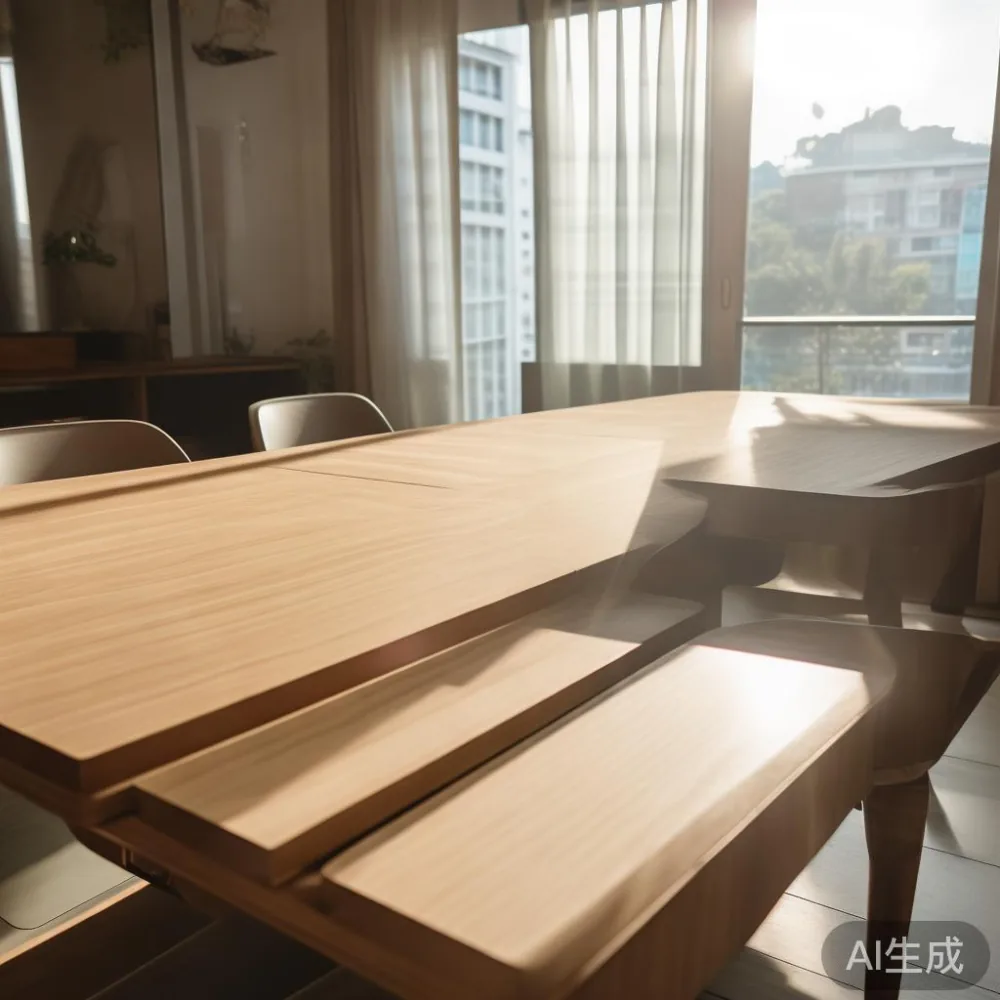
A veneer extendable table might be priced around SGD 1,200. This table features a handsome oak veneer top on an MDF core, with metal folding mechanisms. It looks elegant in the showroom and is designed to fit comfortably within the standard dimensions of a Singaporean dining area. The price point is attractive and fits many household budgets.
A solid wood equivalent, such as one made from North American oak, would start at approximately SGD 2,800. This table is constructed entirely of solid wood, from the top to the legs and the internal support structure. The higher cost reflects the material itself, the more complex joinery required for solid wood construction, and the longer, more skilled labour involved in its creation. While the initial outlay is more than double, this is where the long-term value analysis begins.
Year-by-Year Cost Breakdown: Maintenance and Repairs
The true cost of furniture extends far beyond the purchase price. Maintenance, repairs, and eventual replacement add up over five years. Let's track the expenses for both tables.
Year 1: Veneer Table
The veneer table requires little to no special maintenance. A simple wipe with a damp cloth is sufficient. No repair costs. Total cost for Year 1: SGD 0.
Year 1: Solid Wood Table
A solid wood table needs some care to maintain its beauty. Applying a high-quality wood conditioner or polish twice a year is recommended. A good conditioner costs around SGD 50 per bottle. Total cost for Year 1: SGD 100.
Year 2: Veneer Table
A small water ring is left on the surface after a dinner party. The MDF core underneath the veneer has absorbed moisture, causing a permanent white stain. A professional repair service quotes SGD 250 to fix it, but warns that the repair might be visible. Total cost for Year 2: SGD 250.
Year 2: Solid Wood Table
The wood conditioner continues to nourish the table. The same water ring incident occurs. The surface is sanded lightly and re-oiled, a process that can be done at home with a sanding kit (SGD 30) and more conditioner. The table looks as good as new. Total cost for Year 2: SGD 30.
Year 3: Veneer Table
The metal folding mechanism begins to squeak and feel loose. A handyman is called to fix it, costing SGD 80. The veneer along the edge of the leaf (the part that slides in) starts to chip and lift due to regular use. Total cost for Year 3: SGD 80.
Year 3: Solid Wood Table
The table requires its regular conditioning. No functional issues have arisen. The structural integrity remains excellent. Total cost for Year 3: SGD 50.
Year 4: Veneer Table
The chipped veneer on the leaf has worsened. The repair is no longer just cosmetic; the structural integrity of the leaf is compromised. The owner decides the table is beyond economical repair. A new veneer extendable table is purchased for SGD 1,200. The old one is discarded. Total cost for Year 4: SGD 1,200.
Year 4: Solid Wood Table
The table is showing its age but is still in excellent condition. The owner decides to change the style of the dining room. They sell the solid wood table for SGD 1,500 through a second-hand furniture platform. Total cost for Year 4: SGD 0 (and a profit of SGD 1,500).
Year 5: Veneer Table (New One)
The new table is under warranty for manufacturing defects, but not for wear and tear. It requires regular cleaning. Total cost for Year 5: SGD 0.
Year 5: Solid Wood Table
The owner uses the proceeds from the sale of the old table to put a deposit on a new one. The new table requires its initial conditioning. Total cost for Year 5: SGD 100.
Is a Veneer Table Really Cheaper Over Time?
When you add up the numbers over five years, the picture becomes much clearer. The veneer table had an initial cost of SGD 1,200 and accumulated SGD 1,530 in repair and replacement costs, for a total of SGD 2,730. The solid wood table had an initial cost of SGD 2,800 but only SGD 280 in maintenance costs, and even generated a SGD 1,500 credit when sold. The net cost for the solid wood user was SGD 1,580. Over a five-year period, the solid wood option was SGD 1,150 cheaper. This doesn't even factor in the value of the owner's time spent dealing with repairs or the frustration of a failing piece of furniture.
Real-World Experience: A Singaporean Homeowner's Story
Last month, I visited my colleague, Sarah, who lives in a lovely three-room HDB flat in Tampines. She bought a veneer extendable table five years ago when she first moved in. 'It was perfect for the space,' she said, 'and it looked so nice in the showroom.' Now, she gestured towards the dining area with a sigh. 'The leaf mechanism is wobbly, and the finish is peeling on the corners. I have to be so careful with it. With a young child, that's impossible. I'm looking to replace it already, and I'm kicking myself for not spending more on a solid wood one that could have lasted until she moves out.'
Her experience is a common one. The allure of a lower price point is strong, but the long-term durability and value of solid wood are undeniable. For a piece of furniture that sees daily use, like an extendable table, the investment in quality pays for itself. A solid wood table can be refinished multiple times over its lifetime, in effect giving it a new lease on life, whereas a veneer table is often disposable once the surface is damaged.
Why Singaporean Homes Are Ideal for Solid Wood Extendable Tables
The Singaporean living context makes the choice for a high-quality extendable table even more compelling. Space is a premium. An extendable table is a solution for maximizing a dining area in an HDB flat or condo. A solid wood table, while heavier, offers unmatched longevity. You buy it once, and it serves your family for decades. It can be adapted to different homes as you move, whether from a Bedok resale flat to a new Punggol Build-To-Order (BTO) apartment.
Also, the concept of light luxury for dining room has gained significant traction. It's about creating a space that feels sophisticated and comfortable without being ostentatious. A well-crafted solid wood table, with its natural grain and warm texture, fits this aesthetic perfectly. It complements other luxury Mid-century modern furniture pieces or stands as a timeless statement on its own. The difference between a veneer table and a solid wood table is the difference between a costume and a bespoke suit; one is a temporary impression, the other is a permanent part of your home's character.
For those exploring specific styles, the choice of material is paramount. Consider the difference between a European light luxury sofa vs Mid-century modern sofa; the former often relies on natural materials and clean lines, while the latter is defined by specific silhouettes. A solid wood dining table can anchor either style, whereas a veneer table might clash with the organic feel of a solid wood sofa or the classic lines of a French provincial bed. When selecting a best Italian light luxury wardrobe for 2026, the quality of construction is paramount, and this principle applies equally to a dining table. The same care and material integrity that go into a wardrobe should be considered for the centrepiece of your dining space.
My colleague's experience with her veneer table is a real-world example of this principle in action. The initial savings were quickly erased by the need for replacement, whereas a MIDHILL bed or dining table, backed by a 10-year structural warranty and a lifetime refinishing service, represents a commitment to quality that lasts. The value of a furniture purchase isn't just in its initial function, but in its ability to endure, adapt, and retain its beauty over time. For a homeowner in Singapore, where space and value are both at a premium, a solid wood extendable table is not just a purchase; it's a long-term investment in the heart of the home.