How Southeast Asian Humidity Affects Solid Wood Extendable Tables
Humidity is rarely the first thing Singapore homeowners consider when buying an extendable table, yet it has a direct effect on timber movement, joints, finishes and long-term appearance. In Tampines, Bedok and Punggol, furniture often enters compact HDB flats through lift lobbies and narrow corridors, then remains in rooms with little front ventilation. Air-conditioning helps, but it changes moisture quickly rather than creating stable conditions. Understanding how tropical humidity affects wood allows a buyer to select the right construction, maintain it sensibly and enjoy a table for many years.
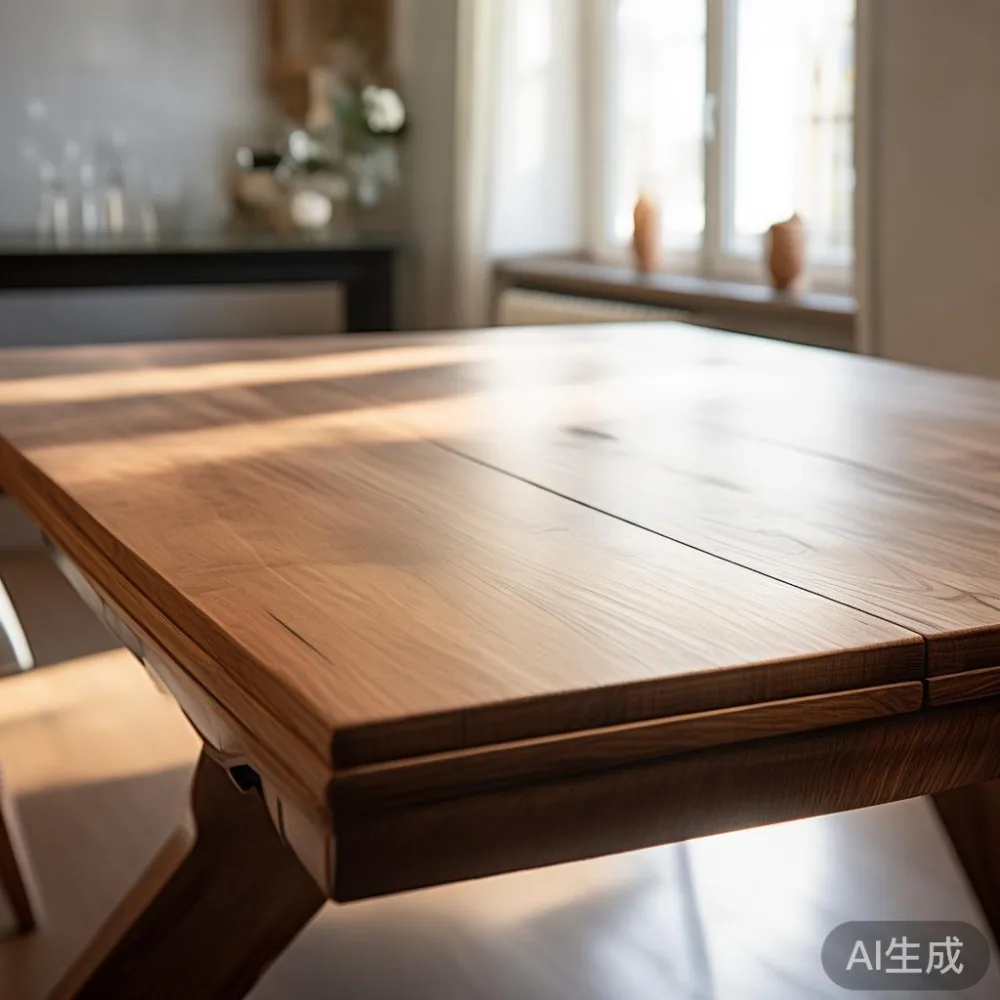
MIDHILL has manufactured solid wood furniture since 2008 and exports to more than 15 countries. Its Singapore customers are especially attentive to practical issues such as lift dimensions, delivery timing, GST and after-sales care. Those details matter alongside the table's visual character. The aim is not to create anxiety about ordinary seasonal changes, but to explain what is happening, what is normal and what should prompt a service request.
Why does humidity make an extendable table move?
Solid timber expands and contracts as it gains or loses moisture. In Singapore, outdoor relative humidity can vary considerably through the day, while an air-conditioned interior may sit near 50–60% relative humidity. A solid wood dining table can therefore experience small dimensional changes even when it is well made. The movement is generally measured in millimetres, not centimetres, but repeated large swings can stress fasteners, tight joints and applied finishes.
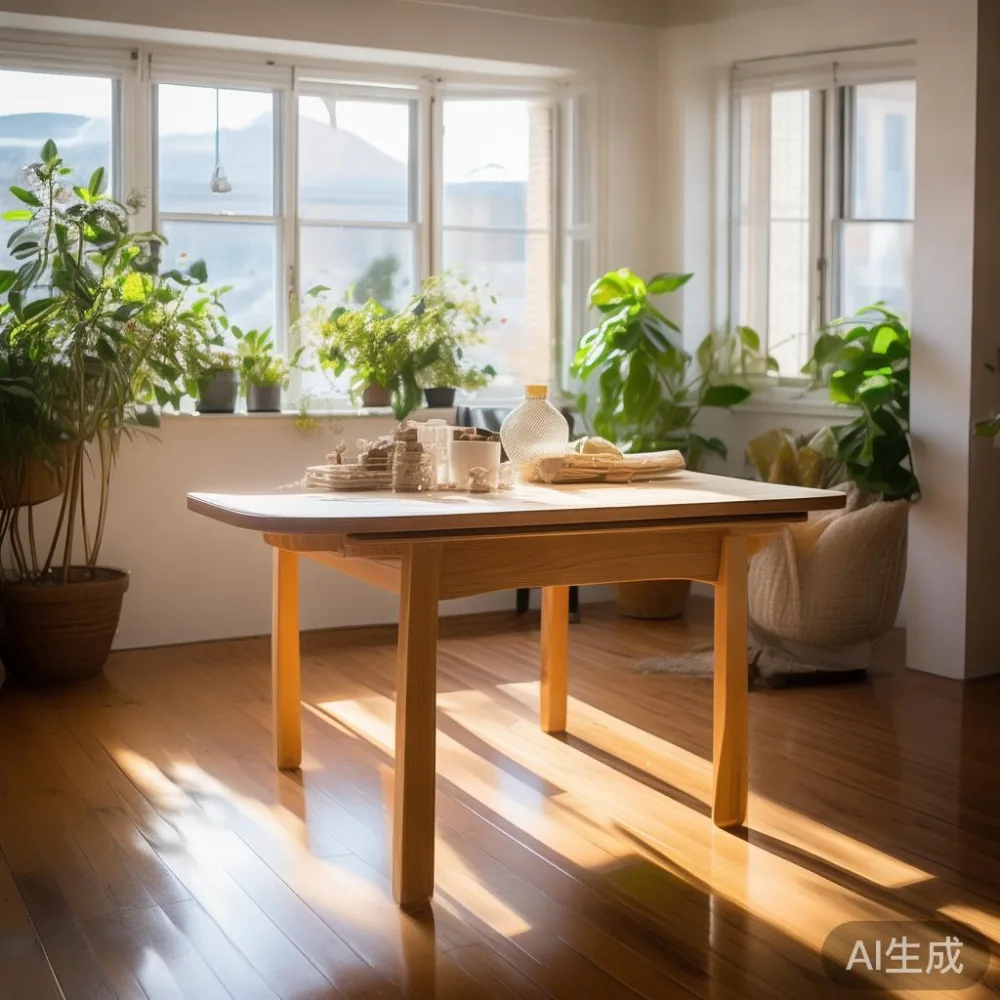
Wood is hygroscopic: it continues adjusting until its moisture content is closer to that of its surroundings. An extendable table may react differently from a fixed dining table because it contains several rails, extension leaves, support battens and locking components. Each part must be made with compatible timber and fit tolerances that allow normal movement. If a leaf is fitted too tightly, or if an extension mechanism forces the timber out of alignment, the table may bind or twist.
Seasonal timber movement should not be confused with a structural defect. Warping across the width, persistent cracks, loose joints or a mechanism that repeatedly jams are not normal expansion. A 10-year structural warranty can provide confidence, but correct placement and care still influence how the table performs in a particular home.
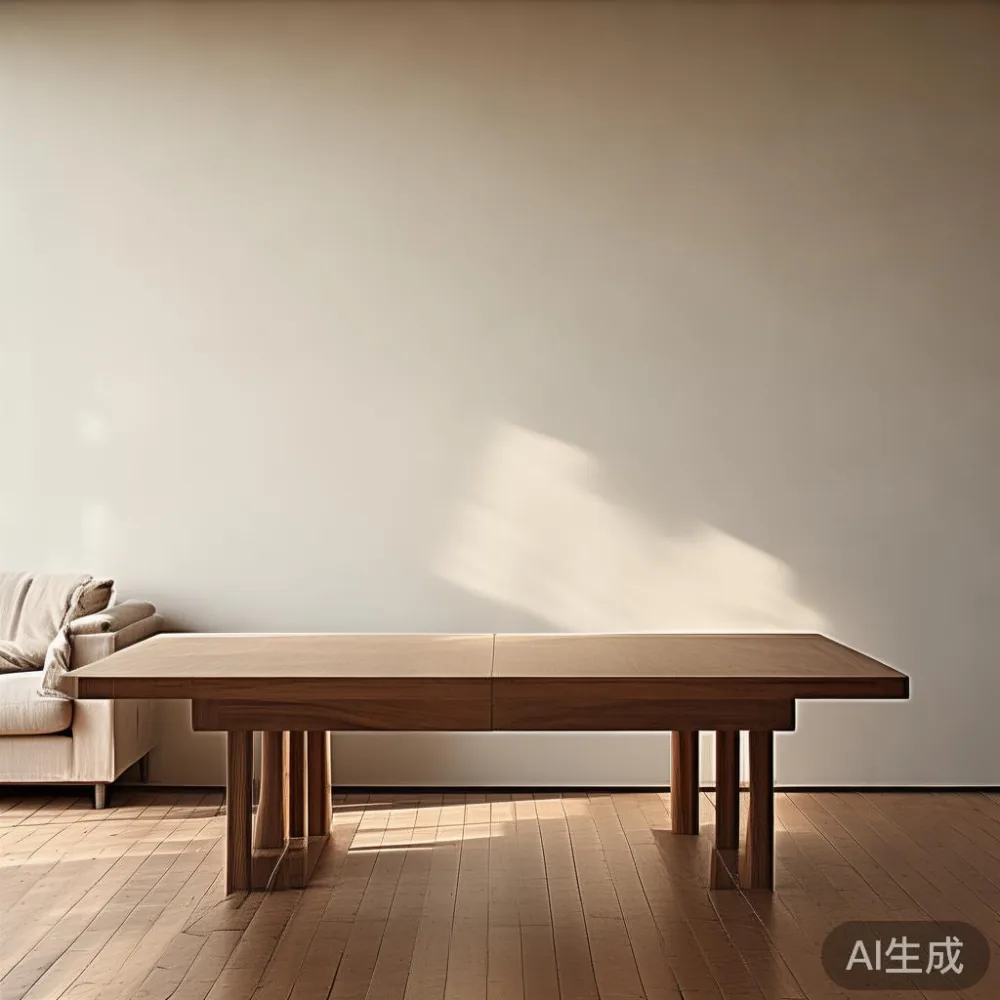
How Singaporean rooms change humidity levels
Most HDB and condo interiors benefit from air-conditioning, yet humidity remains a design factor. During the day, exterior walls and windows absorb heat and moisture. At night, cooler periods can encourage condensation on glazing. Bedok's proximity to open coastal areas, Tampines's exposure to sun and rain, and Punggol's relative openness can all influence local conditions, although the room itself usually matters more than the district.
Consider a typical Singapore living room maintained at 24–27°C with relative humidity around 55%. A kitchen near a service yard may briefly exceed 70% during heavy rain. In a condominium with generous glazing, direct afternoon sun can warm one side of an oak dining table while the opposite side remains cooler. This uneven exposure creates the greatest risk: the hotter side dries and contracts faster than the shaded side.
Placement recommendations are simple. Keep an extendable table at least 60 cm from an open window, a wet kitchen entrance or an air-conditioning vent. Avoid direct sunlight for more than about 2–3 hours per day. Leave approximately 90 cm of circulation space where possible, including around chairs, but do not press the table tightly against a wall or radiator. A stable indoor environment is more useful than chasing an exact number on a hygrometer.
Which solid wood species suit Singapore conditions?
No timber is immune to humidity. The better choice is a species with straight grain, consistent density and good machining, paired with sound joinery. Oak and ash are common choices for Scandinavian-inspired dining furniture because their visual lines suit HDB and condo interiors. Teak has a naturally oily surface and performs well in humid settings, while rubberwood and other locally available hardwoods can offer stable, economical alternatives.
The finish matters too. A matte oil or water-based coating generally permits the surface to respond more naturally than a thick, high-build film. Lacquer can provide a refined appearance, but it must be applied evenly and inspected for scratches that might allow moisture to enter. On a pale oak extendable table, a satin finish can make checking more visible; on darker timber, subtle movement is less noticeable.
Ask whether the top, apron, rails and leaves use compatible construction. End-grain surfaces need particular attention because they absorb moisture faster than broad faces. MIDHILL's production team in Foshan can specify materials and protective finishes for different destinations, while Singapore delivery remains subject to confirmation of access and address.
Is humidity a reason to choose a marble table instead?
Humidity affects wood, but it does not automatically mean marble is more suitable. Marble does not expand like timber, yet it is porous and can react with acidic spills. It is also heavy: a dining-height marble top may weigh 90–180 kg depending on its dimensions, making a narrow lift and corridor a serious access issue. Natural stone may be appropriate in a spacious condo, but it is not automatically the lower-maintenance answer for a family dining room.
An engineered stone surface offers another route, using a mineral aggregate with resin rather than a solid slab. It can resist many stains and temperature changes, although the panels still need careful handling. For a dining table that must extend from 140 cm to 220 cm, stone panels can be separated and stored. Each panel may weigh 35–70 kg, so safe installation usually requires at least 2 people and suitable lifting equipment.
Timber remains attractive for many Singapore homes because it is warmer to the touch, lighter than stone and easier to repair or refinish. In MIDHILL's light-luxury direction, oak and walnut tones create the restrained character associated with French light luxury, while clean profiles and generous spacing often fit post-modern light luxury interiors. The correct material follows the room, not a universal rule.
How should an extendable table be delivered into a Singapore flat?
Before delivery, measure the route rather than estimating from the doorway. A standard HDB lift opening may be around 80–90 cm wide, with internal dimensions that vary by block and lift model. Older or lower-rise buildings may have narrower cabins. Stairwells, fire doors and turning corners can be more restrictive than the lift itself. A packed table with a 75 cm top can still pass through an 80 cm opening if it is turned correctly, but its packaging, diagonal length and extension components must be checked.
For a larger solid wood dining table, MIDHILL can discuss flat-pack or protected sectional delivery where practical. Customers should provide the lift width, cabin depth, door width and the length of the longest corridor. Deliveries usually take 7–14 days after production and dispatch for Singapore orders, though access details, peak periods and made-to-order specifications can alter the schedule. GST and the final delivery charge should be shown clearly before confirmation.
Furniture delivery over US$350 qualifies for free shipping under MIDHILL's stated policy, while orders below that threshold may incur a calculated freight cost. Returns are accepted within 14 days subject to the product condition. Since the question is specifically about humidity, delivery planning still belongs in the purchase because a damaged rail or leaf can affect an extension mechanism even when the tabletop looks intact.
What can I do to protect an extendable table from humidity?
Use a stable indoor environment and wipe spills promptly. A damp ring left for 8–12 hours can penetrate an open-grain finish. Clean the surface with a soft cloth lightly dampened with water, then dry it within about 5 minutes. Avoid silicone-based sprays, oven cleaners and abrasive pads. Coasters and trivets create a useful barrier, particularly around a marble table or a light-finished solid wood dining table.
Inspect extension leaves and hardware every 6 months. Remove dust from the rails with a dry brush, and check that locking pins seat correctly without force. Do not use cooking oil as a furniture treatment; it may darken the timber and attract residue. If a finish becomes dull, use the product specified by the maker. MIDHILL offers lifetime refinishing for eligible furniture, which can restore colour and surface protection after years of use.
For an uneven room, a small digital hygrometer can cost SGD 15–40 and make monitoring easier. Aim for stable readings rather than abrupt intervention. If relative humidity remains above roughly 65–70% for long periods, improve ventilation and check for water intrusion. Persistent dampness should be handled by the building owner or air-conditioning technician, not merely by coating the furniture.
Can I test a solid wood table before buying?
Yes. Look for evidence of stable construction rather than relying on a dramatic weight alone. When the table is extended, all leaves should sit level and close without a visible step. The locking mechanism should engage smoothly, with no need to force the top. Check the underside for clean joints, properly seated screws and solid support battens. The top should feel dry, smooth and free from deep checking under a bright light.
Last month I visited a client in Punggol with a newly delivered oak extendable table. We measured the tabletop at 180 cm when closed and 240 cm when extended, then placed small spirit levels across both sections. The variation stayed within about 1 mm after the table had acclimatised indoors. More importantly, the extension locks held their position through several cycles. The client also placed the table 75 cm from the window, a sensible choice in a west-facing unit.
Physical showrooms offer another opportunity to examine the finish and joinery. Online purchases should be supported by clear dimensions, photographs and written care instructions. A 10-year structural warranty is useful when the maker stands behind frame stability and construction, while lifetime refinishing can address wear that develops around an active dining area.
How does humidity affect other solid wood furniture?
The same moisture principles apply to a bed frame, wardrobe or nightstand, although each handles humidity differently. A solid wood sofa has upholstered cushions and timber framing that should remain in a stable, ventilated room. A bed frame can develop minor surface changes away from its contact points, so it should not be pushed tightly against a cold exterior wall. Wardrobes need airflow behind side panels and around fitted units, particularly if they stand beside a shower or damp service area.
For coordinated interiors, buyers sometimes research whether is European sofa worth it, compare a European sofa vs Modern sofa, or ask is light luxury sofa worth it. These are broader style and value questions, but the material specification remains practical. A Modern light luxury sofa may suit a compact family room, yet its timber base still deserves the same humidity precautions as a dining table.
For hospitality projects, Italian light luxury for hotel may involve pale veneers, precise profiles and refined stone surfaces. Projects requiring a specific MIDHILL light luxury wardrobe should confirm internal storage dimensions, ventilation and finish options before production. The guiding principle is consistent: premium appearance depends on stable conditions and responsible care.
Is humidity something a 10-year warranty can fully solve?
A structural warranty covers defects in manufacturing and construction, not every change caused by unsuitable placement. It should not be read as permission to leave timber beside a permanently damp wall or under direct rain. Conversely, normal expansion within the design allowance does not indicate a fault. Good construction accommodates movement through appropriate joints and extension mechanisms.
The most reliable purchase combines a well-made extendable table, realistic indoor placement and timely maintenance. Confirm the species, finish, closed and open dimensions, weight, delivery access and return terms. In Singapore, provide exact lift and corridor measurements in cm, ask for the GST-inclusive price in SGD, and retain the order documents.
Humidity does not make solid wood furniture unsuitable for Southeast Asia. It makes good engineering more visible. With sensible placement, careful cleaning and a stable indoor environment, an extendable table can remain a durable centrepiece for a Tampines HDB flat, a Bedok family home or a Punggol condominium, retaining both its practical function and its light-luxury character.