5-Year Cost of Veneer and Solid Wood Extendable Tables in Singapore
An extendable table must earn its place in a Singapore home twice: on ordinary days and when guests arrive. In a compact HDB flat in Tampines, a 120 cm table may need to become a 180 cm table for six people. In a Bedok condo, a narrow 100 cm model can sit beside built-in cabinetry without blocking a 90 cm corridor. The purchasing decision is often framed as price alone, yet the more useful comparison is what each option costs over 5 years.
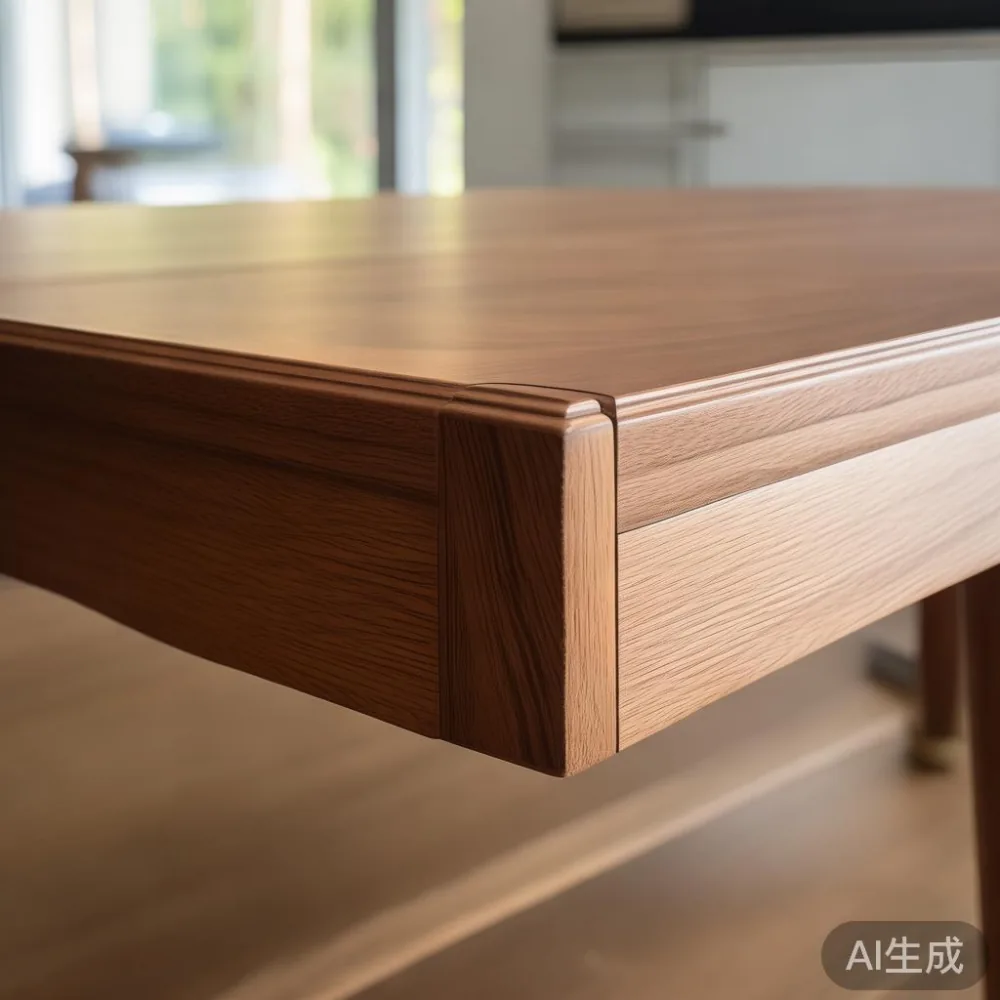
This comparison examines a mid-range veneer extendable table against a comparable solid wood extendable table. Figures use Singapore dollars and include GST. They assume residential delivery, normal household use, one moving cycle and routine care. Real quotations vary with thickness, timber, dimensions and hardware, so the numbers are working budgets rather than universal prices.
For perspective on MIDHILL's broader styling language, the same restrained oak finish can appear on a solid wood sofa, bed frame, dining table, wardrobe, nightstand or marble table. The focus here remains extendable tables: their material, dimensions, maintenance and ownership costs.
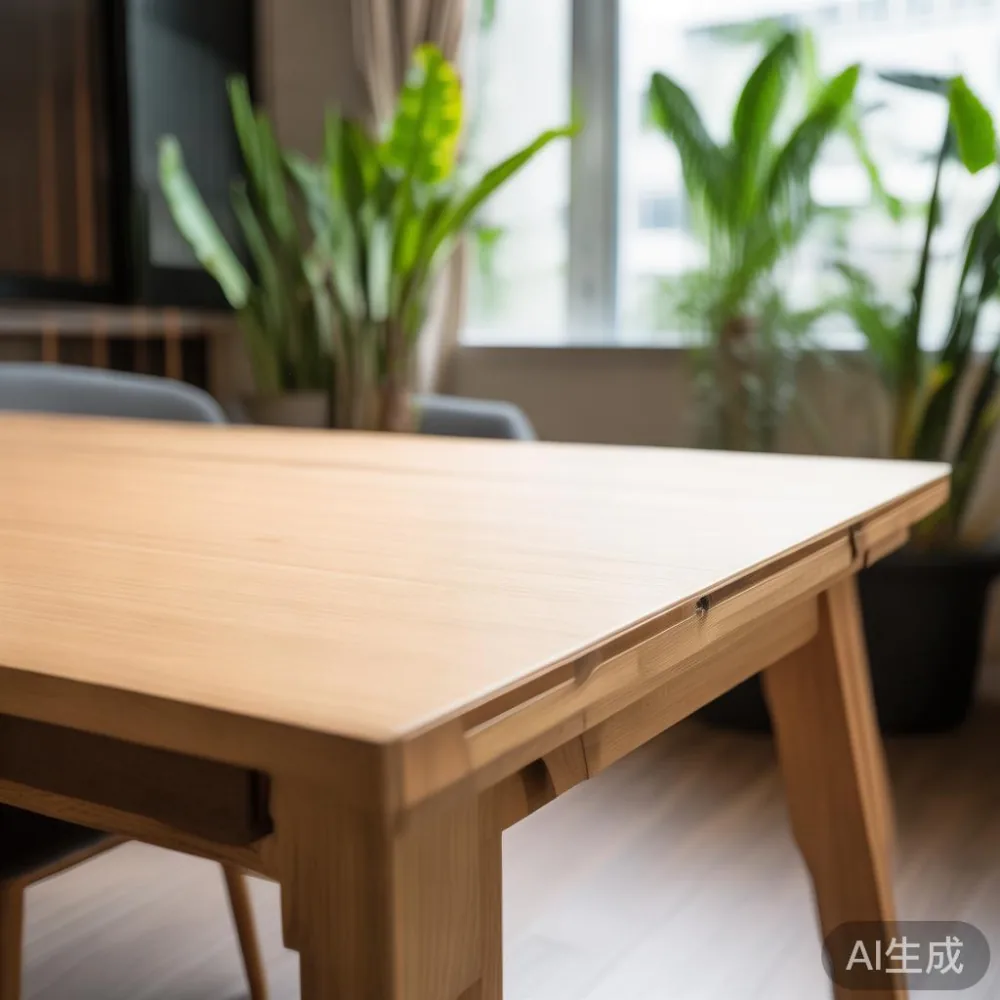
What is the real difference between veneer and solid wood?
Veneer is a thin layer of timber, usually about 0.3 to 1.2 mm, bonded to a panel or engineered core. A common 18 mm board can contain a 15 mm core. Solid wood extendable table construction uses timber throughout the visible and structural components, although drawer boxes, back panels and some internal supports may be other materials.
That difference affects price, repair and longevity. A 180 x 90 cm veneer table may cost SGD 980 before GST and SGD 1,078.80 after 9% GST. A 180 x 90 cm solid oak extendable table may cost SGD 2,280 before GST and SGD 2,485.20 after GST. The solid wood option starts at SGD 1,406.40 more, but it can be refinished more readily after years of use.
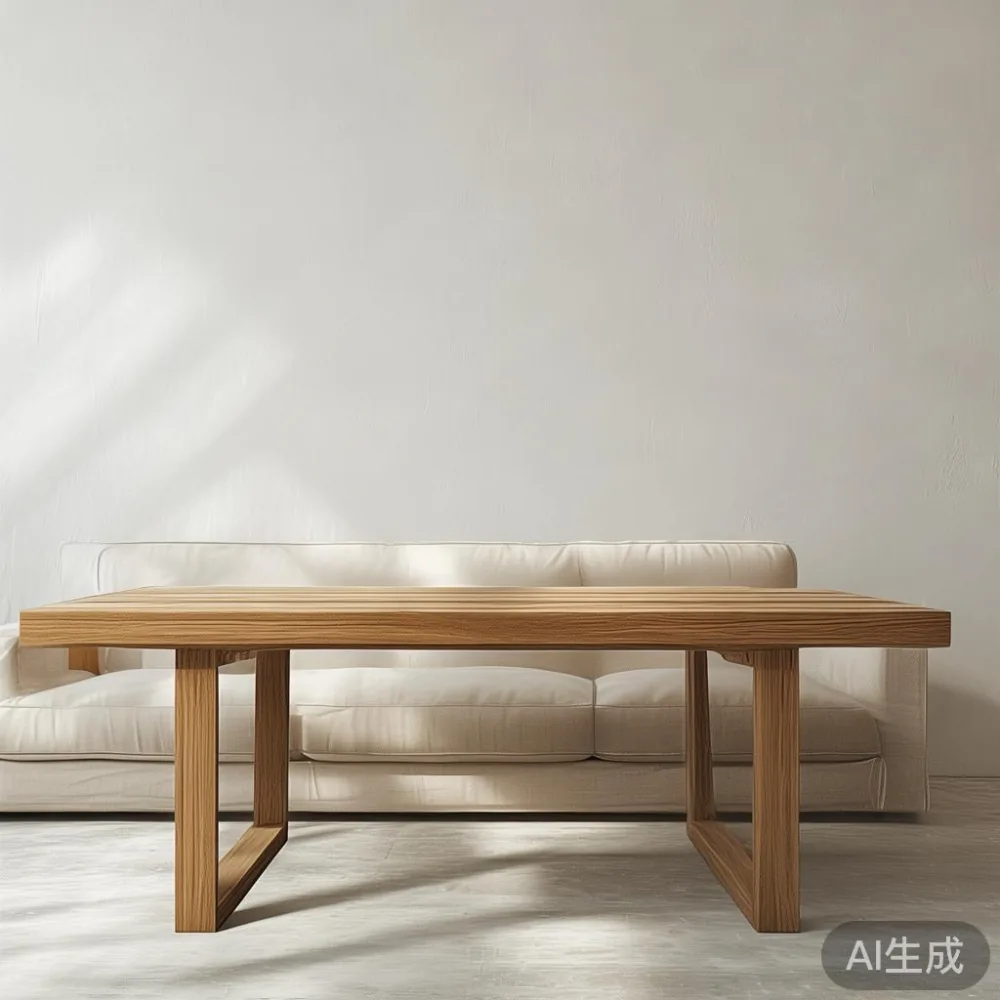
The veneer table typically weighs 32 kg to 42 kg, while a solid wood table may weigh 48 kg to 68 kg. Weight matters in HDB flats: it influences whether two people can carry it upstairs, whether lift dimensions permit it and whether dining chairs are easy to move. It also affects delivery crews in Punggol, where parking and corridor access can be tighter than the floor plan suggests.
How much do veneer and solid wood extendable tables cost over 5 years?
The following 5-year budget uses two tables with the same nominal closed size of 160 x 90 cm. One extends to 210 cm with a 50 cm centre leaf; the other extends to 220 cm with a 60 cm leaf. Delivery is estimated at SGD 80 for the veneer table and SGD 140 for the solid wood table because of its greater weight.
Veneer example: SGD 980 before GST, or SGD 1,078.80 with GST. Estimated delivery: SGD 80. Five years of professional cleaning at SGD 45 per visit, once each year: SGD 225. One edge repair after year 3: SGD 180. Replacement of 2 drawer runners at SGD 85 each: SGD 170. Estimated total: SGD 1,733.80. The worked budget is an estimate rather than a guarantee; moisture damage, misuse or heavy abrasion can change individual outcomes.
Solid wood example: SGD 2,280 before GST, or SGD 2,485.20 with GST. Estimated delivery: SGD 140. Five annual care visits at SGD 35 each: SGD 175. One minor surface repair after year 3: SGD 120. Hardware replacement for 2 runners at SGD 95 each: SGD 190. Estimated total: SGD 2,985.20.
At purchase, the veneer table is about 64% less expensive on these assumptions. Over the 5-year period, the difference narrows to SGD 1,251.40. The veneer table retains roughly 58% of its estimated total cost as residual planning value, while the solid wood table retains about 65%, subject to condition and resale demand. Those residual figures are conservative planning estimates, not appraisal promises.
Cost per year is SGD 346.76 for the veneer option and SGD 597.04 for solid wood. The additional SGD 250.28 per year buys a repairable material surface and greater confidence around scratches, water rings and moving parts. A household that expects the table to remain for 10 years may see that annual premium spread over a longer period.
Will an extendable table fit an HDB flat or condo?
Measure the route before selecting the closed or open size. In many Tampines, Bedok and Punggol homes, the dining area is only 180 cm wide. A 180 cm open table would leave no clearance, while a 140 cm closed table may leave 20 cm on each side of a 180 cm wall if centred. In a condo dining zone of 220 cm, a 180 cm extension leaves 20 cm per side, which is narrow for serving traffic.
A workable HDB setup often uses a 140 x 80 cm extendable table that opens to 190 cm. For six diners, place 3 chairs on each long side and keep at least 60 cm between the table edge and a wall or overhead cabinet. For a 4-person daily table, a 120 x 75 cm model opening to 170 cm may be more practical.
Check the leaf storage separately. Some extendable tables use a self-storing centre leaf; others require a separate board measuring 50 x 90 x 2 cm. A self-storing leaf may weigh 7 kg to 12 kg, while a solid wood leaf can weigh 10 kg to 17 kg. Make sure it can be moved by one adult without damaging the floor.
Lift access also needs checking. A common HDB lift interior might measure 110 cm wide and 140 cm deep, with a door opening around 90 cm. A 160 cm table must be turned on its side and tilted, so the diagonal and ceiling clearance matter. MIDHILL can confirm packed dimensions before dispatch, but the buyer should photograph the lift, measure the door and note stairs, corners and corridor width.
Which surface needs less maintenance in Singapore?
Humidity is the central issue. Singapore's outdoor relative humidity can move between roughly 65% and 90% across the day, while air-conditioned interiors may sit near 50% to 60%. Neither material is moisture-proof, but solid wood can usually be sanded and refinished more readily than a veneered particleboard or plywood table.
For veneer, use a coaster under every drink and wipe spills within 5 minutes. Clean with a lightly damp cloth, then dry the surface. Avoid steam, silicone polish and abrasive pads. A 120 x 75 cm veneer table may need its top replaced after 8 to 12 years if moisture has entered the core, although careful indoor use can extend that range.
For solid wood, clean with mild soap and water, dry immediately and keep at least 30 cm from an open window. Moving a 48 kg table can cause small checks in the grain; refinishing can reduce their visibility. MIDHILL offers lifetime refinishing on qualifying solid wood pieces, but the policy and any charge should be confirmed for the selected model. Warranty terms do not normally cover accidental water damage, heat marks or unapproved cleaning products.
Frequency matters as much as product. Families should wipe the table daily and inspect it every 3 months. Coastal condo units, kitchens and rooms facing west-facing windows deserve extra attention during the 11 pm to 7 am period when condensation can form.
What does a light-luxury extendable table mean in practice?
Light luxury is often sold as a visual mood, yet practical decisions determine whether the table still looks composed after 5 years. French light luxury might use pale oak, gentle profiles and clean joinery. Post-modern light luxury can combine rounded corners with restrained metal hardware. American light luxury tends toward generous proportions, warm timber and comfort-oriented detailing.
These references also connect with broader product choices. A request for Modern light luxury for guest room may lead to a compact timber side table, while a bed frame, nightstand or wardrobe should echo the dining table's grain and tone. A marble table may work in an entry area, but combining marble, veneer and wood in one small dining zone can look visually busy. Keep the main material consistent and use stone sparingly.
For buyers comparing catalogues, a top 10 light luxury furniture list often favours appearance and finish. A 5-year ownership comparison adds serviceability. Solid wood's sanding and refinishing potential usually supports a long-term light-luxury approach better than replacing a damaged surface panel.
At around 140 cm, a well-proportioned solid wood extendable table can suit a compact dining room without appearing heavy. By contrast, a very thick slab may dominate an HDB dining corner. Ask for actual sample dimensions, not just a style label. For example, a 3.5 cm top and 6 cm apron may look light; a 7 cm top can appear substantial. It is also helpful to understand the best French wardrobe for 2026, the best Minimalist bed for 2026 and how to style American sofa in room decisions when several furniture types share one residence. A coherent oak or warm-white palette can connect a solid wood sofa and bed frame with the extendable table.
One phrase used in compact-home guides is American for small living room, but the dining table should not be pushed into the living room simply to avoid measuring. A 120 cm extendable table may serve as a small sofa table on weekdays and a dining table when extended. In a 220 cm-wide room, use narrow dining chairs and maintain 75 cm of circulation behind them.
Are there hidden costs when buying an extendable table?
Yes, and they are easier to compare when written down. The veneer table may require edge treatment after moisture exposure, while a solid wood table may need runners, leaf catches or surface renewal. Extensions add alignment issues that a fixed dining table does not have. Inspect that the centre leaf sits level, the extension pulls are rated for at least 30 kg and the locking mechanism engages cleanly.
Delivery is another line item. A 32 kg to 42 kg veneer table may use a standard two-person service and arrive in 5 to 8 working days after dispatch. A 48 kg to 68 kg solid wood table may need a larger vehicle or extra handling, with delivery taking 7 to 12 working days. Confirm the day, time and cancellation fee before confirming the order.
Floor protection should be included in the budget. Moving boxes, a furniture dolly and felt pads can cost SGD 45 to SGD 110 in total. HDB owners should also check whether the table's footprint and weight are suitable for the chosen dining position and whether the building's delivery booking rules apply.
MIDHILL provides a 10-year structural warranty on qualifying furniture, and qualifying solid wood items can be refinished for life. Singapore orders over US$350 qualify for free shipping under the stated policy, although the currency conversion, remote-area surcharge and delivery arrangements should be confirmed for the specific address. A 14-day return period can reduce risk when dimensions are uncertain, but assembled or clearly used items may have different return handling.
The strongest purchase decision is therefore not simply the lower invoice. Compare the surface repair method, expected life, delivery handling and fit before paying. A veneer extendable table offers a lower 5-year outlay for careful indoor use. A solid wood extendable table costs more initially but generally gives a more repairable surface for a home expected to remain in use for many years.