5-Year Cost Comparison: Veneer vs Solid Wood Extendable Table for Singapore Homes
For an HDB flat in Tampines, Bedok or Punggol, an extendable table can solve a practical problem: 4 people need room for weekday meals, while 6 to 8 guests need more space on weekends. Yet the purchase price is only one part of the decision. Over 5 years, veneer and solid wood extendable table options develop very different costs for movement, repair, refinishing and replacement.
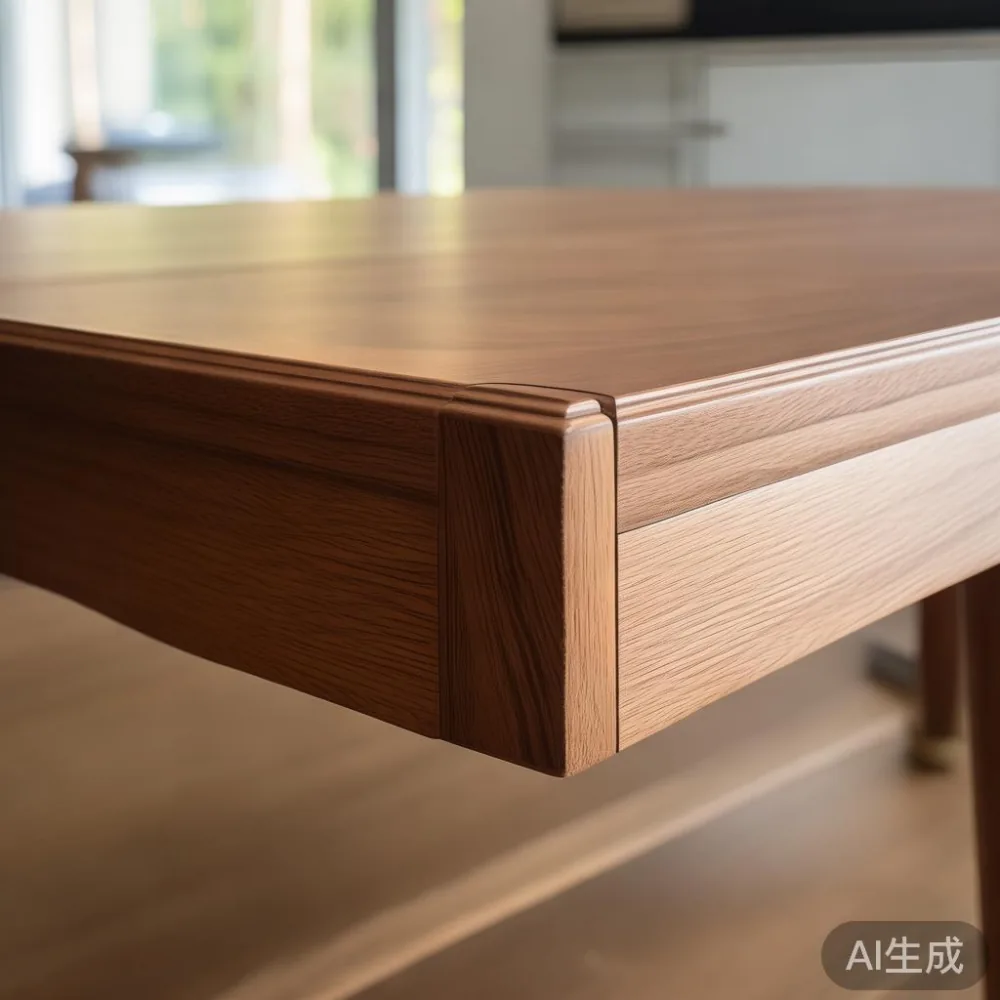
This comparison assumes a dining table bought for SGD 2,200, delivery within Singapore, use by a household of 4, and extension to 6–8 seats. I include GST because Singapore households pay it on most imported furniture. My figures are planning estimates rather than quotations, and actual prices depend on dimensions, timber, hardware and design.
MIDHILL makes solid wood dining tables and extendable table designs with a 10-year structural warranty and lifetime refinishing. Because this article compares ownership costs, it is useful to examine what happens to the surface after daily meals, damp weather and several moves between HDB blocks and private condos.
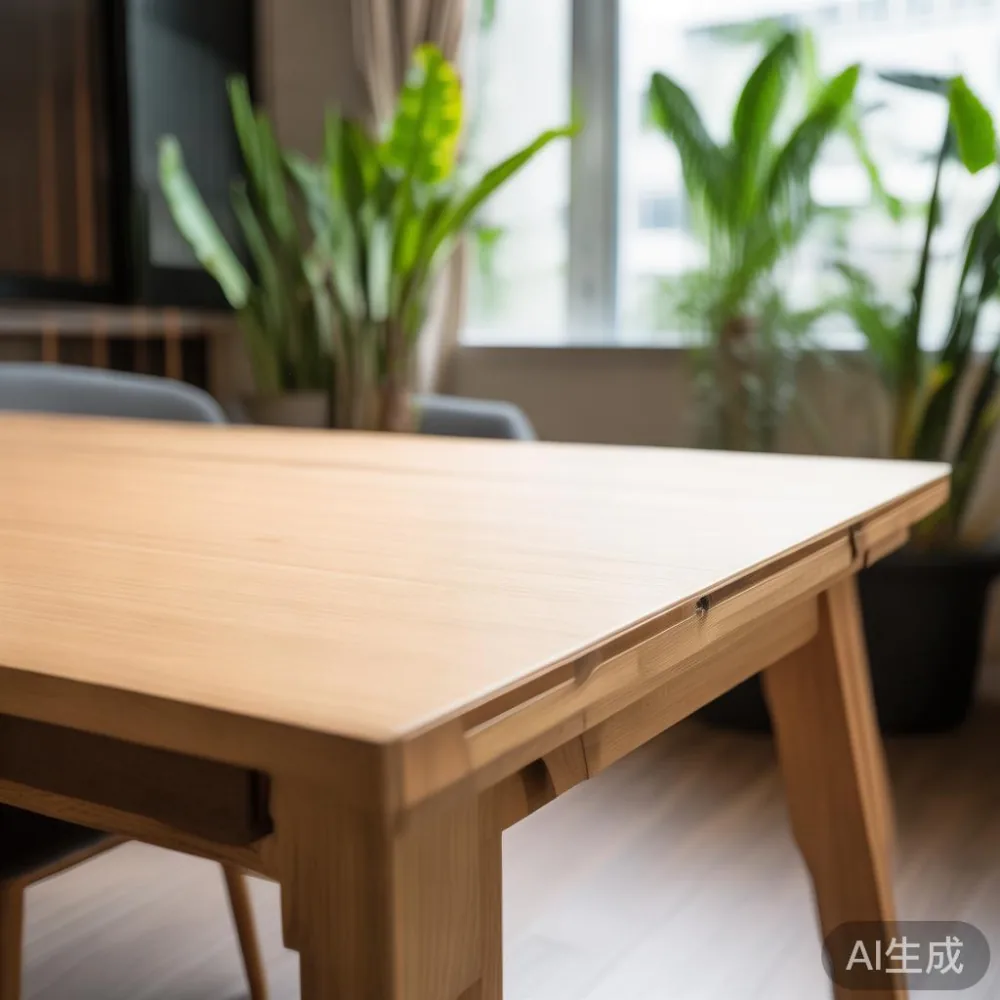
How much do veneer and solid wood extendable tables cost over 5 years?
Let us compare two realistic starting points for a 140–160 cm closed extendable table:
- Quality veneer extendable table: SGD 1,500 before GST, or SGD 1,653.75 with 9% GST.
- Solid wood extendable table: SGD 2,200 before GST, or SGD 2,398 with 9% GST.
The veneer option saves SGD 744.25 at purchase. A mid-range table bought for SGD 1,200 would reduce the initial gap to about SGD 519, while a more decorative solid wood model at SGD 3,000 would increase it to about SGD 1,299. These figures show why veneer can look attractive on the showroom floor.
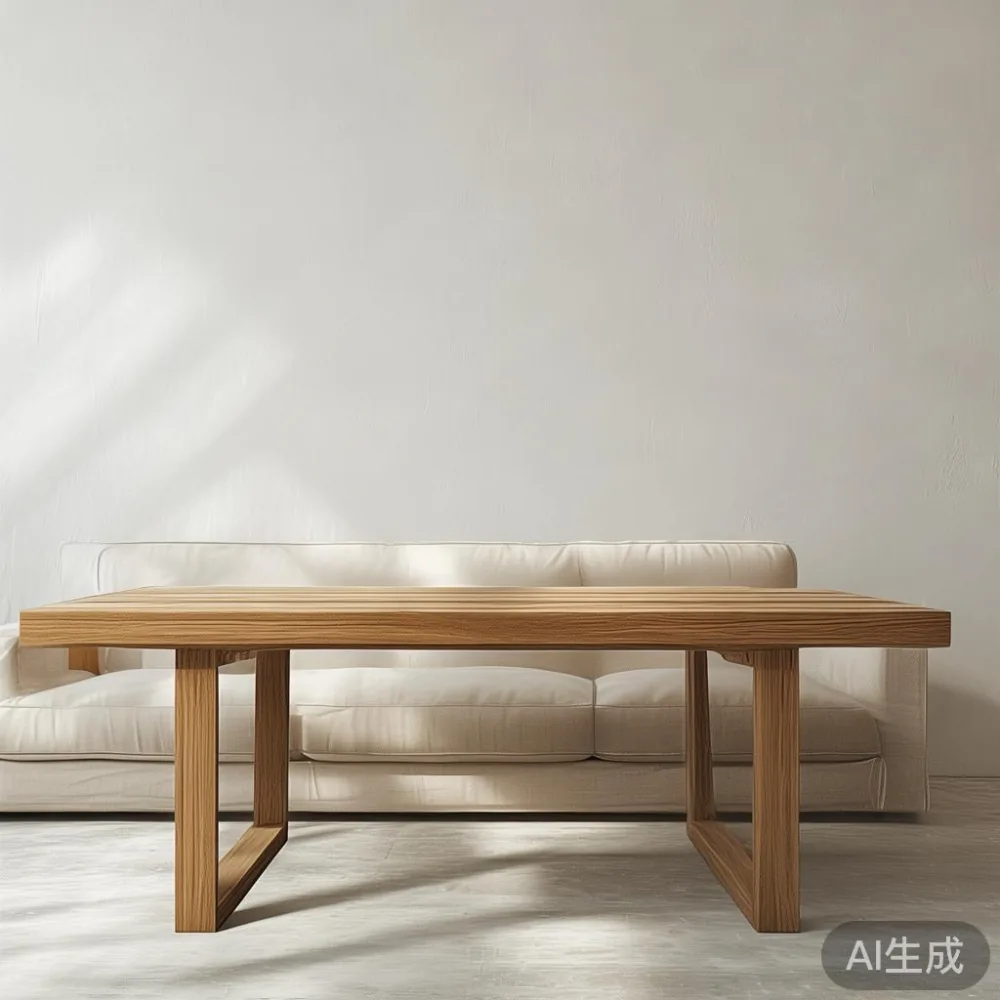
Over 5 years, however, a veneer table is not a single immutable object. Its top may peel, its internal mechanism may loosen, and its colour may fade. A solid wood table can also scratch, split or move, but its surface can usually be sanded and refinished. That recoverability is the main financial reason to consider solid wood over veneer.
For the calculation, I use the GST-inclusive figures of SGD 1,653.75 and SGD 2,398. I then add delivery, maintenance and likely repair costs. I do not include electricity, because a dining table uses none directly, or the resale value of the home. I also use a straight-line 5-year period rather than pretending every expense occurs in year one.
What are the first-year costs for delivery and installation?
Singapore homes make access a genuine design constraint. A typical HDB lift interior may measure about 110 cm wide and 140 cm deep, although block-specific dimensions vary. A condo corridor can be narrower at turns, while a private lift may accommodate a larger table but still present a difficult turning angle.
A boxed extendable table cannot always be turned through a 110 cm-wide doorway. A 160 cm top may need to be separated from its legs, while a 180 cm extension may need to be carried vertically. Standard delivery to the lobby is commonly SGD 80–180; carrying it to the level, assembling it and placing it in the dining area may add SGD 100–300.
For this comparison, I budget SGD 220 for each table. If the extension is delivered separately, add SGD 40–80 for a second handling trip. If stairs are involved, add roughly SGD 20–40 per flight. A lift booking fee of SGD 20–60 may also apply where the building requires it.
The physical difference matters. A veneer table with an MDF or particleboard core may weigh 38–52 kg, while a solid wood table of comparable size may weigh 48–70 kg. Solid wood is therefore heavier and less convenient above a HDB flat, but that weight often reflects the material available for repair. Neither should be forced through a corridor: measure the lift door, the corridor turn and the table’s longest component before ordering.
Last month, I visited a colleague’s Tampines home to inspect a dining table that had been delivered from Foshan. The package measured 168 × 82 × 19 cm and weighed 57 kg. The lift could take it straight to the floor, but the corridor turned sharply near the flat entrance. Removing the legs and carrying the top upright avoided 2 damaged corners. That visit also revealed why good packaging is money well spent: the table arrived with no chipped edge, and the delivery team completed placement in 35 minutes.
What maintenance costs should I expect for an extendable table?
For the veneer table, I assume 1 major surface incident during 5 years. A lifting, heat or moisture failure can require edge repair or the replacement of a veneer panel. Budget SGD 300–700 for a professionally repaired area, with SGD 500 used in the model. If the whole top must be replaced rather than patched, the cost can approach SGD 900–1,400 before GST.
Veneer also needs careful care. Use a damp cloth rather than a soaking one, keep standing water away from the edges, and place hot pots on trivets. A silicone mat around a 22 cm vase reduces scratches, and coasters with a 7–8 cm diameter help protect the finish. If the household expects 3–4 hot meals daily, the surface will experience more heat and moisture than an occasional dining surface.
For the solid wood table, I budget SGD 120 for 5 years of routine care: SGD 24 per year for a suitable cleaner, polish or minor touch-up. Scratches can be treated with a wax stick, while deeper marks may require sanding. Oak, ash or walnut finishes behave differently, so the correct maintenance product matters.
A full refinishing service is not guaranteed to be needed every 5 years. Allow roughly SGD 450–900 before GST for a professional refinishing job, depending on the table size and the condition of the timber. I use SGD 450 in the base case and include it only in year 3. A DIY kit may cost SGD 70–150, but it takes about 6–10 hours and the result depends on preparation and colour matching.
Expansion hardware also needs attention. A qualified carpenter or furniture technician might charge SGD 80–180 to tighten, align or repair slide components. I allow SGD 150 across 5 years for both examples. Solid wood expands and contracts more noticeably with humidity than many engineered panels, so an adjustable extendable table must have correctly designed slides and fixing points.
Are 5 years of repair and refinishing costs enough for solid wood?
Here is the base-case comparison, including GST where the repair is supplied as a taxable service:
| Cost item | Veneer extendable table | Solid wood extendable table |
|---|---|---|
| Table purchase | SGD 1,653.75 | SGD 2,398.00 |
| Delivery and placement | SGD 220.00 | SGD 220.00 |
| Scheduled maintenance | SGD 60.00 | SGD 120.00 |
| Expected major surface repair | SGD 545.00 | SGD 0.00 |
| One partial refinishing service | SGD 0.00 | SGD 490.50 |
| Slide and hardware service | SGD 150.00 | SGD 150.00 |
| 5-year total | SGD 2,628.75 | SGD 3,378.50 |
| Average per year | SGD 525.75 | SGD 675.70 |
Solid wood costs about SGD 749.75 more over 5 years in this scenario, or approximately SGD 149.95 per year. That extra amount buys a surface that can be restored. It does not mean solid wood is immune to damage, and it does not guarantee a resale premium in every resale market.
The result changes if a veneer top fails. A replacement top costing SGD 1,100, plus SGD 220 delivery and SGD 180 fitting, would bring the veneer total to SGD 3,868.75. A solid wood table refinished at mid-point would remain around SGD 3,378.50. If no repair is needed, the veneer example remains less expensive.
This is why “solid wood costs more” is incomplete. The more useful question is whether the buyer values repairability. For a rented condo in Punggol occupied for 3 years before relocation, lower initial outlay may make more sense. For a family keeping a Bedok flat for 15–25 years, a repairable table can spread its cost over a longer period.
How do Singapore humidity, sunlight and apartment routines affect the 5-year result?
Singapore’s outdoor relative humidity commonly ranges from about 65% to 95%, depending on the month, building and level. Indoor air-conditioned spaces are often drier, but kitchens and dining corners still receive humid air whenever doors open or windows are not mechanically ventilated.
Solid wood reacts to moisture. A 150 cm oak top might move around 2–4 mm across its width under substantial humidity changes, while a well-made table uses a stable construction, controlled joints and engineered slides to accommodate movement. Veneer is not automatically safer. Poorly sealed edges can lift, and high-pressure laminates can crease when heat is applied.
For an extendable table, I recommend measuring the closed and open dimensions against the dining zone. Leave at least 90 cm behind each seated person, around 60 cm between the table edge and a wall or cabinet, and ideally 75–90 cm from the table to a circulation route. A compact 120 × 70 cm table may suit a 9–12 m² dining corner better than a fixed 180 cm model, while a 140–160 cm extendable table handles 6 guests when open.
Protection is inexpensive compared with replacement. A table runner of 40 cm width, 2–3 mm thick can be used during daily meals. Coasters should sit beneath damp drink glasses, and the extension should be opened and closed gently. Inspect the slides every 6 months and tighten fixings when required.
This apartment scale also affects the wider room. An extendable table can pair with a light luxury sofa in an open-plan living and dining area, yet the visual finish must remain consistent when the extension is exposed. Veneer offers many printed grains at a lower price. Solid wood reveals knots, mineral streaks and small tonal changes; the latter are signs of natural material rather than defects when graded correctly.
What should I compare when checking a 5-year ownership quote?
Ask for the table’s core material, not merely the words “wood” or “wood finish”. For veneer, request the substrate, veneer thickness and edge construction. A 0.6–1.0 mm commercial veneer may be serviceable if its edges are protected; a very thin decorative veneer may be less forgiving. For solid wood, ask which species are used in the top, rails and legs, and whether the panels are solid throughout or only the visible surfaces.
Check the extension mechanism twice: with the table fully closed and fully extended. It should run without forcing, lock in both positions and leave only a small, even seam. Ask the seller what happens if the mechanism fails within the warranty period, and whether replacement parts are shipped to Singapore. MIDHILL offers a 10-year structural warranty and lifetime refinishing, which provides useful clarity for long-term ownership.
Get delivery terms in writing. Confirm the delivery window, lift fee, stair surcharge, damage procedure and whether assembly is included. A practical expectation is 10–25 days for stocked or standard configurations after the order is confirmed, although custom sizes and finishes can take 45–75 days. MIDHILL provides free shipping for orders over US$350, but the Singapore delivery charge, GST and access work should still be separated in a quote.
Payment timing also affects the calculation. Use a credit card only if the issuer offers a clear refund or cancellation policy, and avoid financing at 18–36% annual interest. The 14-day return period can reduce risk if the table has not been assembled or damaged, but check the written terms for a large furniture order.
For the wider home, a French light luxury direction often uses pale oak, tapered forms and restrained detailing. A post-modern light luxury scheme can pair a warm timber extendable table with curved seating. If you are studying how to style light luxury sofa in room around a dining area, keep the palette to 3 materials and 2 metal accents. This prevents the dining zone from competing with the living zone.
Which choice fits your Singapore home and budget?
A veneer extendable table can be the more economical choice when the price difference is at least SGD 500–700, the household expects a short 3–5 year tenancy, and the buyer accepts the risk of a future top replacement. The total may remain below SGD 2,600 over 5 years if there is no major incident.
A solid wood extendable table is more compelling when the table will remain in the family for 10 years or more, or when scratch repair and refinishing are priorities. In the base case, it costs about SGD 150 more per year than the veneer example while retaining a repairable top. The useful comparison is not the receipt price alone; it is the cost of preserving a usable dining surface.
Space and access still decide the format. Before buying, measure the narrowest lift door, the corridor turn, the stair landing and the dining alcove. Record the longest removable component, and make sure the extension can be stored without blocking a wardrobe or compressing a passage. A solid wood bed frame, nightstand or wardrobe may require similar access planning, while a marble table can present an even greater weight challenge.
Design references can help with selection. A search for under 2000 Rustic furniture may lead to darker, heavily grained oak, which suits some open-plan homes but can visually crowd a compact HDB dining area. For bedroom decisions, American bed vs Nordic bed comparisons often contrast a substantial headboard with a lighter profile, reflecting the same balance between visual weight and spatial restraint.
For a coordinated apartment, light luxury for apartment layouts benefits from one continuous timber tone. The same discipline applies to a MIDHILL European light luxury bed, a solid wood sofa or a marble table nearby: contrast can work when finishes repeat across the room. If the family favours American light luxury, clean profiles, generous spacing and a durable oak extendable table fit that direction particularly well.
Product selection should also account for actual dimensions. If comparing the best European light luxury sofa for 2026 alongside the dining zone, leave at least 90 cm between the sofa and the table edge for a main walkway. A tight 60 cm gap may work visually but will feel restrictive when the extendable table is open and chairs are occupied.
My practical conclusion is straightforward. Choose veneer if your priority is the lowest initial spend and your expected occupancy is short. Choose solid wood if you want a surface that can be maintained and restored over a long apartment tenure. For an exact quote or access measurements, contact MIDHILL at +86 188 2788 2512, then compare the 5-year total rather than the purchase price alone.