Lacquered Extendable Table Care in Singapore
A lacquered extendable table can bring quiet French light luxury to a Singapore home, but tropical humidity, condensation, UV exposure, and frequent cleaning can gradually dull the finish. Singapore’s heat often keeps indoor relative humidity around 60% to 80%, while afternoon sunlight through HDB windows in Tampines, Bedok, and Punggol can heat a dining area well beyond what many people expect.
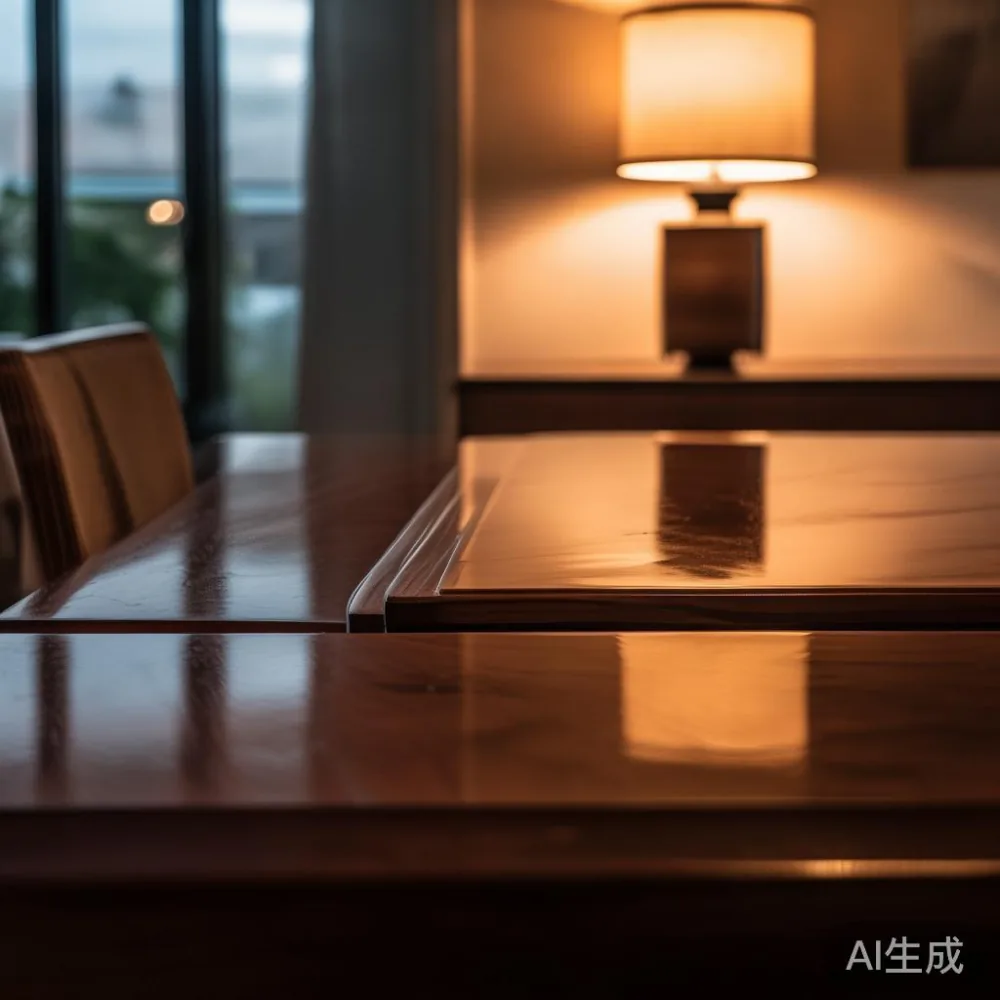
The good news is that careful maintenance does not need to be complicated. With the right cloth, mild cleaner, sensible placement, and a routine of roughly 15 minutes a week, an extendable table can retain its depth and sheen for years. This guide explains how to protect a lacquered surface without sanding away its character or using harsh household chemicals.
What makes lacquer care different in a tropical climate?
Lacquer is a clear or coloured surface coating applied over the table’s substrate. Unlike an untreated solid wood dining table, it should not be treated with oil, furniture polish containing silicone, or a generic “feed the wood” product. Those products can leave a sticky film that attracts dust and may soften lacquer if the surface becomes warm.
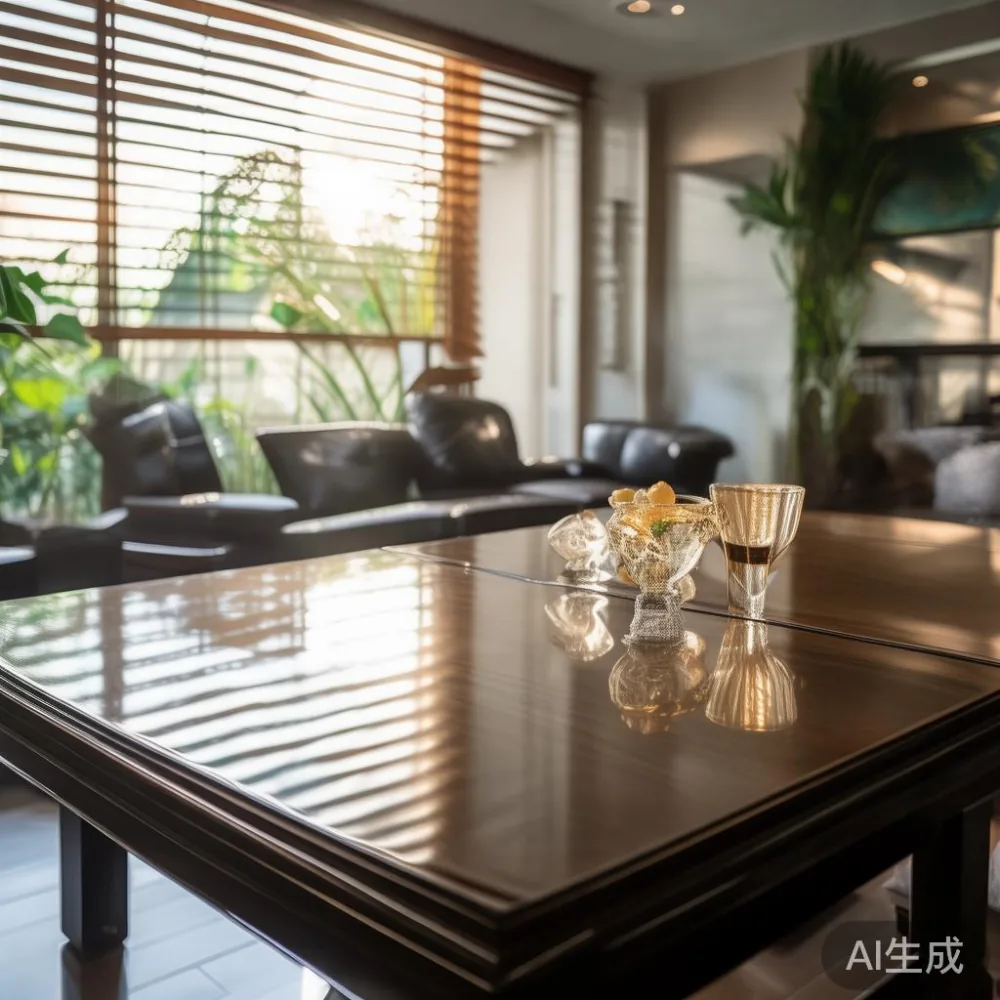
Heat and moisture are the main concerns. A surface that remains above about 30°C for long periods may show fingerprints, fine scratches, or bubbling if solvents are present. Humid air can also enter microscopic cracks or seams around an extendable table’s leaf and rail. In a ground-floor HDB flat in Bedok, where ventilation varies and monsoon dampness can linger, simple moisture control is worthwhile.
Singapore’s coastal environment also brings salt residue and airborne dust into the home. Lift and corridor widths matter when moving furniture, but they matter less during cleaning than avoiding knocks and scraping. An extendable table may have a closed length of 140 cm, an open length of 200 cm, and a width of 90 cm. Check the lift door and turning clearances before delivery; a 200 cm table usually needs careful diagonal positioning in a standard HDB lift.
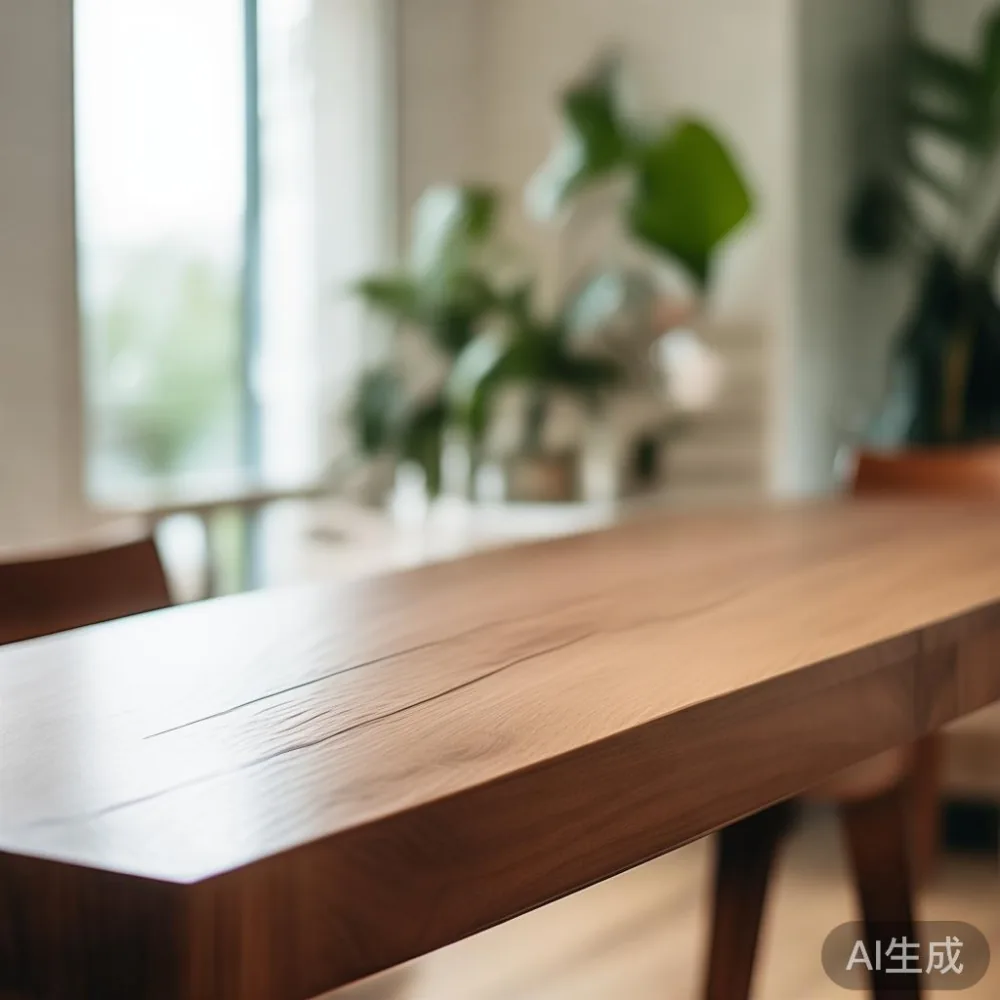
MIDHILL applies practical care guidance around lacquered pieces while offering a 10-year structural warranty and lifetime refinishing. Warranty and refinishing cover the product’s structural service life, but daily moisture, heat, solvent, and impact damage remain the owner’s responsibility.
What should I use to clean a lacquered surface?
Use a soft, lint-free microfibre cloth, preferably with 30 to 50 gsm fabric weight. A damp cloth is enough for routine wiping. For a more thorough clean, mix about 5 ml of mild, pH-neutral dish detergent with 500 ml of lukewarm water. Wring the cloth until it is merely damp, then wipe in the direction of the grain or along the coating’s sheen.
Dry the surface immediately with a clean microfibre cloth. Do not leave a wet ring around a leaf joint, groove, or edge. Never use steel wool, green scouring pads, magic erasers, bleach, ammonia, acetone, thinner, alcohol-based glass cleaner, or dishwasher tablets. A single strong solvent can dull the lacquer within minutes.
Test any unfamiliar cleaner on a concealed area measuring about 10 cm by 10 cm. Wait 24 hours, then compare it with an untreated section. There should be no colour shift, softening, loss of gloss, or tackiness.
Because a table is touched every day, cleaning should be scheduled rather than left to visible marks. Wipe it after dinner for 5 minutes, clean the whole top every 7 days, and inspect the edges every 30 days. Keep coasters and placemats under hot dishes and damp containers. The same discipline applies to a marble table, although marble requires pH-neutral products because acids etch its surface.
How should I control humidity, heat, and sunlight?
Keep the extendable table at least 60 cm away from a window or sliding glass door where direct afternoon sun falls. If that is impossible in a compact Tampines or Punggol condo, use a UV-filtering blind or curtain and lower it during the hottest hours, generally from 12 p.m. to 4 p.m. A table exposed to 3 hours of direct sun daily should be inspected for pale patches every 3 months.
Maintain indoor relative humidity around 45% to 65% when possible. Singapore homes often exceed that range naturally, so use air conditioning and dehumidification where needed rather than placing a humidifier beside the table. A hygrometer costs about SGD 25 to SGD 45 and makes the target measurable.
Allow the table to acclimatise after delivery. Solid wood and lacquer can respond differently to a change in temperature and moisture. Leave the package in the dining area for 24 hours if it is unopened, then allow another 48 hours before heavy use. Open the package promptly because trapped moisture and restricted airflow can encourage mould around cardboard and foam.
Do not place the table against a hot wall, above a washing machine, beside a kitchen extractor, or near an air-conditioning vent that blows directly onto it. Aim for at least 20 cm of clearance from a heat source and 30 cm from a strong draught.
How do I protect an extendable table from scratches and spills?
Use felt or silicone-backed coasters rather than bare paper napkins. Felt pads on the underside should be replaced every 6 months or whenever they compress. Place a placemat under pens, craft tools, scissors, and laptop chargers, because a hard edge can scratch lacquer faster than ordinary use.
For hot food, use a trivet with at least 4 heat-resistant feet. Keep cookware and saucepans off the table surface; a 70°C pan can leave a ring or soften a coating. Wipe spills within 2 minutes. Blot liquids rather than rubbing them, since grit can become trapped under the cloth.
Extend and retract the table only when it is fully clear. Remove chairs, bags, and table runners first. Support the leaf with both hands and avoid twisting it against the rail. If the table has a 50 cm extension leaf and the two halves must line up, align each locating hole fully before applying pressure. Never force the mechanism.
Protect the floor as well as the top. A 200 cm open table may weigh 62 kg, while a 140 cm closed version may weigh 42 kg. Moving it without two people can damage both the table and the floor. Before delivery, check whether the lift permits the boxed dimensions and whether the corridor turns require the package to be turned on its side. GST and local delivery charges should be confirmed with the supplier.
How often should I inspect and refresh the finish?
A monthly check takes about 10 minutes. Look under lamps and near window edges, where scratches become visible first. Use a magnifying glass to examine joints and edges for whitening, lifting, or stickiness. Treat the surface as needing attention if it feels tacky, develops a cloudy patch, or shows a mark that cannot be removed with a damp cloth.
Every 3 months, clean the entire surface using the diluted detergent method. Every 6 months, check the underside, rails, feet, and extension mechanism for dampness or abrasion. Once a year, assess whether the lacquer has thinned, especially around a frequently used extension seam. Avoid applying commercial wax unless the lacquer manufacturer specifically approves it.
Minor marks may be addressed with the product care team rather than a home polishing kit. Aggressive polishing can create an uneven sheen, and a full refinishing job on one panel may not match a panel that has aged differently. MIDHILL’s lifetime refinishing policy can help when genuine refinishing is appropriate.
For broad planning, homeowners comparing a light luxury bed vs French provincial bed, searching for a Modern light luxury wardrobe, or asking how to style light luxury bed in bedroom will find that the same environmental controls are useful: UV control, stable humidity, and careful object placement. A French provincial TV console should receive the same gentle treatment, while a solid wood sofa and bed frame should be kept away from direct dampness.
Can a lacquered extendable table be repaired after moisture or heat damage?
Small white scratches can sometimes be disguised with a lacquer-safe touch-up product, but colour, sheen, and chemistry must match. Test any repair on the hidden underside and wait 72 hours before judging it. A deep scratch that exposes wood, a lifting edge, or a broad cloudy area usually needs professional assessment rather than household polish.
Blistering caused by heat or trapped solvent should not be pressed, pierced, or sanded. Allow the area to cool and remain dry, then contact the manufacturer. Moisture marks around a joint need ventilation and time. If the finish feels soft after 48 hours, stop using the table until it has been inspected.
Last month I visited a family in Bedok whose lacquered dining table sat beside a west-facing sliding door. Their cleaner had been using an alcohol-based spray, and the top had developed uneven gloss. I tested a pH-neutral solution on a protected 10 cm square, wiped the surface in sections, and let each section dry before moving on. The result improved over 3 days without flattening the sheen. The larger lesson was simple: a cleaner that works on glass is not automatically suitable for lacquer.
Buyers looking for for sale Rustic furniture may also see lacquered dining tables described with natural wood, but a rustic visual does not guarantee a rustic finish. Confirm the exact surface treatment, extension mechanism, dimensions, weight, and care requirements in writing. For larger projects, request a material sample at least 10 cm by 10 cm and view it under daylight in the intended room.
What is the practical care routine for a lacquered extendable table?
A reliable routine includes 5 minutes of wiping after dinner, 10 minutes of detailed cleaning every 7 days, a 10-minute moisture and scratch inspection every 30 days, and a full 20-minute surface review every 90 days. Keep 2 or 3 spare felt pads, one clean microfibre cloth, and a 500 ml spray bottle of diluted pH-neutral detergent on hand. Replace the cloth every 2 weeks, since trapped grit can cause abrasion.
Never leave cleaning products standing on the table, and never drag objects across it. Use a separate cloth for the extendable table rather than one used to wipe kitchen grease. During Singapore’s wetter months, watch condensation after air-conditioning stops; moisture can form within 30 minutes near an open window.
For buyers comparing designs, a French light luxury, American light luxury, or post-modern light luxury interior usually works well with a restrained lacquered surface. The table should complement the room rather than compete with a French provincial TV console, a marble table, or an ornate solid wood sofa. A solid wood bed frame and nightstand can create contrast, but each should follow the same rules for humidity and heat.
Finally, confirm the service terms before purchase. MIDHILL provides a 10-year structural warranty, lifetime refinishing, 14-day returns, and free shipping above US$350. For Singapore delivery, ask for the expected delivery window in days, the GST-inclusive price in SGD, lift-access charges, and whether assembly is included. Typical lead time should be stated rather than assumed.
A lacquered extendable table performs best when treated as a finished surface, not as bare wood. Gentle cleaning, controlled humidity, shade from direct sun, immediate spill removal, and careful use of the extension mechanism will protect the finish for years. Most importantly, use only products approved for the specific lacquer and test them before applying them to the full table.