Working through Humidity: A Guide to Solid Wood Furniture in Singapore's Climate
Singapore's unique tropical climate, characterised by high humidity levels averaging between 70% and 90% year-round, presents a distinct challenge for homeowners, particularly for furnishing their living spaces. The constant moisture in the air can significantly affect natural materials, and solid wood furniture is no exception. For residents in HDB flats across Tampines, Bedok, and Punggol, or those in condominiums with specific lift and corridor width restrictions, understanding this relationship is key to maintaining the beauty and longevity of their investment. This article explores the science behind wood's reaction to humidity, offers practical advice for care, and highlights how choosing the right furniture can make all the difference.
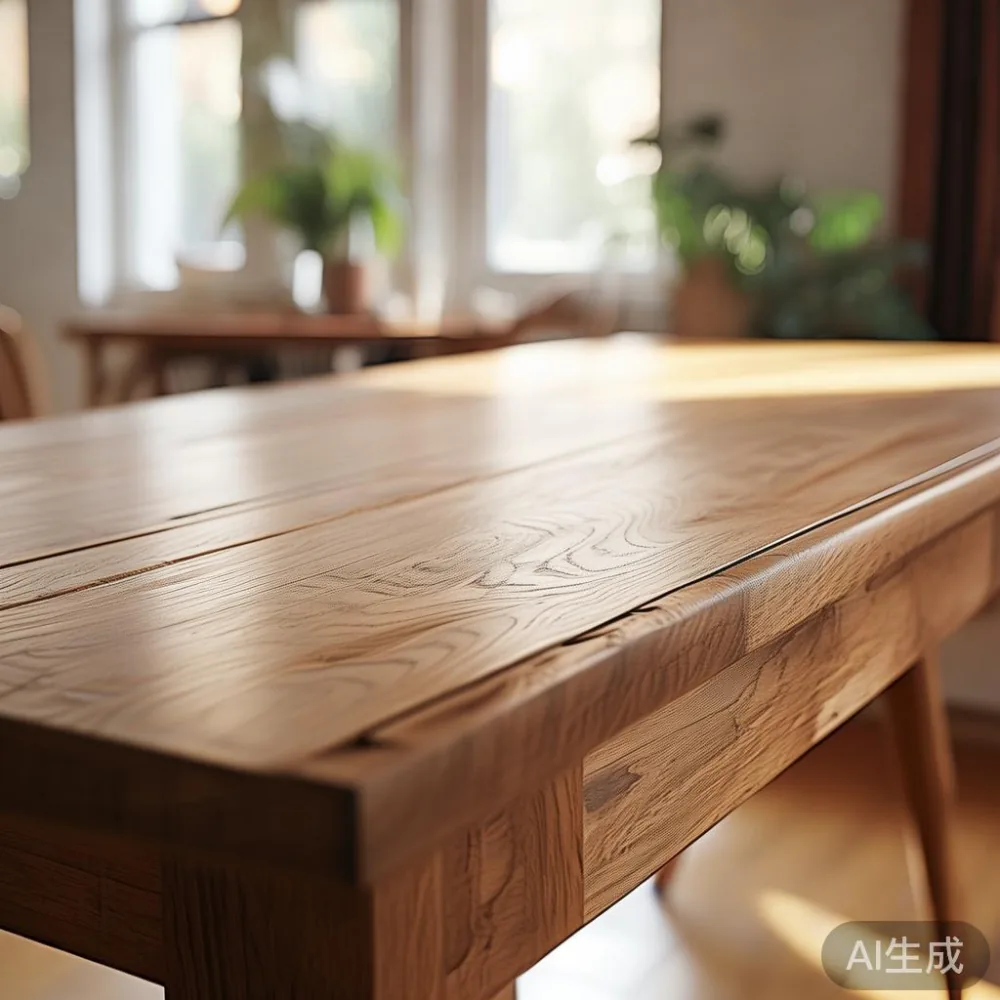
Why Does Humidity Affect Solid Wood Furniture So Much?
At its core, wood is a hygroscopic material. This scientific term means it naturally absorbs and releases moisture from the surrounding air. Think of it like a sponge, but one that responds to humidity rather than direct water. In Singapore, the consistently high humidity means wood is constantly absorbing moisture. This absorption causes the wood fibres to swell, leading to expansion. Conversely, during a rare dry spell or in air-conditioned rooms, the wood releases moisture and contracts.
This natural cycle of expansion and contraction is perfectly normal. However, when it happens too rapidly or to an extreme degree, it can manifest as visible and sometimes problematic changes in your furniture. You might notice gaps on a solid wood dining table closing up, or a drawer in a wardrobe becoming tighter and harder to open. In more severe cases, uncontrolled humidity can lead to warping, where a tabletop or cabinet door twists out of shape, or cracking, where the wood dries too quickly and splits. For a family in a 120-square metre apartment in Punggol, a warped dining table can be a daily frustration, affecting both the function and aesthetic of their home.
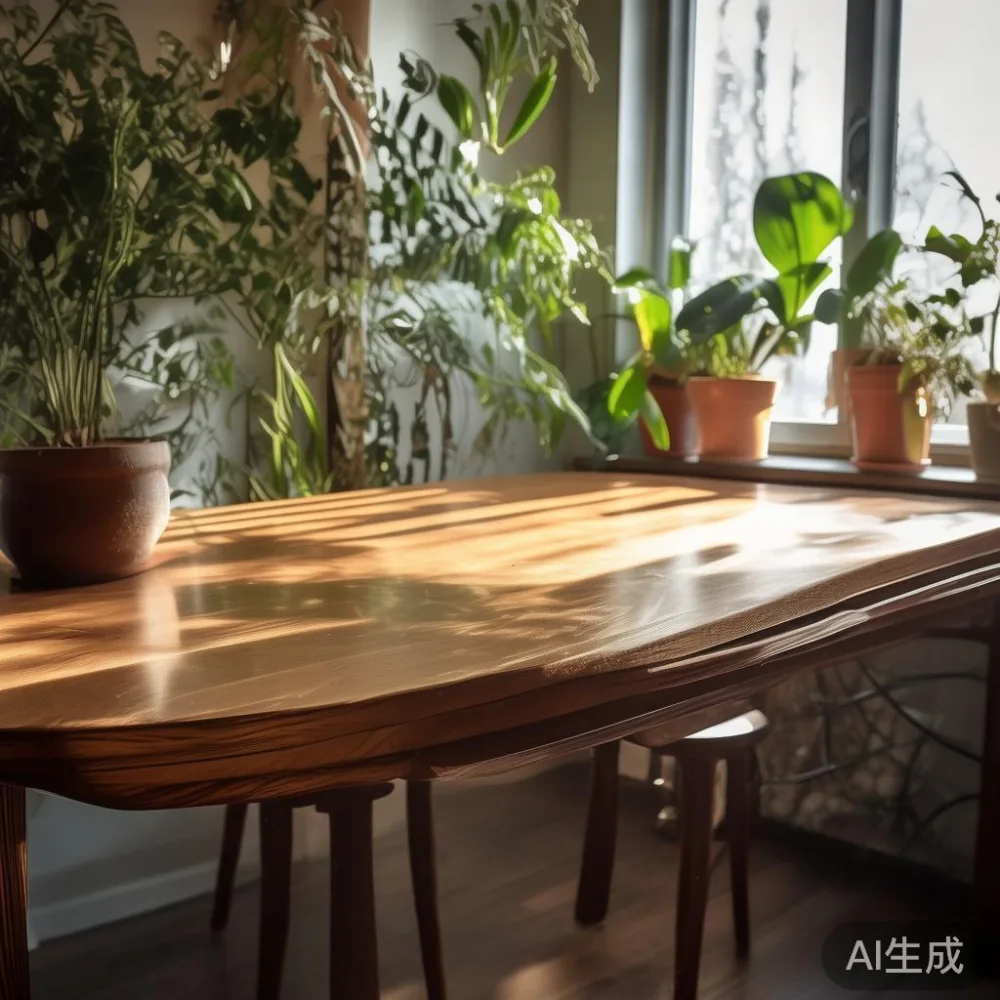
How to Identify Humidity Damage in Your Wood Furniture
Recognising the early signs of humidity-related stress on your furniture is the first step in preventing permanent damage. Being observant can save you from costly repairs or replacements down the line. The key is to look for changes that seem to correlate with shifts in your home's environment.
One of the most common signs is sticking doors and drawers. As humidity increases, a solid wood wardrobe's panels expand. If this expansion is significant, the door may rub against the frame, making it difficult to open or close smoothly. Similarly, a drawer in a nightstand might become so swollen it jams in its tracks. This is often most noticeable in the morning when humidity levels are typically at their peak after a night with windows closed.
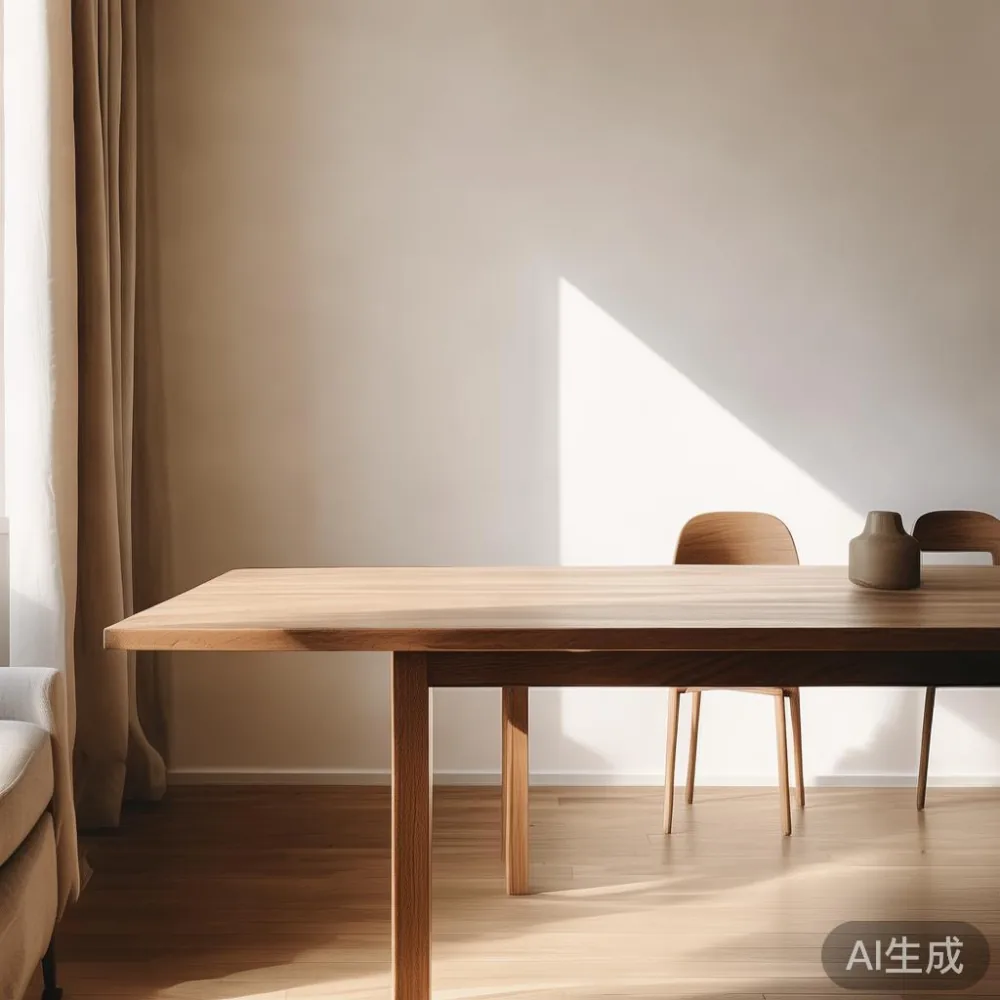
Another indicator is cracks and fissures. While this seems counterintuitive in a humid climate, it can happen when a piece of furniture is exposed to a rapid change. For example, if a solid wood bed frame is placed directly in front of an air-conditioning vent, the wood on one side can dry out much faster than the other, causing stress that leads to small cracks. You might also see cracks developing on the surface of a marble table top, especially if it's supported by a solid wood base that is expanding and contracting at a different rate.
Finally, watch for visible warping or cupping. Warping is a twisting or bending of the wood, often seen in long, unsupported sections like a table leaf. Cupping is when the edges of a board rise higher than the centre, creating a concave or "cupped" surface. These changes are often subtle at first but can become more pronounced over time if the humidity issue is not addressed.
Can an Extendable Table Handle Singapore's Humidity?
This is a question we hear frequently from homeowners in Singapore. The answer is a qualified yes, but with a important caveat: the quality and construction of the table are paramount. A well-made extendable table is specifically designed to accommodate the natural movement of wood, making it a viable option for humid climates like Singapore's.
The primary concern with any extendable table is the mechanism that allows it to expand and retract. The leaves must be able to slide in and out smoothly without binding. In a high-humidity environment, the table's main frame and the leaves will expand. If the tolerances in the mechanism are too tight, the leaves can become stuck. A high-quality extendable table, however, will have engineered joints and sufficient clearance to allow for this expansion. The key is the material and craftsmanship. Cheaper tables made from lower-quality woods or with poorly designed mechanisms will fail. A well-constructed piece, like those from makers who understand regional climates, will last for years, easily handling the expansion and contraction cycles without issue.
My colleague, Sarah, who lives in a Bedok HDB flat, recently tested this theory. Last month, I visited her new home where she had just installed a 180cm extendable table that expands to 250cm. She was worried about the humidity affecting the leaves. I pointed out the robustness of the central butterfly mechanism and the fact that the table was made from a kiln-dried, stable hardwood. Three months later, she reported that the table has performed flawlessly, even after several periods of intense rain where the humidity in her living room hovered around 85%. The leaves slide out smoothly for her weekly family gatherings, proving that a well-designed extendable table is not just a possibility but a practical choice for Singaporean homes.
Practical Tips for Caring for Your Solid Wood Furniture in Singapore
Living with solid wood furniture in Singapore doesn't mean you have to live with constant problems. With a few simple practices, you can help your furniture adapt to the climate and maintain its beauty for decades. The goal is to create a stable micro-environment around your pieces.
First, control the humidity where possible. While you can't change the weather, you can influence the climate inside your home. Using a dehumidifier in particularly damp areas like storerooms or during the monsoon season can help. Conversely, running an air-conditioner not only cools the room but also removes moisture from the air. For a solid wood sofa or bed frame, placing it away from direct sources of humidity, like an open bathroom window or an unventilated balcony, is a simple but effective measure.
Second, maintain a consistent environment. Avoid drastic fluctuations. Try not to move a piece of furniture from an air-conditioned room to a humid balcony and back again. This kind of shock can cause the wood to react unpredictably. Also, be mindful of placing hot items directly on a wooden surface. A hot dish on a dining table can create a moisture pocket, causing the wood underneath to swell discolour.
Finally, regular care and maintenance are your best friends. Dust your furniture regularly with a soft, dry cloth to prevent the buildup of abrasive particles. Every 3-6 months, depending on usage, apply a high-quality furniture wax or polish. This creates a protective barrier that helps seal the wood from absorbing excess moisture too quickly. It also nourishes the wood, keeping it supple and less prone to drying out and cracking.
Choosing the Right Furniture: A Guide for Singaporean Homes
When selecting new furniture, especially for a home in Singapore, making informed choices can prevent many humidity-related issues before they even begin. It's about looking beyond the style and considering the material and construction.
Wood selection is critical. Some woods are naturally more stable and less reactive to humidity changes than others. Teak, for example, is renowned for its high oil content and density, making it exceptionally resistant to moisture and warping. Mango wood is another excellent choice, known for its stability and beautiful grain. When considering a light luxury wardrobe or a marble table, ask about the wood used for the frame and supports. Opting for a stable hardwood will provide a much longer-lasting foundation.
The construction method is just as important. Look for furniture that uses dovetail joints on drawers and mortise and tenon joints for frames. These traditional joinery techniques are incredibly strong and allow the wood to move naturally without compromising the structural integrity of the piece. Avoid furniture held together with staples or cheap glue joints, which are more likely to fail under stress.
For those who appreciate a specific aesthetic, the principles remain the same. Whether you're drawn to the clean lines of a post-modern light luxury sofa or the classic elegance of a French-inspired dining set, ensure the core construction is sound. The question of is Japandi sofa worth it in Singapore's climate can be answered by examining the materials used. A true Japandi piece, with its focus on natural materials, will perform well if made from the right, stable woods. Similarly, when comparing a European light luxury sofa vs Italian light luxury sofa, the difference may come down to the specific wood treatments and joinery techniques employed by each manufacturer, which directly impact their suitability for humid environments.
How to Style Light Luxury Bed in Apartment for a Humid Climate
Creating a light luxury aesthetic in your Singapore apartment is about achieving a balance of elegance, comfort, and practicality. It’s a style that values quality materials and thoughtful design over excessive ornamentation. The key is to choose pieces that are both beautiful and well-suited to your environment.
Start with the bed frame. A light luxury bed with a simple, upholstered headboard in a breathable fabric like linen or cotton can create a soft, inviting focal point. The frame itself should be made from a stable hardwood. When styling, consider the airflow around the bed. In a humid climate, you want to avoid a cluttered look that traps air. Opt for a minimalist nightstand with a clean design. A marble top can add a touch of luxury while the solid wood base provides stability.
The choice of a light luxury bed vs Modern bed often comes down to texture and materiality. A light luxury bed might feature more natural textures and warmer tones, which can work beautifully in a Singaporean apartment. Pair it with bedding in natural fibres like cotton or bamboo, which are breathable and help regulate temperature. For storage, a how to style light luxury wardrobe in bedroom involves keeping the doors simple and handle-less to maintain a clean, unbroken line. This not only looks sophisticated but also makes the piece feel less bulky in a smaller room.
When selecting other pieces like a solid wood sofa, look for designs with visible, high-quality wood legs. This improves the piece off the floor, improving air circulation around it. For a dining area, an extendable table is a perfect solution for Singaporean living spaces, allowing you to accommodate guests without permanently taking up too much room. The style of the extendable table should complement the rest of your light luxury decor—perhaps with clean lines and a rich wood finish that adds warmth to the space. The goal is a cohesive look where every piece, from the bed to the marble table in the living room, contributes to a harmonious and comfortable home.