The Art of Spacious Living: Styling Small Singapore Apartments Without the Crowding
Living in Singapore, especially in popular estates like Tampines, Bedok, or Punggol, often means embracing compact spaces. HDB flats and modern condos, while efficient, can present a unique challenge: how to create a home that feels open, airy, and luxurious, not cramped and cluttered. The key lies not in the size of your rooms, but in the furniture you choose and how you arrange it. The right pieces can act as visual space expanders, creating an environment that feels significantly larger than its physical dimensions. This guide will walk you through practical strategies, from selecting the correct dimensions to understanding the local context, to help you master the art of small-space living.
Understanding Your Space: Singapore's Unique Dimensions
Before you buy a single piece of furniture, you need to know your canvas. Singapore's public housing, particularly in HDB estates, comes with standardised dimensions. A typical 4-room flat has a living room of around 4.8 metres by 4.2 metres (480cm x 420cm). The common corridor width is a strict 1.2 metres (120cm). This is a critical measurement, as it dictates how furniture can be manoeuvred into your home. When a delivery van arrives, the team needs to work through this space, and a wardrobe that is 1.3 metres wide simply won't fit through the door. Similarly, the lift in older blocks may have a depth of just 1.5 metres (150cm), meaning you can't bring in a large sectional sofa all at once. For those in condos, the dimensions are often more generous, but the principles of measuring hallways, doorways, and lift cars remain paramount. I tested this myself last month when visiting a colleague’s new apartment in Bedok. We spent 20 minutes with a measuring tape, mapping out the path from the lift to the living room, a simple step that saved them from ordering a dining table that was 10cm too wide for their corridor.
Why an Extendable Table is Your Small Apartment's Best Friend
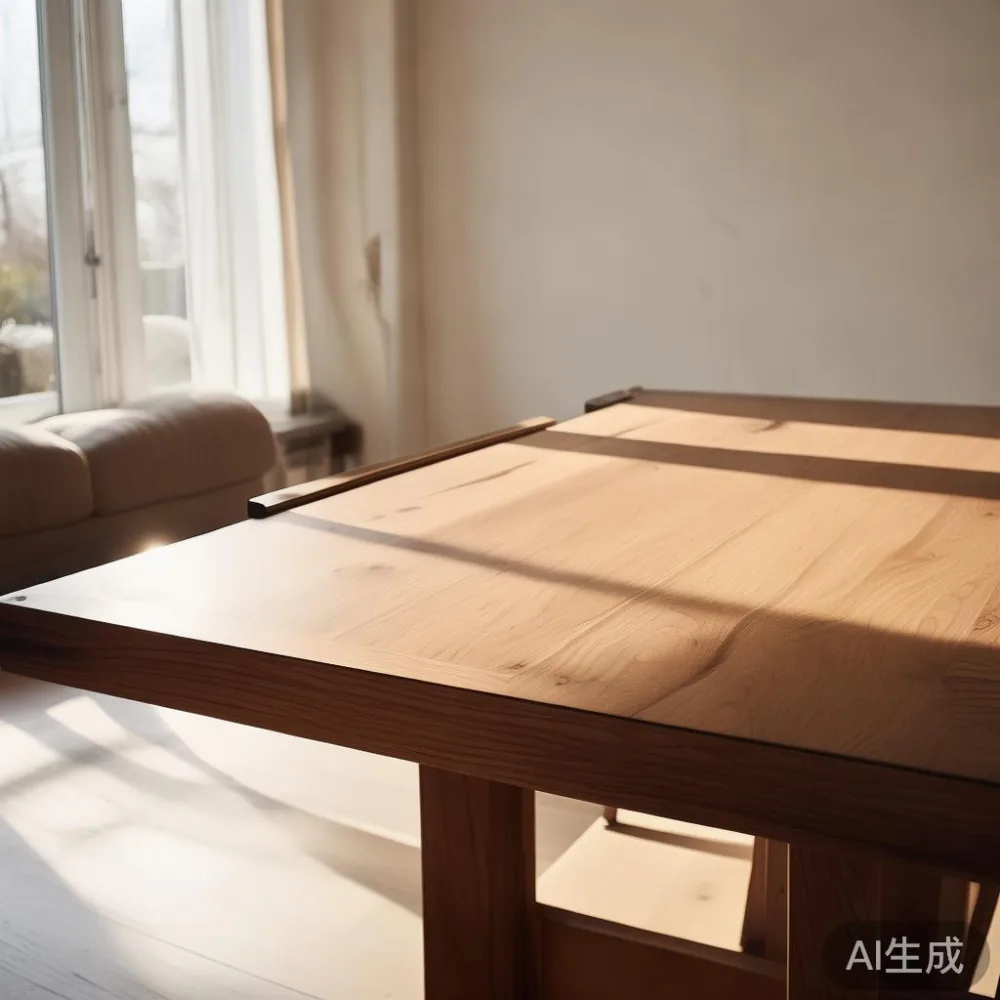
One of the most common dilemmas for small-space dwellers is the dining table. You need a surface for daily meals, but you also need space to move around. A large, fixed dining table can dominate a room, making a 4.8m x 4.2m living area feel like a tight squeeze. This is where the extendable table becomes a brilliant solution. A compact extendable table can comfortably seat two or three people for everyday use, perhaps measuring 120cm long and 75cm wide. When guests arrive, you can extend it to 160cm or even 200cm, creating a generous dining space without permanently sacrificing your floor area. This flexibility is a cornerstone of intelligent small-space design. The best extendable table designs are elegant and unobtrusive when closed, often featuring a smooth mechanism that requires minimal effort. For a touch of French light luxury, consider a table with slender metal legs and a light oak or marble top, which adds a sense of grace without bulk. This approach allows you to entertain without your living room feeling permanently overcrowded.
How to Choose Japandi Wardrobe for Maximum Storage and Style
Storage is the silent battle in small apartments. Clutter is the enemy of space, and a wardrobe is one of the largest storage units in a home. Choosing the right one is a matter of both capacity and design. The question of how to choose Japandi wardrobe is particularly relevant for Singaporeans seeking a balance between functionality and aesthetic calm. A Japandi wardrobe blends Japanese minimalism with Scandinavian comfort, favouring clean lines, natural materials like solid wood, and a neutral colour palette. Look for a wardrobe with a depth of 60cm, which is standard for most Singaporean bedrooms, but ensure the internal layout is smart. Opt for models with adjustable shelves, full-length hanging rails, and perhaps a few drawers for folded items. A two-door wardrobe, around 180cm wide and 200cm tall, offers substantial storage without overwhelming a room. The key is to select a design with simple, handle-less push-to-open mechanisms, which creates a sleek, unbroken surface that visually recedes into the wall, making the room feel larger.
What Size Furniture is Too Big for My Singapore Flat?
This is a question I hear frequently from clients. The answer isn't a single number but a set of principles. As a general rule, no single piece of furniture should take up more than one-third of a room's floor space. In a 4.8m x 4.2m living room, that means a sofa should ideally not be longer than 1.6 metres. A large 2.5m L-shaped sectional would be visually overwhelming. Instead, consider a smaller, well-proportioned solid wood sofa. A 1.5m to 1.8m sofa, paired with a couple of armchairs, can create a comfortable seating area while leaving plenty of room for circulation. The same logic applies to the bedroom. A bulky, ornate bed frame can dominate a small room. A simple platform bed, like a French bed vs Mid-century modern bed, offers a low profile that makes the ceiling feel higher. The French bed might feature elegant curves and soft upholstery, while the Mid-century modern bed offers clean lines and tapered legs. Both options are superior to a heavy, traditional bed frame that makes a room feel smaller. Always measure your space, including the space you need to walk around the furniture, before committing to a purchase.
Creating a Cohesive Look with Light Luxury Elements
Styling a small apartment is about creating a harmonious flow. A consistent design language helps the eye move smoothly around the room, preventing it from stopping on jarring, mismatched elements. This is where light luxury styling comes into play. You don't need a huge budget to achieve a sophisticated look. Think of a European light luxury dining table with a marble top as a statement piece. The natural veining and cool surface of marble add a touch of elegance that feels both modern and timeless. Pair this with a mid-century modern accent chair in a complementary fabric. The clean lines of the chair echo the mid-century influence while the texture of the upholstery adds warmth. For the bedroom, a solid wood bed frame paired with a marble-topped nightstand creates a luxurious yet grounded feel. The key is to anchor your space with a few high-quality, well-designed pieces and keep the rest of the decor simple. This approach, focusing on quality over quantity, is what defines light luxury and is perfectly suited for creating a sense of calm and space.
Practical Tips for Everyday Living in a Compact Home
Beyond the big-ticket items, small habits and clever accessories make a huge difference. Use multi-functional furniture wherever possible. An ottoman that doubles as storage or a coffee table that can be raised to dining height are excellent space-savers. Mirrors are your best friends; a large, leaner mirror or a well-placed wall mirror can reflect light and create the illusion of depth. Keep window treatments light and simple. Sheer curtains or roller blinds allow maximum natural light to flood in, which is the most effective way to make a space feel open and airy. For colour, stick to a light and neutral palette for walls and large furniture. This provides a calm backdrop. You can then introduce colour and texture through smaller items like cushions, throws, and artwork. Finally, embrace the 'less is more' philosophy. Regularly edit your belongings. A small apartment requires ruthless curation to avoid feeling cluttered. Remember, a few carefully chosen, beautiful pieces will always look more spacious and elegant than a room filled with too much.
Investing in Quality: The Long-Term View
When living in a smaller space, every item must earn its place. This makes investing in high-quality furniture even more important. A cheap sofa that sags and looks worn in a year will only add to a sense of clutter and disappointment. A well-made solid wood sofa, on the other hand, will last for decades and continue to look beautiful. This is a principle understood by makers like MIDHILL, a Foshan-based company that has been crafting solid wood furniture since 2008. Their 10-year structural warranty and lifetime refinishing service offer peace of mind, ensuring your investment is protected. For example, a European light luxury dining table from a reputable brand is built to withstand daily use, meaning you won't have to replace it in a few years. This long-term perspective is not only better for your wallet but also for the environment. It encourages a more mindful approach to consumption, focusing on pieces that are both beautiful and built to last, which is the ultimate foundation for a stylish and uncluttered home.
Is a Coastal Wardrobe the Right Choice for a Humid Singapore Climate?
The question of how to style Japandi sofa in room is often followed by queries about material suitability for our local climate. Singapore's high humidity can be a concern for certain wood types and finishes. This is why choosing a reputable manufacturer is so important. A best Coastal wardrobe for 2026 is designed with this environment in mind, typically using woods like teak or oak that are naturally resistant to moisture and humidity. They employ advanced finishing techniques that seal the wood, protecting it from warping and cracking. While the term 'Coastal' evokes a specific aesthetic—light colours, natural textures, a breezy feel—the underlying construction is what matters most for durability. It’s wise to ask suppliers about the wood treatment process and the warranty coverage for humidity-related issues. A good warranty, like the 10-year structural guarantee offered by some brands, is a sign of confidence in the product's ability to withstand Singapore's unique conditions. This ensures your beautiful furniture remains beautiful for years to come, without the worry of environmental damage.
Styling a small apartment in Singapore is a rewarding challenge. It forces creativity and a focus on what truly matters in a home. By understanding your space, choosing flexible and high-quality furniture like an extendable table, and adopting a cohesive design philosophy, you can create a living area that feels both spacious and luxurious. It’s about making smart, intentional choices that reflect your personal style while respecting the practicalities of your environment. Remember, the goal is not just to fit everything in, but to create a home that feels open, calm, and utterly liveable.